Uganda vs Kenya Safari
July 8, 2026
White Water Rafting in Jinja, Uganda
July 8, 2026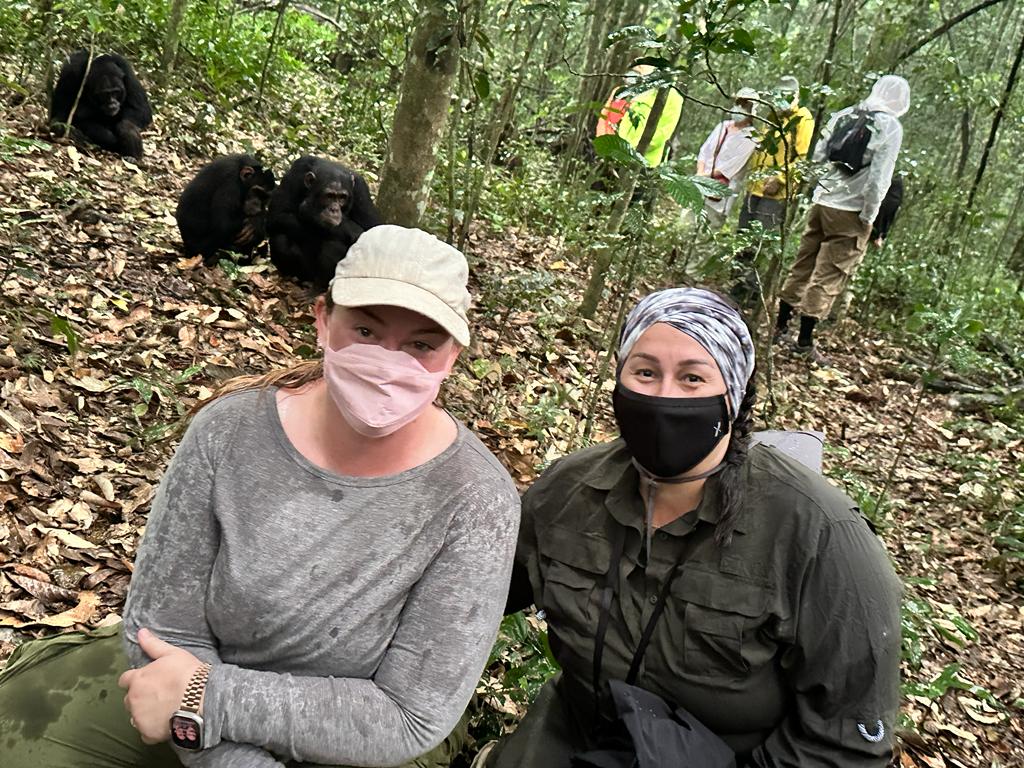
What Should I Pack for a Safari?
Packing for an African safari is one of the most important steps in preparing for your adventure. Whether you’re planning a wildlife safari in Uganda, Kenya, Tanzania, or Rwanda, bringing the right clothing and equipment will help ensure your trip is comfortable, safe, and enjoyable. Many first-time travelers wonder, “What should I pack for a safari?” The good news is that you don’t need to overpack just focus on practical items that suit the climate, activities, and terrain.
From early morning game drives and guided walking safaris to chimpanzee tracking and gorilla trekking, East Africa offers a variety of experiences, each with its own packing requirements. This guide covers everything you need to know before setting off on your safari.
Understand the Climate Before You Pack
East Africa’s weather varies depending on the country, altitude, and season. While daytime temperatures in the savannah can be warm, mornings and evenings are often surprisingly cool, especially during game drives. Mountain regions, such as Uganda’s Bwindi Impenetrable National Park and Rwanda’s Volcanoes National Park, are cooler throughout the year and frequently experience rain.
The key to staying comfortable is packing lightweight clothing that can be layered as temperatures change throughout the day.
Essential Safari Clothing
Choosing the right clothing will make your safari far more comfortable.
Neutral-Colored Clothing
Wear clothing in natural shades such as:
- Khaki
- Olive green
- Beige
- Brown
- Light grey
These colors blend into the environment and are less likely to attract insects.
Avoid bright colors like red, orange, or neon shades, as they can disturb wildlife. White clothing becomes dirty quickly on dusty roads, while dark blue and black may attract tsetse flies in some areas.
Long-Sleeved Shirts
Lightweight long-sleeved shirts protect your skin from the sun, insects, and thorny vegetation during walking safaris and gorilla trekking.
Comfortable Trousers
Pack two or three pairs of lightweight hiking or safari trousers.
Convertible trousers that zip into shorts are particularly useful because they adapt easily to changing temperatures.
Shorts
Shorts are ideal for relaxing at your lodge during the warmer parts of the day. However, they are generally not recommended for walking safaris or gorilla trekking because they leave your legs exposed to insects and vegetation.
Fleece or Light Jacket
Early morning game drives often begin before sunrise and can be chilly, particularly in higher-altitude parks. A lightweight fleece or jacket will keep you warm until the day heats up.
Waterproof Rain Jacket
Rain can occur at any time of year in many parts of East Africa, particularly in rainforest regions. A lightweight waterproof jacket is essential for staying dry during unexpected showers.
Footwear Matters
Your choice of footwear depends on the activities included in your safari.
Hiking Boots
If your itinerary includes gorilla trekking, chimpanzee tracking, or walking safaris, waterproof hiking boots with good ankle support are essential.
They provide stability on muddy trails, rocky slopes, and uneven forest terrain.
Comfortable Walking Shoes
For game drives, cultural tours, and travel between destinations, lightweight walking shoes or trainers are usually sufficient.
Sandals
A pair of comfortable sandals is perfect for relaxing around your lodge after a day of adventure.
Accessories You’ll Be Glad You Packed
Small accessories often make a big difference.
Bring:
- Wide-brimmed hat or cap
- Polarized sunglasses
- Lightweight scarf or neck gaiter
- Gardening or hiking gloves for gorilla trekking
- Thick hiking socks
- Belt for hiking trousers
These items provide additional protection from the sun, insects, and vegetation.
Binoculars
A good pair of binoculars is one of the most valuable items you can bring on safari.
Many animals and birds remain at a distance, and binoculars allow you to appreciate details you might otherwise miss. Birdwatchers, in particular, will find binoculars indispensable when identifying East Africa’s remarkable birdlife.
Camera Equipment
Safaris offer countless opportunities for photography.
Consider packing:
- Camera
- Extra memory cards
- Spare batteries
- Camera charger
- Lens cleaning cloth
- Protective camera bag
If you plan to photograph gorillas, remember that flash photography is not permitted.
Daypack
A comfortable daypack is useful for carrying your essentials during daily excursions.
It can hold:
- Water bottle
- Camera
- Snacks
- Rain jacket
- Sunscreen
- Insect repellent
- Personal medications
Choose a waterproof or water-resistant backpack if possible.
Health and Personal Care Items
Packing a small medical kit helps you deal with minor issues during your trip.
Recommended items include:
- Prescription medications
- Pain relievers
- Adhesive bandages
- Antiseptic wipes
- Motion sickness tablets
- Antihistamines
- Blister treatment
- Oral rehydration salts
Also bring:
- Sunscreen
- Lip balm with SPF
- Hand sanitizer
- Wet wipes
- Insect repellent
- Moisturizer
Travel Documents
Keep important documents together in a waterproof folder or travel wallet.
Remember to bring:
- Passport
- Visa (if required)
- Travel insurance documents
- Flight tickets
- Hotel confirmations
- Safari itinerary
- Gorilla or chimpanzee trekking permit information
- Emergency contact numbers
- Vaccination certificate if required
Having digital copies stored securely online is also a good idea.
Electronics
Useful electronic items include:
- Mobile phone
- Charging cables
- Power bank
- Universal travel adapter
- Headlamp or flashlight
- Camera charger
- Smartwatch or fitness tracker (optional)
Many safari lodges use solar power, so charging opportunities may be limited. A power bank can be extremely useful during longer trips.
Snacks
Although safari lodges usually provide excellent meals, carrying a few snacks can be helpful during long drives or extended trekking excursions.
Good options include:
- Energy bars
- Mixed nuts
- Dried fruit
- Crackers
- Electrolyte tablets
Always dispose of waste responsibly and avoid feeding wildlife.
Luggage Tips
Most safari operators recommend using a soft-sided duffel bag rather than a hard suitcase.
Soft bags are easier to fit into safari vehicles and small aircraft used for domestic flights. If your itinerary includes internal flights, luggage weight restrictions often range from 15 to 20 kilograms, including hand luggage.
Packing cubes can help organize clothing and maximize luggage space.
Packing for Gorilla Trekking
If your safari includes gorilla trekking, you’ll need a few additional it
- Waterproof hiking boots
- Long trousers
- Long-sleeved shirt
- Gardening gloves
- Waterproof rain jacket
- Gaiters (optional)
- Walking stick (usually provided at the park)
- Plenty of drinking water
- Packed lunch
- Camera without flash
Hiring a porter is also highly recommended. They can carry your backpack and provide assistance on steep or slippery trails while supporting local communities.
Packing for Birdwatching
Birdwatchers should consider bringing:
- High-quality binoculars
- Bird field guide or identification app
- Notebook for recording sightings
- Camera with a telephoto lens
- Lightweight tripod (if desired)
These items can greatly enhance your birding experience in East Africa’s national parks and wetlands.
What You Should Leave at Home
To travel more comfortably, avoid bringing unnecessary items such as:
- Expensive jewelry
- Brightly colored clothing
- Heavy suitcases
- Strong perfumes or scented lotions
- Excessive amounts of cash
- High-heeled shoes
Packing light makes travel between parks and lodges much easier.
Safari Packing Checklist
Before leaving home, make sure you have:
- Neutral-colored clothing
- Hiking boots
- Comfortable shoes
- Sandals
- Rain jacket
- Fleece or light sweater
- Hat
- Sunglasses
- Binoculars
- Camera
- Power bank
- Passport
- Travel insurance
- Insect repellent
- Sunscreen
- Water bottle
- Personal medications
- Daypack
Checking this list before departure can help ensure you’re fully prepared.
Prepare for Your Safari with Terenga Safaris
Packing correctly is only one part of planning a memorable African adventure. Terenga Safaris helps travelers enjoy seamless wildlife experiences across Uganda and East Africa by providing expertly planned itineraries, experienced guides, comfortable accommodations, and practical travel advice before departure. Whether you’re embarking on a classic wildlife safari, tracking mountain gorillas in Bwindi Impenetrable National Park, searching for the legendary Shoebill, or exploring the spectacular landscapes of Queen Elizabeth and Murchison Falls National Parks, Terenga Safaris will ensure you’re well prepared for every stage of your journey.
Knowing what to pack for a safari can make a significant difference to your overall experience. The right clothing, sturdy footwear, essential accessories, and travel documents will help you stay comfortable, safe, and ready for every adventure, from exciting game drives to unforgettable gorilla trekking.
The key is to pack light, choose practical items, and prepare for changing weather conditions. With thoughtful planning and the right equipment, you’ll be free to focus on what matters most—immersing yourself in the breathtaking wildlife, stunning landscapes, and unforgettable experiences that make East Africa one of the world’s greatest safari destinations.