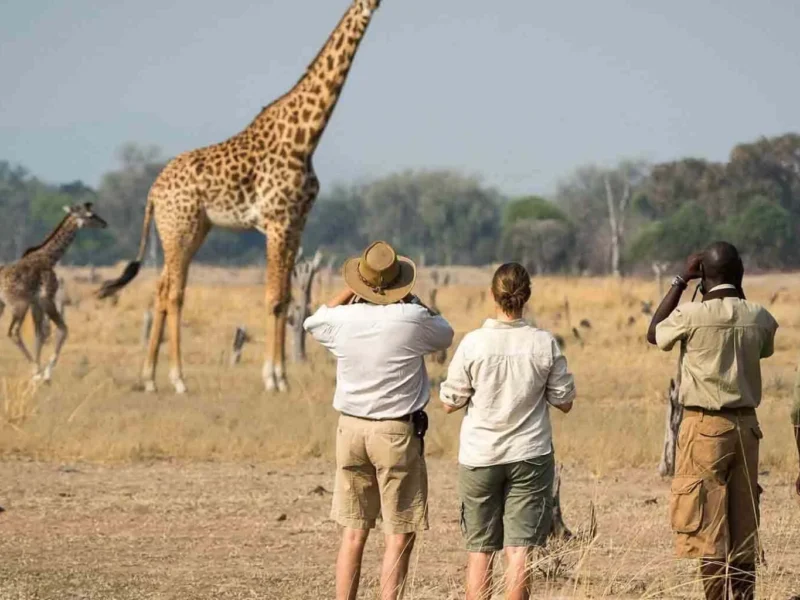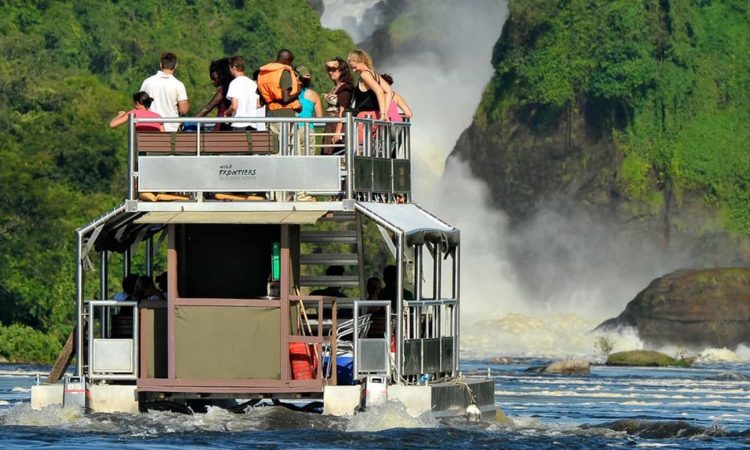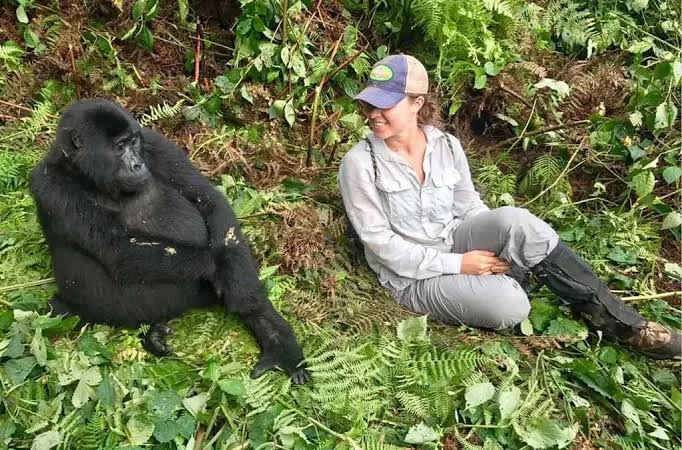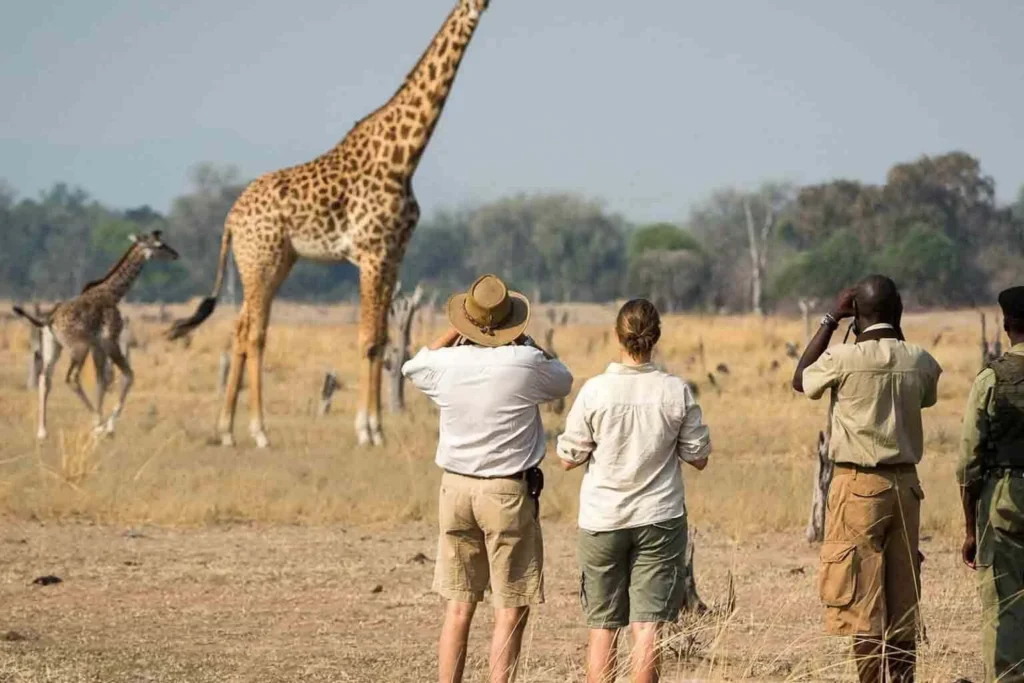
Can Children Go on Safaris in East Africa?
June 19, 2026
The Emotional Side of Gorilla Trekking
June 19, 2026
Trends Shaping African Tourism
Africa has quietly become one of the most dynamic regions in global travel. Industry data from the World Travel & Tourism Council shows the continent’s tourism sector outpacing much of the rest of the world in growth, while international arrivals to Africa continued climbing through early 2026. For travellers, this is more than an economic statistic—it signals a shift in how Africa is experienced. The trends shaping African tourism today go well beyond the traditional image of a wildlife safari. They reflect a continent where sustainability, culture, technology and slower, more intentional travel are converging to redefine what a meaningful journey looks like. This article unpacks those trends and what they mean for anyone planning to travel across East Africa and beyond.
Why African Tourism Is Entering a New Era
Several forces are converging at once. Air connectivity between Africa and the rest of the world has steadily improved, easing what was once one of the biggest barriers to travel to the continent. Visa reforms in several countries have simplified entry, while regional bodies such as the East African Community have worked to harmonise travel policies across borders.
Conservation has also produced genuine good news. National parks that once struggled with poaching pressure have recorded population recoveries for species such as mountain gorillas and certain elephant populations, giving destinations like Uganda and Rwanda a stronger conservation story to tell.
At the same time, traveller expectations have changed. Africa’s own middle class is travelling more, and international visitors—particularly younger ones—are arriving with different priorities than a decade ago. They are less interested in ticking off sights and more interested in understanding the places they visit. Industry surveys on travel trends to Africa now consistently point to cultural immersion, heritage storytelling and conservation-led experiences as primary motivators, rather than wildlife sightings alone.
Major Trends Shaping African Tourism
Sustainable Tourism
Sustainability has moved from a marketing buzzword to an operational standard. Lodges across East Africa increasingly run on solar power, manage their own water systems, and have phased out single-use plastics. Carbon-conscious travel planning, where operators help clients understand and offset the footprint of long-haul flights, is becoming more common. Responsible wildlife viewing practices—maintaining safe distances, limiting vehicle numbers at sightings, and capping group sizes for activities like gorilla trekking—are no longer optional extras but baseline expectations from increasingly informed travellers.
Community-Based Tourism
One of the more encouraging developments is the growth of tourism models that put money directly into the hands of local communities. Village walks, homestays, craft cooperatives, and locally-led cultural tours allow travellers to engage with communities on their own terms, while keeping more tourism revenue circulating locally rather than leaking abroad.
Uganda illustrates this well. Around Bwindi Impenetrable National Park, community-run enterprises offer cultural performances, coffee tours and craft markets that exist alongside, not in competition with, gorilla trekking permits. The result is a model where conservation funding and community income reinforce each other, rather than one coming at the expense of the other.
Technology and Digital Travel
Technology is reshaping the logistics of African travel without replacing its authenticity. Online booking platforms and mobile payment systems have made it far easier for international travellers to plan and pay for trips to East Africa, even from markets where card payments were once a friction point. AI-assisted trip planning tools are increasingly used to build personalised itineraries based on traveller interests, budgets and timeframes. Virtual previews of lodges and parks help set realistic expectations before arrival, and digital customer service means questions get answered faster, even across time zones. The role of technology here is logistical, not experiential—it removes friction so travellers can spend more time engaged with the place itself.
Experience-Led Travel
Travellers are increasingly choosing trips built around specific, immersive experiences rather than generic itineraries. Gorilla trekking in Bwindi or Volcanoes National Park, birdwatching across Uganda’s wetlands, culinary tours sampling regional cuisine, photography-focused safaris, conservation volunteering placements and multi-day walking safaris all reflect this shift. The common thread is depth over breadth: travellers would rather spend several days deeply engaged with one ecosystem or community than rush through a checklist of destinations.
Wellness and Slow Travel
A related trend is the rise of slower, more deliberate travel. Longer stays at fewer properties, nature-based wellness retreats, smaller group sizes, and even “digital detox” packages that limit connectivity are gaining traction, particularly among travellers seeking a genuine break from the pace of daily life. This dovetails naturally with East Africa’s strengths—vast, quiet landscapes that reward unhurried exploration rather than a packed itinerary.
The Rise of Domestic and Regional Tourism
It would be a mistake to view African tourism purely through the lens of international visitors. Recent industry analysis shows that intra-African travel now accounts for the majority of total tourism spending on the continent, with domestic and regional travellers contributing more than international visitors in aggregate terms. This regional travel boom—Africans exploring African destinations—is reshaping demand patterns, supporting local economies, and reducing the sector’s historic over-reliance on long-haul international arrivals.
Uganda’s Position Within These Trends
Uganda sits at an interesting intersection of nearly all these trends. Its gorilla trekking permits remain among the most sought-after wildlife experiences on the continent, while its community tourism initiatives around Bwindi and Kibale demonstrate how conservation and local livelihoods can be mutually reinforcing. The country’s birdlife—among the richest in Africa—appeals directly to the experience-led travel trend, and its adventure tourism offerings around the Nile in Jinja cater to travellers seeking active, immersive itineraries rather than passive sightseeing.
This is not to suggest Uganda has solved every challenge. Infrastructure in some park-adjacent areas remains limited, and tourism benefits are not always evenly distributed across communities. But the building blocks for sustainable, experience-driven tourism growth are clearly in place.
Challenges Facing African Tourism
It would be misleading to present this transformation as uniformly positive. Several genuine challenges remain.
Infrastructure gaps persist outside major tourist corridors, with road quality, internet access and healthcare facilities lagging in more remote areas. Climate change is already affecting some ecosystems that underpin wildlife tourism, from shifting rainfall patterns to pressure on water resources in dry-season parks. Conservation funding remains inconsistent, often dependent on tourism revenue that can fluctuate with global economic conditions or regional instability. Skills development within the tourism workforce—guiding, hospitality management, digital marketing—needs continued investment to keep pace with rising visitor expectations.
There is also a harder balancing act: managing growth so that popular sites like Bwindi or the Maasai Mara do not suffer from overtourism, even as the broader industry pushes for more visitors and more revenue. Responsible operators increasingly recognise that unchecked volume growth at fragile sites can undermine the very experiences travellers are seeking.
What These Trends Mean for Travellers
For prospective visitors, these shifts translate into tangible changes. Itineraries are becoming more personalised, built around specific interests rather than fixed package routes. Cultural encounters are deeper and more reciprocal, designed by and with local communities rather than staged for tourists. Sustainability credentials are easier to verify, with more lodges able to demonstrate concrete environmental practices. Technology has made planning and booking simpler, while conservation outcomes are increasingly built into the cost of a trip rather than treated as a separate cause to support.
What Are the Main Trends Shaping African Tourism?
The main trends shaping African tourism include sustainable tourism practices like eco-lodges and responsible wildlife viewing, community-based tourism that channels income directly to local communities, growing use of technology for booking and trip planning, a shift toward experience-led travel such as gorilla trekking and birdwatching, the rise of wellness and slow travel, and strong growth in domestic and regional African travel.
Frequently Asked Questions
What is driving tourism growth in Africa? Improved air connectivity, eased visa policies, conservation success stories, and rising demand from both international and African travellers are the main drivers behind the continent’s tourism growth.
Is sustainable tourism growing in Africa? Yes. Eco-lodges powered by renewable energy, plastic reduction policies, and responsible wildlife viewing practices are becoming standard across much of East and Southern Africa, driven partly by traveller demand for lower-impact trips.
Which African countries are leading tourism innovation? Kenya, Rwanda, and Uganda are frequently cited for combining conservation-led tourism with technology adoption and community-based models, alongside South Africa’s longer-established tourism infrastructure.
How is technology changing safari travel? Technology is streamlining logistics—online bookings, mobile payments, AI-assisted itinerary planning and virtual previews—while the on-the-ground safari experience itself remains rooted in expert local guiding.
Why is community tourism important? It ensures tourism revenue reaches the people living closest to parks and wildlife, creating a direct economic incentive for communities to support conservation rather than view it as a constraint on their livelihoods.
What role does conservation play in African tourism? Conservation underpins the entire wildlife tourism sector. Healthy ecosystems and protected wildlife populations are the foundation on which experiences like gorilla trekking and game viewing depend.
What trends should future travellers expect? Expect more personalised, experience-led itineraries, stronger sustainability credentials, deeper cultural engagement, and smoother technology-assisted planning, alongside growing options for slower, longer-stay travel.
Is Africa a good destination for first-time safari travellers? Yes. Countries like Uganda offer accessible entry points into wildlife and cultural tourism, with experienced local operators able to tailor itineraries to first-time travellers’ comfort levels and interests.
Why Choose Terenga Safaris?
Terenga Safaris is built on local expertise—an understanding of East Africa’s landscapes, wildlife and communities that comes from working closely with them, not simply visiting them. Our itineraries are tailor-made rather than templated, shaped around each traveller’s interests, pace and conservation values. We work with experienced local guides who bring depth and context to every sighting and every encounter, and we hold responsible tourism principles as a baseline, not an afterthought. Above all, we believe a safari should leave something positive behind—for the wildlife, the communities, and the ecosystems that make East Africa worth visiting in the first place.
Conclusion
The trends shaping African tourism point to an industry maturing well beyond its traditional image. Sustainability, community partnership, smart use of technology, experience-led itineraries, slower travel, and the steady rise of regional tourism are together reshaping what an African journey looks like and who it benefits. None of this happens without trade-offs, and the challenges—from infrastructure gaps to climate pressures—are real and ongoing. But the direction is clear.
The future of African tourism will not be defined solely by the wildlife travellers see, but by the positive impact their journeys leave behind for nature, communities, and future generations.
If you would like to experience these trends first-hand, Terenga Safaris would be glad to help design a thoughtfully built East African journey—get in touch to start planning yours.