The Best Boat Safaris in Uganda (2026 Guide)
June 20, 2026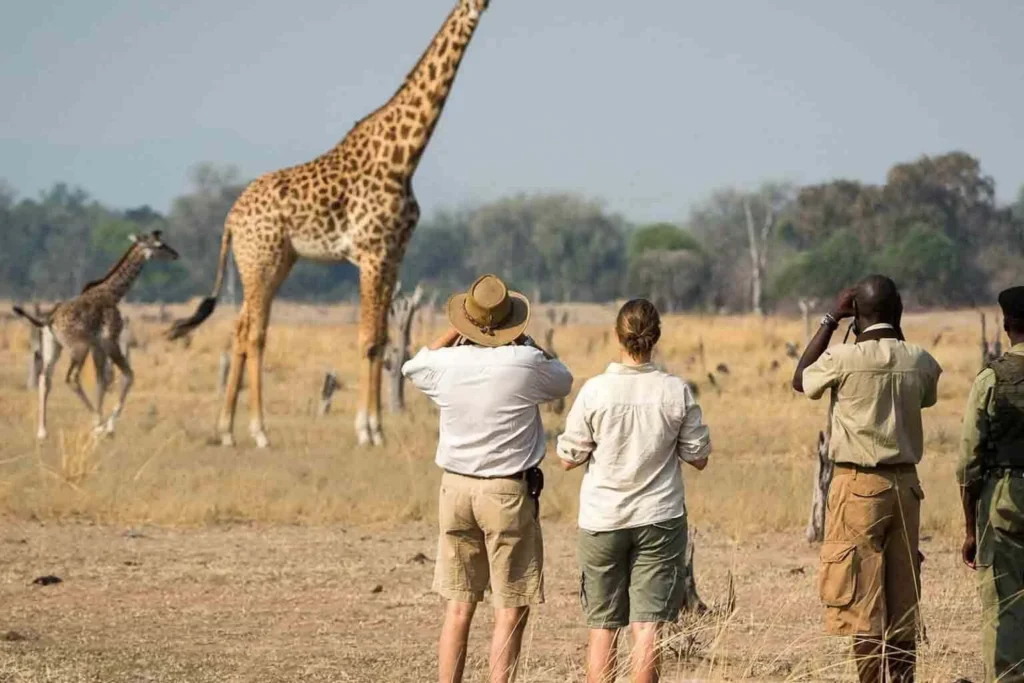
Are Game Drives Conducted Every Day?
One of the most common questions travelers ask when planning an African safari is: Are game drives conducted every day? The simple answer is yes. In most safari destinations across Africa, game drives are conducted daily, giving visitors multiple opportunities to explore the wilderness and observe wildlife in their natural habitats.
Game drives are the cornerstone of the safari experience and are carefully scheduled to maximize wildlife sightings. Whether you are visiting the savannahs of Kenya and Tanzania, the national parks of Uganda and Rwanda, or the famous reserves of Southern Africa, daily game drives are typically included as part of safari itineraries.
Understanding how game drives work, when they take place, and what you can expect during these excursions will help you make the most of your safari adventure.
What Is a Game Drive?
A game drive is a guided wildlife-viewing excursion conducted in a specially designed safari vehicle. Led by experienced guides and drivers, game drives allow visitors to explore national parks, game reserves, and conservation areas while searching for animals in their natural environments.
Unlike walking safaris, game drives cover larger areas and provide opportunities to see a wide variety of wildlife, including large mammals, predators, birds, and reptiles.
safari vehicles are often equipped with pop-up roofs or open sides, allowing guests to enjoy unobstructed views and take photographs comfortably.
Why Are Game Drives Conducted Daily?
Wildlife movements change constantly, and no two safari experiences are ever exactly the same. Conducting game drives every day increases the chances of encountering different animals and witnessing unique wildlife behaviors.
Animals may be active in different locations from one day to the next, while factors such as weather, water availability, and predator activity can influence where wildlife gathers.
Daily game drives allow visitors to:
- Explore different areas of a park.
- Increase their chances of spotting rare species.
- Observe changing animal behavior.
- Enjoy a more complete safari experience.
Even if you visit the same area multiple times, each game drive can offer new and exciting discoveries.
Morning Game Drives
Morning game drives are among the most popular safari activities. They typically begin at dawn, often between 6:00 and 7:00 a.m., when wildlife is most active.
During the early hours of the day, temperatures are cooler, encouraging animals to move, hunt, feed, and interact before the heat of the afternoon sets in.
Morning game drives provide excellent opportunities to see:
- Lions returning from night hunts
- Leopards on the move
- Elephants feeding
- Buffalo grazing
- Antelope species beginning their day
- A wide variety of birds
The soft morning light also creates ideal conditions for photography.
Afternoon and Evening Game Drives
Many safari lodges offer afternoon game drives that typically begin in the late afternoon and continue into the early evening.
As temperatures cool, wildlife becomes more active once again. Visitors may encounter:
- Grazing herbivores
- Predators preparing for nighttime hunting
- Elephants heading toward water sources
- Hippos emerging from rivers and lakes
Sunset game drives are particularly popular because they combine wildlife viewing with spectacular African sunsets.
Full-Day Game Drives
In some destinations, travelers can choose full-day game drives that allow for extended exploration of the park.
These excursions often include:
- Packed lunches
- Visits to remote wildlife areas
- Opportunities to track elusive animals
- Longer periods for photography and observation
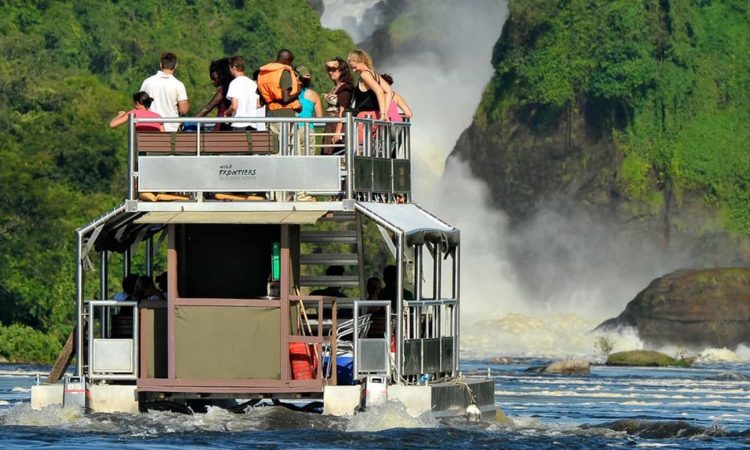
Full-day game drives are especially popular in large parks such as the Serengeti, Masai Mara, and Murchison Falls National Park.
Night Game Drives
Certain parks and private conservancies offer night game drives, providing a completely different perspective on the African wilderness.
Night drives allow visitors to see nocturnal species that are rarely encountered during the day, including:
- Bush babies
- Civets
- Genets
- Porcupines
- Hyenas
- Owls
- Leopards
Using specialized spotlights, guides search for animals that become active after dark.
Not all national parks permit night drives, so availability varies depending on the destination.
Are Game Drives Available Year-Round?
Yes. In most safari destinations, game drives are available throughout the year.
Each season offers unique advantages:
Dry Season
The dry season is often considered the best time for wildlife viewing because animals gather around rivers, lakes, and waterholes.
Vegetation is thinner, making it easier to spot wildlife.
Wet Season
The rainy season brings lush landscapes, fewer tourists, and excellent birdwatching opportunities.
Many animals give birth during this period, offering visitors the chance to see young wildlife and interesting predator-prey interactions.
While some roads may become more challenging during heavy rains, game drives continue in most safari destinations.
What Animals Can You See on Daily Game Drives?
The wildlife you encounter depends on the destination, but daily game drives can reveal an incredible variety of species.
Common sightings include:
- Lions
- Elephants
- Leopards
- Buffalo
- Rhinoceroses
- Giraffes
- Zebras
- Wildebeest
- Hippos
- Crocodiles
- Hyenas
- Antelope species
- Monkeys and baboons
- Hundreds of bird species
In East Africa, game drives often provide opportunities to witness some of the world’s most iconic wildlife spectacles.
How Many Game Drives Should You Take?
Most safari experts recommend taking multiple game drives during your trip.
A typical safari itinerary may include:
- One morning game drive per day
- One afternoon or evening game drive per day
- Optional night drives where available
The more time you spend exploring, the greater your chances of seeing diverse wildlife and memorable animal behavior.
The Role of Professional Safari Guides
One of the biggest advantages of daily game drives is the expertise of professional safari guides.
Experienced guides help visitors:
- Locate wildlife
- Identify animal species
- Explain animal behavior
- Track predators
- Interpret signs of wildlife activity
Their knowledge significantly enhances the overall safari experience and often leads to sightings that visitors might otherwise miss.
Tips for Enjoying Daily Game Drives
To make the most of your safari experience:
- Bring binoculars for distant wildlife.
- Carry a camera with extra batteries.
- Wear neutral-colored clothing.
- Pack sunscreen and a hat.
- Dress in layers for cool mornings and warmer afternoons.
- Listen carefully to your guide’s instructions.
- Be patient, as wildlife sightings can be unpredictable.
A positive attitude and willingness to embrace the unexpected often lead to the most rewarding safari moments.
Yes, game drives are typically conducted every day in Africa’s leading safari destinations. Morning, afternoon, and sometimes night game drives provide visitors with multiple opportunities to explore the wilderness and encounter wildlife in its natural habitat.
Because animal movements and behaviors change daily, each game drive offers a unique experience. From spotting lions at sunrise and elephants grazing in the afternoon to observing nocturnal creatures after dark, daily game drives are what make a safari such an unforgettable adventure.
Whether you are visiting Uganda, Kenya, Tanzania, Rwanda, or any other safari destination, participating in regular game drives will maximize your chances of witnessing Africa’s extraordinary wildlife and creating memories that will last a lifetime.