
Trends Shaping African Tourism
June 19, 2026
The Best Boat Safaris in Uganda (2026 Guide)
June 20, 2026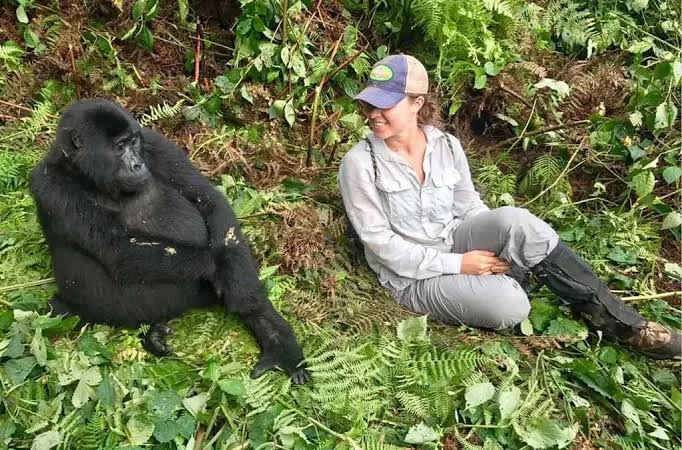
The Emotional Side of Gorilla Trekking
Most descriptions of gorilla trekking focus on logistics—permit prices, trek duration, what to pack. Far less is written about what actually happens to a person standing a few metres from a wild mountain gorilla family for the first time. The emotional side of gorilla trekking is, for many travellers, the part they remember longest: a mix of awe, vulnerability, and an unexpected sense of kinship that few other wildlife encounters produce. This article looks beyond the practical guide to explore why the experience affects people so deeply, what’s happening psychologically and physiologically in that hour, and what it means for how travellers think about conservation and connection long after they’ve left Bwindi’s forest behind.
Why Gorilla Trekking Affects People So Deeply
Part of the answer is biological. Mountain gorillas share roughly 98% of their DNA with humans, and it shows—in their expressions, their family dynamics, the way a juvenile gorilla tumbles over a sibling, or a mother gently repositions an infant. Trackers and guides often note that visitors don’t gasp at gorillas the way they might at a lion or elephant; they go quiet. The recognition is almost immediate and oddly personal.
The physical context matters too. Reaching a gorilla family in Bwindi Impenetrable Forest is not passive—it can mean hours of trekking through dense, steep, humid rainforest. By the time trekkers finally see the group, they’ve already been physically and mentally stretched. That effort, followed by a strict one-hour limit with the gorillas once found, concentrates the encounter into something intense rather than leisurely. There is no second viewing, no extended browsing—just sixty minutes that visitors are acutely aware are finite from the moment they begin.
Then there’s the precariousness of it. Mountain gorillas remain endangered, and travellers are often told, sometimes for the first time, how close the species came to disappearing entirely and how fragile their recovery still is. Standing in front of an animal you know to be both extraordinarily powerful and genuinely vulnerable tends to produce a more complicated emotional response than simple excitement.
The Range of Emotions Travellers Describe
Awe and Disbelief
The most immediate reaction is usually disbelief—a kind of “this is actually happening” moment, particularly during the first direct eye contact with a silverback. Many visitors describe time slowing down, or struggling afterward to recall details clearly, a common response to high-intensity, low-frequency experiences.
Vulnerability and Humility
Gorilla trekking has a way of stripping away a traveller’s usual sense of control. You don’t approach the gorillas; rangers and trackers determine the route and distance based on the animals’ behaviour that day. This loss of control, paired with the obvious physical power of an adult silverback who could close the distance in seconds but doesn’t, tends to produce humility rather than fear.
Connection and Empathy
Watching gorilla family dynamics—juveniles playing, mothers nursing, a silverback keeping a watchful but unbothered eye on the group—often triggers a strong sense of empathy. Visitors frequently describe recognising “human” behaviours, which shifts the experience from observation to something closer to relational.
Grief and Concern
For many, awe is tempered by a quieter, less comfortable emotion: concern. Learning about the species’ conservation history—including past population crashes from poaching, disease and habitat loss—often leaves travellers with a lingering unease about how fragile this recovery still is, even as Uganda and Rwanda’s populations have grown over recent decades.
Gratitude and Reflection
By the time the hour ends, many trekkers describe a sense of gratitude that’s hard to articulate fully—not just for having seen the gorillas, but for the fact that the encounter was possible at all, given how close mountain gorillas came to extinction in the latter half of the twentieth century.
How Guides and Trackers Shape the Emotional Experience
The emotional impact of gorilla trekking owes a great deal to the people who facilitate it. Experienced guides don’t simply lead trekkers to a gorilla family—they interpret behaviour in real time, explain family relationships, and help visitors understand what they’re witnessing rather than just photographing it. A guide who can identify a particular gorilla by name, recount its history within the group, and explain the significance of a particular interaction transforms the encounter from a wildlife sighting into a story with characters travellers can connect to.
Trackers, who often spend more time with habituated gorilla families than almost anyone else, frequently become the emotional anchor of the experience—calm, deeply familiar with the animals’ moods, and able to read warning signs long before visitors would notice them. Their evident respect for the gorillas tends to be contagious.
The Conservation Dimension
It’s difficult to separate the emotional weight of gorilla trekking from its conservation context. Bwindi Impenetrable National Park is home to roughly half of the world’s remaining mountain gorillas, a recovery built on decades of protection work, community engagement, and tightly regulated tourism. Knowing that the permit fee—standard Uganda permits sit at around USD 800 per person in 2026—directly funds park protection and supports communities living alongside the gorillas adds a layer of meaning that purely recreational wildlife viewing rarely carries. Many travellers leave not just moved by the encounter itself, but more invested in conservation outcomes than they expected to be going in.
This is also why the strict rules around gorilla trekking—the one-hour cap, the distance requirements, the age minimum of fifteen—exist. They protect the gorillas from stress and disease transmission, since a common human illness can be dangerous to them. Far from feeling restrictive, most travellers come to see these limits as part of what makes the experience feel respectful rather than extractive.
What This Means for Travellers Planning a Trek
Understanding the emotional side of gorilla trekking in advance can change how travellers prepare for it. It’s worth allowing time afterward to process the experience rather than rushing straight to the next activity. Many operators now build in quiet time or a debrief at the lodge for exactly this reason. It also helps to arrive with realistic expectations: this is not a guaranteed wildlife photography session, but an encounter shaped by weather, terrain, and the gorillas’ own behaviour on a given day—which is part of what makes it feel earned rather than staged.
The Emotional Side of Gorilla Trekking in 50–70 Words
Gorilla trekking often produces a complex mix of awe, vulnerability, empathy and quiet concern. The physical effort of reaching a habituated gorilla family, the brief one-hour limit, and the obvious intelligence and fragility of mountain gorillas combine to create an emotionally intense experience that many travellers describe as more profound than expected, often deepening their interest in conservation long after the trek ends.
Frequently Asked Questions
Why do people cry during gorilla trekking? The combination of physical exertion, sudden close contact with a powerful and visibly intelligent animal, and awareness of how fragile the species’ recovery has been can produce a strong, sometimes tearful, emotional response.
Is gorilla trekking emotionally difficult? For some travellers, yes—particularly learning about the conservation challenges mountain gorillas have faced. Most describe the experience as moving rather than distressing, though it can be more intense than a typical wildlife encounter.
How long do you actually spend with the gorillas? Visitors are permitted one hour with a habituated gorilla family once located, though reaching them can take anywhere from one to eight hours of trekking depending on the family’s location that day.
Why is there a strict time limit with the gorillas? The one-hour cap protects gorillas from stress and minimises the risk of disease transmission between humans and gorillas, who are highly susceptible to human illnesses.
Do guides affect how emotional the experience feels? Significantly. Experienced guides and trackers add context, identify individual gorillas, and explain family dynamics, which deepens a visitor’s connection to what they’re observing.
Is gorilla trekking worth the cost? Most travellers who complete a trek describe it as one of the most meaningful wildlife experiences of their lives, with permit fees directly supporting conservation and community programmes around Bwindi.
What is the best gorilla trekking destination in East Africa? Uganda’s Bwindi Impenetrable National Park, home to roughly half the world’s mountain gorilla population across multiple habituated families, is widely regarded as one of the best and most accessible destinations.
Why Choose Terenga Safaris?
Terenga Safaris approaches gorilla trekking as more than a checklist item on a Uganda itinerary. We work with experienced local guides who understand both the practical demands of the trek and the emotional weight of the encounter itself, and we build itineraries with enough time afterward for travellers to process what they’ve experienced rather than rushing to the next stop. Our approach to permit booking, community partnerships, and conservation values reflects a genuine respect for the gorillas and the people who protect them—because we believe this experience deserves to be handled with care, not just logistics.
Conclusion
The emotional side of gorilla trekking is, in many ways, the real reason people travel thousands of miles and trek for hours through dense forest for a single hour with a wild animal. It’s an experience built on contrast—exhaustion and stillness, power and gentleness, joy and concern—that tends to stay with travellers long after the trek ends. Understanding this dimension doesn’t diminish the adventure; it deepens it, turning a wildlife sighting into something closer to a genuine encounter.
For many, gorilla trekking becomes less about ticking off a bucket-list moment and more about a renewed sense of connection to something larger and more fragile than themselves.
If you’re ready to experience this for yourself, Terenga Safaris would be glad to help plan a gorilla trekking journey in Uganda built around both the adventure and the meaning behind it.
Featured Snippet Table
| Emotional Response | What Triggers It | Why It Matters to Travellers |
|---|---|---|
| Awe | First direct eye contact with a silverback or family group | Creates a lasting, vivid memory unlike typical wildlife sightings |
| Vulnerability | Loss of control over pace and distance, guided entirely by rangers | Produces humility rather than fear in most visitors |
| Connection/Empathy | Observing family dynamics—play, nursing, protection | Shifts the experience from observation to relational understanding |
| Concern | Learning about the species’ conservation history | Deepens engagement with conservation beyond the trek itself |
| Gratitude | Reflecting on how close mountain gorillas came to extinction | Reinforces the value of responsible, regulated tourism |