The Best Photography Spots in Uganda: A Complete Guide for Travellers
June 30, 2026
What Is the Difference Between a Game Drive and a Walking Safari?
July 1, 2026Uganda Safari Etiquette: Essential Do’s and Don’ts for First-Time Visitors
A safari is unlike any holiday you have taken before. There are no queues, no fixed schedules, and no guarantees — only the rhythm of the wild and the patience it asks of you in return. Understanding Uganda Safari Etiquette before you travel will shape every part of your trip, from how close you get to a grazing elephant to how warmly you are welcomed into a local village. Good etiquette protects wildlife, supports the guides and communities who make tourism possible, and helps you avoid the common mistakes that leave first-timers feeling embarrassed or disappointed.
In this guide, we cover the essential dos and don’ts for wildlife viewing, gorilla trekking, cultural visits, photography, and lodge life, so you can arrive in Uganda confident, prepared, and ready to travel responsibly.
Why Safari Etiquette Matters
Safari etiquette is not about rigid formality. It exists for practical reasons that affect everyone on the trip, including the animals.
- Visitor safety: Sudden movement, noise, or scent can startle animals, putting both wildlife and visitors at risk.
- Wildlife welfare: Calm, predictable human behaviour reduces stress on animals and helps prevent unnatural habituation to people.
- Conservation: Park fees and responsible visitor numbers directly fund anti-poaching patrols and habitat protection across Uganda.
- Respect for local communities: Villages near parks are home communities, not exhibits, and deserve the same courtesy you would expect as a guest in someone’s home.
- Better wildlife viewing: Quiet, attentive groups see more — animals that flee from noisy vehicles often reappear for patient, respectful ones.
- Sustainable tourism: Every well-behaved visitor strengthens the case for tourism as a long-term alternative to poaching and land conversion.
Essential Do’s on a Uganda Safari
- Listen to your guide: Your ranger or guide reads animal behaviour and terrain far better than you can. Their instructions exist to keep you and the wildlife safe.
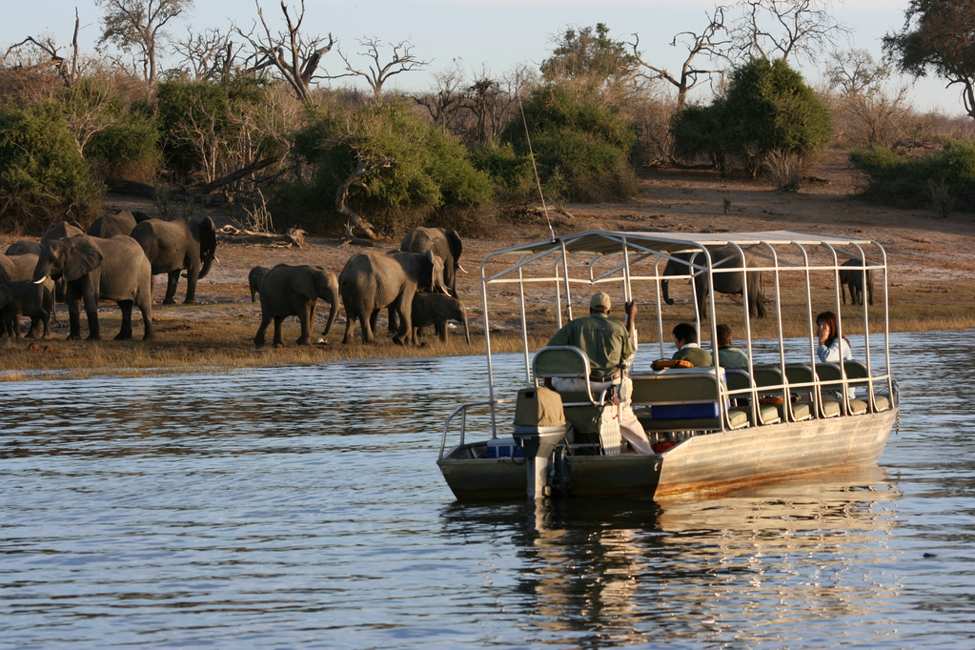
- Stay quiet during wildlife sightings: Loud talking or sudden exclamations can scare animals away before you have even raised your camera. A whisper carries further than you think in the bush.
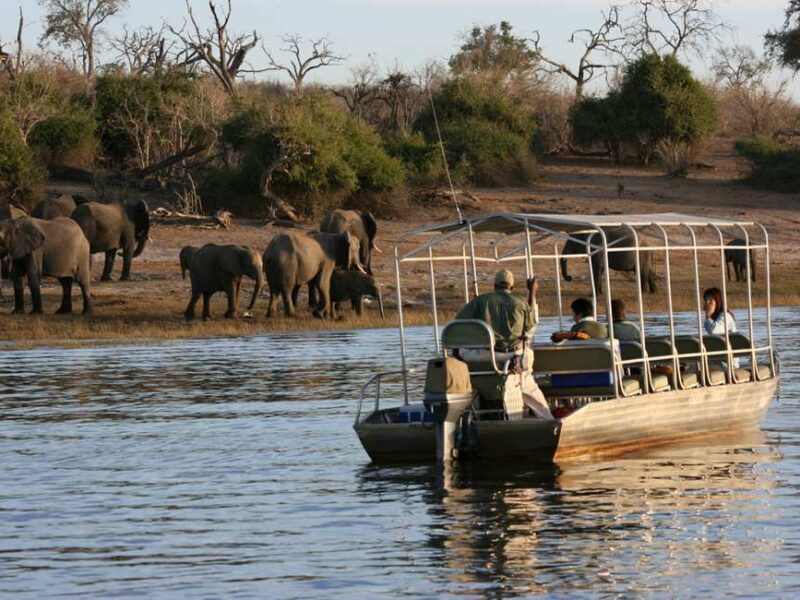
- Keep a respectful distance from animals: Uganda Wildlife Authority guidelines set minimum distances for good reason — getting closer rarely improves the experience and can provoke a defensive reaction.
- Follow park regulations: Park regulations exist to protect both visitors and the ecosystem; they are not suggestions to be negotiated.
- Dress appropriately: Neutral colours (khaki, green, brown) blend into the environment, while bright colours and dark blue can attract tsetse flies.
- Carry reusable water bottles where possible: Plastic waste is a genuine threat to wildlife and protected ecosystems; refillable bottles are widely supported at lodges.
- Support local communities: Buying crafts, eating at community-run restaurants, and choosing community-led activities channels tourism income directly to the people who live alongside the wildlife.
- Ask permission before photographing people: A camera pointed at someone without consent can feel intrusive, regardless of intent. A simple request, often answered with a smile, goes a long way.
- Practise patience during wildlife encounters: Wildlife sightings unfold on their own timeline. The best encounters often come to those willing to wait quietly rather than press the guide to move on.
Common Don’ts to Avoid
- Never feed wildlife: It alters natural foraging behaviour, creates dependency on humans, and can be dangerous for both species.
- Do not litter: Everything you carry in should leave with you, including biodegradable items, which can still harm wildlife if ingested.
- Avoid loud conversations and music: Music and loud chatter disturb animals and other guests sharing the same sighting.
- Never leave the safari vehicle unless instructed: Stepping out of the vehicle in unauthorised areas is one of the leading causes of dangerous wildlife encounters.
- Avoid flash photography around wildlife: Sudden bright light can startle or disorientate animals, particularly at night game drives.
- Do not pressure guides to break park rules: Asking a guide to drive off-track or approach too closely puts their licence, your safety, and the animal’s welfare at risk.
- Avoid unrealistic expectations about guaranteed sightings: Uganda’s parks are wild, not staged; sightings depend on weather, season, and chance, even with the most experienced guides.
- Do not damage vegetation or remove natural objects: Removing plants, rocks, or fallen branches disrupts micro-habitats that insects, birds, and small mammals depend on.
Gorilla Trekking Etiquette
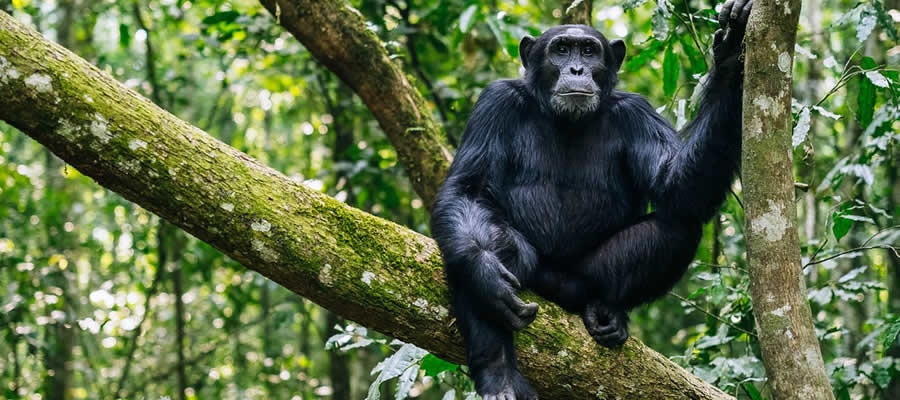
Tracking mountain gorillas in Bwindi Impenetrable Forest or Mgahinga Gorilla National Park is one of Uganda’s most extraordinary experiences, and it comes with its own specific code of conduct set by the Uganda Wildlife Authority.
- Health requirements: Anyone with a cold, flu, or other contagious illness will be asked not to trek, since gorillas can contract human respiratory diseases.
- Maintaining minimum viewing distances: A minimum distance of around seven metres from the gorillas is required at all times to protect both visitors and the gorillas from disease transmission.
- Keeping noise levels low: Speak softly, avoid sudden gestures, and never point directly at a gorilla.
- Following ranger instructions: Your ranger guide and trackers determine the safe approach path and viewing position; their instructions are non-negotiable.
- Time limits: Visitor time with the gorilla family is limited to one hour, which keeps disturbance to the group minimal.
- Photography etiquette: Switch off camera flash and keep movements slow and deliberate; tripods and large equipment should be used discreetly.
- Respecting conservation efforts: Permit fees fund habituation programmes, ranger salaries, and anti-poaching work that has helped mountain gorilla numbers recover.
Cultural Etiquette When Visiting Communities
- Respectful dress: Modest clothing is appreciated in most rural communities, particularly when visiting homes, schools, or religious sites.
- Greetings: A warm greeting, often with a handshake, is an important social custom; take a moment to greet elders and hosts before moving on to business.
- Photography permissions: Always ask before photographing individuals, ceremonies, or homes, and respect a declined request graciously.
- Purchasing local crafts: Buying directly from local artisans supports livelihoods far more effectively than souvenir shops in town.
- Supporting community tourism: Choosing guided village walks, homestays, or cultural performances run by the community keeps tourism income local.
- Respecting traditions: Customs around food, ceremony, and daily life may differ from your own; observing quietly and following your host’s lead is always appreciated.
Safari Photography Etiquette
- Ethical wildlife photography: Prioritise the animal’s comfort over the shot; if your presence is clearly changing its behaviour, it is time to retreat.
- Patience: The best wildlife images often come from waiting quietly for natural behaviour rather than forcing a moment.
- Avoiding disturbance: Avoid loud shutter bursts, sudden lens movements, or repositioning the vehicle just for a better angle when animals are nearby.
- Drone regulations: Drones are restricted or prohibited in Uganda’s national parks without prior authorisation from the Uganda Wildlife Authority.
- Sharing viewing space with other guests: Be mindful of other guests’ sightlines, especially in shared vehicles or at busy viewing points.
- Respect for professional photographers: Avoid blocking tripods or stepping in front of guests who arrived first at a sighting.
Safari Etiquette by Situation
A quick reference for how to behave across the most common safari scenarios.
| Situation | Recommended Behaviour | Why It Matters |
| Wildlife viewing | Stay seated, speak quietly, keep cameras steady | Reduces stress on animals and improves sighting quality |
| Gorilla trekking | Maintain 7m distance, low voices, follow ranger cues | Protects gorillas from disease and disturbance |
| Photography | No flash, minimal movement, patience over proximity | Avoids startling wildlife and respects fellow guests |
| Community visits | Ask before photographing, dress modestly, greet hosts | Builds trust and respects local customs |
| Lodge stays | Respect quiet hours, follow staff guidance on wildlife near camp | Many lodges are unfenced; animals roam freely at night |
Frequently Asked Questions
Can I leave the safari vehicle?
Only when your guide explicitly confirms it is safe, typically at designated stops, viewpoints, or picnic spots. Leaving unprompted is one of the most common safety violations in national parks.
Is tipping expected in Uganda?
Tipping is customary and appreciated for guides, trackers, and lodge staff, though never legally required. Many lodges and operators can advise on appropriate amounts.
Can I photograph local people?
Always ask first. Most people are happy to be photographed once asked, and a brief conversation often makes for a better, more genuine portrait.
What should I wear?
Neutral, breathable colours such as khaki, olive, and brown work best, along with sturdy closed shoes for walking safaris and gorilla trekking.
Is it safe to approach wildlife?
No. Maintain the distances set by your guide and park regulations at all times; even seemingly calm animals can react unpredictably to close approach.
Can children join every safari activity?
Some activities, including gorilla trekking, have a minimum age requirement (generally 15 years), while many game drives and cultural visits are family-friendly.
How close can I get to mountain gorillas?
Uganda Wildlife Authority guidelines require a minimum distance of approximately seven metres, maintained throughout the one-hour visit.
Why Responsible Tourism Benefits Uganda
- Conservation funding: Park entry and permit fees are a primary source of funding for ranger patrols, habitat protection, and research across Uganda’s protected areas.
- Community livelihoods: Tourism creates direct employment and income for communities living alongside parks, reducing reliance on activities that threaten wildlife habitat.
- Protecting endangered wildlife: Well-managed visitor numbers and respectful behaviour have contributed to the recovery of mountain gorilla populations and other endangered species.
- Long-term sustainability: Responsible tourism today protects the parks, wildlife, and cultural heritage that future generations of travellers and Ugandans alike will depend on.
Why Choose Terenga Safaris?
At Terenga Safaris, responsible tourism is not an afterthought; it shapes how every itinerary is planned and every guide is trained.
- Experienced professional guides: Our guides hold deep, first-hand knowledge of Uganda’s parks, wildlife behaviour, and conservation context.
- Commitment to ethical tourism: We work within park regulations and conservation best practices on every safari, without compromise.
- Small-group and tailor-made safaris: Smaller groups and tailor-made itineraries mean less disturbance to wildlife and a more personal experience for you.
- Honest travel advice: We set realistic expectations about sightings, weather, and logistics, so you arrive prepared rather than disappointed.
- Conservation-minded approach: A share of our work supports community partners and conservation initiatives across the parks we operate in.
- Exceptional customer care: From your first enquiry to your final game drive, our team is on hand to make sure your safari runs smoothly.
Conclusion
Good safari etiquette is ultimately about respect — for wildlife, for guides, for local communities, and for the wild places that make Uganda such an extraordinary destination. Practising thoughtful Uganda Safari Etiquette does not just protect the animals and ecosystems you have travelled to see; it also tends to produce richer, calmer, more rewarding encounters for you as a visitor.
As you finalise your packing list and itinerary, keep these dos and don’ts close at hand, and travel with patience and curiosity rather than expectation. When you are ready to plan a safari built around responsible, well-informed travel, the team at Terenga Safaris would be glad to help you put together a memorable and respectful Uganda adventure.
-
Related Reading on the Terenga Safaris Blog
Quick Reference: Do, Don’t, Why
| Do | Don’t | Reason |
| Keep a respectful distance from wildlife | Approach animals for a closer photo | Protects you and prevents stress to the animal |
| Stay quiet during sightings | Talk loudly or play music | Noise scares wildlife and disturbs other guests |
| Ask before photographing people | Photograph locals without consent | Respects privacy and local custom |
| Follow ranger and guide instructions | Leave the vehicle without permission | Prevents dangerous encounters |
| Carry out all litter | Discard waste, including biodegradable items | Protects habitats and animal health |