
What Animals Can You See on a Safari in Kenya?
June 16, 2026
If I Could Visit Only One National Park in Uganda..
June 16, 2026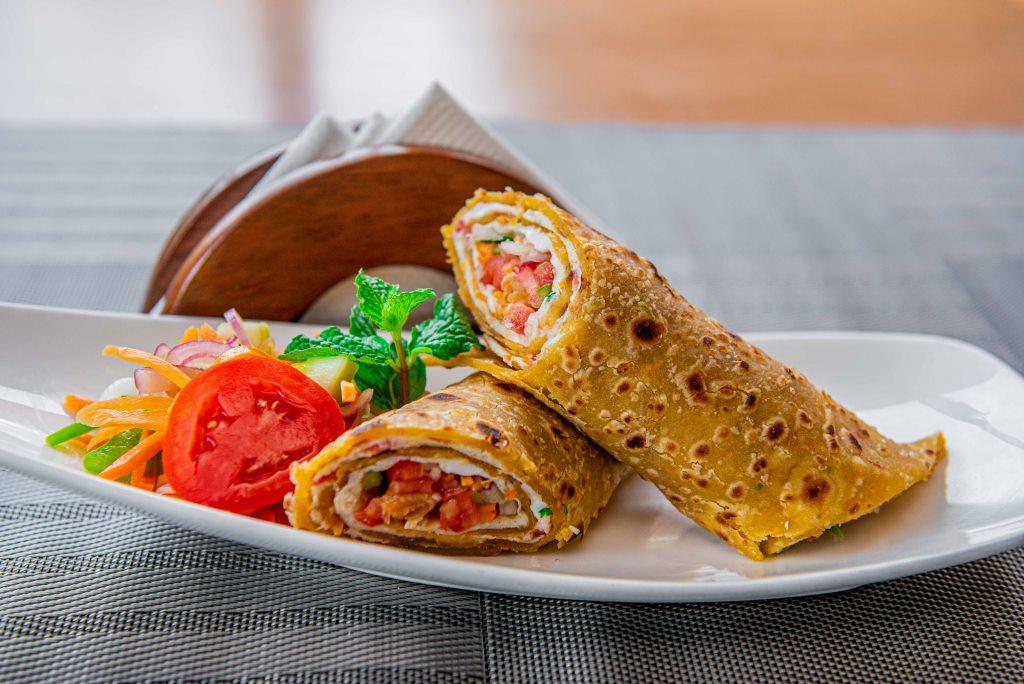
Food Experiences Every Visitor Should Try
It is often the meal, not the sighting, that travellers describe first when they return home. A group gathered around a table after a day in Queen Elizabeth National Park, plates of steamed matooke passed hand to hand, a host explaining why this banana variety has fed Ugandan families for generations — these are the moments that linger. Food experiences every visitor should try in Uganda go well beyond sampling unfamiliar dishes; they offer a way into the rhythm of daily life and the agricultural richness of a country whose soil produces an extraordinary diversity of crops.
This guide explores why food matters in travel, what makes Uganda’s culinary landscape so varied, and the specific experiences worth seeking out — from a home-cooked luwombo to a roadside rolex, eaten warm and folded in paper.
Why Food Matters in Travel
Food is one of the most direct forms of cultural storytelling available to a traveller. A dish carries within it a region’s climate, agricultural history, and the practical wisdom passed between generations of cooks. Sharing a meal also creates a kind of human connection that sightseeing alone rarely achieves — slowing down, passing dishes, asking questions about ingredients opens a conversation a photograph cannot.
This is part of why culinary curiosity has grown among international travellers. Visitors increasingly want to understand daily life in the places they visit, not simply observe landscapes from a vehicle window. A meal shared with a local family or cooked alongside a community host offers an unscripted, sensory understanding of how people actually live, work, and gather.
What Makes Ugandan Cuisine Unique?
It would be inaccurate to describe a single ‘Ugandan cuisine’. Uganda is home to more than fifty ethnic communities, each with distinct culinary traditions shaped by geography and history. The Baganda of central Uganda built their food culture around matooke and freshwater fish from Lake Victoria. The Banyankole and Bakiga of the south-west favour millet, sorghum, and dairy from their cattle-keeping traditions. Communities in the north and north-east, including the Acholi and Karamojong, rely more on sorghum, cassava, and groundnuts, reflecting a drier climate.
What unites these regional traditions is not a shared set of dishes but a shared relationship with fresh, often home-grown ingredients. Uganda’s fertile soils and equatorial climate support an unusually wide range of crops — bananas, sweet potatoes, cassava, beans, groundnuts, and tropical fruit. Most meals are built around whatever is seasonally and locally abundant, prepared simply, and flavoured with the confidence that comes from genuinely good raw ingredients.
Food Experiences Every Visitor Should Try
The following experiences offer a genuine, respectful introduction to Uganda’s culinary diversity. None claims to represent the whole of Ugandan food — together, they offer a starting point.
A Traditional Meal Featuring Matooke
Matooke — green bananas steamed and mashed, often wrapped in their own leaves — is a staple across central and western Uganda, and serving it to a guest is a gesture of welcome. Expect a mild, starchy flavour, usually paired with a groundnut, bean, or meat sauce. Tip: ask about the steaming process — banana leaves rather than foil reflect a resourceful style of cooking.
Tasting Luwombo
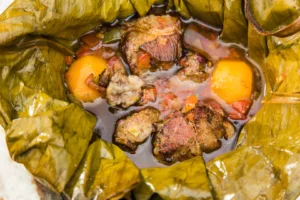
Luwombo is a slow-steamed stew wrapped in banana leaves, infusing a subtle, smoky sweetness. Traditionally tied to Baganda celebrations, it represents a more elaborate style of cooking than everyday meals. Tip: best experienced through a community visit or lodge dining experience prepared the traditional way.
Trying a Freshly Made Rolex

The rolex — a fried egg omelette rolled inside a chapati — is one of Uganda’s most recognisable street foods, especially in Kampala, and remains an everyday meal rather than a tourist novelty. Expect it cooked fresh in minutes at a roadside stall. Tip: watching it made is part of the experience.
Sampling Groundnut Sauce Dishes
Groundnut sauce — ground peanuts simmered into a thick, savoury sauce — appears across multiple regional cuisines, often paired with matooke or rice. Expect a nutty, comforting flavour that varies by region. Tip: a gentle, reliable introduction for travellers cautious about spice.
Experiencing Uganda’s Tropical Fruits
Uganda’s markets reveal genuine agricultural abundance: jackfruit, passion fruit, pineapple, and mango, depending on season. Expect intensely flavoured, tree-ripened fruit. Tip: buying directly from a roadside vendor supports local livelihoods.
Visiting Local Markets
A visit to a Ugandan market — a village market or a larger one such as Owino in Kampala — offers an unfiltered view of how food moves from farm to table. Tip: best done with a local guide who can introduce vendors and explain unfamiliar produce respectfully.
Sharing Tea or Coffee
Uganda is a significant coffee producer, with tea grown in the western highlands. A cup of local coffee or spiced milk tea (chai) is frequently the centrepiece of hospitality and conversation. Tip: a smallholder coffee farm visit, where available, offers insight into the labour behind the cup.
Grilled Meats and Local Favourites
Grilled meats — often goat, chicken, or beef, known regionally as nyama choma — are enjoyed at gatherings and roadside grills, prepared simply over open charcoal. Expect smoky, direct flavour and shared, convivial eating. Tip: grilled meat stalls are a good entry point into informal Ugandan dining.
A Cooking Experience with Local Hosts
A growing number of communities and lodges offer hands-on cooking experiences, preparing matooke, groundnut sauce, or a luwombo parcel alongside local hosts. Cooking knowledge is often passed down orally, making a shared session itself a form of welcome. Tip: approach with curiosity and a willingness to get things wrong.
Discovering Regional Specialities
Beyond these, regional specialities reward curious travellers: simsim (sesame) dishes in the north, dried fish from Lake Victoria’s fishing communities, and millet bread in the south-west. This regional variation, more than any single dish, is the real story of Ugandan food.
What Foods Should Visitors Try in Uganda?
| Visitors to Uganda should try matooke (steamed green bananas), luwombo (a slow-cooked stew steamed in banana leaves), and a freshly made rolex (rolled chapati and egg) from a street vendor. Groundnut sauce dishes, Uganda’s tropical fruits such as jackfruit and passion fruit, and a visit to a local market for fresh produce round out a genuine introduction to the country’s diverse regional food culture. |
Uganda’s Street Food Culture
Street food plays a genuine role in Ugandan urban life, offering affordable, quick meals for workers, students, and families throughout the day. Beyond the well-known rolex, popular street foods include roasted maize sold from charcoal braziers, grilled meat skewers, samosas, chapati, and mandazi — a lightly sweetened fried bread often eaten at breakfast. Street food is not a single dish but an entire layer of daily culture, and reducing it to the rolex alone overlooks how central it is to urban life, particularly in Kampala and Jinja.
Enjoying Street Food Responsibly
- Choose stalls with a steady stream of local customers — a reliable indicator of freshness
- Favour food cooked fresh in front of you rather than left standing
- Carry hand sanitiser, and use it before eating with your hands
- Start with smaller portions if you are unfamiliar with a dish or vendor
- Ask your guide or host for trusted vendor recommendations
Food and Community Tourism
Culinary tourism, approached thoughtfully, can offer genuine economic benefit to the people who grow, cook, and sell Uganda’s food. Community-led cooking experiences and market visits can provide direct income to small-scale farmers, home cooks, and vendors, and some initiatives have helped preserve culinary knowledge that might otherwise fade as younger generations move toward different food habits.
It would be an overstatement to suggest tourism resolves the broader economic challenges facing Ugandan farming communities — it does not. What thoughtful culinary tourism can do is create dignified additional income, encourage the preservation of traditional techniques, and foster cross-cultural respect when approached with genuine curiosity rather than performance.
Tips for Travellers Exploring Ugandan Food
- Communicate dietary needs clearly: Vegetarian, vegan, and allergy requirements can generally be accommodated with advance notice — let your guide or host know early.
- Approach new dishes with curiosity: Most hosts respond warmly to genuine interest, even imperfect attempts to try something unfamiliar.
- Mind hygiene sensibly: Favour freshly cooked food and well-frequented vendors, particularly in your first days.
- Ask questions: Hosts and vendors are frequently glad to explain ingredients and the cultural context of a dish.
- Be specific about preferences: If you have a strong dislike or sensitivity, say so plainly rather than struggling through politely.
- Avoid assuming one dish represents the whole country: Ask where a dish comes from regionally — the answer is often more interesting than the dish itself.
Why Food Experiences Matter Beyond the Plate
A shared meal does something a scenic viewpoint rarely can: it invites conversation and a kind of mutual curiosity between guest and host. Travellers who sit down to a home-cooked meal in Uganda often leave with a story about the person who cooked it — a grandmother’s recipe, a vendor’s explanation of seasonal produce — rather than simply a description of what they ate. These moments tend to foster genuine cultural appreciation rather than a passing impression, often resurfacing months later as a craving, a memory, or a clearer sense of Uganda as a place shaped by real people.
Why Choose Terenga Safaris?
At Terenga Safaris, we view travel as a complete sensory experience — wildlife, landscapes, people, and food, woven together rather than treated as separate categories. Our guides bring genuine local knowledge to every meal, market visit, and cooking experience we arrange, and we work with communities and hosts who welcome thoughtful curiosity. Our role is not to manufacture novelty, but to open doors to experiences already meaningful to the people who live them, with respect for the communities involved.
Conclusion: A Different Kind of Souvenir
Uganda’s wildlife may be what draws most visitors to plan their first trip. Its food, more often than not, is what helps them understand the country and its people more deeply once they arrive. From a steaming plate of matooke to a rolex eaten standing at a roadside stall, these food experiences offer a window into daily life that a game drive alone cannot provide.
| Long after the safari ends, the taste of a shared meal and the stories exchanged around the table often remain among the richest souvenirs travellers carry home. |
If you are planning a Uganda safari and want the flavours of the country woven thoughtfully into your journey, Terenga Safaris is ready to help. Get in touch to discover the meals, markets, and shared moments that make every trip more meaningful