Kibale National Park: Why It’s Called the Primate Capital of the World
June 29, 2026Uganda Safari Etiquette: Essential Do’s and Don’ts for First-Time Visitors.
June 30, 2026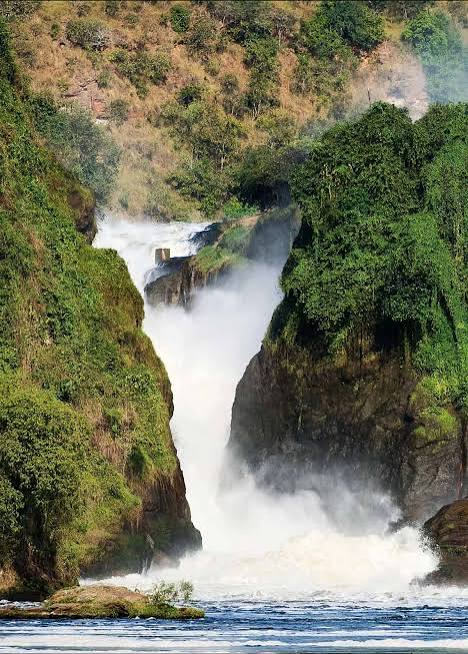
The Best Photography Spots in Uganda: A Complete Guide for Travellers
Uganda is so often introduced through its gorillas and game drives that visitors arrive unprepared for everything else waiting behind the lens. This guide to the best photography spots in Uganda moves well beyond the safari vehicle, taking in thundering waterfalls, mist-wrapped forests, glassy crater lakes, jagged mountains and the everyday rhythms of village life. Whether you are travelling with a professional kit bag or a smartphone, the country rewards patience and curiosity in equal measure. In the sections that follow, we explore ten standout locations, the seasons and hours that suit them best, and the practical know-how that turns a good photograph into a great one.
Why Uganda Is a Photographer’s Paradise
Few countries pack such ecological variety into so compact a footprint. Within a single fortnight, a photographer might move from the open savannah of Kidepo Valley to the dense, dripping understorey of Bwindi, then on to the volcanic crater lakes of the southwest. This diversity gives every image a different mood, light quality and colour palette, so a single trip can yield a genuinely varied portfolio.
Uganda’s equatorial position also means the light behaves generously. Sunrise and sunset arrive at consistent times year-round, giving reliable golden-hour windows for landscape and wildlife work alike. Add in healthy populations of primates, birds and big game, plus a rich tapestry of cultural traditions among communities such as the Batwa, Bakonzo and Karamojong, and there is rarely a shortage of subjects. Increasingly, travellers are also drawn to conservation-led and ethical wildlife photography here, supporting community-run reserves and ranger-led conservancies that put tourism revenue directly back into habitat protection.
The Best Photography Spots in Uganda
Murchison Falls National Park
Uganda’s largest national park is built around the dramatic point where the Nile is forced through a gorge barely seven metres wide before plunging in a churning wall of white water. The surrounding savannah and riverbanks support elephants, giraffes, hippos and prolific birdlife.
What to photograph:
The falls themselves from the viewpoint above and the boat-accessible vantage below, Nile crocodiles and hippos along the river, giraffe and elephant herds on the northern game drives, and the riverboat journey to the base of the falls.
Best season:
The dry seasons (December to February and June to September) offer easier road access and clearer light.
Best time of day:
Early morning game drives for soft light and active wildlife; midday for the boat cruise, when spray from the falls catches the overhead sun.
Recommended photography style:
Wide-angle landscape work at the falls; telephoto lenses for wildlife along the river.
Accessibility:
Requires a Uganda Wildlife Authority park entry permit; reached by road from Kampala (around five hours) or by light aircraft.
Insider tip:
Position yourself on the eastern viewing platform in late afternoon, when the gorge catches warm sidelight and the spray forms a faint rainbow.
Nearby attractions:
Budongo Forest for chimpanzee tracking and Karuma Falls upstream.
Bwindi Impenetrable National Park
A UNESCO World Heritage Site and one of the last strongholds of the mountain gorilla, Bwindi’s tangled, ancient forest is as compelling for its texture and atmosphere as for its famous primates.
What to photograph:
Mountain gorillas during permitted tracking, the layered forest canopy, mist rising through the valleys at dawn, and a remarkable diversity of birds and butterflies.
Best season:
The drier months (June to August and December to February) make for less slippery trekking, though the forest photographs beautifully in any season.
Best time of day:
Early morning before trackers set out, when mist still clings to the hillsides.
Recommended photography style:
Documentary-style wildlife photography with fast prime or telephoto lenses; ambient forest light is low, so a wide aperture helps.
Accessibility:
Gorilla permits are mandatory, limited in number and should be booked well in advance through the Uganda Wildlife Authority.
Insider tip:
Set a higher ISO before entering the forest, since gorilla encounters can be over within minutes and there is rarely time to adjust settings.
Nearby attractions:
Lake Mutanda and the Ivi River Trail for additional landscape opportunities.
Queen Elizabeth National Park
Spanning craters, savannah and the Kazinga Channel, this park is known for tree-climbing lions in the Ishasha sector and some of the densest hippo concentrations in Africa.
What to photograph:
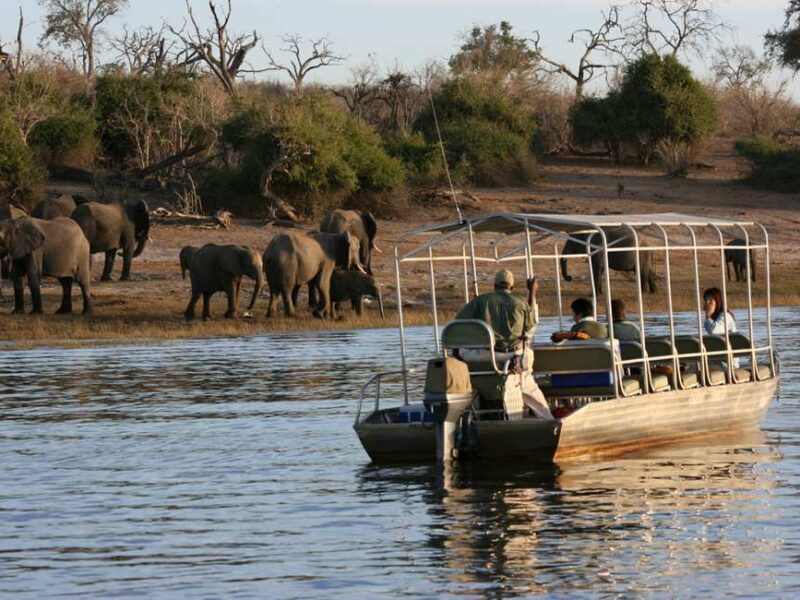
Tree-climbing lions resting in fig trees, hippo pods and elephants along the Kazinga Channel during boat cruises, and the volcanic crater lakes of the Katwe area.
Best season:
The dry seasons offer the best game visibility, though the crater lakes are scenic throughout the year.
Best time of day:
Late afternoon boat cruises on the Kazinga Channel, when wildlife gathers to drink and the light turns golden.
Recommended photography style:
Telephoto for the lions and channel wildlife; wide-angle for the crater lake landscapes.
Accessibility:
Park entry permit required; accessible by road from Kampala or via domestic flights to Kasese or Mweya airstrips.
Insider tip:
Scan the larger fig and sausage trees in Ishasha slowly with binoculars before raising the camera; the lions blend remarkably well into the foliage.
Nearby attractions:
Kyambura Gorge for chimpanzee tracking and the Katwe salt lake community tour.
Kibale National Park
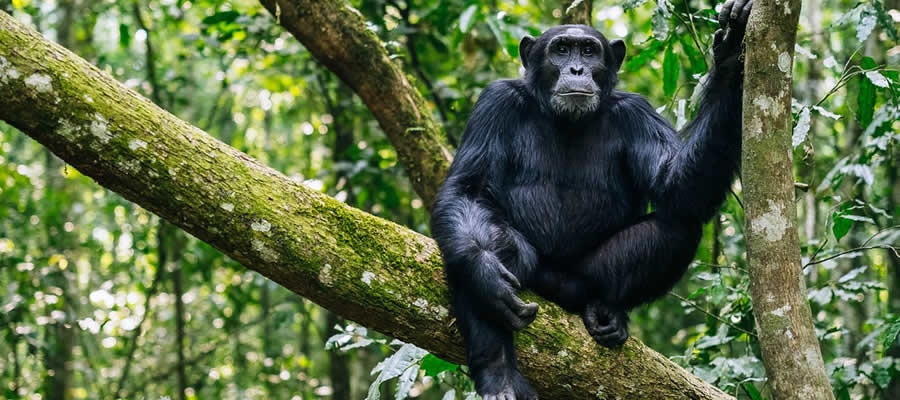
Known as the primate capital of the world, Kibale’s tall rainforest is home to thirteen primate species, including a habituated chimpanzee community.
What to photograph:
Chimpanzees in the forest canopy and undergrowth, red colobus and L’Hoesti’s monkeys, and the surrounding tea plantations near Fort Portal.
Best season:
June to September and December to February for drier trekking conditions.
Best time of day:
Early morning, when chimpanzee groups are most vocal and active near their night nests.
Recommended photography style:
Fast telephoto lenses for canopy primates; image stabilisation helps given the low forest light.
Accessibility:
Permits required for chimpanzee tracking; the park lies a short drive from Fort Portal town.
Insider tip:
Keep both eyes open while shooting handheld in the forest; one on the viewfinder and one tracking the group’s movement, since chimpanzees rarely stay still for long.
Nearby attractions:
Bigodi Wetland Sanctuary and the rolling tea estates around Fort Portal.
Lake Bunyonyi
Ringed by terraced hillsides and dotted with small islands, Bunyonyi is one of the most tranquil and photogenic lakes in the Great Lakes region.
What to photograph:
Dugout canoes on still water, terraced agricultural slopes, reflections at dawn, and the lake’s many islands, each with its own local folklore.
Best season:
Year-round, though the dry seasons offer clearer skies for reflection shots.
Best time of day:
Sunrise, when the lake surface is at its calmest and mist often sits over the water.
Recommended photography style:
Landscape and reflection photography; a polarising filter helps manage glare off the water.
Accessibility:
No park fees apply; reached by road from Kabale town, roughly eight hours from Kampala or combined easily with Bwindi.
Insider tip:
Hire a local canoe guide at first light for a low-angle shot across the water with terraced hills layered behind.
Nearby attractions:
Echuya Forest Reserve and the town of Kabale.
Sipi Falls
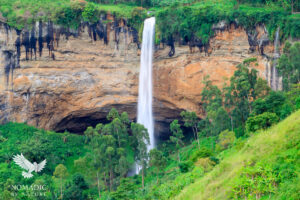
On the lower slopes of Mount Elgon, three waterfalls drop through coffee-growing hillsides, offering some of Uganda’s most accessible long-exposure landscape photography.
What to photograph:
The three cascades from various viewpoints and the base of the main falls, surrounding arabica coffee gardens, and expansive views over the Karamoja plains.
Best season:
Drier months (December to February, June to August) reduce cloud cover over the escarpment.
Best time of day:
Mid-morning to early afternoon, when light reaches into the gorge; late afternoon for views across the plains.
Recommended photography style:
Long-exposure waterfall photography with a tripod and neutral-density filter.
Accessibility:
No permit required; a moderate hike connects the viewpoints, manageable for most fitness levels.
Insider tip:
Use a slow shutter speed of around half a second to soften the falling water without losing all texture.
Nearby attractions:
Mount Elgon National Park and local coffee tours in Sipi village.
Rwenzori Mountains National Park
The ‘Mountains of the Moon‘ offer dramatic Afro-alpine scenery, including glaciers, bogs and otherworldly giant lobelia and groundsel vegetation.
What to photograph:
Snow-capped peaks on clear days, unique high-altitude flora, river valleys and waterfalls on the lower trails.
Best season:
December to February and June to August, when trails are driest and visibility is highest.
Best time of day:
Early morning, before cloud typically builds around the peaks.
Recommended photography style:
Landscape and adventure photography; a weatherproof bag is essential given the changeable conditions.
Accessibility:
A UNESCO World Heritage Site requiring park permits; multi-day treks need a licensed guide and porter team.
Insider tip:
Pack lens cloths and silica packets; condensation from rapid altitude and temperature changes is a constant challenge here.
Nearby attractions:
Kasese town and the Rwenzori foothill villages.
Semuliki National Park
Tucked into the Albertine Rift, Semuliki’s lowland tropical forest and hot springs feel distinctly Central African, with bird species found nowhere else in East Africa.
What to photograph:
The bubbling Sempaya hot springs, dense lowland forest, and rare birds including the Congo serpent eagle and various hornbills.
Best season:
Drier months for easier forest walking, though birding is rewarding throughout the year.
Best time of day:
Early morning for bird activity around the forest edge.
Recommended photography style:
Macro and bird photography; a telephoto lens with fast autofocus is valuable here.
Accessibility:
Park entry permit required; reached via Fort Portal, around two hours further west.
Insider tip:
Visit the hot springs with a wide-angle lens to capture the steam rising against the surrounding forest.
Nearby attractions:
Toro-Semliki Wildlife Reserve and Fort Portal’s crater lakes.
Mabamba Swamp
A papyrus wetland on the shores of Lake Victoria, Mabamba is one of the most reliable places on the continent to photograph the elusive shoebill stork.
What to photograph:
The shoebill stork, African jacanas, pygmy geese, and quiet canoe-eye views across the papyrus channels.
Best season:
Year-round, though early dry season tends to bring slightly better access.
Best time of day:
Early morning, when the swamp is calm and the shoebill is most active before the heat of the day.
Recommended photography style:
Telephoto photography from a low, stable canoe; image stabilisation compensates for gentle water movement.
Accessibility:
No formal park fee, though community guiding fees apply; an easy day trip from Kampala or Entebbe.
Insider tip:
Brief your canoe guide on your photography goals before setting out, since shoebill sightings depend on quiet, patient manoeuvring.
Nearby attractions:
Lake Victoria’s Ssese Islands and Entebbe’s botanical gardens.
Kidepo Valley National Park
Remote and rugged, Kidepo’s wide valleys framed by the Morungole and Napore mountains feel like a different country altogether, with some of Uganda’s most cinematic landscape photography.
What to photograph:
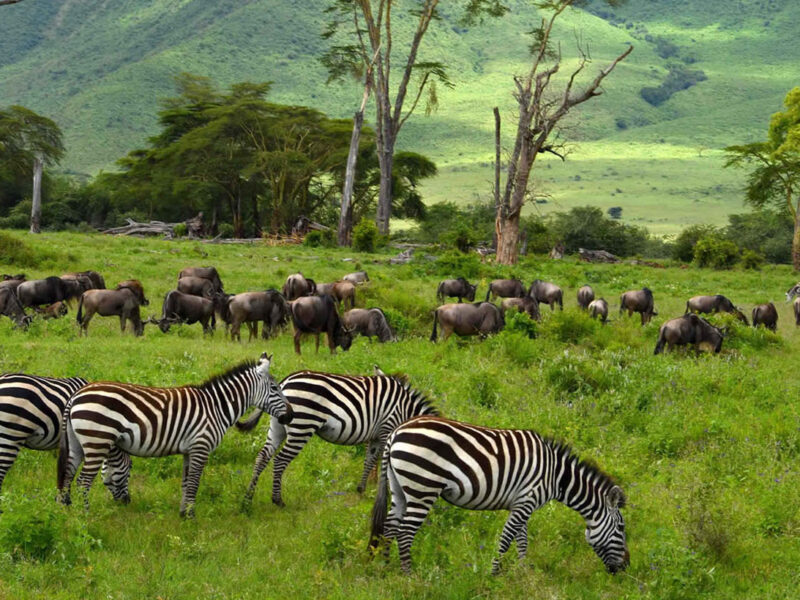
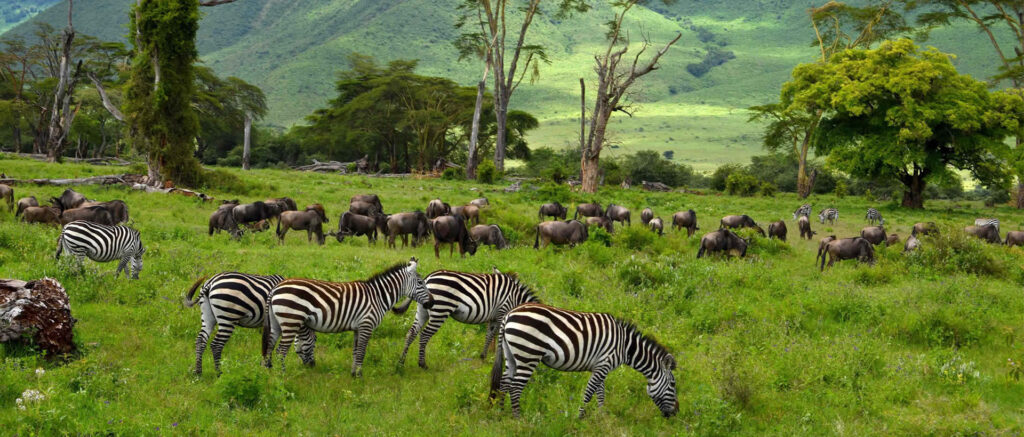
Vast open plains with herds of buffalo and zebra, dramatic mountain backdrops, and visits to Karamojong manyatta homesteads with prior community consent.
Best season:
September to March for game concentration around the valley’s permanent water sources.
Best time of day:
Sunrise and sunset, when long shadows stretch across the valley floor.
Recommended photography style:
Wide-angle landscape and environmental wildlife photography.
Accessibility:
Park entry permit required; most visitors arrive by light aircraft given the long overland distance from Kampala.
Insider tip:
Wait for the last hour of daylight, when the valley’s dust catches the low sun and turns the whole landscape amber.
Nearby attractions:
Karenga and Morungole hiking trails.
Photography Opportunities by Interest
Wildlife:
Queen Elizabeth, Murchison Falls and Kidepo Valley remain the strongest bets for classic safari subjects.
Birds:
Mabamba Swamp, Semuliki and the wetlands fringing Lake Victoria offer some of the richest birding in Africa.
Landscapes:
Sipi Falls, the Rwenzori range and Kidepo Valley deliver the most dramatic terrain.
Waterfalls:
Murchison Falls and Sipi Falls are the headline acts, though smaller cascades dot the western corridor.
Forests:
Bwindi and Kibale combine primate photography with atmospheric, low-light forest imagery.
Night photography:
Remote parks such as Kidepo offer minimal light pollution and good conditions for star trails and Milky Way shots, particularly during the dry season.
Cultural photography:
Always seek permission first; community visits around Kidepo, Bwindi and Lake Bunyonyi offer respectful opportunities to photograph daily life and craft.
Drone considerations:
Drone use in Uganda’s national parks is restricted and generally requires prior authorisation from the Uganda Wildlife Authority and the Civil Aviation Authority. Always confirm current regulations before travelling, and never fly a drone over wildlife, gorilla groups or local communities without explicit permission.
Comparison Table
| Destination | Best Subject | Best Season | Difficulty | Ideal Photographer |
| Murchison Falls | Waterfalls & wildlife | Dec–Feb, Jun–Sep | Easy | All-rounder |
| Bwindi | Mountain gorillas | Jun–Aug, Dec–Feb | Challenging | Wildlife specialist |
| Queen Elizabeth | Tree-climbing lions | Dec–Feb, Jun–Sep | Moderate | Wildlife specialist |
| Kibale | Chimpanzees | Jun–Sep, Dec–Feb | Moderate | Wildlife specialist |
| Lake Bunyonyi | Reflections & landscape | Year-round | Easy | Landscape lover |
| Sipi Falls | Long-exposure waterfalls | Dec–Feb, Jun–Aug | Easy–Moderate | Landscape lover |
| Rwenzori Mountains | Alpine landscapes | Dec–Feb, Jun–Aug | Challenging | Adventure photographer |
| Semuliki | Forest birds | Year-round | Moderate | Birder |
| Mabamba Swamp | Shoebill stork | Year-round | Easy | Birder |
| Kidepo Valley | Wide-open landscapes | Sep–Mar | Moderate | Landscape lover |
Practical Photography Tips for Uganda
- Camera equipment: a mirrorless or DSLR body with a fast burst rate suits wildlife; a sturdy tripod earns its keep at waterfalls and in low forest light.
- Lens recommendations: a telephoto in the 100–400mm range for wildlife and primates; a wide-angle (16–35mm) for landscapes and waterfalls.
- Weather protection: pack rain covers and silica gel, particularly for forest and mountain locations where humidity and condensation are constant companions.
- Ethical wildlife photography: maintain the mandated distance from gorillas and other primates, never use flash with wildlife, and prioritise the animal’s comfort over the shot.
- Respecting local communities: always ask before photographing people, and consider supporting community guides who facilitate genuine cultural exchange.
- Backing up images: carry multiple memory cards and a portable hard drive; power can be unreliable in remote lodges.
- Safari vehicle considerations: a pop-top vehicle gives far better angles for wildlife than a standard saloon car.
- Clothing for photographers: neutral colours, layers for altitude changes in the Rwenzoris, and sturdy boots for forest trekking.
Planning a Photography Safari
Combining parks works well thanks to Uganda’s relatively compact size: a classic route might link Queen Elizabeth, Kibale and Bwindi over ten to fourteen days, while a more adventurous itinerary adds Kidepo Valley by light aircraft. Choosing the right season depends on your priority subject; the two dry seasons generally suit wildlife and trekking, while wetland birding and lake photography hold up well year-round.
Working with experienced guides who understand a photographer’s needs, rather than a standard tourist itinerary, makes a measurable difference to image quality, particularly around timing light and positioning vehicles. Gorilla and chimpanzee tracking both require permits booked in advance, often months ahead during peak season. Where possible, choose accommodation close to your priority photography locations to maximise time during the golden hours rather than time on the road.
Frequently Asked Questions
What is the best place to photograph wildlife in Uganda?
Queen Elizabeth and Murchison Falls National Parks offer the most reliable combination of accessible wildlife and dramatic scenery, though Kidepo Valley rewards those able to make the journey.
Which season offers the best photography conditions?
The dry seasons, roughly December to February and June to September, generally bring clearer skies and easier access, though wetlands and forests photograph well throughout the year.
Can beginners enjoy a photography safari?
Yes. Many of Uganda’s locations, including Sipi Falls and Queen Elizabeth’s boat cruises, are accessible and forgiving for those still learning their equipment.
Is a telephoto lens necessary?
It is highly recommended for wildlife and primates, though landscape-focused itineraries can work well with just a wide-angle lens.
Can drones be used in Uganda’s national parks?
Drone use is restricted and typically requires prior authorisation; always confirm current rules with the relevant authorities before travelling.
Which destinations are best for landscape photography?
Sipi Falls, the Rwenzori Mountains and Kidepo Valley consistently produce the most striking landscape images.
How many days should I allow for a photography-focused itinerary?
Ten to fourteen days allows a comfortable combination of two or three parks without rushing key locations; shorter trips of five to seven days can still cover one or two destinations well.
Do I need permits for gorilla or chimpanzee photography?
Yes, both require permits issued by the Uganda Wildlife Authority, and gorilla permits in particular should be secured well ahead of travel.
Why Choose Terenga Safaris?
Terenga Safaris works with experienced driver-guides who understand the specific needs of photographers, from positioning vehicles for the best light to knowing precisely when wildlife tends to be most active at each location. Itineraries are built around your interests and skill level rather than a fixed template, whether that means extra time at a single waterfall or an efficient multi-park route designed to maximise shooting opportunities.
With deep local knowledge across Uganda and the wider East African region, a commitment to responsible and ethical tourism, and genuine relationships with community guides and conservancies, Terenga Safaris is positioned as a trusted partner for travellers who want their cameras, and their conscience, well looked after.
Conclusion
From the thunder of Murchison Falls to the quiet drift of a canoe through Mabamba’s papyrus, the best photography spots in Uganda offer a remarkable range of subjects, light and atmosphere within a single, compact country. Approach each location with patience, respect for wildlife and communities, and the right gear for the conditions, and the resulting images will speak for themselves. To start planning a customised photography safari tailored to your interests, skill level and travel goals, get in touch with the Terenga Safaris team.
Featured Snippet Table
| Photography Location | Best Subject | Best Time to Visit | Photography Difficulty |
| Murchison Falls | Waterfalls, elephants, giraffes | Dec–Feb, Jun–Sep | Easy |
| Bwindi Impenetrable | Mountain gorillas | Jun–Aug, Dec–Feb | Challenging |
| Queen Elizabeth | Tree-climbing lions, hippos | Dec–Feb, Jun–Sep | Moderate |
| Kibale | Chimpanzees | Jun–Sep, Dec–Feb | Moderate |
| Lake Bunyonyi | Reflections, terraced hills | Year-round | Easy |
| Sipi Falls | Cascading waterfalls | Dec–Feb, Jun–Aug | Easy–Moderate |
| Rwenzori Mountains | Alpine peaks | Dec–Feb, Jun–Aug | Challenging |
| Semuliki | Rainforest birds | Year-round | Moderate |
| Mabamba Swamp | Shoebill stork | Year-round | Easy |
| Kidepo Valley | Open savannah landscapes | Sep–Mar | Moderate |