The Ultimate Uganda Gorilla Trekking Packing List: What to Bring and Why It Matters
June 22, 2026
The 12 Best National Parks in East Africa for an Unforgettable Safari
June 23, 2026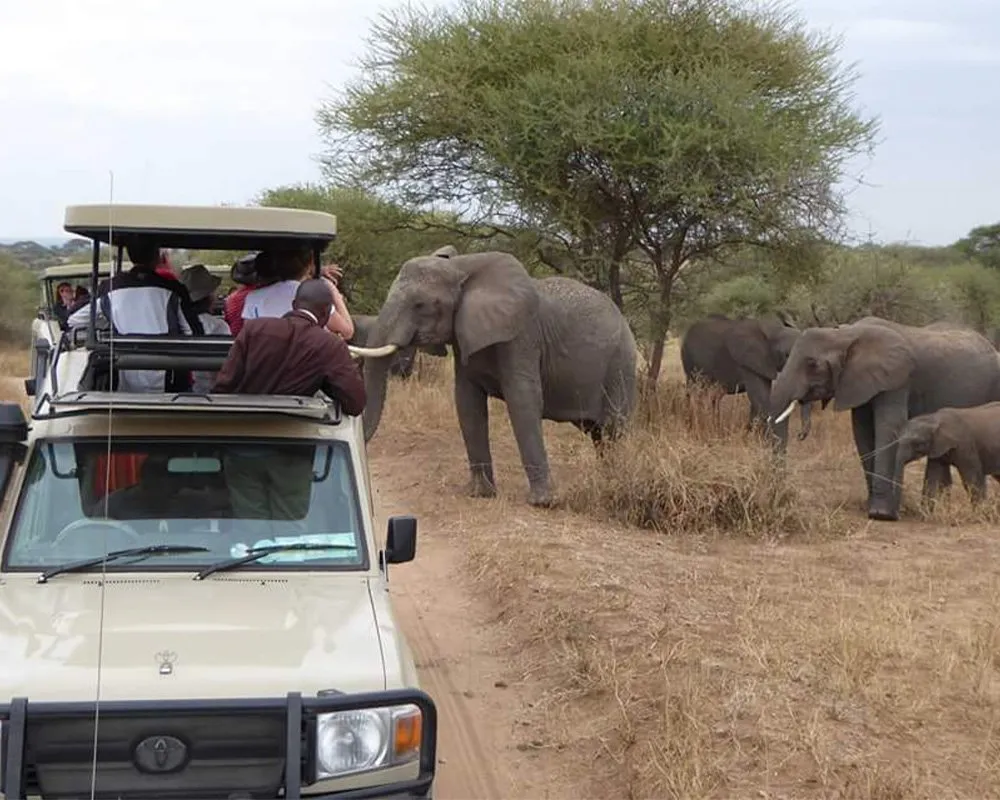
Why East Africa Is the Best Safari Destination: A Complete Guide
Where is the best place to experience an African safari? For thousands of travellers each year, the answer points to East Africa, widely regarded as the best East Africa safari destination thanks to its rare blend of wildlife density, landscape variety, conservation success and cultural depth. Few regions on earth pack so much into a single trip: snow-capped mountains, vast savannahs, primate-filled rainforests and some of the planet’s last great wildlife migrations, all within a few hours’ flight of one another.
This guide explores what makes East Africa stand out, how Uganda, Kenya, Tanzania and Rwanda each contribute their own flavour to the region’s reputation, and how to decide which safari experience suits you best.
What Makes East Africa the Best Safari Destination?
East Africa’s appeal isn’t down to any single attraction. It’s the combination of factors working together.
Geographic diversity sits at the heart of it. Within the region you’ll find the Great Rift Valley, the snowcapped peaks of the Rwenzoris, dense tropical forest, papyrus-lined wetlands and open grassland stretching to the horizon. Few safari regions offer this much contrast in such a compact area.
Exceptional biodiversity follows naturally from that variety of habitat. East Africa is home to over 1,000 bird species, the Big Five, more than half the world’s remaining mountain gorillas, and predator populations that have made parks like the Maasai Mara and Serengeti famous worldwide.
Iconic wildlife moments are almost guaranteed here, whether that’s watching a lion pride at rest in the Serengeti or locking eyes with a silverback gorilla in Uganda’s Bwindi Impenetrable Forest.
Year-round safari opportunities mean there’s rarely a wrong time to visit. Dry seasons bring easier game viewing, while wetter months bring lush scenery, fewer crowds and excellent birdwatching.
Conservation leadership has helped East Africa become a model for sustainable tourism, with national parks, community conservancies and anti-poaching initiatives that have brought species like the mountain gorilla back from the brink.
Accessibility rounds it off. Major international airports in Nairobi, Entebbe, Kigali and Kilimanjaro connect easily to global hubs, and cross-border travel between countries is increasingly straightforward for multi-country itineraries.
Four Countries, Four Unique Safari Experiences
Uganda
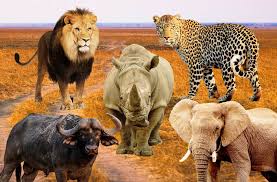
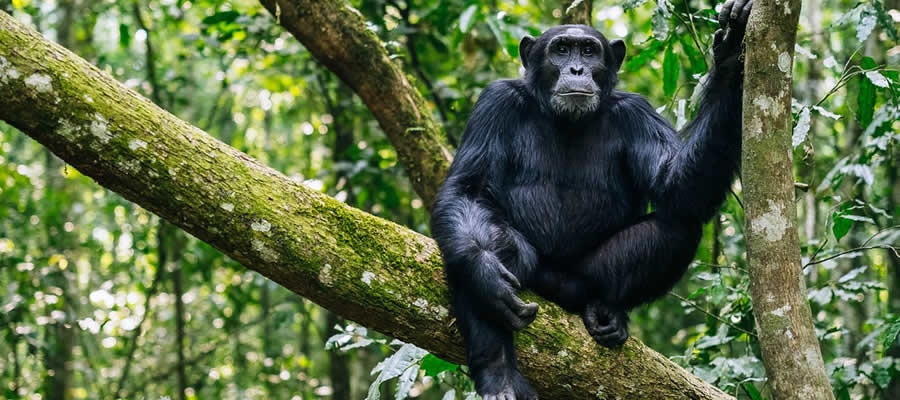
Known as the Pearl of Africa, Uganda is the most biodiverse of the four countries. It’s the leading destination for gorilla trekking, with permits available in Bwindi Impenetrable Forest and Mgahinga Gorilla National Park. Chimpanzee tracking in Kibale Forest adds a second primate experience few other countries can match.
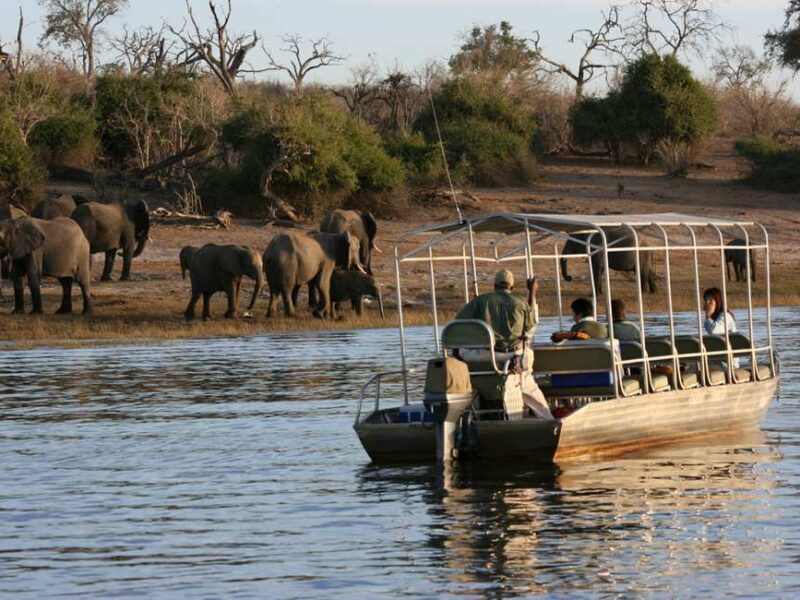
Murchison Falls National Park offers boat safaris beneath the thundering falls, alongside excellent game viewing on land. For birdwatchers, Uganda is something of a holy grail, with the shoebill stork among more than 1,000 recorded species. Community tourism initiatives near Bwindi and Kibale also let visitors meet local communities and contribute directly to conservation.
Kenya
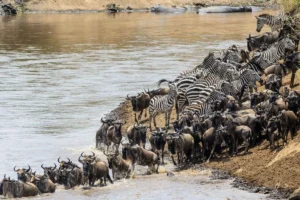
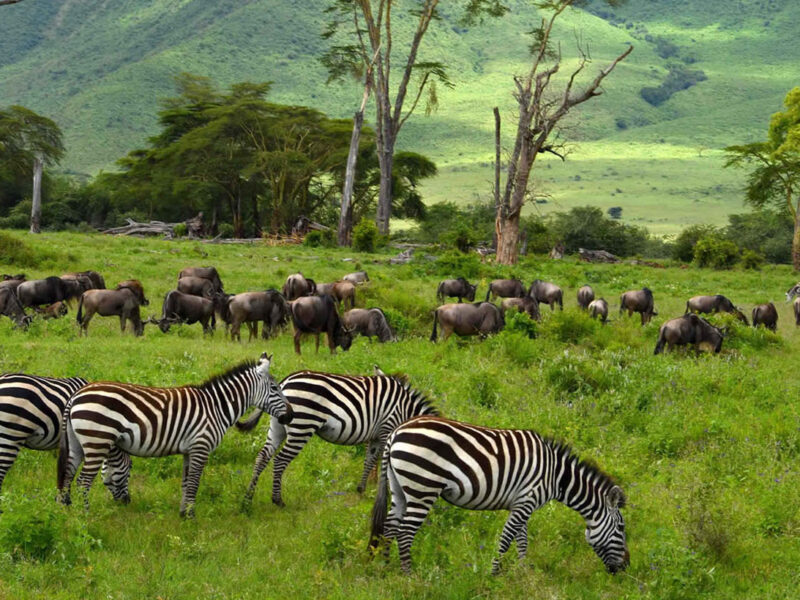
Kenya remains the classic safari image for many travellers, anchored by the Maasai Mara, one of the best places on the continent to see the Big Five. Between July and October, the Mara hosts a leg of the Great Migration, when wildebeest and zebra cross the Mara River in dramatic, predator-watched scenes.
Kenya also has one of Africa’s most developed luxury safari industries, with tented camps and lodges ranging from understated comfort to high-end exclusivity.
Tanzania
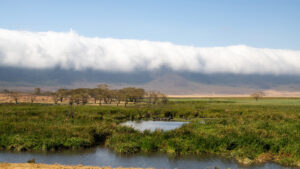
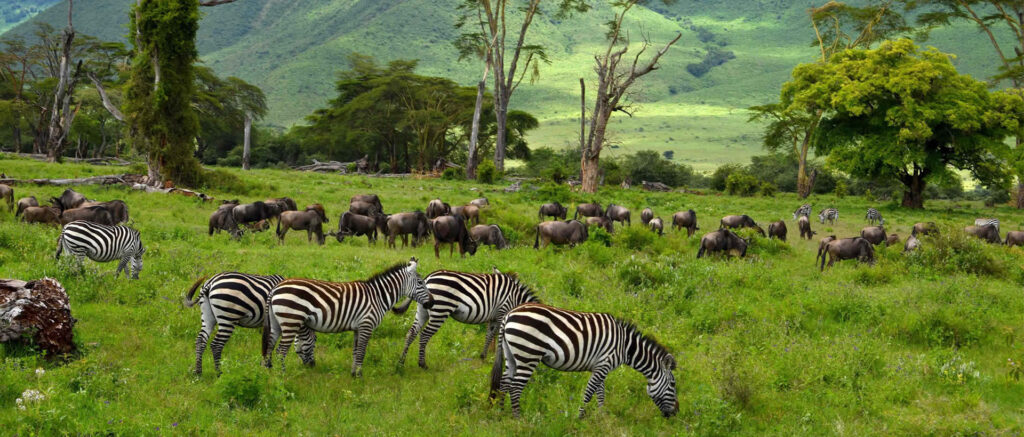
Ngorongoro Conservation Area
Home to the Serengeti, Tanzania offers some of the continent’s most expansive wilderness. The Serengeti hosts the other side of the Great Migration for much of the year, while the Ngorongoro Crater delivers an extraordinarily concentrated wildlife experience in one collapsed volcanic caldera.
Tanzania’s parks tend to be vast and uncrowded, and walking safaris in areas like Ruaha and the southern circuit offer a slower, more immersive way to experience the bush.
Rwanda
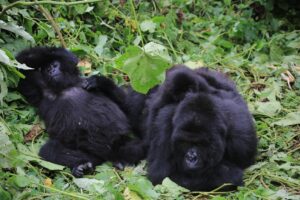
Rwanda has built a reputation for luxury gorilla trekking, with fewer daily permits and a strong focus on low-impact, high-value tourism. Volcanoes National Park is the centrepiece, offering gorilla and golden monkey trekking against a backdrop of volcanic peaks.
Rwanda’s conservation success, particularly its mountain gorilla recovery, is frequently cited as one of Africa’s great conservation stories, and its premium travel experiences attract travellers seeking comfort alongside conservation impact.
Experiences That Make East Africa Stand Out
Beyond the headline attractions, East Africa rewards travellers who explore beyond the obvious:
- Gorilla trekking in Uganda and Rwanda remains one of the most profound wildlife encounters available anywhere.
- The Great Migration between Kenya and Tanzania is a genuine natural spectacle, not a marketing phrase.
- Big Five safaris are achievable across multiple parks, often within a single trip.
- Walking safaris in Tanzania and Uganda offer a grounded, sensory alternative to vehicle-based game drives.
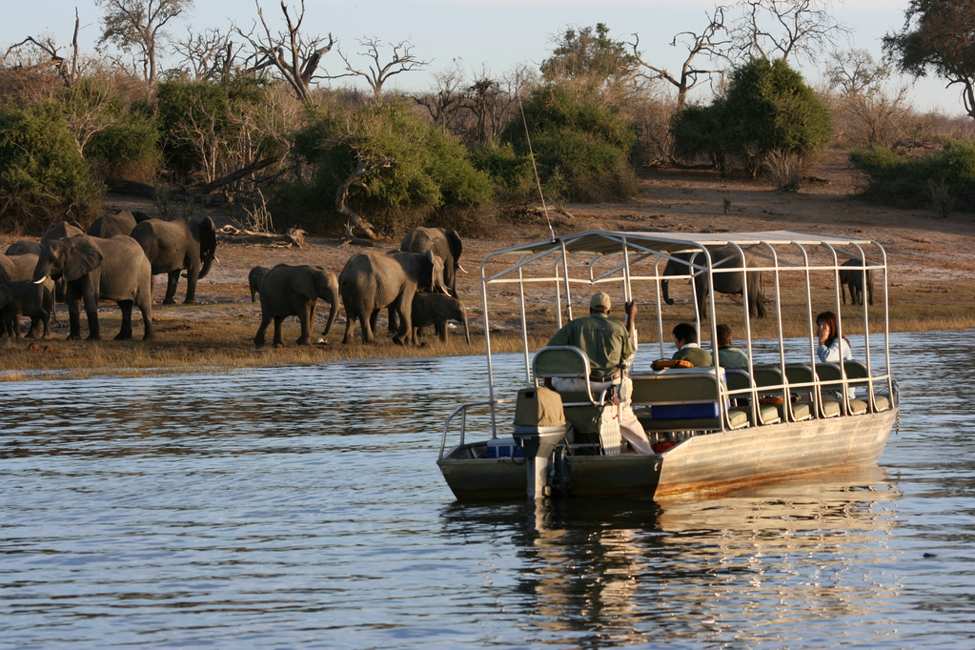
- Boat safaris on the Nile and Lake Mburo bring you close to hippos, crocodiles and water birds.
- Birdwatching across the region rivals anywhere on earth for sheer variety.
- Cultural experiences with Maasai, Batwa and other communities add depth beyond wildlife alone.
- Photography safaris benefit from East Africa’s light, landscapes and sheer density of subjects.
Conservation Is Part of the Journey
Tourism and conservation are closely linked across East Africa. Park fees and gorilla permits fund ranger patrols, anti-poaching units and habitat protection. Community conservancies around the Maasai Mara and Bwindi give local people a direct financial stake in protecting wildlife rather than competing with it for land. Rwanda’s revenue-sharing model, which channels a percentage of tourism income back to communities near national parks, is often held up as a benchmark for responsible tourism elsewhere on the continent.
For travellers, this means a safari booking does more than fund a holiday. Done thoughtfully, it supports the very ecosystems and communities that make the experience possible in the first place.
Which East African Safari Is Right for You?
- First-time visitors often do well starting in Kenya or Tanzania, where wildlife density and well-established infrastructure make for an easier introduction.
- Families may prefer Kenya’s family-friendly lodges or Uganda’s shorter, varied itineraries combining wildlife with cultural visits.
- Honeymooners are well suited to Rwanda’s intimate lodges or Tanzania’s private luxury camps.
- Photographers should consider the Serengeti or Maasai Mara during migration season, or Uganda for primate close-ups.
- Adventure travellers will enjoy Uganda’s combination of trekking, white-water rafting and forest hikes.
- Luxury travellers are well catered for in Rwanda and Kenya’s high-end camps.
- Budget-conscious travellers generally find Uganda and Tanzania’s southern circuit offer strong value relative to Kenya’s more developed (and pricier) northern parks.
Why Is East Africa the Best Safari Destination?
East Africa combines extraordinary biodiversity, dramatic landscapes and strong conservation outcomes within a relatively compact, accessible region. From mountain gorillas in Uganda and Rwanda to the Great Migration across Kenya and Tanzania, few destinations offer this range of wildlife experiences, making it a leading choice for first-time and repeat safari travellers alike.
Frequently Asked Questions
Which East African country is best for safari?
It depends on your priorities. Kenya and Tanzania lead for Big Five and migration viewing, Uganda for primates and birdlife, and Rwanda for premium, low-volume gorilla trekking.
What is the best time to visit East Africa for a safari?
The dry seasons, roughly June to October and January to February, offer the easiest game viewing. The Great Migration river crossings typically peak between July and October.
Is East Africa suitable for first-time travellers?
Yes. Established tourism infrastructure, English-speaking guides and well-developed parks make Kenya, Tanzania, Uganda and Rwanda accessible for first-time visitors.
Can I combine multiple East African countries in one trip?
Yes, cross-border itineraries combining Uganda or Rwanda with Kenya or Tanzania are increasingly common and can be arranged with the right planning.
Which destination offers the Big Five?
Kenya and Tanzania offer the most reliable Big Five sightings, particularly in the Maasai Mara, Serengeti and Ngorongoro Crater.
Where can I see mountain gorillas?
Mountain gorillas can be tracked in Uganda’s Bwindi Impenetrable Forest and Mgahinga Gorilla National Park, and in Rwanda’s Volcanoes National Park.
How much does an East African safari cost?
Costs vary widely depending on country, season and accommodation level, from mid-range lodge safaris to high-end luxury camps. Uganda and Tanzania’s southern circuit tend to offer better value than Kenya’s northern parks or Rwanda’s premium gorilla permits.
Do I need a visa to visit East Africa?
Most visitors require a visa, though Kenya, Tanzania, Rwanda and Uganda offer e-visas, and the East Africa Tourist Visa allows travel between Kenya, Rwanda and Uganda on a single visa.
Why Choose Terenga Safaris?
Terenga Safaris brings deep regional expertise across Uganda, Kenya, Tanzania and Rwanda, built from years of planning and running safaris on the ground. Every itinerary is tailor-made around what matters to you, whether that’s gorilla trekking, the Great Migration or a multi-country combination.
We give honest travel advice rather than one-size-fits-all packages, drawing on experienced guides who know these landscapes and their wildlife intimately. We also handle the complexity of cross-border safari planning, so multi-country trips feel seamless rather than stressful. Throughout, we prioritise responsible tourism that supports the communities and conservation efforts this region depends on.
Conclusion
There’s no single “perfect” safari, and no one country has a monopoly on great wildlife experiences. What makes East Africa the best East Africa safari destination for so many travellers is the sheer diversity on offer: gorillas in the forests of Uganda and Rwanda, the Big Five and Great Migration across Kenya and Tanzania, and conservation efforts that genuinely protect what makes it all possible.
If you’re ready to start planning, get in touch with Terenga Safaris for a personalised itinerary built around the experiences that matter most to you.
Featured Snippet Table
| Experience | Best Country | Why Choose It |
| Gorilla Trekking | Uganda | Largest population of permits and habituated gorilla families, plus lower-cost trekking than Rwanda |
| Great Migration | Kenya & Tanzania | River crossings and predator action across the Mara and Serengeti ecosystem |
| Big Five | Kenya & Tanzania | High wildlife density and well-established game-viewing infrastructure |
| Birdwatching | Uganda | Over 1,000 recorded species, including the shoebill stork |
| Boat Safaris | Uganda | Nile River cruises beneath Murchison Falls and wildlife-rich lake shorelines |
| Cultural Experiences | All Four Countries | Maasai, Batwa and other community-led tourism throughout the region |