Why Authentic Travel Experiences Matter More Than Luxury?
August 30, 2026
Can I Participate in Traditional Cultural Activities on a Safari to East Africa?
August 31, 2026
How Far in Advance Should I Book an East African Safari?
Planning an East African safari is an exciting experience, but one of the most important decisions is knowing when to make your booking. Whether you dream of watching the Great Migration in Kenya and Tanzania, seeing mountain gorillas in Uganda or Rwanda, or exploring famous national parks across the region, booking at the right time can make a significant difference.
So, how far in advance should you book an East African safari?
As a general rule, booking 6 to 12 months in advance is recommended for most travelers. However, if you plan to travel during peak season, experience the Great Migration, trek mountain gorillas, travel with a large group, or stay in a specific luxury safari camp, it is better to book 9 to 18 months in advance.
Travelers who are flexible about their dates, accommodation and destinations may also be able to arrange a safari just a few weeks or months before departure, especially during the low season.
The ideal booking period depends on several factors, including your destination, travel season, accommodation preference, group size and the activities you want to experience.
Why Should You Book an East African Safari Early?
Safari accommodation is different from booking a typical hotel in a city.
Many safari lodges and tented camps are deliberately small. Some have only a few rooms or tents, which creates a more private and intimate experience in the wilderness. However, limited accommodation also means that popular properties can fill up quickly.
Booking early gives you a better chance of securing your preferred travel dates and accommodation. It also makes it easier to arrange domestic flights, private vehicles, experienced guides and special activities.
Early booking is particularly important if you want to:
- Stay inside or close to a popular national park
- Experience the Great Migration
- Go gorilla trekking
- Travel during Christmas or New Year
- Travel during school holidays
- Stay at a specific luxury safari camp
- Travel with a large family or group
- Combine Kenya, Uganda and Tanzania in one itinerary
- Include special activities such as hot-air-balloon safaris
In short, booking early is not only about getting a place on safari. It is about getting the safari experience you actually want.
How Far in Advance Should You Book?
There is no single booking deadline that works for everyone. Your ideal booking period depends largely on when and where you want to travel.
12 to 18 Months Before Travel
Booking 12 to 18 months ahead is recommended if you are planning a highly popular safari during peak travel periods.
This is particularly useful if you want to experience the Great Migration, stay at a specific luxury camp, travel during Christmas and New Year, or visit with a large group.
Popular camps in prime wildlife areas can have limited availability, particularly during the busiest months. Booking early gives you a better chance of securing your first-choice accommodation and itinerary.
This is also a good approach if you already know your exact travel dates and cannot easily change them.
9 to 12 Months Before Travel
For most travelers planning a peak-season safari, 9 to 12 months is an excellent booking window.
At this stage, you should ideally have decided which countries you want to visit, the parks you want to explore and the type of accommodation you prefer.
Booking at this stage gives you enough time to organize your international flights, accommodation, internal flights and other activities without rushing.
It is especially recommended for travelers visiting Kenya or Tanzania during the main dry-season months, when demand for safari accommodation is generally high.
6 to 9 Months Before Travel
Six to nine months before departure is a comfortable planning period for many East African safari holidays.
This can work well if your dates are somewhat flexible and you are not determined to stay at one particular luxury property.
It also gives you sufficient time to plan a combination of safari and other experiences, such as a beach holiday in Zanzibar, cultural experiences or gorilla trekking in Uganda.
3 to 6 Months Before Travel
Travelers visiting during shoulder or lower-demand periods may often be able to book between three and six months before departure.
This can be a good option for people who want a balance between reasonable availability and flexibility.
You may still have several accommodation choices, although some of the most popular camps may already be fully booked.
1 to 3 Months Before Travel
Last-minute safaris are possible, particularly for flexible travelers.
If you are willing to change your dates, accommodation or destinations, a safari can sometimes be arranged only a few weeks before departure.
However, waiting this long means you may have fewer choices. Your preferred lodge could be full, domestic flights may have limited availability, and your preferred itinerary may need to be changed.
Last-minute booking is therefore best suited to travelers who are more interested in having a safari than in following a specific itinerary.
When Should You Book a Great Migration Safari?
The Great Migration is one of the biggest reasons travelers visit East Africa.
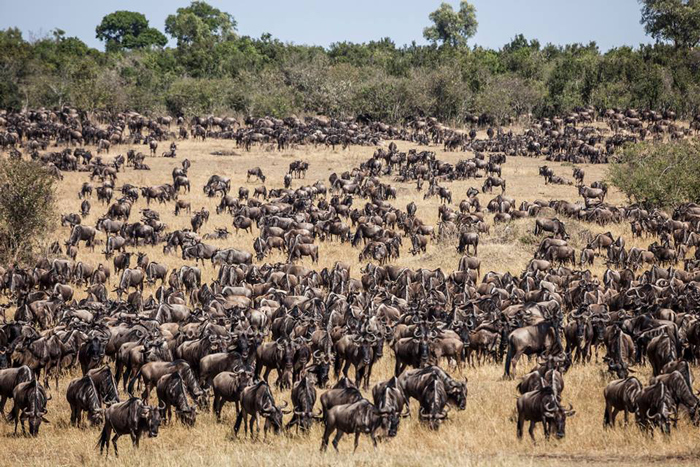
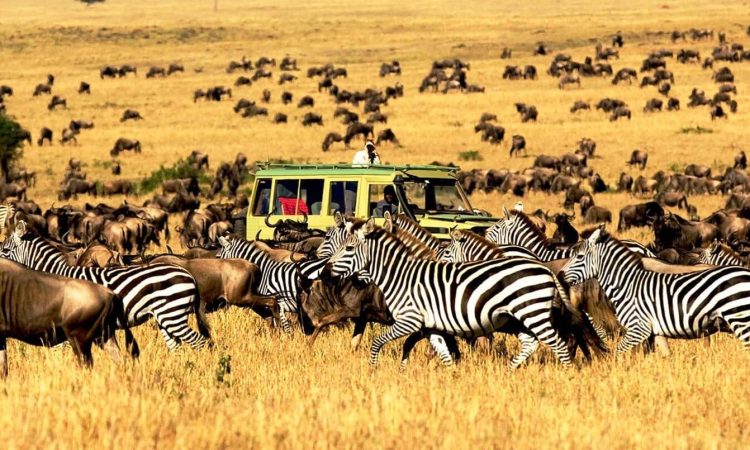
Millions of wildebeest, accompanied by large numbers of zebra and other wildlife, move through the Serengeti ecosystem and into Kenya’s Maasai Mara during their annual cycle.
Because of its popularity, migration safaris should generally be booked well in advance.
If you want to travel during the most popular migration period, particularly between July and October, consider booking 9 to 12 months ahead.
For a specific luxury camp or a highly sought-after location, booking 12 to 18 months ahead is even safer.
It is important to remember that the exact location of the animals changes throughout the year. No safari operator can guarantee that you will see a particular river crossing on a specific day.
If witnessing the migration is your main goal, discuss the timing and location with an experienced safari operator before booking.
How Far in Advance Should You Book Gorilla Trekking?
Gorilla trekking is another East African experience that requires careful planning.
Uganda and Rwanda are among the best-known destinations for mountain gorilla trekking, and trekking is controlled through a limited permit system.
If gorilla trekking is an essential part of your trip, it is wise to organize your permit before finalizing the rest of your itinerary.
A booking window of 6 to 12 months in advance is a sensible target, particularly if you want a specific trekking date or are traveling during a busy period.
Gorilla trekking can also be combined with a wider East African itinerary. For example, you might begin with a safari in Kenya or Tanzania before traveling to Uganda for gorilla trekking.
In such cases, securing the trekking date early can make it much easier to build the rest of the trip around it.
What About Tanzania?
Tanzania is one of East Africa’s most popular safari destinations.
The Serengeti, Ngorongoro Conservation Area, Tarangire National Park and other destinations attract travelers throughout the year.
If you plan to visit Tanzania during the peak dry season, particularly from June to October, booking several months in advance is recommended.
Travelers visiting around Christmas and New Year should also plan early because demand can be particularly high.
If you want to stay in a particular camp or lodge, especially one located inside a popular wildlife area, booking early becomes even more important.
What About Kenya?
Kenya is another major safari destination in East Africa.
The Maasai Mara is particularly popular because of its wildlife and its role in the Great Migration. Other destinations, including Amboseli National Park, Tsavo and Samburu, also attract large numbers of visitors.
For peak-season travel, booking 6 to 12 months ahead is generally a good strategy.
If your trip coincides with the Great Migration or you want a particular luxury camp, consider booking 9 to 18 months ahead.
However, Kenya has safari destinations that can be visited at different times of the year, so travelers with flexible schedules may have more options.
What About Uganda?
Uganda offers a different safari experience from Kenya and Tanzania.
Visitors can combine traditional wildlife safaris with chimpanzee tracking and mountain gorilla trekking. Destinations such as Bwindi Impenetrable National Park, Queen Elizabeth National Park, Murchison Falls National Park and Kibale National Park provide a wide variety of experiences.
For ordinary wildlife safaris, travelers may have reasonable flexibility depending on the season.
However, if gorilla or chimpanzee trekking is part of your itinerary, it is better to arrange the relevant permits well in advance.
A booking period of 6 to 12 months is a useful guideline for travelers who want specific trekking dates.
Does Your Choice of Accommodation Matter?
Yes. Your accommodation choice can significantly affect how early you should book.
Luxury safari camps often have very limited capacity. A camp may have only a small number of tents, meaning that popular dates can sell out quickly.
If you want a specific luxury camp, especially during peak season, booking 9 to 18 months in advance is recommended.
Mid-range lodges may offer more availability, so booking six to nine months ahead can often be sufficient for peak periods.
Budget travelers may have more flexibility, particularly when traveling during the low season. Nevertheless, travelers with fixed dates should still avoid leaving everything until the last minute.
Should Families Book Earlier?
Families should consider booking their safari early.
Family travel often requires specific room arrangements, family tents, connecting rooms or larger accommodation units. These options can be more limited than standard rooms.
School holidays can also coincide with busy tourism periods.
If you are traveling with children, booking 9 to 12 months in advance is a good strategy, particularly if you have fixed dates.
Early planning also gives you more time to select child-friendly lodges and safari activities.
Can I Book an East African Safari at the Last Minute?
Yes, but flexibility is important.
A last-minute safari can sometimes be arranged if operators have available accommodation and vehicles.
However, you should expect fewer choices.
You may need to accept a different lodge, change your travel dates or choose another national park.
Last-minute booking is therefore more suitable for travelers who say:
“I want to go on safari and I’m flexible about where I stay.”
It is less suitable for travelers who say:
“I want to stay at this specific camp, on these exact dates, and see the Great Migration.”
The more specific your requirements are, the earlier you should book.
Is Booking Early More Expensive?
Not necessarily.
Booking early does not automatically mean paying more.
The price of an East African safari depends on factors such as the season, accommodation category, number of travelers, safari duration, destinations and activities.
The biggest advantage of early booking is choice.
You have more opportunities to compare different safari operators, camps and itineraries. You can also avoid having to choose from whatever accommodation remains available.
Travelers who are flexible and willing to travel during quieter seasons may sometimes find attractive offers closer to their departure date.
However, if your dates are fixed, booking early is usually the safer strategy.
What Should You Book First?
Once you know roughly when you want to travel, start with the elements that are hardest to replace.
If you are going gorilla trekking, secure your trekking permit first.
Next, confirm high-demand safari accommodation, particularly if you want a specific camp.
After that, arrange your international flights and domestic connections.
You can then finalize additional activities such as cultural visits, hot-air-balloon safaris or a beach extension.
This approach helps prevent a common problem: booking flights first and later discovering that your preferred safari experience is unavailable on those dates.
What If My Preferred Camp Is Fully Booked?
Don’t immediately cancel your trip.
East Africa has many excellent safari properties, and a good safari operator can often suggest alternatives.
You might be able to stay at another camp in the same wildlife area, adjust your travel dates by a few days or change the order of your destinations.
Sometimes a small change can make a major difference in availability.
For example, moving your trip by two or three days may open up accommodation that was previously unavailable.
Flexibility can therefore be extremely valuable.
A Practical Booking Timeline
If you are planning an East African safari, a simple approach is to begin researching 12 months before your trip.
At this stage, decide which countries and major experiences you want.
Around 9 to 12 months before departure, confirm your dates, safari operator and major accommodation.
At approximately 6 to 9 months, finalize your flights, internal connections and remaining accommodation.
If you are traveling during a quieter season and have flexible dates, you may be able to wait until 3 to 6 months before departure.
Travelers who wait until one to three months before departure should be prepared to accept fewer choices.
So, how far in advance should you book an East African safari?
For most travelers, 6 to 12 months before departure is a good general guideline.
For peak-season travel, the Great Migration, gorilla trekking, luxury safari camps, Christmas and New Year holidays, or large groups, it is better to plan 9 to 18 months in advance.
If you are flexible about dates, accommodation and destinations, a shorter booking window may still work, particularly during the low season.
The key is to remember that early booking is not simply about securing a place on safari. It gives you more choice, greater flexibility and a better chance of creating the itinerary you really want.
An East African safari can be a once-in-a-lifetime experience. Taking the time to plan and book it properly can help ensure that the trip is memorable for all the right reasons.