What Is Included in a Safari Package?
September 3, 2026
Where Can I See Rare Wildlife in Uganda?
September 4, 2026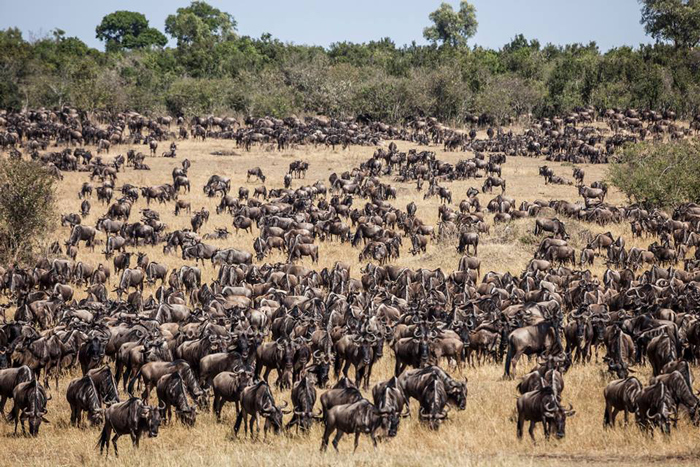
What Is the Best Time to Visit Kenya?
Kenya is one of Africa’s most incredible travel destinations, offering spectacular wildlife, beautiful landscapes, vibrant cultures, mountains, and stunning beaches. From the famous Maasai Mara to the white sands of the Kenyan coast, there is something for every type of traveler.
But if you’re planning a trip to Kenya, one important question is:
What is the best time to visit Kenya?
The answer depends on what you want to experience. Kenya is a year-round destination, but different seasons offer different advantages for wildlife viewing, photography, beach holidays, and exploring the country’s diverse landscapes.
The Best Overall Time to Visit Kenya
For a classic safari experience, the dry seasons from July to October and January to March are generally among the best times to visit Kenya.
During these months, rainfall is generally lower, making it easier to explore national parks and wildlife reserves. Animals can also be easier to spot because vegetation is less dense and wildlife often gathers around available water sources.
However, every season has something special to offer. The best time for your trip ultimately depends on your interests and the type of experience you are looking for.
Visiting Kenya from January to March
January to March is one of Kenya’s main dry periods and is an excellent time for a safari.
The weather is generally warm and dry, providing favorable conditions for game drives, photography, hiking, and other outdoor activities.
This period is particularly good for travelers who want to enjoy wildlife without necessarily traveling during the peak Great Migration season.
You can expect good opportunities to see animals such as elephants, lions, giraffes, zebras, buffaloes, hippos, and many species of birds.
It is also an excellent time to visit Kenya’s coastline. If you want to combine a safari with a relaxing beach holiday, January to March can be a fantastic choice.
Imagine spending a few days watching wildlife in the Maasai Mara or Amboseli and then finishing your holiday relaxing beside the warm waters of the Indian Ocean.
Visiting Kenya from April to June
April to June is generally considered part of Kenya’s long rainy season.
While this period may not be the first choice for travelers looking for guaranteed dry weather, it can still be a rewarding time to visit.
The rains transform the landscape into lush green scenery, creating beautiful conditions for photography. Some destinations can also be quieter compared with the busy dry-season months.
Traveling during this period may be particularly appealing to visitors who prefer fewer crowds and are willing to accept occasional rain.
The rain can also bring a fresh burst of life to the landscape, with green vegetation and young animals adding to the beauty of the safari experience.
However, some roads can become more challenging during heavy rains, so choosing an experienced safari company and a suitable safari vehicle is important.
Visiting Kenya from July to October
For many travelers, July to October is the most exciting time to visit Kenya.
This is the dry season and is one of the most popular periods for wildlife safaris.
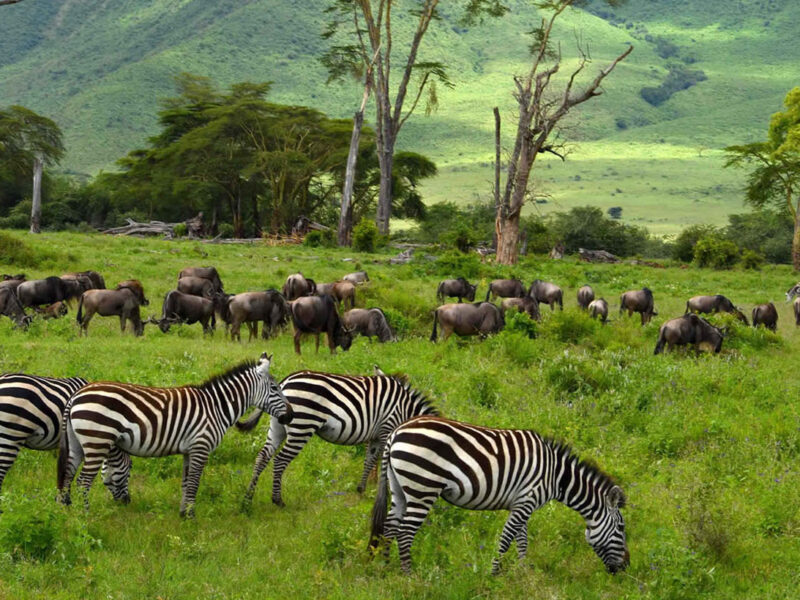
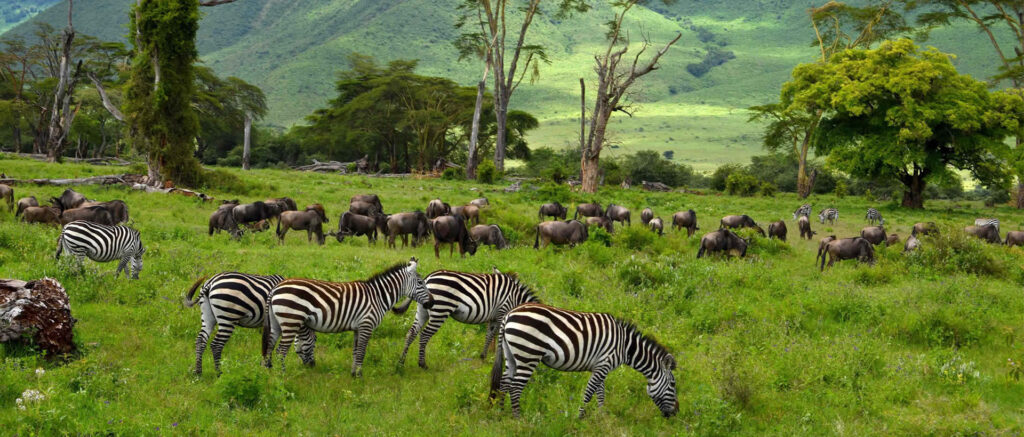
The Maasai Mara is particularly famous during this time because it can coincide with the movement of huge herds of wildebeest and zebras as part of the Great Migration.
The Great Migration is one of Africa’s most spectacular natural events. Large numbers of animals move through the Serengeti-Mara ecosystem in search of fresh grass and water.
Although July to October is widely regarded as a prime period for experiencing the migration in Kenya, the exact timing depends on rainfall and natural conditions. Wildlife does not follow a fixed calendar, so sightings and river crossings cannot be guaranteed on specific dates.
If experiencing the migration is your dream, it is best to plan ahead and allow enough time in the Maasai Mara.
Visiting Kenya from November to December
November usually brings Kenya’s short rainy season, while December can transition toward another relatively dry period.
These months can be a great option for travelers who want beautiful green landscapes and potentially fewer crowds.
The rains bring fresh vegetation to the parks and reserves, creating attractive scenery for photography.
December is also a popular period for combining a safari with a beach holiday. You could explore Kenya’s wildlife destinations before heading to the coast for a relaxing end to your trip.
What Is the Best Time for a Kenya Safari?
If your main goal is wildlife viewing, January to March and July to October are excellent periods to consider.
The dry conditions during these months can make wildlife easier to spot and provide comfortable conditions for long game drives.
However, don’t assume that a safari during the rainy season will be disappointing. Kenya’s parks are open throughout the year, and every season can provide unique wildlife experiences.
Sometimes, the unexpected moments become the most memorable part of a safari.
What Is the Best Time to See the Great Migration?
If you want to experience the Great Migration in Kenya, July to October is generally the most popular period to plan your trip.
During this time, large herds of wildebeest and zebras may move through the Maasai Mara, creating extraordinary opportunities for wildlife viewing.
One of the most famous moments is a river crossing, where large numbers of animals attempt to cross rivers while facing strong currents and predators.
However, river crossings are unpredictable. They depend on weather, water levels, and the natural movement of the animals.
A responsible safari company will never promise a guaranteed river crossing on a particular day.
What Is the Best Time to Visit the Kenyan Coast?
Kenya’s coast offers a completely different experience from a traditional safari.
Destinations such as Diani Beach, Mombasa, Watamu, and Malindi are popular with travelers looking for sunshine, beautiful beaches, marine activities, and coastal culture.
For generally favorable beach conditions, December to March is an excellent period to consider.
You can combine a wildlife safari with several days on the coast, giving you the opportunity to experience both Kenya’s incredible wilderness and the beauty of the Indian Ocean.
Is Kenya Worth Visiting During the Rainy Season?
Yes!
Rain should not automatically discourage you from visiting Kenya.
The rainy seasons can create spectacular green landscapes and dramatic skies, which are excellent for photography. Some travelers also enjoy the quieter atmosphere during these months.
The landscape can look completely different compared with the dry season, making the experience feel fresh and unique.
However, heavy rainfall can occasionally affect road conditions, so it is important to work with a safari operator that understands the destination and can adapt the itinerary when necessary.
When Is Kenya Most Crowded?
Kenya’s busiest safari periods generally coincide with the dry seasons, particularly July to October.
The Great Migration is one of the reasons these months attract many international visitors.
If you prefer a quieter experience, consider traveling during the shoulder or rainy seasons.
Traveling outside peak season can sometimes mean fewer visitors at certain destinations and a more peaceful safari atmosphere.
What Should You Pack for a Kenya Safari?
Your packing list will depend on the season and the destinations you plan to visit.
For a safari, it is useful to pack lightweight and comfortable clothing, long trousers, shirts, a warm layer for cool mornings, comfortable shoes, a hat, sunglasses, sunscreen, insect repellent, binoculars, and a camera.
If you’re traveling during the rainy season, bring a lightweight rain jacket.
It is also a good idea to dress in neutral or natural colors while on safari and to bring a reusable water bottle.
Why Choose the Right Season for Your Safari?
Choosing the right time to visit Kenya can make a big difference to your overall experience.
The season can influence:
- Wildlife visibility
- Weather conditions
- Road conditions
- Number of tourists
- Photography opportunities
- Accommodation availability
- Safari prices
- Beach conditions
This is why it is important to consider more than just the weather when planning your trip.
A good safari operator can help you choose the destination and travel period that best matches your expectations.
Final Thoughts
So, what is the best time to visit Kenya?
If you are looking for a classic wildlife safari, **July to October** is an excellent choice, particularly if you hope to experience the Great Migration.
If you prefer dry weather and excellent wildlife viewing outside the migration period, January to March is another fantastic option.
For travelers who don’t mind rain and want lush scenery, fewer crowds, and potentially better value, the rainy seasons can also provide an unforgettable experience.
Ultimately, there is no single “perfect” time to visit Kenya. The best time depends on what you want to see, what you want to do, and the kind of experience you want to have.
At Terenga Safaris, we help travelers plan unforgettable experiences across Kenya and East Africa. From thrilling wildlife safaris to cultural adventures and relaxing beach escapes, we’ll help you choose the right itinerary and season for your journey.
Your Kenyan adventure is waiting.
#TerengaSafaris #KenyaSafari #VisitKenya #KenyaTravel #AfricanSafari #GreatMigration #MaasaiMara #SafariAdventure #ExploreKenya #EastAfrica #TravelAfrica