Gorilla Trekking Difficulty
July 27, 2026
What Birds Can I See in East Africa?
July 27, 2026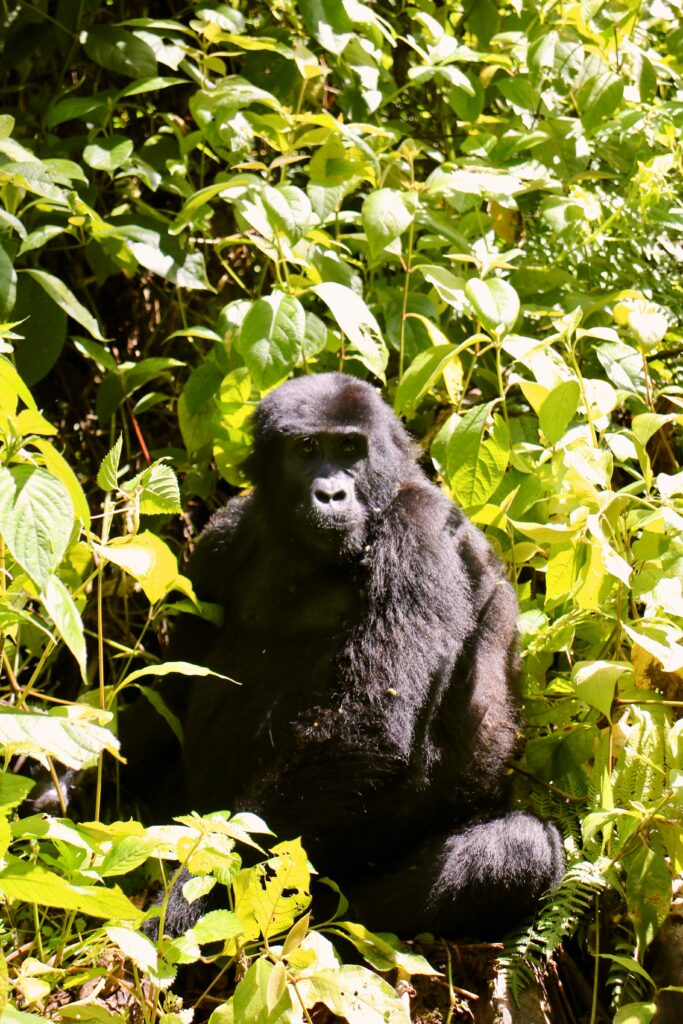
How difficult is gorilla trekking?
The honest answer is that gorilla trekking can be physically demanding, but the level of difficulty varies greatly from one trek to another. Some visitors find their assigned gorilla family within an hour of leaving the trailhead, while others hike for several hours through steep hills, muddy paths, and thick vegetation before reaching the gorillas. Fortunately, most people with a reasonable level of fitness can successfully complete the trek with the support of experienced guides and porters.
Understanding what to expect can help you prepare both physically and mentally, ensuring that your gorilla trekking adventure is as enjoyable as it is rewarding.
Why Gorilla Trekking Can Be Challenging
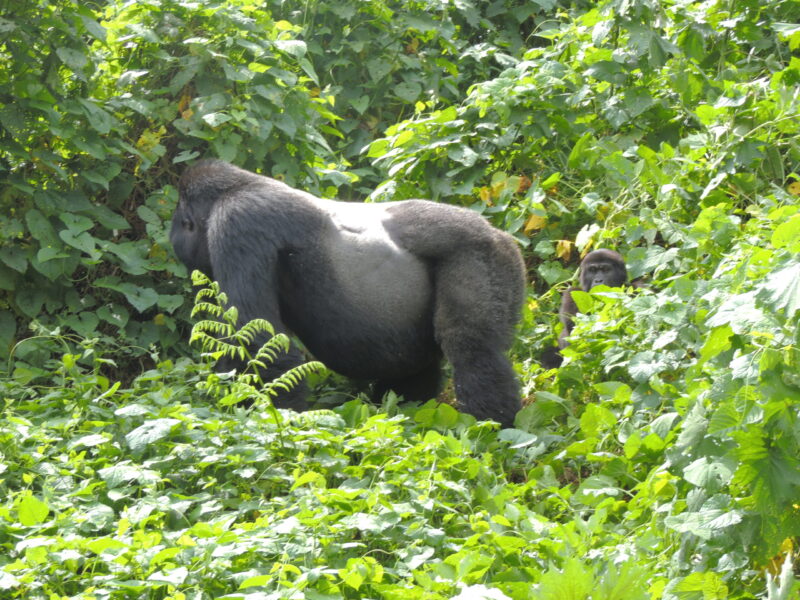
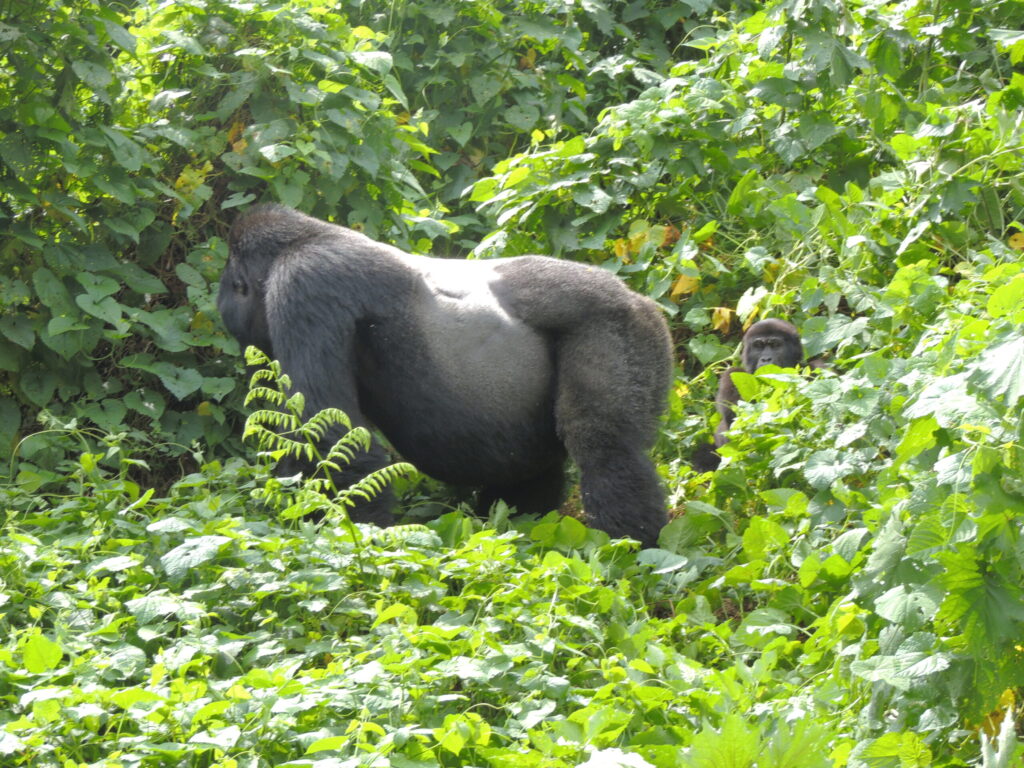
Mountain gorillas live in remote tropical forests characterized by rugged terrain, dense vegetation, and changing weather conditions. Unlike animals in open savannahs, gorillas roam freely through forests, moving to different feeding and nesting areas each day. Park rangers locate the gorilla families early each morning before visitors begin their trek.
Because the gorillas’ location changes daily, there is no fixed hiking route. Trekkers follow experienced guides through forests, bamboo zones, vines, streams, and hills until they reach the assigned gorilla family.
The difficulty of the trek depends on several factors, including the distance the gorillas have traveled, the terrain, weather conditions, and your own fitness level.
How Long Does Gorilla Trekking Take?
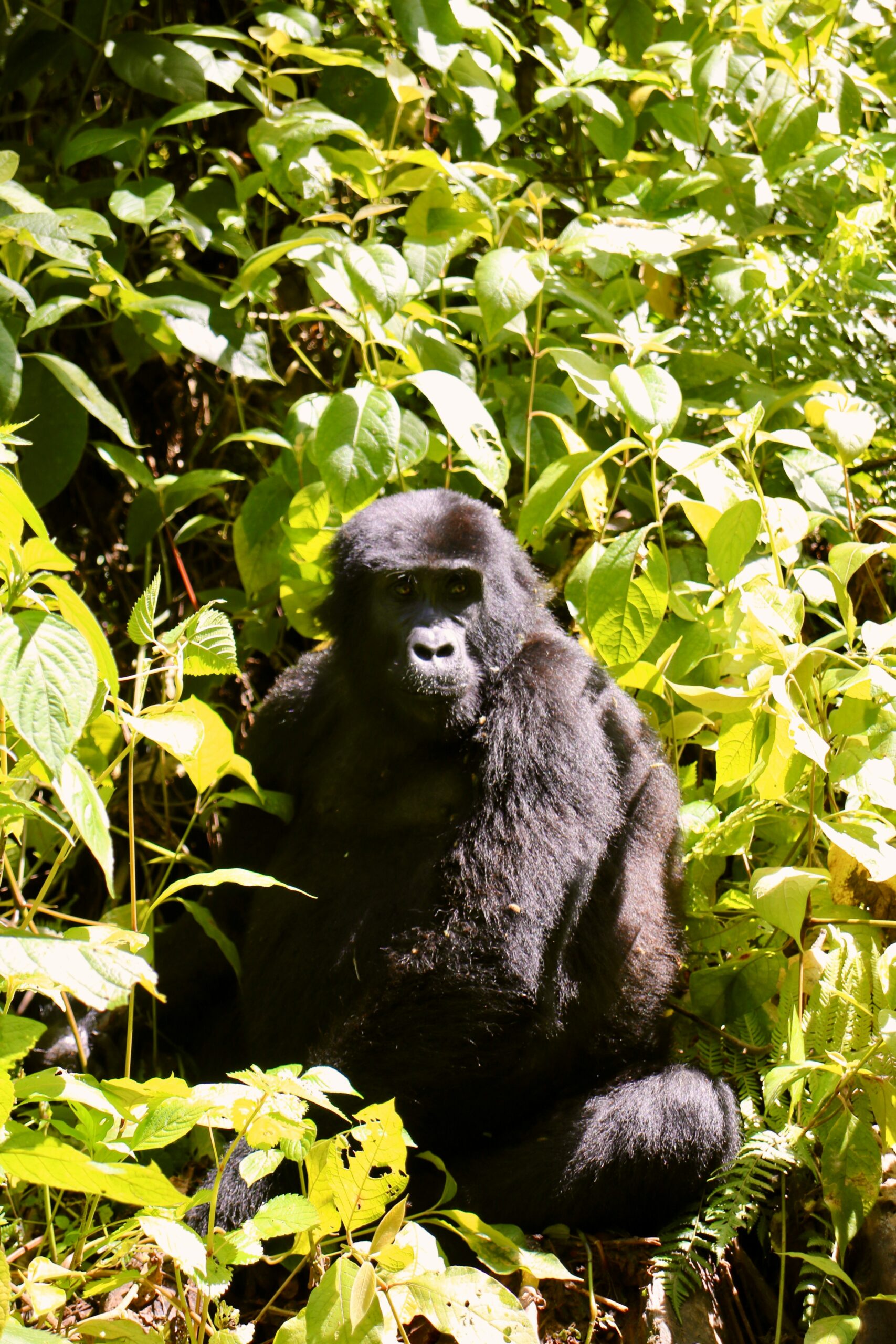
Gorilla trekking
One of the biggest misconceptions about gorilla trekking is that it involves a set hiking duration. In reality, every trek is different.
Some groups reach the gorillas within 30 minutes to one hour after entering the forest, particularly if the gorillas are feeding close to the park boundary. Others may spend four to six hours hiking before making contact. In rare cases, the trek can last even longer.
Once the gorillas are located, visitors are allowed to spend a maximum of one hour observing and photographing them. This strict time limit helps minimize stress on the animals while allowing everyone a chance to enjoy the experience.
Although the search can be physically demanding, most trekkers agree that the unforgettable hour spent with the gorillas makes every step worthwhile.
What Makes the Trek Physically Demanding?
Several factors contribute to the physical challenge of gorilla trekking.
Steep Slopes
Many gorilla families live on mountainous terrain with steep ascents and descents. Walking uphill for extended periods can be tiring, especially for visitors who are not accustomed to hiking.
Dense Vegetation
The forests are thick with bamboo, vines, shrubs, and undergrowth. Guides sometimes use machetes to clear narrow paths, and trekkers may need to step over roots or duck beneath branches.
Muddy Trails
Rain is common throughout the year in gorilla habitats, making trails muddy and slippery. Waterproof hiking boots with good grip are essential for maintaining balance on uneven terrain.
High altittude
Most gorilla trekking takes place at elevations between 2,200 and 2,600 meters (approximately 7,200 to 8,500 feet) above sea level. Visitors who are not used to higher altitudes may become short of breath more quickly, even on moderate climbs.
Unpredictable Weather
Weather conditions can change rapidly in tropical forests. Sunshine may quickly give way to rain, making trails more challenging. Dressing in layers and carrying waterproof clothing helps you stay comfortable throughout the trek.
Do You Need to Be Extremely Fit?
One of the most reassuring facts about gorilla trekking is that you do not need to be an athlete.
Many participants are in their 50s, 60s, and even 70s. As long as you have average mobility and can comfortably walk for several hours with occasional climbs, you can usually complete the trek successfully.
Park authorities assign gorilla groups based partly on visitors’ fitness levels. Those who prefer shorter hikes or have mobility concerns are often allocated gorilla families known to stay closer to the trailhead whenever possible. While this cannot be guaranteed, guides do their best to match trekking groups appropriately.
Can Beginners Complete Gorilla Trekking?
Absolutely.
Many visitors have little or no previous hiking experience. The pace during gorilla trekking is generally slow, with frequent stops to rest, drink water, and listen to the guide’s explanations.
The trek is not a race. Guides understand that participants have different fitness levels and ensure that everyone progresses at a comfortable pace.
If you regularly take walks, enjoy light outdoor activities, or exercise occasionally, you are likely capable of completing the trek.
The Importance of Hiring a Porter
One of the best decisions you can make is to hire a porter.
For a modest fee, a porter carries your backpack, camera equipment, and drinking water, allowing you to focus on walking comfortably. They also provide a helping hand on steep or slippery sections of the trail, making the hike much easier and safer.
Hiring a porter also supports local communities by providing employment and income to people living near the national parks. Many porters are former poachers who now earn sustainable livelihoods through tourism, making your contribution beneficial to both conservation and community development.
How to Prepare for Gorilla Trekking
Preparing before your trip can make a significant difference.
Several weeks before your safari, begin walking regularly to improve your stamina. If possible, include hills or stairs in your routine to strengthen your legs and improve cardiovascular fitness.
Simple exercises such as cycling, swimming, or light jogging can also help increase endurance.
On the day of the trek, eat a nutritious breakfast, stay hydrated, and pace yourself throughout the hike. There is no need to rush—the goal is to enjoy the journey as much as the destination.
What Should You Wear?
Wearing the right clothing greatly improves comfort during the trek.
Recommended clothing includes:
- Waterproof hiking boots with good ankle support
- Long-sleeved shirt
- Long trousers
- Waterproof rain jacket
- Gardening or hiking gloves for gripping vegetation
- Thick hiking socks
- Wide-brimmed hat or cap
- Gaiters (optional but useful in muddy conditions)
Neutral-colored clothing such as green, brown, or khaki is recommended because it blends naturally into the forest environment.
What Should You Bring?
Packing wisely helps you stay comfortable throughout the day.
Essential items include:
- Drinking water
- Packed lunch or snacks
- Sunscreen
- Insect repellent
- Camera (without flash)
- Extra camera batteries
- Personal medications
- Waterproof backpack
- Rain cover for your bag
- Walking stick (usually provided by the park)
These items will help you remain prepared regardless of changing weather or trekking conditions.
Which Country Offers the Easiest Gorilla Trekking?
Gorilla trekking is available in Uganda, Rwanda, and the Democratic Republic of the Congo, but the experience varies slightly between destinations.
Rwanda’s Volcanoes National Park is often considered the least physically demanding because the park is relatively accessible and some gorilla families are found closer to the park entrance. However, steep slopes are still common.
Uganda’s Bwindi Impenetrable National Park offers a wider range of trekking experiences. Some gorilla families require relatively short hikes, while others involve longer and more strenuous walks through rugged terrain. Uganda’s Mgahinga Gorilla National Park also provides rewarding treks, often in beautiful volcanic landscapes.
The Democratic Republic of the Congo offers exceptional trekking experiences in Virunga National Park when tourism operations are open, though travel conditions and security considerations should always be carefully assessed before planning a visit.
Is Gorilla Trekking Worth the Effort?
Without question, yes.
Standing just a few meters away from a family of wild mountain gorillas is an experience unlike any other. Watching infants play, mothers care for their young, and the powerful silverback calmly oversee the group creates memories that remain with visitors for a lifetime.
Many travelers describe the physical effort as a small price to pay for one of the world’s greatest wildlife encounters.
The trek itself also becomes part of the adventure, allowing visitors to experience pristine forests, breathtaking scenery, and the incredible biodiversity that makes East Africa one of the world’s premier ecotourism destinations.
Plan Your Gorilla Trekking Adventure with Terenga Safaris
If you’re ready to experience the magic of mountain gorillas, Terenga Safaris can help you plan an unforgettable journey. Specializing in tailor-made safaris across Uganda and East Africa, Terenga Safaris arranges gorilla permits, comfortable accommodations, expert guides, and seamless transportation to ensure a stress-free adventure. Whether you choose the misty forests of Bwindi Impenetrable National Park or the scenic landscapes of Mgahinga Gorilla National Park, their experienced team will help you prepare for a safe, comfortable, and memorable trekking experience.
So, how difficult is gorilla trekking? The answer depends on the location of the gorilla family, the terrain, weather conditions, and your personal fitness level. While the hike can sometimes be challenging, it is achievable for most travelers who are reasonably active and well prepared.
With experienced guides leading the way, the option of hiring a porter, and proper clothing and footwear, visitors of various ages and fitness levels successfully complete gorilla treks every day. More importantly, the reward at the end of the journey—spending an unforgettable hour with one of the world’s most endangered and fascinating animals—is an experience that far outweighs the physical effort required.