
The Future of Safari Experiences. How Uganda and East Africa Are Shaping the Next Generation of Wildlife Travel
June 17, 2026
How Social Media Is Reshaping Travel Decisions
June 18, 2026
Can You Drive Yourself on a Safari? A Complete Guide to Self-Drive Safaris in Africa
For many travelers, an African safari represents the ultimate adventure. While guided safaris led by experienced drivers and wildlife experts remain the most popular option, self-drive safaris are becoming increasingly attractive to independent travelers looking for flexibility, freedom, and a deeper sense of exploration.
A common question among adventurous visitors is: Can I drive myself on a safari?
The answer is yes. Many African countries allow visitors to explore national parks and wildlife reserves using their own rental vehicles. Destinations such as Uganda, Kenya, Tanzania, Namibia, Botswana, and South Africa offer self-drive safari opportunities that allow travelers to experience Africa’s wilderness at their own pace.
However, a self-drive safari is not for everyone. It requires preparation, confidence, and an understanding of the unique challenges that come with navigating wildlife areas independently. Before deciding whether to embark on a self-drive adventure, it is important to understand what to expect.
What Is a Self-Drive Safari?
A self-drive safari is exactly what it sounds like: a safari where you rent a vehicle, typically a four-wheel-drive (4×4), and explore wildlife destinations without a professional safari guide accompanying you.
Rather than following a fixed itinerary, you have complete control over your journey. You decide:
- Which parks to visit
- How long to stay in each location
- When to start and end your game drives
- Which routes and attractions to explore
For many travelers, this freedom is one of the biggest attractions of a self-drive safari.
Where Can You Go on a Self-Drive Safari?
Uganda
Uganda has become a popular destination for self-drive adventures, thanks to its diverse landscapes and excellent wildlife experiences. Visitors commonly explore:
- Murchison Falls National Park
- Queen Elizabeth National Park
- Lake Mburo National Park
- Kidepo Valley National Park
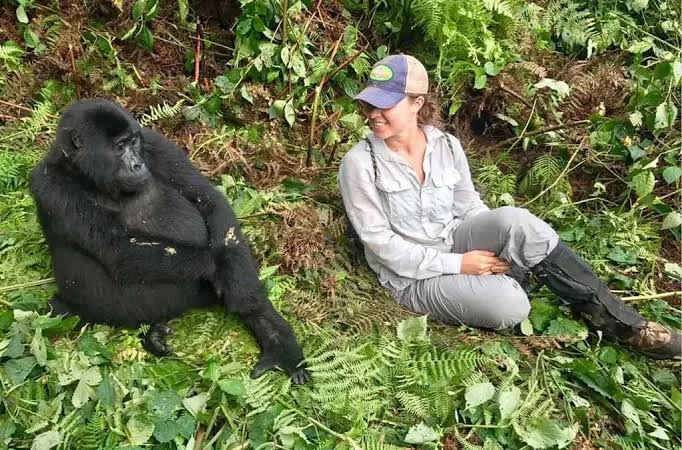
Many travelers also drive to Bwindi Impenetrable National Park and Mgahinga Gorilla National Park for gorilla trekking experiences. While the roads to some destinations can be challenging, particularly during the rainy seasons, self-driving remains a practical option for experienced travelers.
Kenya
Kenya offers several excellent self-drive safari destinations. National parks such as Amboseli, Tsavo East, Tsavo West, and Lake Nakuru are suitable for independent exploration.
However, destinations like the Masai Mara can be more difficult to navigate, and many visitors prefer hiring local guides to maximize wildlife sightings.
Tanzania
Self-driving is possible in Tanzania, but it is generally more demanding due to long travel distances, remote regions, and stricter park regulations. Travelers considering a self-drive safari in Tanzania should be well-prepared and experienced in off-road driving.
South Africa
South Africa is often considered the best destination for first-time self-drive safaris. Parks such as Kruger National Park offer excellent roads, clear signage, and outstanding visitor facilities, making navigation relatively easy.
Advantages of a Self-Drive Safari
Freedom to Travel Your Way
One of the greatest benefits of a self-drive safari is flexibility. You are not tied to a group’s schedule or a guide’s itinerary.
You can stop whenever wildlife appears, spend extra time photographing animals, or explore quieter sections of a park without feeling rushed.
Lower Travel Costs
Self-drive safaris can be more affordable than private guided tours. By driving yourself, you eliminate expenses associated with hiring professional guides and safari vehicles.
For budget-conscious travelers, this can make a safari more accessible.
Greater Sense of Adventure
There is something uniquely rewarding about discovering wildlife on your own. Spotting a lion, elephant, or leopard without assistance creates a strong sense of accomplishment and adds an exciting element of exploration to the safari experience.
Challenges of Self-Driving on Safari
Finding Wildlife Can Be More Difficult
Professional safari guides spend years learning how to track animals and understand wildlife behavior. They also communicate with other guides to share information about recent sightings.
Without this expertise, self-drive travelers may miss animals that are hidden in vegetation or active in less obvious locations.
Rough Road Conditions
Safari parks are not always easy to navigate. Depending on the season, roads may become muddy, flooded, rocky, or deeply rutted.
A reliable 4×4 vehicle is often essential, particularly in remote parks and during periods of heavy rain.
Limited Navigation Support
Some wildlife reserves have minimal road signage and weak mobile phone coverage. Travelers should be equipped with:
- GPS navigation systems
- Offline maps
- Detailed park maps
- Emergency contact numbers
Good preparation can prevent unnecessary delays and confusion.
Mechanical Problems
Vehicle breakdowns can be more complicated in remote safari regions where repair facilities are limited.
Before setting out, travelers should ensure their vehicle includes:
- A spare tire
- Jack and recovery equipment
- Basic repair tools
- Emergency supplies and water
Choosing a reputable rental company can provide additional peace of mind.
Is a Self-Drive Safari Safe?
Self-drive safaris are generally safe when visitors follow park regulations and exercise common sense.
Key safety rules include:
- Remain inside your vehicle unless in designated areas.
- Never approach wild animals on foot.
- Maintain a safe distance from wildlife.
- Observe speed limits within parks.
- Avoid feeding animals.
- Follow instructions provided by park authorities and rangers.
Wild animals are unpredictable, and respecting safety guidelines is essential for a safe and enjoyable experience.
Do You Need a 4×4 Vehicle?
In most safari destinations, a four-wheel-drive vehicle is strongly recommended. A 4×4 offers better traction, stability, and access to remote areas where ordinary vehicles may struggle.
This is especially important in destinations such as Kidepo Valley National Park, the Serengeti, and many remote conservation areas across East Africa.
While some parks have roads suitable for standard vehicles during dry seasons, a 4×4 provides greater confidence and safety under changing conditions.
Can You Drive Yourself to Gorilla Trekking Destinations?
Yes, many visitors choose to drive themselves to gorilla trekking destinations in Uganda and Rwanda.
Popular self-drive routes include journeys to Bwindi Impenetrable National Park and Mgahinga Gorilla National Park. However, once you arrive, gorilla trekking itself must be conducted with licensed guides and park rangers. Independent trekking is not allowed.
Travelers should also account for winding mountain roads and varying weather conditions when planning their journey.
Self-Drive Safari or Guided Safari?
Choosing between a self-drive safari and a guided safari depends on your travel style.
A self-drive safari may be ideal if you:
- Enjoy independence and flexibility.
- Have experience driving in unfamiliar environments.
- Want to reduce travel costs.
- Prefer creating your own itinerary.
A guided safari may be better if you:
- Are visiting Africa for the first time.
- Want expert wildlife knowledge.
- Prefer a stress-free travel experience.
- Have limited time and want to maximize wildlife sightings.
Professional guides often know exactly where to find animals and can greatly enhance the safari experience.
Tips for a Successful Self-Drive Safari
To make the most of your adventure:
- Rent a reliable 4×4 vehicle.
- Download offline maps before entering parks.
- Begin game drives early in the morning when wildlife is most active.
- Carry sufficient drinking water and snacks.
- Keep your fuel tank topped up.
- Check weather and road conditions regularly.
- Follow all park regulations.
- Allow extra travel time for unexpected delays.
Good preparation can transform a self-drive safari from a challenging journey into an unforgettable experience.
A self-drive safari offers a unique opportunity to experience Africa’s spectacular wildlife and landscapes on your own terms. It combines adventure, flexibility, and independence, allowing travelers to explore at their own pace while creating truly personal safari memories.
Although self-driving requires careful planning and confidence behind the wheel, it can be an incredibly rewarding way to discover Africa’s wilderness. Whether you’re exploring the savannahs of Kenya, the national parks of Uganda, or the vast landscapes of southern Africa, a self-drive safari provides an authentic and exciting perspective on one of the world’s greatest travel experiences.
With the right preparation, a reliable vehicle, and a spirit of adventure, driving yourself on safari can become one of the most memorable journeys you will ever undertake.

2 Comments
I’ve never visited Uganda and somehow been wondering whether driving myself is allowed. This article has definitely moved it to the top of my questins.”
Excellent point. Tourism experiences begin long before travellers arrive at their destination.