Why Murchison Falls Should Be on Your Bucket List
June 17, 2026
Can You Drive Yourself on a Safari?
June 17, 2026
How Uganda and East Africa Are Shaping the Next Generation of Wildlife Travel
1. Introduction: Imagining the Safari of Tomorrow.
Imagine planning a safari ten years from now. Will travellers still gather around campfires under open skies, listening to the distant call of a fish eagle? Will game drives remain the centrepiece of the African bush experience? And how much will technology, climate pressures, and shifting cultural attitudes have changed the way people choose to connect with the wild?
These are not idle questions. The future of safari experiences is a subject of genuine relevance to anyone who loves Africa’s landscapes, values its wildlife, and hopes to see its communities thrive from tourism that respects both people and place.
The safari industry — particularly across Uganda and East Africa — stands at a fascinating crossroads. The traditions that have defined safari travel for generations remain deeply appealing. But the expectations travellers bring with them, the tools available to operators, and the urgency of conservation challenges are all evolving rapidly.
This article explores the key trends likely to shape safari tourism over the coming decade. From sustainability and personalisation to conservation technology and experiential travel, these developments point towards a future in which the safari experience becomes richer, more responsible, and more meaningful — without losing the qualities that make it extraordinary in the first place.
At Terenga Safaris, we believe that understanding where safari travel is heading is essential to serving today’s travellers well and protecting what future generations will want to discover.
2. Why Safari Experiences Are Evolving
No tourism sector exists in isolation. Safari travel is shaped by the same forces transforming global tourism more broadly — but with the added complexity of operating in environments where human activity and ecological fragility must be carefully balanced.
Changing Traveller Expectations
Today’s travellers, particularly younger generations, arrive with more knowledge, more ethical awareness, and more specific interests than their predecessors. They have researched destinations, followed conservation stories on social media, and often arrived with a genuine desire to contribute positively rather than simply consume.
Global Tourism Growth
International tourism continues to grow, bringing opportunities and pressures in equal measure. East Africa has seen steady increases in visitor interest over recent years, and countries such as Uganda are actively investing in their tourism infrastructure to attract a broader audience without compromising authenticity.
Environmental Concerns
Climate change is not a distant threat for safari destinations — it is already a present reality. Changing rainfall patterns, habitat pressures, and temperature fluctuations are affecting wildlife behaviour and ecosystem health. Safari operators who ignore these realities do so at the risk of their own long-term viability.
Digital Transformation
The rapid adoption of digital tools — from booking platforms to wildlife monitoring technology — is reshaping both the planning and the delivery of safari experiences. Travellers expect seamless, personalised digital interactions; operators are discovering new ways to manage resources and communicate conservation impact.
New Generations of Travellers
Millennials and Generation Z now represent a growing share of the international travel market. For many, a safari is not simply a holiday — it is a values-aligned experience. They want to know that their visit makes a difference, supports local communities, and leaves wildlife better protected than they found it.
3. Technology Will Enhance, Not Replace, Nature
There is a persistent anxiety in safari circles that technology will somehow diminish the authentic wilderness experience — that screens, apps, and digital noise will intrude upon the very silence that makes the African bush so compelling. This concern, while understandable, overlooks a more nuanced reality.
Used thoughtfully, technology does not compete with nature. It amplifies the experience and deepens understanding without displacing the essential magic of wildlife encounters.
Artificial intelligence is already reshaping how travellers discover and book safari experiences. AI-powered recommendation engines can match travellers with itineraries based on their interests, travel history, preferred pace, and budget — reducing the guesswork in planning while ensuring a better fit between visitor and destination.
For safari operators, this means an opportunity to present more tailored offerings from the very first point of contact. Personalisation that once required lengthy correspondence can begin the moment a potential traveller visits a website.
Better In-Field Interpretation
Digital wildlife guides, field identification apps, and interactive educational tools are enabling travellers to engage more deeply with what they observe. Rather than wondering which species of eagle is perched overhead, a traveller with the right tool can learn instantly — and carry that knowledge into future encounters.
This does not replace the insight of an experienced local guide. It complements it. The best safari experiences combine the contextual expertise of a human guide with the depth of digital resources available on demand.
Improved Conservation Monitoring
Perhaps the most transformative application of technology in safari destinations is in conservation. Drone surveillance is extending anti-poaching coverage across vast wilderness areas. Satellite tracking enables researchers and rangers to monitor animal movements with unprecedented precision. Bioacoustics monitoring — recording and analysing the sounds of ecosystems — is opening new frontiers in wildlife research.
For travellers, this means that the safari they experience today is partly made possible by the technological infrastructure quietly working behind the scenes. Increasingly, operators are sharing these stories with visitors — and travellers are eager to hear them.
Technology should serve the safari experience, not define it. The campfire conversation, the silence of the savannah at dawn, the patience of watching — these remain irreplaceable.
4. Sustainability Will Become Central
Sustainability is no longer a niche consideration in safari travel — it is rapidly becoming a baseline expectation. Travellers increasingly want to know that the place they are visiting is not being harmed by their presence, and that the lodge they are sleeping in is operating with genuine environmental responsibility.
Eco-Friendly Infrastructure
Across East Africa, a new generation of safari lodges is being designed and built with ecological impact as a primary consideration. Solar power, rainwater harvesting, greywater recycling, locally sourced materials, and minimal ground disturbance are features that were once premium differentiators but are increasingly standard expectations.
Plastic Reduction and Waste Management
Single-use plastic has become a symbolic flashpoint in discussions about tourism sustainability. Safari destinations are responding with increasing urgency — banning plastic bottles, introducing refill stations, sourcing biodegradable alternatives, and educating both staff and visitors about responsible waste practices.
Carbon-Conscious Travel
Long-haul flights generate significant carbon emissions, and conscientious travellers are increasingly aware of this. The safari industry is responding in two ways: by improving the operational sustainability of destinations themselves, and by facilitating carbon offset options that allow travellers to address the environmental cost of travel.
It is worth noting that while carbon offsets are a useful tool, they are not a substitute for genuine operational sustainability. The most responsible approach combines both.
Responsible Visitor Practices
Beyond infrastructure and energy, sustainability also means educating visitors about behaviour in wildlife areas — maintaining safe distances from animals, avoiding flash photography, staying on designated paths, and respecting the rhythms of ecosystems rather than disrupting them for a better photograph.
5. Conservation Will Become More Visible
For many years, conservation and tourism operated in parallel — loosely connected but not always deeply integrated. That relationship is changing. Travellers increasingly want to understand how their visit contributes to wildlife protection, and they are more likely to choose operators who can answer that question clearly and convincingly.
Community Participation
Conservation that excludes local communities is increasingly recognised as both ethically problematic and practically unsustainable. The most effective wildlife protection programmes are those in which neighbouring communities have a genuine stake — through employment, revenue sharing, cultural engagement, and ownership of the conservation narrative.
In Uganda, community-based conservation initiatives around parks such as Bwindi Impenetrable National Park and Queen Elizabeth National Park offer tangible examples of how tourism revenue can support both wildlife protection and human wellbeing.
Wildlife Protection Programmes
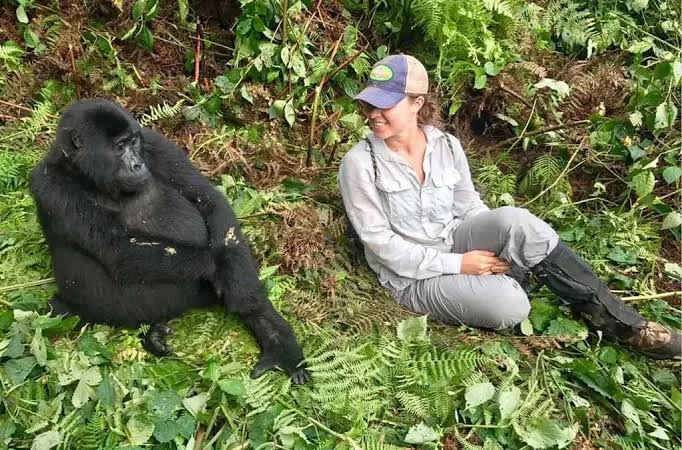
Mountain gorilla conservation in Uganda represents one of the most remarkable turnaround stories in modern wildlife management. Numbers have grown from critically low populations to a more stable — though still vulnerable — status. This success was achieved through a combination of strict protection, community engagement, and carefully managed gorilla trekking tourism.
Future safari experiences will offer travellers more opportunities to understand these stories — not as abstract successes, but as living, ongoing processes in which the visitor’s presence plays a meaningful role.
Visitor Involvement in Conservation
Conservation-focused safari experiences — from tree planting to wildlife monitoring participation — are growing in popularity. These are not gimmicks. They reflect a genuine shift in what travellers want: not to be passive observers but active, however briefly, in the protection of the places they visit.
6. Personalisation Will Shape Future Safaris
The era of the one-size-fits-all safari itinerary is giving way to something more nuanced and more satisfying. As the market matures and travellers bring increasingly specific interests and expectations, the ability to offer genuinely personalised experiences has become a meaningful competitive advantage.
Niche Safari Interests
Birdwatching safaris represent one of the fastest-growing niches in African wildlife travel. Uganda alone is home to over 1,000 bird species — more than any other country of comparable size on the continent — making it an extraordinary destination for serious and recreational birders alike.
Photography safaris, which offer extended time at rewarding wildlife locations, specialist guides with knowledge of light and composition, and logistics designed around the needs of a photographer rather than a general visitor, represent another rapidly expanding category.
Wellness safaris — combining game drives with yoga, meditation, spa treatments, and restorative retreat experiences — are attracting travellers who seek recovery and reflection alongside wildlife encounters. Family safaris, designed around the needs of travelling parents and children at different ages, are also growing in demand.
Conservation-Focused Journeys
For travellers whose primary motivation is conservation rather than leisure, bespoke itineraries that immerse them in research programmes, ranger operations, and community conservation projects are increasingly available — and increasingly sought.
Flexible Itineraries
The rigid, day-by-day itinerary is being supplemented by more flexible frameworks that allow travellers to follow their instincts — to spend an extra morning at a rewarding location, to add a spontaneous cultural excursion, or to simply sit quietly and let the bush reveal itself at its own pace.
7. The Rise of Experiential Travel
A significant shift is underway in how travellers measure the value of a safari. Increasingly, the most meaningful experiences are not defined solely by the number of species spotted or the luxury of the lodge. They are defined by genuine connection — with wildlife, with local communities, with landscapes, and with themselves.
Cultural Immersion
Uganda offers extraordinary cultural depth alongside its wildlife. The country is home to more than 50 distinct ethnic groups, each with its own traditions, music, craft, and relationship to the land. For travellers willing to look beyond the national parks, these cultures offer some of the most rewarding experiences available anywhere in Africa.
This reflects a theme explored in previous Terenga Safaris content: the idea of experiencing Uganda through its people, not just its parks. The visitor who shares a meal with a Batwa community near Bwindi, or who spends an afternoon with a local cooperative in the Rwenzori foothills, carries home a very different — and arguably much richer — understanding of this country.
Culinary Experiences
Food is a powerful gateway to culture. As explored in Terenga Safaris’ articles on food experiences every visitor should try, Ugandan cuisine offers unexpected depth and variety. From the simple pleasure of a roadside rolex to a more elaborate communal meal of matoke, groundnut stew, and freshly grilled tilapia, eating in Uganda is an experience in its own right.
Progressive safari itineraries are beginning to incorporate food experiences more deliberately — not as an afterthought, but as a meaningful dimension of the journey.
Local Storytelling
The stories that define a place — of its wildlife, its history, its struggles, and its resilience — are best told by those who live them. Local guides, community elders, conservation rangers, and traditional storytellers bring dimensions to a safari experience that no guidebook or AI tool can replicate.
Investing in local storytelling is both a cultural responsibility and a tourism asset. Experiences built around authentic human voices tend to be the ones that travellers remember and return for.
8. How Uganda Is Positioned for the Future
Uganda occupies a distinctive and genuinely promising position within the landscape of African safari tourism. It is not simply another game-viewing destination competing on volume. It offers a combination of attributes that are increasingly rare and increasingly valued.
Unparalleled Biodiversity
With over 1,000 bird species, more primate species than any other country, and extraordinary mammal diversity across its national parks and forest reserves, Uganda’s natural credentials are exceptional. The opportunity to trek with mountain gorillas in Bwindi Impenetrable National Park, encounter chimpanzees in Kibale Forest, and watch tree-climbing lions in Queen Elizabeth National Park represents a concentration of unique wildlife experiences found nowhere else.
Authenticity and Relatively Uncrowded Landscapes
Compared with some of East Africa’s most famous safari destinations, Uganda’s national parks remain relatively uncrowded. This is not a sign of weakness — it is one of Uganda’s most compelling assets. Travellers seeking genuine wilderness experiences without the sense of being part of a managed tourist procession will find Uganda deeply rewarding.
Community Tourism Opportunities
Uganda’s community tourism infrastructure is genuinely impressive and continues to develop. Travellers who want to engage authentically with local people — learning to cook traditional dishes, visiting craft cooperatives, participating in community-led conservation walks — will find rich opportunities throughout the country.
Challenges and Honest Acknowledgement
It would be misleading to present Uganda’s tourism future as without challenges. Infrastructure development — road quality, accommodation variety at different price points, accessibility across some parks during wet seasons — remains an area for continued investment. Growing visitor numbers will require careful management to ensure that the authenticity and ecological integrity that define Uganda’s appeal are preserved.
Terenga Safaris believes that honest acknowledgement of these challenges is part of responsible tourism communication — and that addressing them collectively is what will determine whether Uganda’s safari future is as compelling as its present.
9. Challenges the Industry Must Address
Any honest assessment of the future of safari experiences must grapple with the real challenges facing the industry. Optimism is warranted — but only if it is grounded in clear-eyed recognition of what must change.
- Conservation Funding: Wildlife protection is expensive. Revenue from safari tourism remains one of the most significant and sustainable sources of conservation funding in East Africa — but that funding is vulnerable to political instability, health crises, and global economic downturns.
- Infrastructure Development: Many of East Africa’s most spectacular wildlife destinations are accessed via roads and facilities that fall short of what a growing international visitor market will demand. Investment in infrastructure must keep pace with ambition.
- Climate Change: Habitat change, altered rainfall patterns, and increased temperatures are affecting ecosystems in ways that will reshape the safari experience over the coming decades. Operators must engage with climate science rather than avoid it.
- Balancing Growth with Sustainability: More visitors bring more revenue — but also more pressure. Carrying capacity limits, permit systems, and visitor management protocols must be taken seriously and updated as circumstances change.
- Skills Development: The quality of the safari experience depends enormously on the quality of local guides, hospitality staff, and conservation professionals. Sustained investment in skills development is essential.
- Responsible Technology Adoption: Not every technological innovation improves the safari experience. The industry must be selective — adopting tools that genuinely serve travellers and conservation, and resisting those that simply add complexity or distraction.
10. What Future Travellers Will Probably Value Most
Forecasting traveller behaviour is an imprecise science. Cultural shifts, global events, and generational change all influence what people seek from their travel experiences in ways that are difficult to predict with certainty. Nevertheless, several trends appear robust enough to merit careful attention.
- Meaningful Experiences: The desire for experiences that feel significant — that connect travellers to something larger than themselves — is growing across all demographics.
- Authenticity: Travellers are increasingly skilled at detecting inauthenticity. Experiences that feel staged, generic, or disconnected from genuine local culture are losing appeal in favour of those that offer real contact with real places and people.
- Sustainability: Environmental responsibility is moving from a differentiator to an expectation. Future travellers will likely regard unsustainable tourism practices with the same scepticism that previous generations reserved for deceptive marketing.
- Flexibility: Fixed, rigid itineraries are losing ground to more adaptable experiences that allow travellers to follow their interests and respond to what they discover.
- Personal Growth and Learning: Travellers are increasingly seeking experiences that teach them something — about wildlife, about culture, about history, about themselves.
- Connection: Perhaps most fundamentally, travel is increasingly valued as an opportunity for connection — with nature, with communities, with travelling companions, and with a more expansive sense of the world.
11. Featured Snippet: What Is the Future of Safari Experiences?
QUICK ANSWER
The future of safari experiences will likely combine authentic wildlife encounters with greater sustainability, personalised itineraries, deeper conservation awareness, and carefully integrated technology. Travellers will continue to seek genuine connections with nature and local communities, while the industry evolves to meet rising expectations around environmental responsibility, meaningful cultural engagement, and thoughtful, low-impact travel.
Safari Trend Overview: Potential Impacts at a Glance
The following table summarises the key trends explored in this article and their likely influence on how safari experiences are designed and delivered over the coming decade.
| Trend | Potential Impact on Safari Experiences |
| AI and Digital Planning | Travellers will benefit from smarter, personalised itinerary recommendations, faster booking processes, and AI-driven wildlife guides that provide richer in-field interpretation — all while reducing friction in trip planning. |
| Sustainability | Eco-certified lodges, renewable energy systems, single-use plastic elimination, and carbon-offset travel options will shift from premium additions to baseline expectations for responsible travellers. |
| Community Tourism | Communities neighbouring national parks will become active participants in safari experiences — offering cultural homestays, local guiding, artisan markets, and conservation storytelling that deepen visitor understanding. |
| Conservation Technology | Drone surveillance, satellite tracking, bioacoustics monitoring, and real-time wildlife data will improve anti-poaching efforts and habitat management, enabling more scientifically grounded wildlife protection. |
| Personalisation | Bespoke itineraries catering to birdwatchers, wildlife photographers, wellness travellers, families, and conservation volunteers will replace generic packages, reflecting each traveller’s unique interests and pace. |
| Experiential Travel | Deeper cultural immersion — including community meals, traditional storytelling, cooking experiences, and conservation participation — will complement game drives as the heart of what safari means. |
12. Why Choose Terenga Safaris?
Terenga Safaris was founded on a simple conviction: that a great safari is not about ticking species off a list, but about experiencing Africa in a way that is authentic, responsible, and genuinely transformative.
Our team brings local knowledge that cannot be acquired from guidebooks — knowledge of Uganda’s wildlife, landscapes, communities, and the quiet rhythms of ecosystems that shape what you will see and experience on any given day.
We design itineraries around people, not packages. Whether you are a first-time visitor hoping to encounter mountain gorillas in Bwindi, a dedicated birder hoping to add rare species to a lifelong list, a family travelling together for the first time, or a conservation supporter seeking to understand how tourism dollars translate into wildlife protection — we build your journey around what matters to you.
Our commitment to responsible tourism is not a marketing position. It shapes every decision we make: the community enterprises we partner with, the lodges we recommend, the practices we ask our guides to model, and the stories we choose to tell.
As the safari industry continues to evolve, Terenga Safaris is committed to evolving with it — adopting what genuinely improves the experience, maintaining what makes safari travel irreplaceable, and advocating for the conservation priorities that will determine whether Uganda’s extraordinary wildlife survives the pressures of the coming decades.
13. Conclusion: The Promise That Endures
The future of safari experiences is not about replacing what makes safaris special. It is about enhancing those experiences while protecting the landscapes, wildlife, and communities that make them possible.
Sustainability, technology, personalisation, and conservation awareness are not threats to the safari tradition. Thoughtfully embraced, they are the means by which that tradition will be sustained — kept vital, relevant, and extraordinary for the generations of travellers who have yet to hear their first dawn chorus in an African forest, or watch their first elephant family move silently through golden grass at dusk.
The safari of the future may look different in small ways, but its greatest promise will remain unchanged: the opportunity to reconnect with nature, discover new perspectives, and experience the wild places that continue to inspire humanity.
If you are planning a safari in Uganda or East Africa — whether your first or your fifth — we would love to help you design an experience that reflects both where safari travel has come from, and where it is going.
to begin planning a journey that is as responsible as it is remarkable.