Semuliki Valley Uganda
August 2, 2026
Baby Animal Safari
August 3, 2026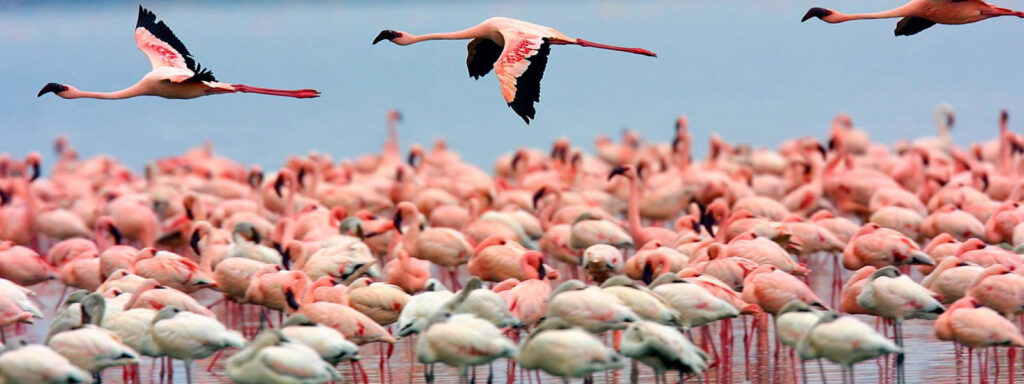
Best Time for Birdwatching in Uganda: A Season-by-Season Guide
Uganda holds over 1,050 recorded bird species. Few countries this size can match that number. So when is the best time for birdwatching in Uganda? The honest answer depends on what you want to see. Palearctic migrants arrive in November and stay until April. They swell wetland counts across the country during that stretch. Resident species stay put year-round, including Uganda’s famous Albertine Rift endemics. They simply become easier or harder to find as vegetation and water levels shift with the seasons. This guide breaks the year into its real birding seasons. It names the trade-offs of each, and points to the specific parks where timing matters most.
November to April — The Migrant Season
For most visitors, the best time for birdwatching in Uganda falls between November and April. Palearctic migrants escaping the northern winter arrive on Uganda’s wetlands and grasslands during these months. They overlap with the country’s resident species rather than replacing them. A single morning at Mabamba Swamp or Lake Mburo National Park can reasonably produce 80 to 100 species during this window, which is why many operators call it the best time for birdwatching in Uganda without much qualification.
Mabamba Swamp sits a short boat ride from Entebbe. It holds the country’s best odds for the shoebill stork, Uganda’s most sought-after bird. Mabamba sits outside the formal park network, so the Uganda Wildlife Authority does not manage it directly. Access runs through community guides and canoe operators instead. Migrant waders and warblers pack the papyrus edges alongside the shoebill from December onward. That combination is exactly why this window draws serious birders from across the world.
The trade-off is crowding and cost. November to February overlaps with peak tourist season across East Africa. Lodges near Queen Elizabeth National Park and Bwindi Impenetrable National Park fill quickly and charge premium rates. Anyone booking this window for the best time for birdwatching in Uganda should confirm accommodation at least three months ahead, particularly around Christmas and New Year.
March to May — Birding Uganda’s Breeding Season
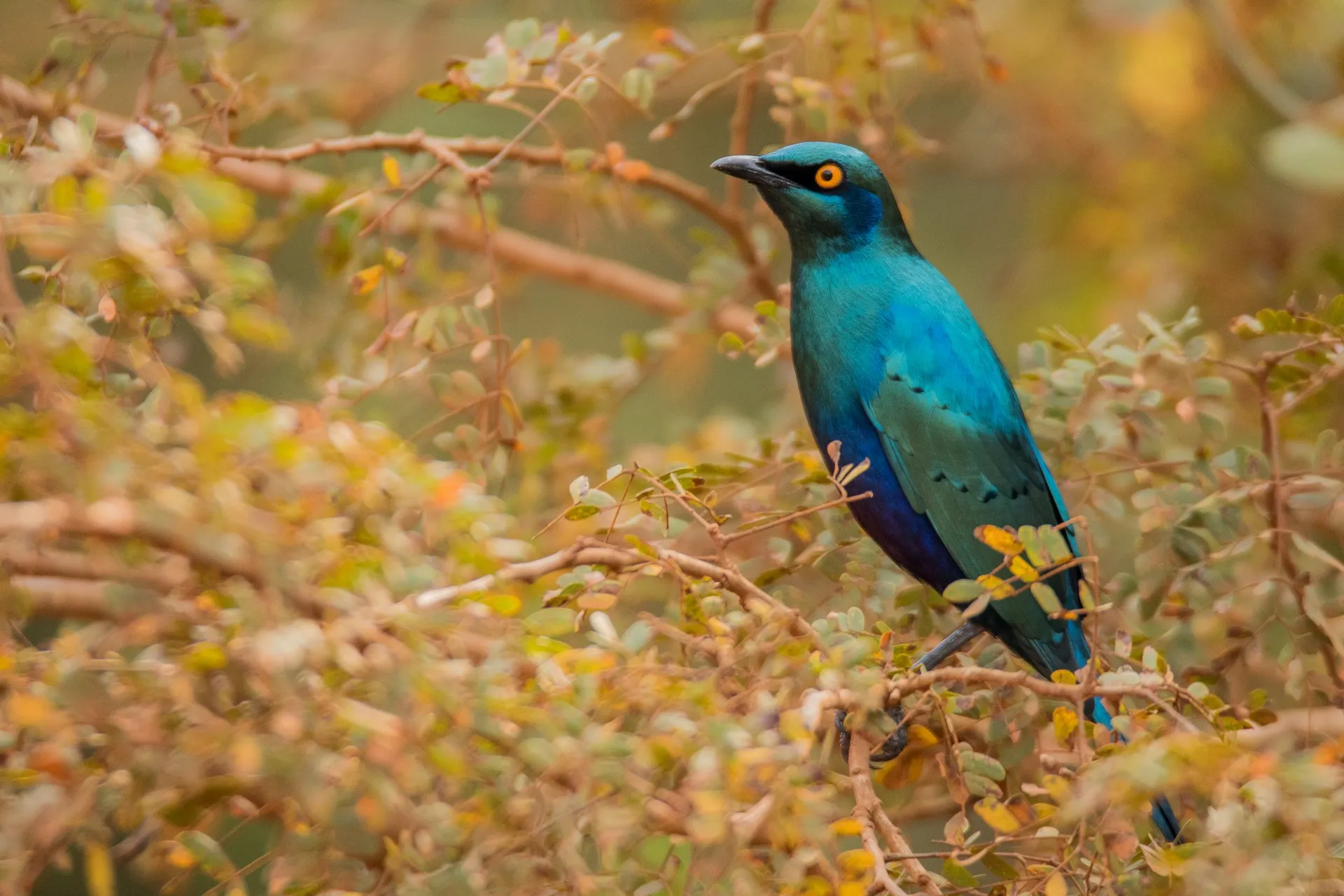
Birding Safaris
The migrant season draws the biggest species counts. But March to May offers something different: breeding plumage. Many resident species moult into their brightest colours during these months, including weavers, bishops, and widowbirds. Photography becomes noticeably more rewarding then, even though overall diversity dips slightly compared with the migrant peak.
This period also coincides with Uganda’s long rains. That rain does real work for birders. Insect activity increases sharply after rainfall, and it draws insectivorous species out into the open to feed. Semuliki National Park becomes markedly more active during this window. It holds more than 400 species and a cluster of Albertine Rift endemics found almost nowhere else, and forest insects hatch in volume once the rains set in.
Rain brings its own honest limitations. Murram roads in western Uganda turn slick after heavy downpours. This affects the stretch toward Semuliki and parts of the Kibale Forest corridor especially. Birders travelling in April should budget an extra day of flexibility into any itinerary that includes remote western parks. A 4×4 vehicle is not optional during this period. It is a requirement.
June to September — Uganda Birdwatching in the Dry Season
June to September is Uganda’s main dry season. For travellers who want the best time for birdwatching in Uganda to also double as the easiest trekking conditions, this remains the strongest window. Trails through Kibale Forest and Bwindi Impenetrable National Park stay firm underfoot. Visibility through the canopy improves as undergrowth thins, and access roads across the country reach their most reliable condition of the year.
Bird diversity during this stretch leans more heavily toward residents than migrants. Most Palearctic visitors have already returned north by late April. Forest specialists such as the green-breasted pitta and African green broadbill are typically easier to locate now. Both are prized Albertine Rift species, found in Kibale and Bwindi respectively. Guides can track their calls without competing against heavy rainfall or dense wet-season foliage.
Many travellers choose this season specifically for gorilla trekking or chimpanzee tracking alongside birding. Uganda Wildlife Authority permits allow same-day combination itineraries more easily when trail conditions stay stable. The trade-off is a drier, quieter forest overall. Some understorey species that thrive on the insect boom of the rains become noticeably scarcer.
October to November — A Quiet Window for Birdwatching in Uganda
October and November mark Uganda’s short rains. This brief window is often underrated. Migrant species begin arriving again from mid-November. Early-arriving birders get a preview of the main season, without the December crowds or peak-season pricing that come with it.
Queen Elizabeth National Park’s Kazinga Channel is particularly productive during this period. African skimmers, pelicans, and a growing count of waders gather along the shoreline as water levels shift. For birders weighing up the best time for birdwatching in Uganda against their tolerance for crowds, this shoulder season deserves serious consideration.
This window suits birders who value fewer people over maximum species counts. Lodge rates around Queen Elizabeth and Murchison Falls National Park typically drop by 20 to 30 percent compared with the December peak. That figure reflects rates commonly advertised by regional operators, though travellers should confirm current pricing directly, since it shifts year to year.
The honest downside is unpredictability. Short rains can arrive early, late, or barely at all in a given year. Itineraries built around them need a buffer of flexibility that a fixed December booking does not require.
Practical Notes for Any Season
Whatever season you settle on, a few basics hold true across the best time for birdwatching in Uganda calendar, whether that turns out to be November or June. Bring binoculars rated at least 8×42 — Uganda’s forest species often sit still in dense canopy, and weaker optics cost you the sighting. A local guide matters more here than in most birding destinations, since Uganda’s forest specialists are identified as much by call as by sight, and community guides at sites like Mabamba Swamp know the calls better than any app.
Early mornings matter regardless of season. Most species are most active in the two hours after dawn, before the heat settles over open grassland and activity drops. This holds whether you are chasing migrants in January or breeding plumage in April.
One point applies across every season: park fees, permit costs, and boat-hire rates at community sites all change periodically. Figures quoted by tour operators, including this article, should be confirmed directly with the Uganda Wildlife Authority or your operator before booking, since they are the sort of detail that dates quickly.
Conclusion
There is no single correct answer to when the best time for birdwatching in Uganda falls. There is only a correct answer for what a particular traveller wants. Migrant-season visitors chasing the shoebill and maximum species counts should target December through February. They should also accept the crowds that come with it. Photographers chasing breeding plumage should look to March through May and plan around the rain. Travellers combining birding with primate trekking will usually get the smoothest logistics between June and September.
Whichever window fits your plans, Terenga Safaris can match the season to the right parks and guides. Current park fees and permit costs change from year to year, so confirm both before booking.