
Is Uganda and Zanzibar Safari a perfect Combination
July 28, 2026
Why Karamoja Region Is Uganda’s Untouched Frontier.
July 29, 2026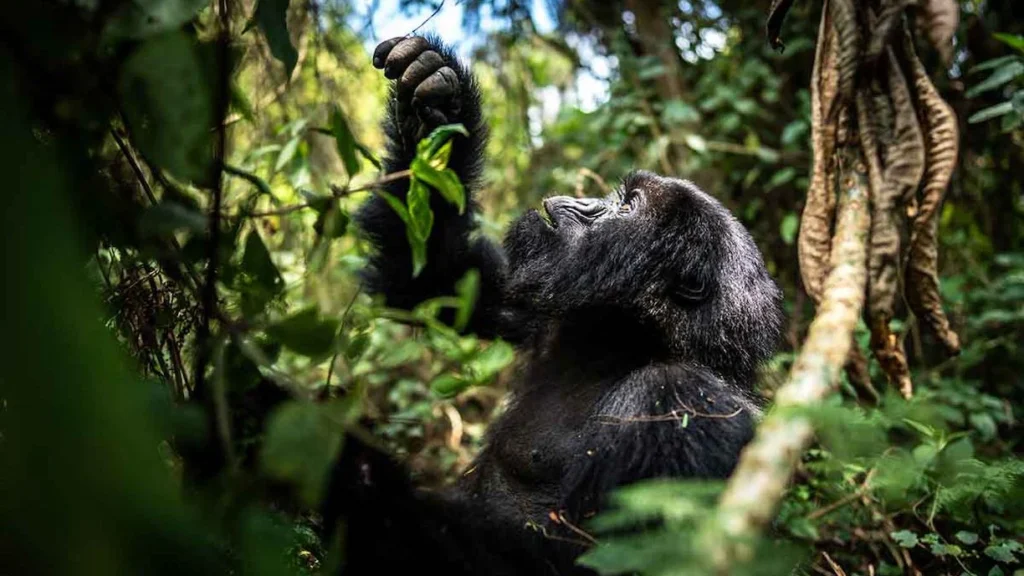
The Difference Between Bwindi Trekking Sectors
Bwindi trekking sectors aren’t interchangeable. Picking the wrong one is the most common regret we hear from returning guests. Bwindi Impenetrable National Park splits into four trekking sectors: Buhoma, Ruhija, Rushaga and Nkuringo. A gorilla permit locks you into exactly one of them. Each sector guards different gorilla families.
Each sits at the end of a different road, and each asks a different amount of your knees. Get the choice right, and the trek matches your fitness, your itinerary and your budget. Get it wrong, and you’ll climb a ridge you weren’t ready for, or drive six extra hours to a trailhead that never suited your route. This guide walks through what actually separates Bwindi’s four trekking sectors, so the decision comes down to fit rather than guesswork.
Buhoma Sector: Where Gorilla Tourism in Uganda Began
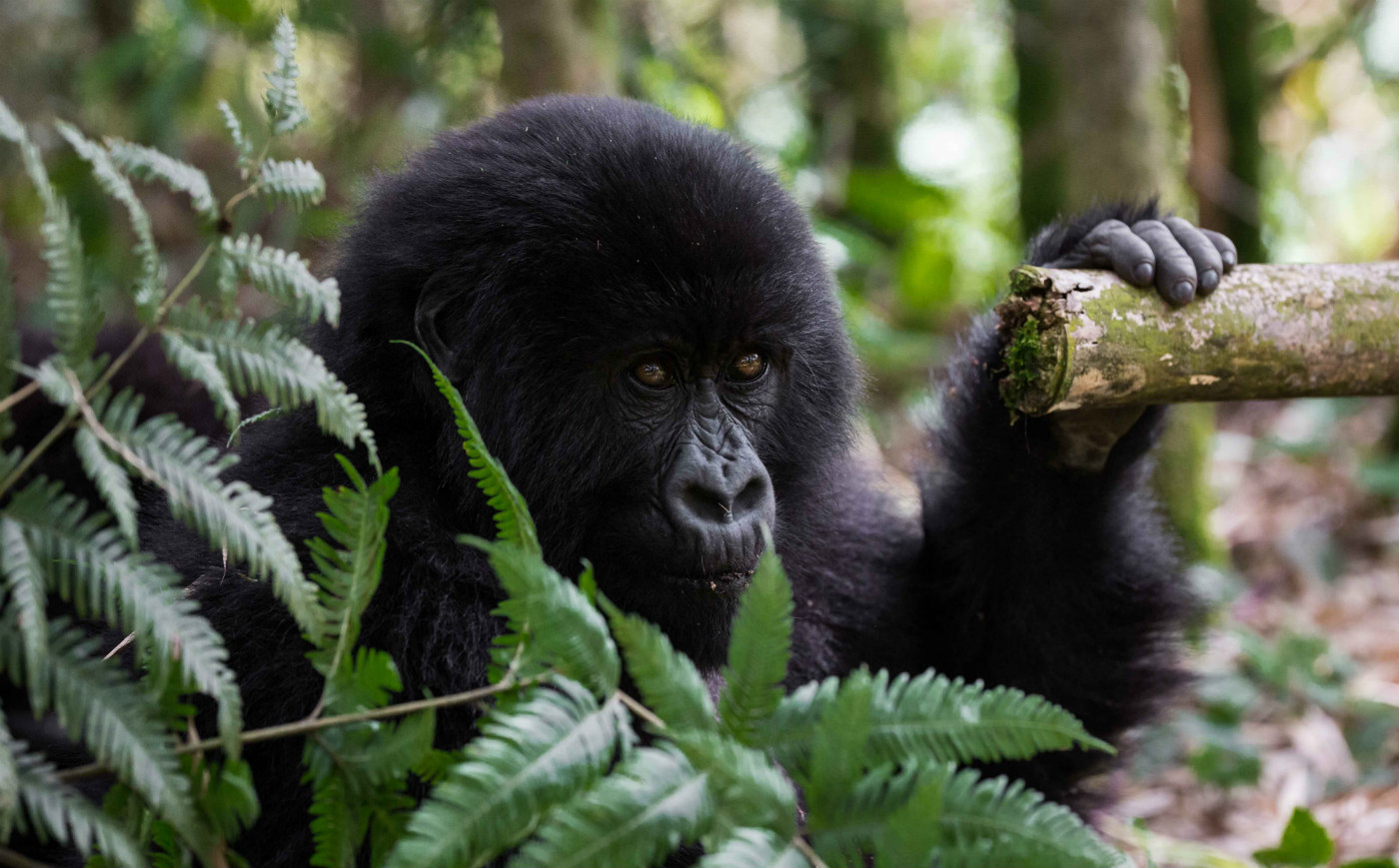
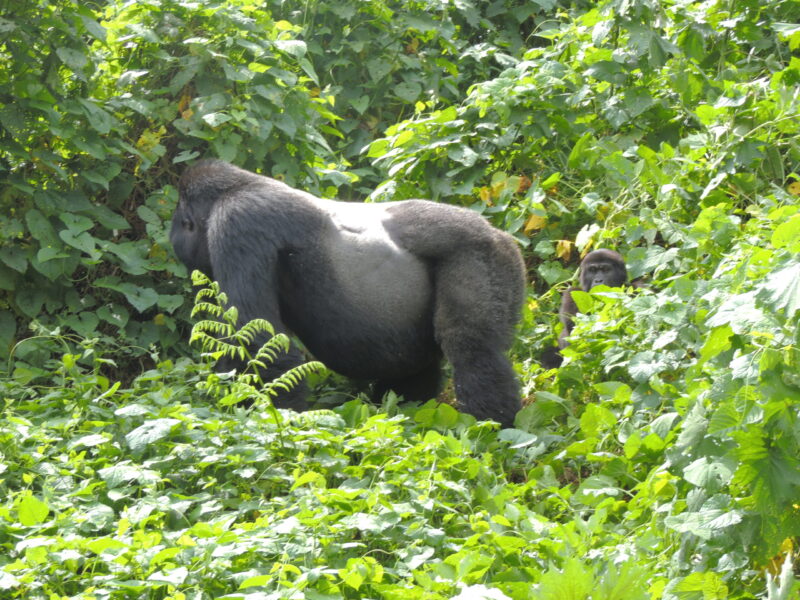
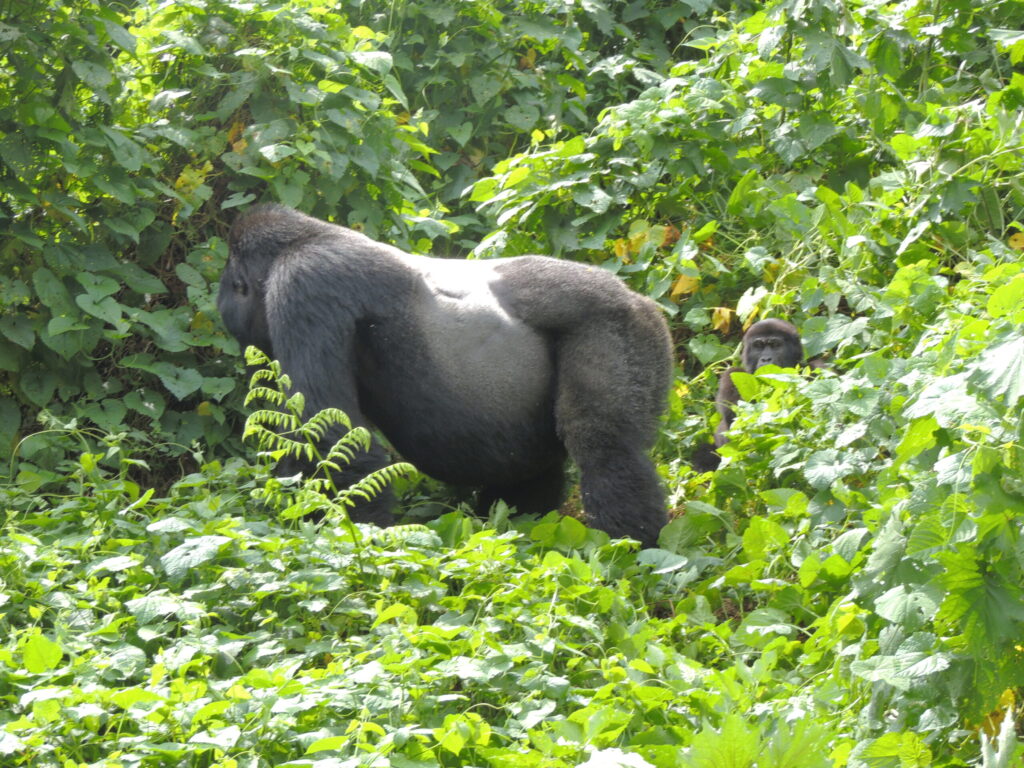
Gorilla Trekking
Buhoma sits in the north of the park. It was the first of Bwindi’s trekking sectors to open, back in 1993, and that history shows in the infrastructure. Tarmac and reasonable murram roads reach the park headquarters. Lodges cluster within a short drive of the briefing point, and the Uganda Wildlife Authority runs its most established ranger operation here.
The terrain rewards that head start. Trails around Buhoma follow gentler gradients than the other sectors. Treks to the Mubare, Habinyanja or Rushegura families often finish within two to three hours. Morning mist still hangs low over the canopy. The forest still closes in thick with vines and buttress roots — Buhoma hasn’t traded atmosphere for ease, just distance.
Buhoma’s honest limitation is popularity. As the original sector, it draws the largest share of first-time visitors, and its three habituated families mean fewer permits than Rushaga offers. Book six months out in peak season, not three. The sector suits travellers who want gorilla trekking alongside other activities. A village walk, a stretch of the Bwindi waterfall trail, or a birding morning all sit close by, without adding a rough transfer to the itinerary.
Ruhija Sector: Altitude, Birds and Fewer Crowds
East of Buhoma, Ruhija climbs to over 2,300 metres. That makes it the highest of Bwindi’s trekking sectors, and altitude changes the experience before the trek even starts. Mornings run cold enough for a fleece. The forest thins into a different mix of hagenia and bamboo.
The sector holds three habituated families, including Bitukura and Oruzogo. Treks here vary more in length than Buhoma’s. Some finish in ninety minutes; others push past four hours, depending on where the family has moved overnight. Ruhija earns its reputation among birders. The Albertine Rift endemics along the Mubwindi Swamp trail draw a different kind of visitor than the standard gorilla-only crowd, and that overlap keeps foot traffic lower than in Buhoma.
The trade-off is access. Ruhija sits roughly two hours from Buhoma on a rough road. Lodges here run fewer and simpler than the luxury options further south. Ruhija suits travellers who value quiet over convenience. They shouldn’t mind a more basic base camp in exchange for a trek that feels genuinely uncrowded.
Rushaga Sector: The Widest Choice of Gorilla Families
Rushaga sits in Bwindi’s south. It holds more habituated gorilla families than any other sector — currently around eight groups, including Nshongi, Mishaya and Kahungye. That range gives Rushaga the deepest permit availability in the park. It matters most during July, August and December, when Buhoma sells out first.
Rushaga is also the only sector offering the Gorilla Habituation Experience. This is a four-hour session with a semi-habituated family, led by researchers rather than the standard one-hour visit. The Uganda Wildlife Authority limits it to four visitors a day, and prices it well above a standard permit, running into the thousands of dollars per person. It’s a genuinely different product from ordinary trekking, built for photographers and researchers rather than casual visitors.
Terrain here spans the full range. Moderate slopes lead to several family groups, while genuinely demanding climbs lead to others — Rushaga offers a menu of difficulty levels, not one. The sector connects easily to Rwanda. The drive from Kigali via the Cyanika border takes around four to five hours, which makes Rushaga the default choice for anyone combining Bwindi with Rwanda’s Volcanoes National Park. Rushaga suits travellers chasing permit availability, photographers wanting habituation access, and anyone building a multi-country itinerary.
Nkuringo Sector: Steep Trails and the Best Views
Nkuringo sits just south of Rushaga, perched on a ridge with views across the valley toward the Virunga volcanoes on a clear morning. Of Bwindi’s four trekking sectors, guides call this one the toughest, and they’re not exaggerating for effect. The Nkuringo family and its neighbours often live on steep, forested slopes. The return climb after a trek can run longer and harder than the descent into the forest.
That difficulty buys something real. Nkuringo receives the fewest visitors of the four sectors, and the sense of remoteness shows in the trail itself: fewer voices, less-worn paths, a forest that feels less managed and more genuinely wild. Community tourism has grown up around the sector too. Cultural walks and craft cooperatives, run by the Batwa and local Bakiga communities, sit close to the trailhead.
Nkuringo doesn’t suit everyone. Anyone with knee problems, limited trekking fitness, or a preference for an easier morning should look toward Buhoma instead. For fit, adventurous travellers, though, Nkuringo delivers what the other sectors can’t: the quietest forest, and the best views for the effort.
How to Choose Between Bwindi’s Four Trekking Sectors
Permit pricing doesn’t decide this choice. The Uganda Wildlife Authority charges the same standard rate across all four sectors — currently 800 US dollars for foreign non-residents, with lower rates for residents, other African nationals and East African citizens. These figures shift with UWA’s tariff reviews, so confirm the current rate before booking. What actually varies is terrain, crowding, road access and the character of each forest block.
First-time trekkers who want infrastructure and gentler trails should start with Buhoma. Birders and travellers who prize quiet over comfort should look to Ruhija. Anyone chasing permit availability, the habituation experience, or a Rwanda connection should book Rushaga.
Fit travellers after the wildest, least-crowded forest should choose Nkuringo. None of the four is objectively best. The right sector depends on legs, timeline, and what the rest of the trip looks like.
We build itineraries around this decision every week at Terenga Safaris, matching sector to traveller rather than the other way round. If you’re still weighing Bwindi’s four trekking sectors against each other, tell us your fitness level and your route through Uganda. We’ll point you toward the one that actually fits.