Best Time for Birdwatching in Uganda
August 3, 2026
Budget Uganda Safari
August 3, 2026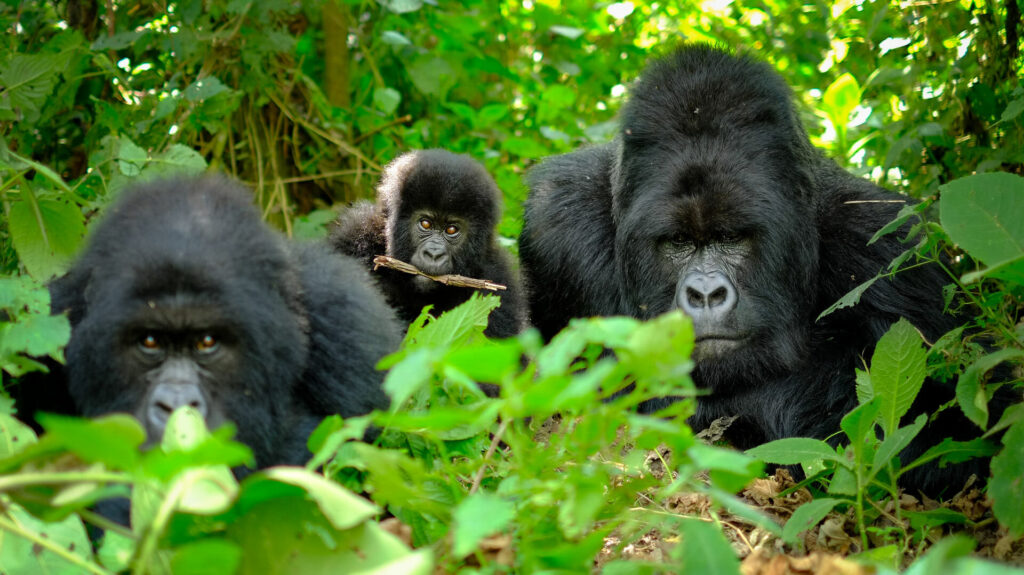
Baby Animal Safari: The Best Months to See Uganda’s Newborns
Uganda doesn’t run a single baby animal safari season. It runs several, overlapping in ways that catch first-time visitors out. Antelope calves arrive with the rains. Elephant calves cluster around dry-season waterholes. Gorilla and chimpanzee infants can appear in any month, since neither species times birth to weather.
Understanding which calendar governs which sighting changes how you plan a trip, and changes which months are worth paying premium rates to visit. This guide breaks down Uganda’s baby animal safari season park by park, so you can match your travel window to the animals you actually want to see.
Why There’s No Single Baby Animal Safari Season
Different species breed on different triggers, and East Africa’s savannah doesn’t behave like a zoo calendar. Impala, kob, and buffalo synchronise births to the rains, when new grass gives calves the best chance of survival. Elephants time births less tightly but still favour periods before major dry spells, giving calves months of good grazing before water becomes scarce. Primates ignore the rains almost entirely — a female gorilla can give birth in January or July, and troop dynamics matter more than season.
This matters practically. A traveller chasing a baby animal safari built purely around “the rains” will see plenty of antelope calves and miss primate infants born the month before. The itinerary needs to name the animal first, then find its season, not the reverse.
Savannah Calving Season: February to May
Uganda’s short and long rains fall roughly November–December and March–May, with regional variation. Grazing herds respond fast. In Queen Elizabeth National Park and Lake Mburo National Park, impala and Uganda kob calve heavily from February into April, once new grass has greened the plains. Kidepo Valley National Park, further north and drier overall, sees its own calving pulse tied to its shorter, later rains, usually April into May.
The sightings are dramatic in a specific way. Newborn kob barely able to stand. Buffalo calves shadowing mothers at the centre of the herd. Inevitably, more predator activity nearby, since calving season is also hunting season for lion and hyena. This is the trade-off worth naming honestly: a baby animal safari timed to calving means more births and more predation, often within the same afternoon. Some travellers find that hard to watch. Others consider it the most honest wildlife viewing Uganda offers.
Roads in Queen Elizabeth and Lake Mburo hold up reasonably well through the rains, though Kidepo’s more remote tracks can turn heavy after a downpour, so allow flexibility if you’re self-driving.
Primate Infants Don’t Follow a Season

Baby Animal Safari: The Best Months to See Uganda’s Newborns
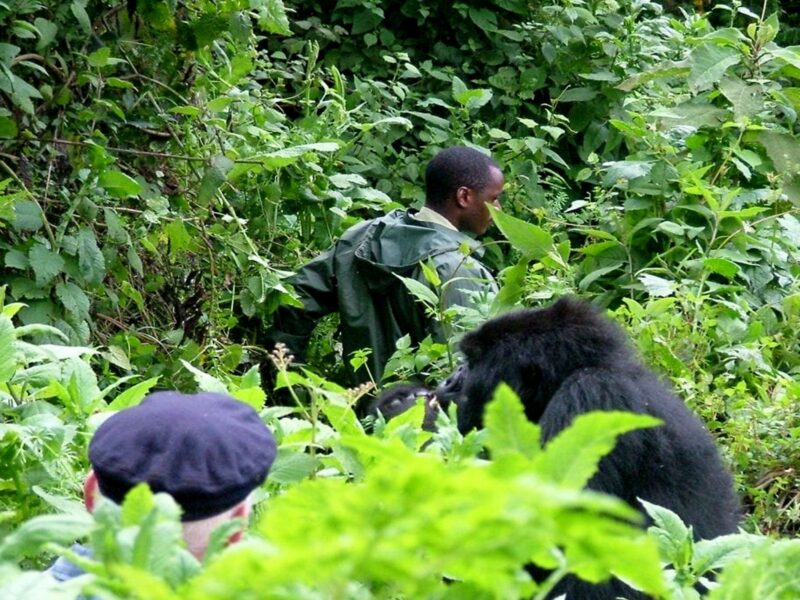
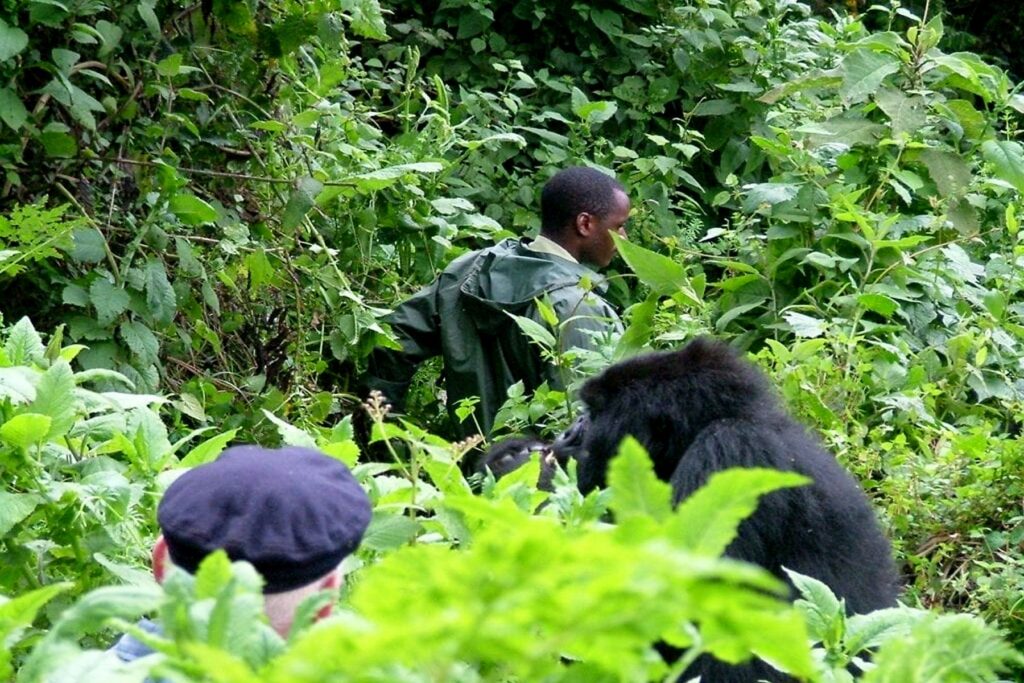
Bwindi Impenetrable National Park and Kibale Forest National Park are Uganda’s primate strongholds — home to roughly half the world’s mountain gorillas and, in Kibale’s case, one of the highest chimpanzee densities in East Africa. Neither species schedules births around rainfall.
That’s good news for planning a primate-focused baby animal safari. There’s no single “best month” to see an infant gorilla clinging to its mother’s back, so travellers aren’t competing for a narrow window the way antelope-calving visitors are. The trade-off is that sightings of very young infants depend on which family groups happen to have had recent births when you arrive, something no operator can promise months in advance. The Uganda Wildlife Authority updates gorilla family composition periodically, and it’s worth asking your operator for the latest group information before booking a specific trek.
Permit costs for gorilla trekking run into several hundred US dollars per person, and chimp tracking costs considerably less. Both figures change periodically, so confirm current fees directly with the Uganda Wildlife Authority before you book.
Elephants and the Dry-Season Gathering
Murchison Falls National Park holds Uganda’s largest elephant population, and the dry seasons — roughly June to September, and again December to February — concentrate that population around the Nile and its remaining waterholes. Calves stay close to their mothers during these gathering periods, often within family groups of ten or more animals drinking together at dawn and dusk.
This is arguably the most reliable elephant-calf viewing for a baby animal safari built around dry-season gathering, precisely because scarce water forces predictable behaviour. The trade-off: dry season is also peak tourist season across Uganda, so expect more vehicles at popular viewpoints and higher accommodation rates. Travellers who prioritise solitude over guaranteed sightings sometimes prefer the quieter shoulder months, accepting lower elephant density in exchange for fewer other vehicles.
How Uganda Compares to Kenya and Tanzania
Anyone researching a baby animal safari has probably also read about the Serengeti’s calving season, when roughly half a million wildebeest give birth within a few weeks each February. That event is genuinely unmatched in scale. Nowhere in Uganda produces a single synchronised birth event of that size.
What Uganda offers instead is variety rather than spectacle: savannah calving, dry-season elephant gathering, and year-round primate infants across several parks, none requiring the tight February booking window that the Serengeti demands. Travellers who want one overwhelming event should look to Tanzania. Travellers who want to combine several different kinds of baby-animal sightings across one or two weeks, without racing a single calendar date, tend to find Uganda’s spread easier to plan around.
Planning Around Uganda’s Baby Animal Season
A few practical notes worth factoring in before booking a baby animal safari. First, rains mean road conditions vary by park, and self-drive travellers should build in buffer days, particularly around Kidepo. Second, gorilla and chimp permits sell out months ahead in the July–September and December–February dry seasons, so infant sightings tied to primates need early booking regardless of which month you choose. Third, dry-season elephant viewing overlaps with Uganda’s most expensive accommodation rates; travellers on a tighter budget sometimes do better visiting Murchison Falls in a shoulder month and accepting slightly less elephant concentration in exchange.
None of this makes one month objectively “best”. It depends on which animal’s infants you most want to see, and how much you’re willing to trade sighting odds for lower costs or thinner crowds.
The Takeaway
There isn’t a single answer to when Uganda’s baby animal safari season runs, and any article that gives you one date is skipping the honest part. What you can do is match the calendar to the animal: rains for antelope calves, dry months for elephant gatherings at Murchison Falls, any month at all for gorilla and chimpanzee infants in Bwindi and Kibale.
If you’re weighing up which combination fits a specific travel window, Terenga Safaris can talk through current permit availability and realistic itinerary pacing before you commit to dates — worth doing before, not after, you’ve booked flights.