Hidden Safari Destinations in Uganda: The Best Off-the-Beaten-Path Parks to Visit
July 1, 2026
Are Private Safaris Worth the Extra Cost?
July 2, 2026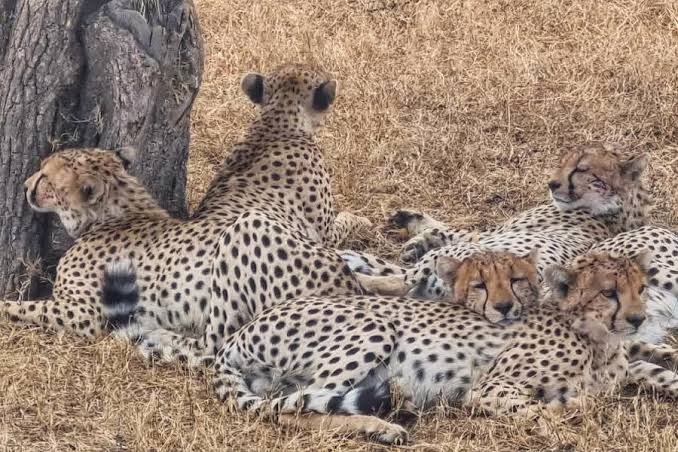
Where to See Leopards in Uganda: Your Best Chances on Safari
Few moments on an African safari match the thrill of finding a leopard draped over a branch, half hidden by leaves, watching the world below with total composure. Yet for anyone researching where to see leopards in Uganda, it helps to start with an honest truth: leopards are the hardest of the Big Five to find, and no guide, however skilled, can promise a sighting.
What Uganda does offer is a handful of parks where leopard habitat, prey density and guide experience combine to give travellers a genuinely fair chance. This guide explains why leopards are so elusive, which parks reward patient wildlife watchers, and how to structure a safari that puts the odds in your favour, without overselling what is ultimately one of nature’s most unpredictable encounters.
Why Leopards Are So Difficult to Spot
Before planning where to look, it helps to understand why leopards evade even experienced safari-goers so consistently.
- Solitary behaviour: leopards live and hunt alone, unlike lions that gather in prides, so there is no larger group to give away their position.
- Nocturnal activity: they do most of their hunting after dark, resting through the heat of the day in dense cover.
- Excellent camouflage: rosette-patterned coats blend into dappled light beneath acacia and fig canopies, even at close range.
- Large territories: a single male may range over many square kilometres, making repeat encounters in the same spot uncommon.
- Seasonal movement: leopards shift their patterns with prey and water availability, so a reliable spot in one season may be quiet in another.
Where to See Leopards in Uganda: Best Parks and Areas
Leopard sightings in Uganda are concentrated in a small number of parks where habitat and prey density work in travellers’ favour. None can promise a sighting, but each offers a genuinely reasonable chance when visited at the right time and with an experienced guide.
Queen Elizabeth National Park
- Habitat: A mosaic of open savanna, euphorbia-studded escarpments and riverine woodland along the Kazinga Channel, offering leopards both cover and abundant prey.
- Typical sighting opportunities: Among Uganda’s more consistent parks for leopard sightings, particularly in fig thickets and along riverine tree lines where leopards rest during the day.
- Best areas: Kasenyi plains for open-country sightings, the Mweya Peninsula for riverine cover, and the Ishasha sector, better known for its tree-climbing lions but also home to resident leopards.
- Best time of day: Early morning drives and the late afternoon into dusk.
- Other wildlife highlights: Tree-climbing lions in Ishasha, large hippo pods and elephants along the Kazinga Channel, and over 600 recorded bird species.
- Insider tip: Ask your guide to check fig and sausage trees close to riverbanks; these are favoured daytime resting spots for leopards in this park.
Murchison Falls National Park
- Habitat: Uganda’s largest park, combining Borassus palm savanna, riverine forest along the Victoria Nile, and dense woodland bordering Rabongo Forest.
- Typical sighting opportunities: Leopards are present throughout the park, though sightings are less frequent than lions simply because of the park’s scale and cover.
- Best areas: The Buligi game-viewing circuit (Delta, Queen’s and Albert tracks) north of the Nile, and the woodland fringes near Rabongo Forest.
- Best time of day: Dawn game drives, before daytime heat pushes animals into deeper cover.
- Other wildlife highlights: Lions, Rothschild’s giraffe, large elephant herds, and the dramatic Murchison Falls itself, best combined with a Nile boat cruise.
- Insider tip: Pair an early game drive with a boat cruise along the Victoria Nile; leopards occasionally rest on the riverbank in the soft early light.
Kidepo Valley National Park
- Habitat: A remote, rugged valley in Uganda’s far north-east, bordering South Sudan and Kenya, characterised by open savanna, rocky outcrops and seasonal rivers.
- Typical sighting opportunities: Kidepo’s low visitor numbers and rocky terrain create favourable leopard habitat, with sightings regularly reported around the Narus Valley.
- Best areas: The Narus Valley near the main lodges, and rocky kopjes that give leopards both shade and a vantage point.
- Best time of day: Early morning around water sources, especially during the dry season.
- Other wildlife highlights: Cheetahs, found nowhere else in Uganda, alongside lions, ostriches and more than 77 recorded mammal species.
- Insider tip: Kidepo’s remoteness means far fewer vehicles competing for the same sighting; patience here tends to be rewarded more than almost anywhere else in Uganda.
Lake Mburo National Park
- Habitat: A smaller, compact park of acacia woodland, rocky ridges and lakeshore, roughly midway between Kampala and the western parks.
- Typical sighting opportunities: Leopards are present but only occasionally seen; sightings here are best treated as a welcome bonus rather than a planned highlight.
- Best areas: Rocky outcrops and denser acacia stands away from the main game-viewing tracks.
- Best time of day: Dusk, as leopards begin to stir, though visibility remains limited by dense cover.
- Other wildlife highlights: Zebra, eland and impala, plus walking safaris and boat trips, since Mburo is notably free of elephants and buffalo.
- Insider tip: Visit Lake Mburo primarily for its walking safaris and boat trips; if a leopard appears, treat it as a rare and memorable extra.
What Increases Your Chances of Seeing a Leopard?
- Early morning game drives, timed to catch leopards returning from a night’s hunting before they settle into cover.
- Evening or night drives where permitted; Kidepo and parts of Murchison Falls offer limited options, so confirm availability with your operator in advance.
- Guides who track current leopard territories and recent sighting reports from other vehicles and rangers.
- Multiple game drives across several days, rather than relying on a single outing.
- Dry-season visits, when thinner vegetation and concentrated water sources make animals easier to spot.
- Patience and quiet observation; leopards often reveal themselves only to those willing to wait.
Leopards and Uganda’s Big Five
Uganda is one of the few East African destinations offering all of the Big Five, though they are far from equally easy to see. Elephants and buffaloes are the most reliably encountered, often moving in large, visible herds across open savanna. Lions are relatively straightforward to find in the prides of Queen Elizabeth, Murchison Falls and Kidepo Valley.
Rhinos survive in Uganda only at Ziwa Rhino Sanctuary, outside the national park system, where guided walking encounters give near-certain sightings. Leopards remain the most demanding of all five: solitary, largely nocturnal and expertly camouflaged, meaning even the most experienced guides can go several days without a confirmed sighting.
Comparison Table
| National Park | Leopard Sighting Potential | Best Time | Other Signature Wildlife |
| Queen Elizabeth National Park | Moderate to good | Dawn and dusk | Tree-climbing lions, hippos, Kazinga Channel birdlife |
| Murchison Falls National Park | Moderate | Early morning | Elephants, Rothschild’s giraffe, Nile boat cruise |
| Kidepo Valley National Park | Good, low visitor density | Dawn, near water sources | Cheetahs, lions, ostriches |
| Lake Mburo National Park | Low, occasional | Dusk | Zebra, eland, walking safaris |
Photography Tips
- Use a telephoto lens, ideally 300mm or longer, since most leopard sightings happen at a respectful distance.
- Favour a fast shutter speed and wide aperture for the low-light conditions typical of dawn and dusk sightings.
- Raise your ISO rather than slowing the shutter speed, to freeze movement without introducing blur.
- Brace your camera on a bean bag or window mount for stability, rather than shooting handheld.
- Photograph respectfully: keep engine noise to a minimum, never ask your driver to approach beyond park guidelines, and avoid flash photography entirely.
Frequently Asked Questions
Which park has the highest chance of leopard sightings?
Queen Elizabeth National Park and Kidepo Valley National Park are generally regarded as offering the strongest chances, thanks to favourable habitat and, in Kidepo’s case, lower visitor numbers. Even so, no sighting can ever be guaranteed.
Are night drives worth it?
Yes, where they are permitted, since leopards are most active after dark. Night drives are only available in select areas, so confirm regulations and availability with your safari operator before booking.
Can leopards be tracked on foot?
This is not standard practice for tourists in Uganda. Foot-based tracking is generally reserved for rhinos at Ziwa Rhino Sanctuary; leopards are best and most safely viewed from a vehicle.
Are leopard sightings common?
No. Leopards remain one of the rarer sightings on a Uganda safari, even for guides who spend every day in the field.
Which season is best for leopard sightings?
The dry seasons, roughly June to September and December to February, tend to offer better visibility as vegetation thins and animals concentrate around remaining water sources.
Can children join night drives?
This depends on the specific park and operator’s minimum age policy for night drives, so it is worth checking in advance when travelling with young children.
Do leopards pose a danger to visitors on safari?
Serious incidents are extremely rare when safety guidelines are followed, including staying inside vehicles and maintaining a respectful distance at all times.
How does spotting a leopard differ from spotting a cheetah in Uganda?
Cheetahs are found only in Kidepo Valley National Park, hunting in open plains during daylight, while leopards are more widely distributed but considerably harder to see due to their nocturnal, solitary habits.
At a Glance: Leopard Sighting Potential by Park
| Park | Best Time of Day | Leopard Potential | Recommended Stay |
| Queen Elizabeth National Park | Dawn and dusk | Moderate to good | 2 to 3 nights |
| Murchison Falls National Park | Early morning | Moderate | 2 to 3 nights |
| Kidepo Valley National Park | Dawn, near water | Good | 3 nights |
| Lake Mburo National Park | Dusk | Low, occasional | 1 to 2 nights |
Why Choose Terenga Safaris?
- Experienced local guides who follow current wildlife movement and recent sighting reports.
- Deep, on-the-ground knowledge of leopard habitats across Uganda’s parks.
- Flexible, tailor-made itineraries built around your specific wildlife priorities.
- A firm commitment to responsible, low-impact wildlife viewing.
- Established Big Five safari routes across Queen Elizabeth, Murchison Falls and Kidepo Valley National Parks.
Conclusion
Knowing where to see leopards in Uganda comes down to choosing the right parks, timing your game drives thoughtfully, and travelling with guides who understand leopard behaviour. Queen Elizabeth, Kidepo Valley and Murchison Falls all offer genuine opportunities, while Lake Mburo may occasionally deliver a pleasant surprise.
No sighting is ever guaranteed, and that unpredictability is, in many ways, what makes an African safari so compelling. Terenga Safaris can help you design a personalised itinerary that maximises your wildlife-viewing opportunities while embracing the thrill of the unknown.
Suggested Internal Links
- Hidden Safari Destinations in Uganda: The Best Off-the-Beaten-Path Parks to Visit
- East Africa’s Top National Parks: The Ultimate Safari Ranking Guide
- Rare Animals to See on an East Africa Safari: A Wildlife Guide
- The Best Photography Spots in Uganda: A Complete Guide for Travellers
- Uganda Safari Etiquette: Essential Do’s and Don’ts for First-Time Visitors
- Best Time to Visit East Africa: A Month-by-Month Safari Guide
- Hidden Gems in Queen Elizabeth National Park
- Why Murchison Falls Should Be on Your Bucket List