What Is the Difference Between a Game Drive and a Walking Safari?
July 1, 2026
Where to See Leopards in Uganda: Your Best Chances on Safari
July 2, 2026
Hidden Safari Destinations in Uganda: The Best Off-the-Beaten-Path Parks to Visit
Bwindi Impenetrable Forest, Murchison Falls, Queen Elizabeth and Kibale draw the lion’s share of attention when travellers plan a Uganda safari, and rightly so. But beyond this well-trodden circuit lies a quieter Uganda, one of dusty savannah plains, ancient volcanic ridges and forest reserves where you can go days without meeting another vehicle. This guide to Hidden Safari Destinations in Uganda is for travellers who want more than a checklist safari. It is for those who want to stand in a valley where the horizon stretches uninterrupted, or track a chimpanzee troop through mist without another group in sight.
In the sections ahead, we explore Kidepo Valley, Pian Upe, Semuliki, Toro-Semliki, Mount Elgon, Katonga and Ajai, along with a fresh look at Lake Mburo, a park many visitors pass through rather than truly experience. Each destination comes with honest, practical guidance so you can decide where it fits into your own journey.
Why Explore Uganda Beyond the Famous Parks?
Uganda’s flagship parks earn their reputation, but popularity brings crowds, and crowds change the nature of a safari. Uganda’s lesser-known reserves offer a different rhythm of travel, one built around space, silence and surprise.
- Smaller crowds mean game drives and forest walks without a queue of vehicles at every sighting.
- More exclusive wildlife encounters, often with just your guide and vehicle present.
- Diverse ecosystems, from Kidepo’s semi-arid savannah to Semuliki’s lowland rainforest, that broaden what a ‘Uganda safari’ can mean.
- Supporting conservation across protected areas that receive far less tourism revenue than the major parks, helping fund ranger patrols and community programmes.
- Opportunities for authentic cultural encounters with communities such as the Karamojong, Batwa and Bakonzo, away from more commercialised tourist routes.
Hidden Safari Destinations in Uganda
Kidepo Valley National Park
Tucked into Uganda’s remote north-east, Kidepo Valley is often cited by seasoned safari-goers as one of Africa’s most spectacular yet least-visited parks, with savannah, mountains and dry riverbeds forming a wilder landscape than southern Uganda.
Location: Karamoja sub-region, bordering South Sudan and Kenya, roughly 700 km from Kampala.
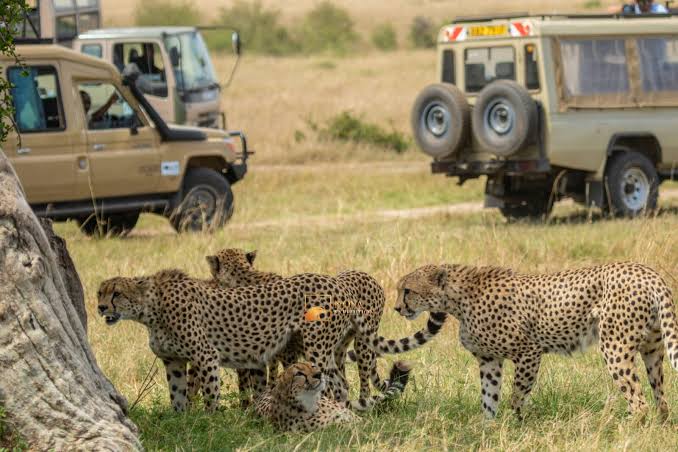
Wildlife highlights: Cheetahs (found nowhere else in Uganda), ostriches, kudu, buffalo, elephants, lions and over 470 recorded bird species.
Signature activities: Game drives across Narus and Kidepo valleys, nature walks, Karamojong cultural visits, and riverbed birdwatching.
Best time to visit: December to March and June to September, when animals concentrate around the Narus Valley’s water sources.
Accessibility: A flight from Entebbe takes around 1.5 hours; driving takes 10–12 hours and is best done overnight.
Accommodation: A small selection of lodges and tented camps, from mid-range to a few luxury properties.
Ideal traveller: Experienced safari travellers, photographers and anyone seeking genuine remoteness.
Insider tip: Fly in if your budget allows — it frees up two extra days for game drives.
Pian Upe Wildlife Reserve
Uganda’s second-largest protected area, Pian Upe is an open savannah landscape that feels closer to the Serengeti than anywhere else in the country, and remains almost entirely off the tourist map.
Location: Nakapiripirit and Bukwo districts, on the road between Mbale and Kidepo.
Wildlife highlights: Roan antelope, cheetahs, zebra, oryx, ostriches, hartebeest, and occasional leopard.
Signature activities: Game drives, guided walks and night drives, permitted here in a way few other reserves allow.
Best time to visit: December to March, for easier road conditions and better visibility.
Accessibility: Roughly 3–4 hours by road from Mbale, a natural stopover en route to Kidepo.
Accommodation: Basic UWA-managed bandas and campsites; set expectations accordingly.
Ideal traveller: Adventurous travellers combining a journey north to Kidepo.
Insider tip: Ask about a night drive — nocturnal sightings are more likely here than almost anywhere else in Uganda.
Semuliki National Park
Semuliki protects a slice of Central African lowland rainforest, an ecosystem more associated with the Congo Basin than East Africa, offering a forest experience distinct from Bwindi or Kibale.
Location: Western Uganda, in the Semliki Valley near Fort Portal, close to the DR Congo border.
Wildlife highlights: Over 400 bird species including forest specialists, plus forest elephants, sitatunga and several primates.
Signature activities: Birdwatching walks, the Sempaya hot springs, and Batwa cultural encounters.
Best time to visit: December to February and June to August, when forest trails are easier to navigate.
Accessibility: Around 5–6 hours by road from Kampala, or a short drive from Fort Portal.
Accommodation: Limited lodging near the park; most visitors base themselves in Fort Portal.
Ideal traveller: Serious birders and travellers curious about a distinct rainforest ecosystem.
Insider tip: Bring rain gear even in the dry season; lowland rainforest weather is unpredictable.
Toro-Semliki Wildlife Reserve
Not to be confused with Semuliki National Park, Toro-Semliki sits nearby on the savannah floor of the Albertine Rift, known for its resident chimpanzee research site.
Location: Along the Semliki Valley, near Lake Albert, in western Uganda.
Wildlife highlights: Chimpanzees, Uganda kob, buffalo, hippos and crocodiles along the Wasa Lakes.
Signature activities: Chimpanzee tracking, game drives, and visits to the Wasa Lakes.
Best time to visit: December to February and June to September, for drier trails.
Accessibility: Roughly 5 hours by road from Kampala, easily combined with Fort Portal itineraries.
Accommodation: A small number of lodges and camps in and around the reserve.
Ideal traveller: Travellers wanting chimpanzee tracking without Kibale’s larger crowds.
Insider tip: Habituation here is less developed than Kibale, so sightings may be more distant.
Mount Elgon National Park
An extinct shield volcano on the Uganda-Kenya border, Mount Elgon offers high-altitude hiking, caves and waterfalls rather than classic game viewing.
Location: Eastern Uganda, near Mbale, adjoining Kenya.
Wildlife highlights: Blue monkeys, duiker and over 300 bird species; large game is limited by the terrain.
Signature activities: Multi-day hikes towards Wagagai peak, day walks to Sipi Falls, caving, and coffee farm visits.
Best time to visit: June to August and December to February, for drier trails and clearer views.
Accessibility: Roughly 4–5 hours by road from Kampala to Mbale.
Accommodation: A range of lodges and community guesthouses around Sipi Falls and Mbale.
Ideal traveller: Hikers and adventure travellers combining safari with mountain scenery.
Insider tip: A single-day hike to Sipi Falls gives a real sense of the mountain without a multi-day trek.
Katonga Wildlife Reserve
A little-known wetland and savannah reserve close to Kampala, Katonga is notable for its population of the elusive, semi-aquatic sitatunga antelope.
Location: Kamwenge and Kyegegwa districts, roughly 3 hours from Kampala.
Wildlife highlights: Sitatunga, seasonal elephants, impala, hippos and strong wetland birdlife.
Signature activities: Boat trips along the Katonga River, game drives and birdwatching.
Best time to visit: Dry season for road access; wetland species are visible year-round.
Accessibility: One of the more accessible hidden parks, feasible as a short detour.
Accommodation: Very limited; most visitors stay in Fort Portal or Kampala and visit for the day.
Ideal traveller: Time-limited travellers wanting an uncrowded wildlife experience near the capital.
Insider tip: Prioritise the river boat trip over a standard game drive.
Ajai Wildlife Reserve
Ajai is a conservation story in progress. Once home to Uganda’s northern white rhino before conflict and poaching decimated wildlife numbers, it is now under active restocking led by the Uganda Wildlife Authority.
Location: West Nile region, near Arua, in north-western Uganda.
Wildlife highlights: Recovering antelope populations and birdlife; large mammal numbers remain modest.
Signature activities: Guided walks and community-based tourism; game-drive infrastructure is still developing.
Best time to visit: December to February and June to August for road access.
Accessibility: Roughly 7–8 hours by road from Kampala, best combined with other West Nile travel.
Accommodation: Minimal formal accommodation; most visitors use guesthouses in nearby Arua.
Ideal traveller: Conservation-minded travellers interested in Uganda’s rehabilitation projects.
Insider tip: Visit for the recovery story, not for a conventional game drive.
Lake Mburo National Park
Uganda’s smallest savannah park and, unusually for this list, not unknown — many travellers pass through en route to Bwindi or Queen Elizabeth without stopping long enough to appreciate it.
Location: Western Uganda, just off the highway between Kampala and the south-western parks.
Wildlife highlights: Zebra, eland, impala, buffalo and hippos — the only southwestern park with zebra and impala together.
Signature activities: Walking safaris, horseback safaris, boat trips on Lake Mburo, and night drives.
Best time to visit: Year-round, with June to August and December to February offering the clearest viewing.
Accessibility: Around 3.5–4 hours by road from Kampala, Uganda’s most accessible savannah park.
Accommodation: A wide range of lodges and camps spanning budget to luxury.
Ideal traveller: Time-limited travellers, families, and anyone wanting walking or horseback safaris.
Insider tip: Treat it as a destination for at least one full night, not just a lunch stop.
Comparison Table
| Destination | Best Known For | Signature Experience | Best Time to Visit | Ideal Traveller |
| Kidepo Valley NP | Remote savannah wilderness | Cheetah sightings, Narus Valley game drives | Dec–Mar, Jun–Sep | Experienced safari-goers |
| Pian Upe WR | Serengeti-like open plains | Night drives, roan antelope | Dec–Mar | Adventurous travellers |
| Semuliki NP | Lowland rainforest birding | Sempaya hot springs, forest birding | Dec–Feb, Jun–Aug | Birders |
| Toro-Semliki WR | Quiet chimpanzee tracking | Chimp tracking, Wasa Lakes | Dec–Feb, Jun–Sep | Primate enthusiasts |
| Mount Elgon NP | High-altitude hiking | Sipi Falls, Wagagai trek | Jun–Aug, Dec–Feb | Hikers |
| Katonga WR | Sitatunga wetlands | River boat trips | Dry seasons year-round | Time-limited travellers |
| Ajai WR | Conservation recovery | Community-based walks | Dec–Feb, Jun–Aug | Conservation-minded visitors |
| Lake Mburo NP | Zebra plains near Kampala | Walking and horseback safaris | Year-round, best Jun–Aug, Dec–Feb | Families, first-timers |
Wildlife You Can Expect
Uganda’s hidden parks host a striking range of species, from the cheetahs and roan antelope of the Karamoja plains to the shoebills occasionally spotted in Uganda’s wetland systems, and the sitatunga that wade through Katonga’s papyrus swamps. Chimpanzees at Toro-Semliki, forest birds at Semuliki, and montane species on Mount Elgon add further variety. As with any wild setting, sightings vary by season, weather and luck, and no responsible operator can guarantee a particular species will appear on a given visit.
Suggested Itineraries
Kidepo Valley + Murchison Falls
Combines Uganda’s two great wilderness parks into a north-country safari, best connected by domestic flight given the distance between them.
Semuliki + Kibale + Queen Elizabeth
A western circuit blending rainforest birding, primate tracking and classic savannah game viewing without major detours.
Mount Elgon + Sipi Falls
Pairs mountain hiking with waterfall scenery for travellers who want an active, scenic break from game drives.
Lake Mburo + Bwindi
An efficient route south, using Mburo as a savannah stop before gorilla trekking in Bwindi’s forest.
Pian Upe + Mount Elgon
Links two eastern destinations, savannah and mountain, for travellers approaching Uganda from Kenya via Mbale.
Practical Planning Tips
- Road access: Kidepo, Pian Upe and Ajai involve long drives on roads that can be rough in places — build extra time into your itinerary.
- Domestic flights: Scheduled and chartered flights to Kidepo cut travel time significantly and are worth the cost for shorter trips.
- Travel times: Confirm current drive times with your operator, as road conditions can shift journey lengths year to year.
- Seasonal roads: Heavy rains (typically March–May and October–November) can make Karamoja and West Nile routes harder to navigate.
- Packing: Layered clothing for early morning drives, sturdy walking shoes for forest and mountain trails, and rain protection regardless of season.
- Park fees: Entry fees vary by park and visitor category and are periodically revised by the Uganda Wildlife Authority, so confirm current rates before booking.
- Health and safety: Consult a travel health professional about vaccinations and malaria prevention before departure, and follow your guide’s briefings.
Frequently Asked Questions
Which hidden safari destination is best for wildlife?
Kidepo Valley National Park offers the widest range of species and the most classic savannah safari experience among Uganda’s lesser-known parks, though sightings are never guaranteed.
Are these parks suitable for first-time visitors?
Lake Mburo and Katonga are well suited to first-timers thanks to their accessibility, while Kidepo and Pian Upe reward travellers with more safari experience and flexible travel plans.
Which destinations have the fewest tourists?
Ajai, Pian Upe and Katonga receive very few visitors, offering some of the most solitary wildlife experiences in the country.
Can these parks be combined with gorilla trekking?
Yes. Lake Mburo pairs naturally with Bwindi Impenetrable Forest, and several operators build multi-park itineraries that include gorilla permits alongside these hidden destinations.
Are guides recommended?
Yes, particularly in remote reserves with limited signage and infrastructure. An experienced local guide improves both safety and the quality of wildlife sightings.
What is the best season to visit?
Generally, the dry seasons from December to February and June to September offer the easiest road access and clearest game viewing across most of these parks.
Are these destinations family-friendly?
Lake Mburo and Katonga are good options for families due to their accessibility and range of activities, while the more remote parks suit families comfortable with longer travel days.
Do I need a visa to visit Uganda’s national parks?
Most international visitors require a Uganda visa, which can typically be arranged online in advance; requirements vary by nationality, so check current guidance before travelling.
Why Choose Terenga Safaris?
Planning a trip to parks that see so few visitors requires more than a brochure, it requires genuine, current destination knowledge. Terenga Safaris has built its reputation on that knowledge, combined with tailor-made itinerary design that reflects each traveller’s interests, pace and budget.
- Local destination knowledge built through direct experience across Uganda’s national parks and reserves.
- Tailor-made itineraries rather than fixed packages, shaped around what you actually want to see.
- Experienced safari guides who understand both wildlife behaviour and the practical realities of remote travel.
- Flexible travel planning that adapts to seasonal road conditions and changing circumstances.
- A commitment to responsible tourism that supports conservation across Uganda’s protected areas, not only its famous parks.
- Honest advice, including realistic expectations about wildlife sightings, road conditions and facilities.
Conclusion
Uganda’s fame rests on Bwindi’s gorillas and Murchison’s cascading falls, but the country’s quieter corners deserve equal recognition. From Kidepo’s cheetah-dotted plains to the sitatunga-filled wetlands of Katonga, Hidden Safari Destinations in Uganda offer something the busier parks increasingly cannot: space, silence, and the sense of genuine discovery. Whichever combination suits your travel style, Terenga Safaris is ready to help you design a personalised itinerary exploring Uganda’s hidden wildlife treasures, contact our team to start planning your journey.
Featured Snippet Table
| Destination | Region | Top Wildlife | Recommended Stay |
| Kidepo Valley NP | Karamoja | Cheetah, ostrich, kudu | 2–3 nights |
| Pian Upe WR | Karamoja | Roan antelope, zebra | 1 night |
| Semuliki NP | Western Uganda | Forest birds, sitatunga | 1–2 nights |
| Toro-Semliki WR | Western Uganda | Chimpanzees, kob | 1 night |
| Mount Elgon NP | Eastern Uganda | Blue monkey, montane birds | 1–3 nights |
| Katonga WR | Central-Western Uganda | Sitatunga, hippo | Day visit |
| Ajai WR | West Nile | Recovering antelope populations | 1 night |
| Lake Mburo NP | Western Uganda | Zebra, eland, impala | 2 nights |