What Birds Can I See in East Africa?
July 27, 2026
Quad Biking Near Jinja
July 28, 2026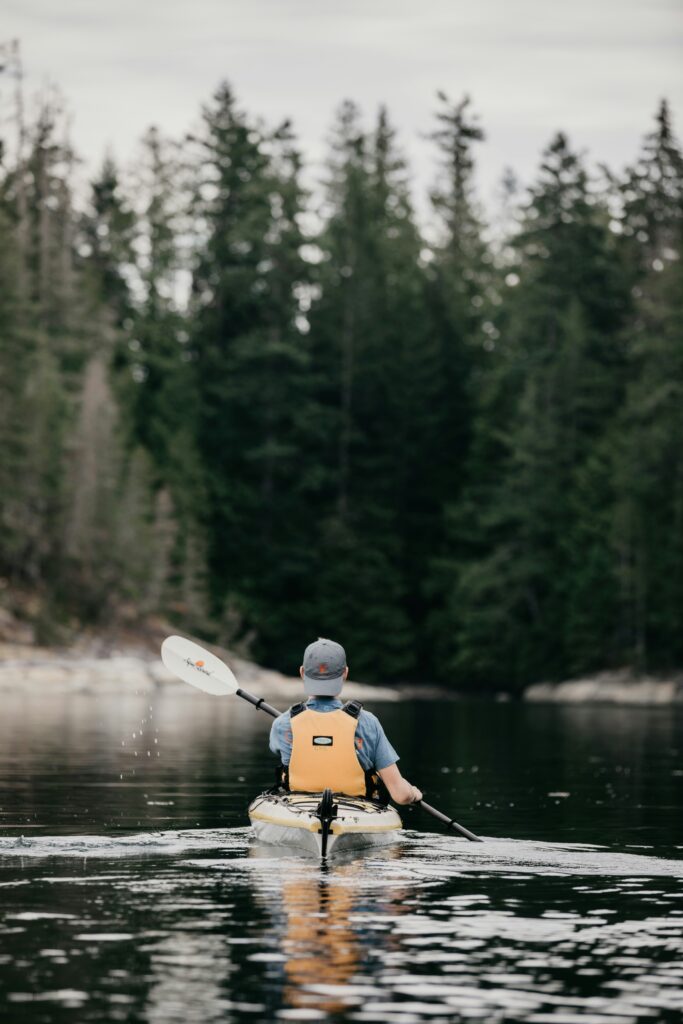
Kayaking the Nile in Uganda
Kayaking the Nile in Uganda starts with a sound, not a sight. Ten minutes upstream of the put-in near Jinja, before any white water comes into view, you hear it. A low roar builds through the papyrus as the entire outflow of Lake Victoria squeezes between volcanic rock. This is the source of the White Nile. It produces some of the most consistent, warm-water rapids anywhere in the world. This guide covers what a day of kayaking the Nile in Uganda actually involves: the rapids, the costs, the genuine risks, and who the sport suits.
Why Paddlers Travel to Jinja for This
Jinja sits where Lake Victoria narrows into a river, and that geography makes it unusual. Most white-water destinations run cold, glacial-fed water through tight canyons. The Nile here runs warm and wide, framed by green hills rather than rock walls. Paddlers arrive from Europe, South Africa, and North America specifically for this stretch. Few rivers combine big-volume rapids with water you can swim in comfortably.
The town has grown a small industry around it. Rafting and kayaking outfitters cluster along the same few kilometres of riverbank. Most run trips daily, weather and water levels permitting. That density matters for a traveller. It means genuine competition on price and safety standards, not a single operator setting the terms.
The Rapids: What Grade III to V Actually Means
International river-grading runs from Grade I, flat and easy, to Grade VI, unrunnable. Kayaking on the Nile in Uganda typically covers Grade III to V water, depending on the section and the season. Grade III rapids bring moderate waves and require some manoeuvring. Grade V demands precise technique and carries real consequence if you get it wrong.
Uganda’s hydroelectric dams have reshaped this stretch more than once. The Bujagali Dam submerged several of the original named rapids in 2011. A further downstream project has continued to change which sections run, and at what grade. Ask your operator which rapids are currently active before you book. The river you paddled five years ago is not necessarily the river you’ll paddle now.
Choosing Your Style: Guided Kayak, Support Boat, or Multi-Day Trip
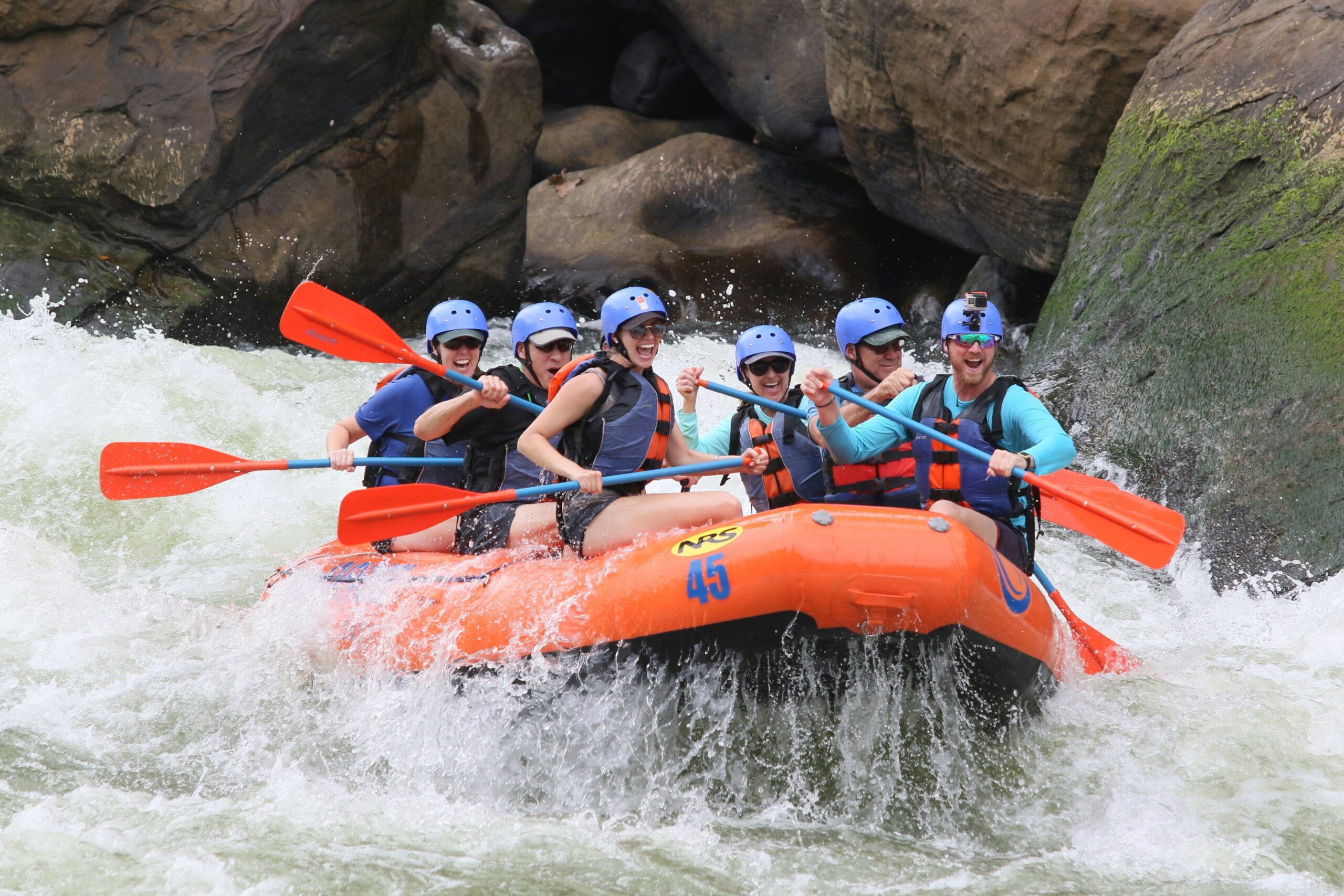
Rafting
Most first-time visitors don’t kayak solo. Instead, they join a guided session in a single kayak, with a safety kayaker close by. Or they paddle a two-person “ducky,” with an instructor calling each move through the rapid. Both formats let complete beginners run genuine white water safely. The instructor reads the river; the guest focuses on paddling. This choice shapes your first experience of kayaking the Nile in Uganda more than any other decision you’ll make before the trip.
Half-day introductory sessions typically run from around $80 to $150 per person. Full-day trips covering multiple rapids sit higher. Multi-day kayak expeditions suit intermediate paddlers who want to build technique over several days, and usually include accommodation, which pushes the price up again. Confirm current pricing directly with your operator. Fuel costs and permit fees shift these figures year to year.
There’s an honest trade-off here. A guided single-kayak session gives you the real sensation of paddling your own boat through a rapid. It also demands more from you, physically and mentally, than sitting in a raft. Travellers who want the thrill without the skill curve often choose white-water rafting instead. Rafting uses the same rapids, in a larger and more stable boat.
A Day on the River: What Actually Happens
A typical day starts with registration and a safety briefing on dry land. This usually takes 30 to 45 minutes and covers paddle strokes, swim position, and hand signals. Guides then walk each group through basic manoeuvres in flat water before the first rapid. Nobody enters white water without a practice run first.
From there, the group works downstream, rapid by rapid. Calm stretches between the white water give paddlers time to look up. Fishermen work the banks; kingfishers dive off overhanging branches; a monitor lizard sometimes suns itself on a rock mid-river. On a full-day trip, guides usually stop for lunch on a river island roughly halfway through, before tackling the remaining rapids in the afternoon.
Most operators end the day at a specific “big” rapid, often the largest runnable section available that day. Photographers positioned on the bank sell action shots afterwards. Sessions typically run four to six hours door-to-door from Jinja town. That makes kayaking the Nile in Uganda feasible as a single busy day, rather than something that requires an overnight stay.
Safety, Training and the Honest Risks
Kayaking the Nile in Uganda carries real risk, and reputable operators say so plainly rather than glossing over it. Swimmers occasionally separate from their kayak in bigger rapids. Safety kayakers and a support raft position themselves to recover swimmers within seconds. Even so, the sensation of an unplanned swim through moving water surprises most first-timers.
Ask any operator about their safety-to-guest ratio. Ask about their guides’ rescue certifications, and their protocol if the river rises suddenly after upstream rain. An operator who answers these questions readily, with specifics rather than reassurance, is generally the safer choice. Crocodile sightings on this stretch of the Nile are rare but not unheard of. Established operators route trips to avoid known basking sites.
Some travellers should think twice before booking a kayaking trip on the Nile. That includes people with uncontrolled heart conditions, recent shoulder or back injuries, or a strong fear of being submerged. Rafting offers a gentler introduction for that group. Doctors generally advise against white-water kayaking during pregnancy, so check with your operator and your doctor before committing.
Best Time of Year to Paddle
Uganda sits near the equator, so temperature barely shifts across the year. Water levels vary more, and that’s what actually affects kayaking on the Nile. The river stays runnable year-round. Heavier rain between March and May, and again in October and November, can raise water levels and temporarily close the more technical rapids.
The driest windows, roughly December to February and June to September, generally offer the most consistent conditions for kayaking the Nile in Uganda. Even so, river levels can shift within a single week, depending on rainfall further upstream around Lake Victoria. Operators adjust routes daily rather than promising a fixed itinerary months in advance.
Who Kayaking the Nile Suits — and Who It Doesn’t
Kayaking the Nile in Uganda suits confident swimmers who want an active, adrenaline-led day rather than a passive one. It particularly appeals to travellers already building an East Africa itinerary around gorilla trtreekking or savannah game drives. Jinja sits roughly two to three hours from Kampala, so it pairs easily with time in the capital.
It suits some travellers less well. That includes anyone with limited time who’d rather spend a single free day relaxing, anyone with the physical limitations noted above, and travellers who specifically dislike cold water hitting their face repeatedly — even warm-water rapids do that. For that traveller, a Nile sunset cruise or a half-day rafting trip offers a gentler way to experience the same river.
Conclusion
The decision usually comes down to one question. Do you want to paddle the rapid yourself, or ride through it in a raft with someone else in control? Kayaking the Nile in Uganda rewards the traveller who wants the first answer. Rafting rewards the traveller who wants the second. Neither is the “better” choice — only the better fit for a given appetite for risk and effort.
Terenga Safaris works with established Jinja-based kayak and rafting operators as part of wider Uganda itineraries. We can help match the right white-water format to the rest of your trip, whether that’s a single adrenaline day bolted onto a gorilla trekking itinerary or a longer stay built around the river itself.