Kayaking the Nile in Uganda
July 28, 2026
Uganda Elephant Safari vs Kenya’s Amboseli.
July 28, 2026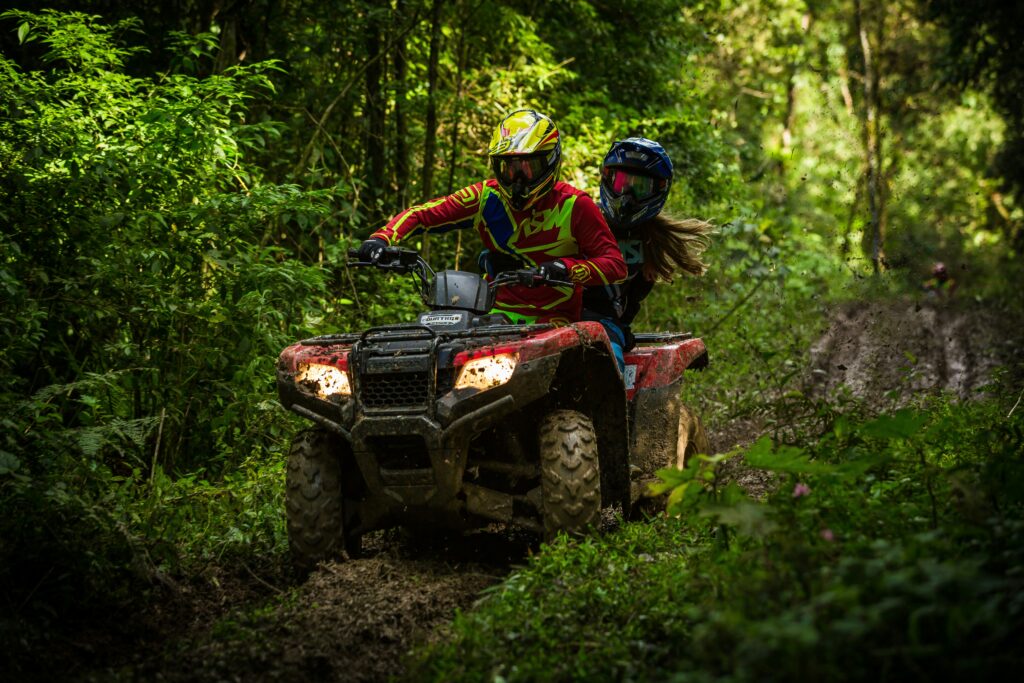
Quad Biking Near Jinja
Quad biking near Jinja starts on a dirt track behind a fuel station, not a purpose-built circuit. There’s a short briefing, then a few practice laps in an open field. After that, the trail opens into red-dirt roads that cut through sugar cane and banana plantations toward the Nile escarpment. Jinja is Uganda’s main hub for adventure sports beyond wildlife. Quad biking sits alongside white-water rafting, bungee jumping, and zip-lining as one of its signature activities. This guide covers what quad biking near Jinja actually involves, what else the area offers, and who the adrenaline side of a Uganda trip suits.
Why Jinja Became Uganda’s Adventure Hub
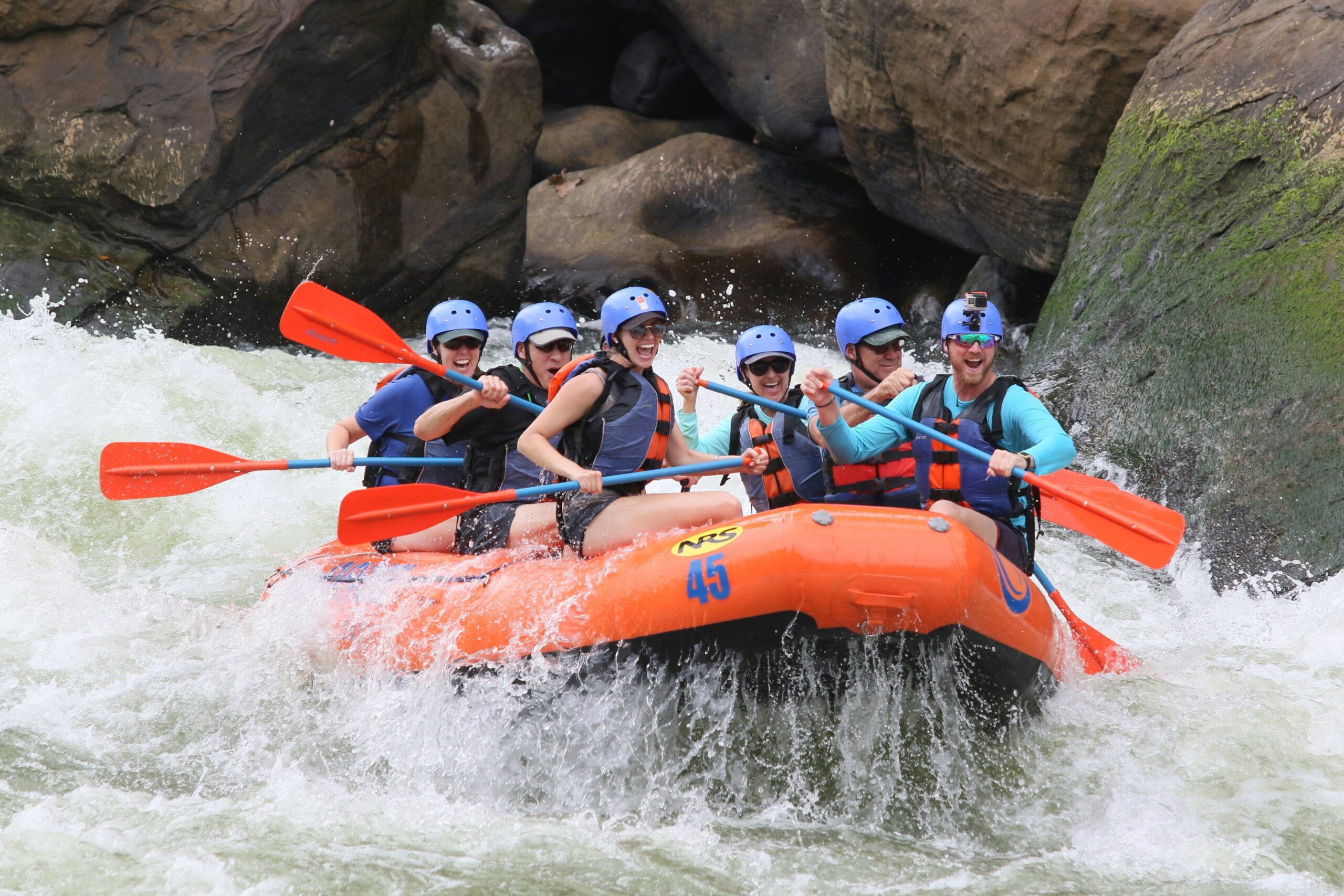
White water rafting
Jinja sits on the Nile, roughly two to three hours from Kampala by road. That river shaped the town’s tourism industry long before quad biking arrived. White-water rafting operators set up here first, drawn by the Nile’s rapids. Adventure sports companies followed, adding activities that don’t need white water at all.
Quad biking near Jinja fits neatly into that pattern. The terrain around the town suits it well. Open farmland, red laterite roads, and gentle hills rise toward the escarpment above the river. Operators run routes through working plantations rather than empty scrubland, so riders pass real village life along the way.
The Terrain: What a Quad Biking near Jinja Route Actually Covers
Most quad biking routes near Jinja run one to three hours. They cover somewhere between 15 and 40 kilometres, depending on the operator and package. Routes typically wind through sugar cane fields, past small trading centres, and along ridgelines with views down to the Nile. Some operators extend longer routes to a village stop, where riders can buy fruit or greet local farmers.
The riding itself demands more attention than a scenic drive would suggest. Red dirt turns slick after rain. Ruts form quickly on the busier routes. Riders control their own throttle and brakes throughout, with a guide leading the group and setting the pace. This isn’t a passenger experience — you steer, brake, and navigate the terrain yourself, under instruction.
Choosing Your Route: Short Loop, Sunset Ride, or Village Trail
Operators generally offer two or three route lengths. A short loop, often an hour or under, suits travellers slotting quad biking into a half-day alongside another activity. A longer two to three hour route covers more varied terrain and usually includes the village stop.
Sunset rides add another dimension entirely. Riders who choose the late-afternoon departure catch the escarpment in golden light. The Nile sits visible below as the sun drops. This option costs a little more at most operators. It also books up faster in peak season, so reserve it in advance if the timing matters to you.
Prices for quad biking near Jinja typically range from $40 to $90 per person. The exact figure depends on route length, and whether it’s a single or double-seat quad. Confirm current rates directly with your operator, since fuel costs shift these figures throughout the year.
What a Quad biking near Jinja Session Actually Looks Like
A typical booking starts with a safety briefing and a practice circuit in an open, flat area. Guides cover throttle control, braking, and basic hand signals before anyone reaches the open trail. This practice run matters more than it sounds. Several operators simply won’t let a rider continue without demonstrating basic control first.
Once on the trail, the group rides single file behind the lead guide. A second guide often takes the rear position. Stops happen naturally at viewpoints, river crossings, or village centres. Riders dismount, take photographs, and rest before continuing. Full sessions, briefing included, typically run two to four hours from arrival to return.
Dust is a constant companion on the drier routes. Most operators provide a bandana or buff for the nose and mouth, along with a helmet and goggles. Bring a change of clothes if you’re combining the ride with something else that day — you will get dirty.
Safety, Training and Honest Risks
Quad bikes are more stable than motorbikes, but they still carry real risk on uneven terrain. Riders occasionally tip a quad on a sharp corner or loose surface, particularly on routes taken too fast. Reputable operators set a maximum group speed and stop riders who push beyond it.
Ask any operator about their guide-to-rider ratio. Ask about their bike maintenance schedule too, and what happens if a rider gets hurt mid-route, given how far some trails run from town. An operator who answers specifically, rather than vaguely, is generally the safer choice. Helmets are compulsory at every operator worth using. Treat any company that treats this as optional as a red flag.
Some travellers should think carefully before booking quad biking near Jinja. That includes people with back or neck injuries, and anyone with limited upper-body strength. The quad demands active steering and braking throughout, so prior experience controlling a vehicle helps. Most operators set a minimum age for solo riders, often around 12. Younger children can usually still ride as a passenger on a double-seat quad.
Other Adventure Sports Near Jinja
Quad biking rarely stands alone on a Jinja itinerary. White-water rafting on the Nile’s Grade III to V rapids draws the biggest crowds. It runs as full-day or half-day trips from the same stretch of riverbank. Bungee jumping off a purpose-built tower near the river gives a shorter, sharper adrenaline hit for travellers with less time.
Zip-lining through forest canopy and horseback rides along quieter farm trails round out the area’s adventure offering. Gentler options exist too, like a sunset boat cruise for travellers who’d rather watch the river than ride beside it. Most travellers combine two or three activities across a single stay in Jinja, rather than choosing just one. The town is compact enough to fit several sessions into two or three days.
Best Time to Go and What It Costs
Jinja’s dry seasons offer the most reliable riding conditions for quad biking near Jinja, roughly December to February and June to September. Trails firm up, and dust settles into a manageable layer rather than a choking cloud. Wetter months turn the red dirt to mud. April and November, in particular, can force operators to shorten or reroute sessions.
Beyond the activity fee itself, budget for a helmet deposit at some operators. Factor in transport from Jinja town too, if your accommodation sits outside the centre. Combining quad biking with another activity on the same day often works out cheaper than booking each separately. A shorter rafting trip or a sunset cruise pairs well on the same afternoon.
Who Quad Biking Near Jinja Suits — and Who It Doesn’t
Quad biking near Jinja suits travellers who want an active, hands-on adventure without the technical skill or fitness that kayaking or serious hiking demands. It appeals particularly to groups and couples looking for a shared activity that doesn’t require previous experience. Families with older children riding as passengers tend to enjoy it too.
It suits some travellers less well. Anyone with back, neck, or shoulder injuries should look at gentler options instead, such as a Nile cruise or a village walking tour. Riders short on time might prefer a single hour-long loop over the full village trail. Those visiting only for wildlife may find quad biking sits awkwardly alongside a tightly scheduled gorilla trekking itinerary.
Conclusion
The question worth asking isn’t whether Jinja has enough adventure sports to fill a stay — it clearly does. It’s which of them actually match your appetite for physical activity and the time you have available. Quad biking near Jinja rewards travellers who want to steer their own experience, literally, through genuine rural Uganda rather than a sanitised tourist loop.
Terenga Safaris builds Jinja adventure days into wider Uganda itineraries. We pair quad biking with rafting, a sunset cruise, or onward travel toward the national parks, depending on how much adrenaline — and how much time — your trip allows.