
What Time Are Game Drives Conducted in Uganda?
June 10, 2026
Uganda Safari Costs Explained: Budget, Mid-Range and Luxury
June 11, 2026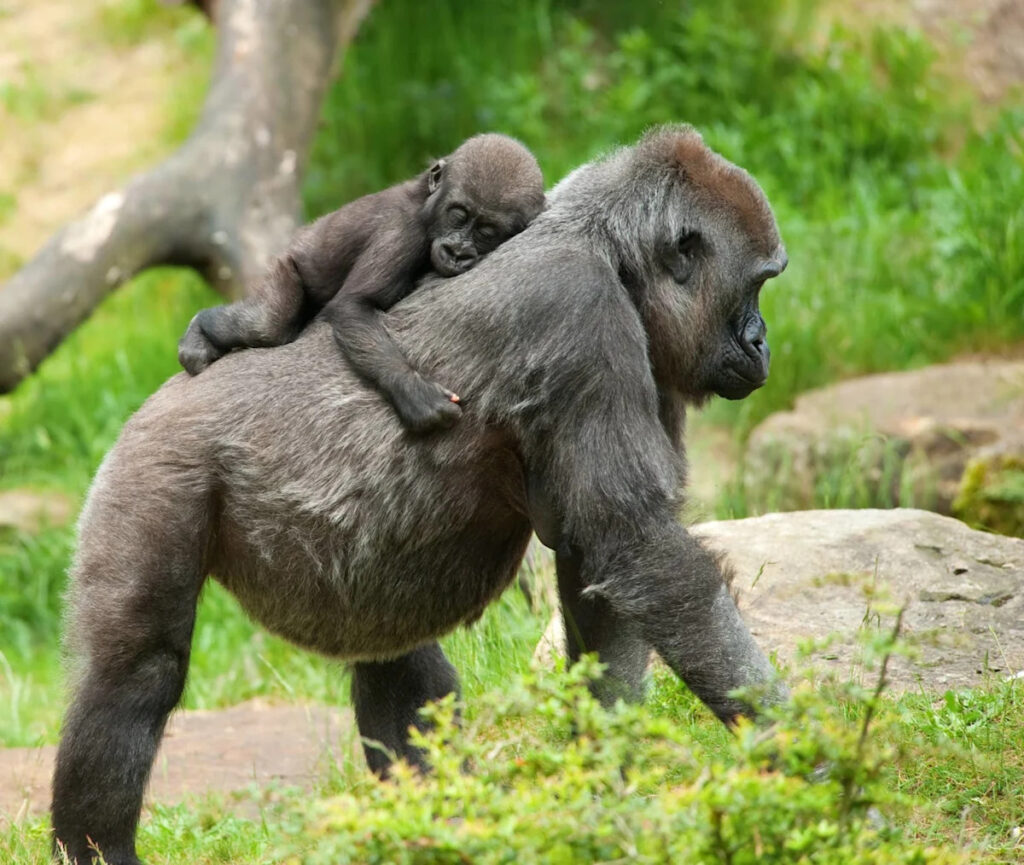
Planning your first safari raises legitimate questions: Which country? How safe is it? What will it cost? What should you pack? This first-time Uganda safari guide answers them all. Uganda is one of Africa’s most rewarding and still-undervisited destinations — home to mountain gorillas, chimpanzees, the Big Five, over 1,060 bird species, and landscapes that shift from equatorial rainforest to volcanic highlands to open Rift Valley savannah within a few days of driving. Its national parks remain spacious, its wildlife interactions intimate, and its gorilla trekking permits cost half the price of those in Rwanda. For travellers seeking depth, diversity, and genuine value, Uganda is difficult to match.
Why Choose Uganda for Your First Safari?
Uganda holds approximately 459 mountain gorillas — roughly half the global population — and is one of the only countries in the world where gorilla and chimpanzee trekking are both practical within a single itinerary. Queen Elizabeth and Murchison Falls National Parks deliver Big Five game drives, Nile boat cruises, and the famous tree-climbing lions of the Ishasha sector. The birding is world-class, the scenery is constantly changing, and the cultural warmth of Uganda’s more than fifty ethnic communities adds a dimension to the experience that wildlife alone cannot provide. Gorilla trekking permits cost USD 800 per person — compared to USD 1,500 in Rwanda — making Uganda outstanding value without any compromise in the quality of the wildlife encounter.
Best Time to Visit Uganda
Uganda straddles the equator and experiences two dry seasons and two wet seasons annually, meaning wildlife viewing is possible year-round. The table below summarises each period:
| Season | Months | Key Characteristics |
| Long Dry Season | June – August | Peak gorilla trekking, firm trails, best game viewing — book 6–12 months in advance |
| Short Dry Season | Dec – February | Excellent trekking and wildlife, popular festive period |
| Short Wet Season | Sept – November | Green landscapes, good birding, lower rates, quieter parks |
| Long Wet Season | March – May | Heaviest rain, muddier trails, lowest rates, lush scenery |
June to August and December to February are the recommended windows for gorilla trekking — drier trails, firmer terrain, and more predictable conditions. That said, the gorilla encounter itself is no less extraordinary in the green season, and lower visitor numbers and reduced lodge rates can make the wetter months an intelligent choice for flexible travellers.
Uganda’s Top Safari Destinations
Six national parks form the core of any Uganda safari itinerary, each offering a distinct experience:
- Bwindi Impenetrable National Park: A UNESCO World Heritage Site and the centre of the gorilla trekking world. Over twenty habituated gorilla families across four trekking sectors. Also outstanding for forest birding and Batwa cultural experiences.
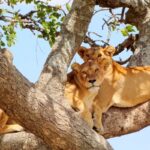
- Queen Elizabeth National Park: Uganda’s most visited park, spanning the Great Rift Valley floor. Renowned for the Kazinga Channel boat cruise, tree-climbing lions in Ishasha, and diverse savannah wildlife across 95 mammal species.
- Murchison Falls National Park: Uganda’s largest park, home to the world’s most powerful waterfall. Excellent elephant, buffalo, giraffe, and lion populations, and one of East Africa’s great Nile boat cruises.
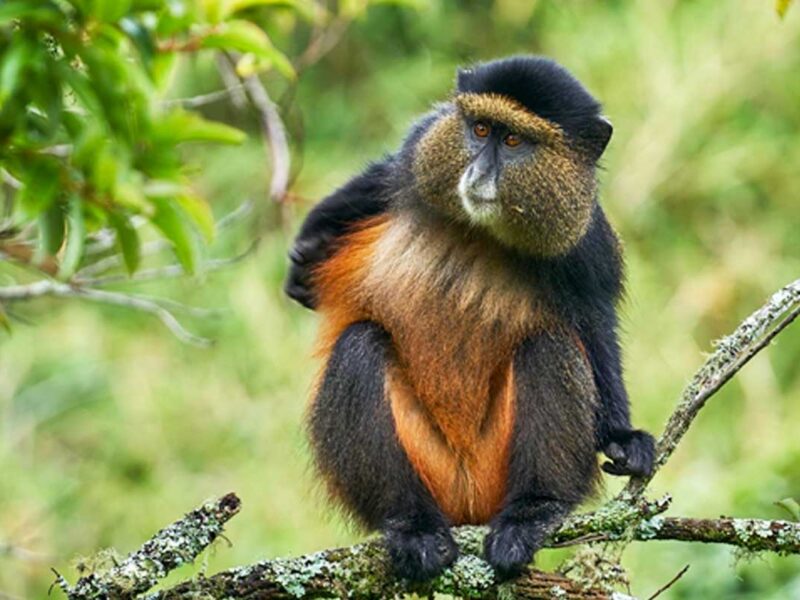
- Kibale Forest National Park: East Africa’s premier chimpanzee trekking destination, with over 1,500 chimpanzees and twelve additional primate species. Combines naturally with Queen Elizabeth and Bwindi on a western circuit itinerary.
- Lake Mburo National Park: The most accessible park from Kampala. Notable for zebra, impala, and eland — species rare elsewhere in Uganda — and the only park offering horseback safaris.
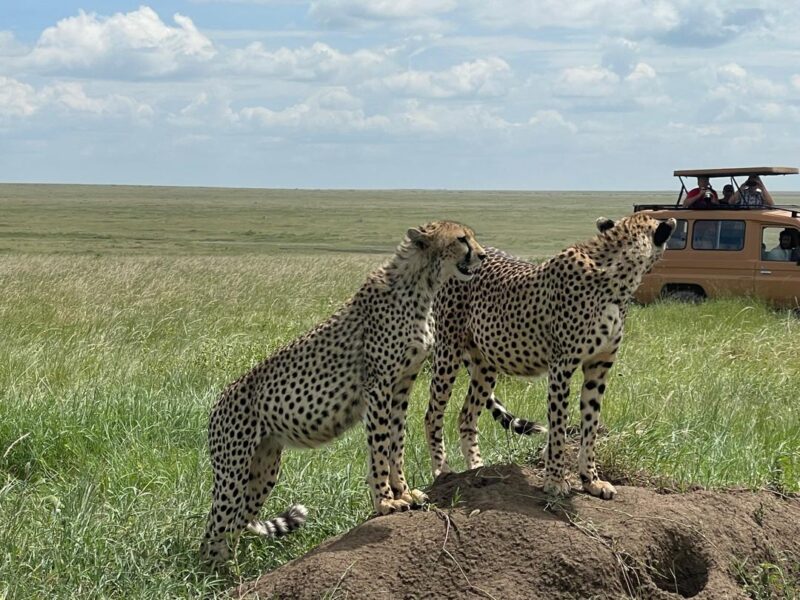
- Kidepo Valley National Park: Uganda’s most remote and dramatic park, home to cheetah, African wild dog, and large elephant herds. A crowd-free experience for adventurous travellers willing to make the journey north.
Gorilla Trekking: What First-Timers Should Know
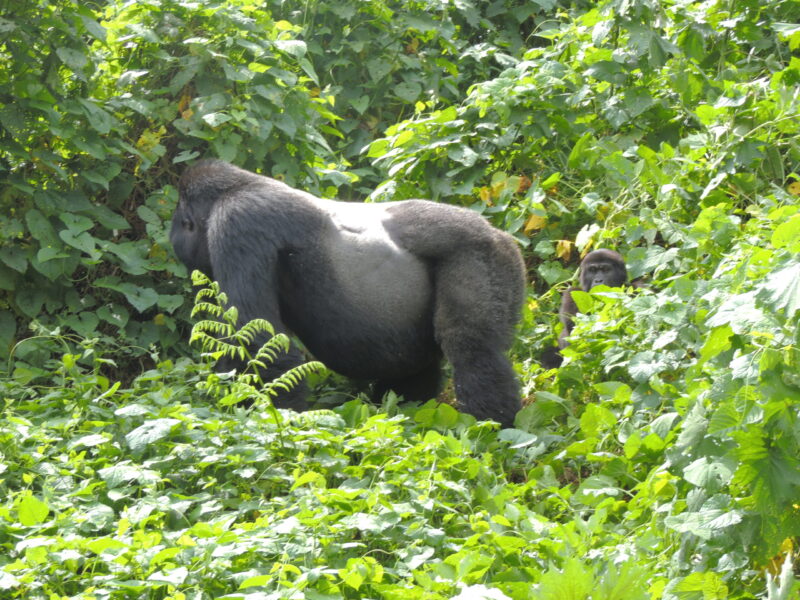
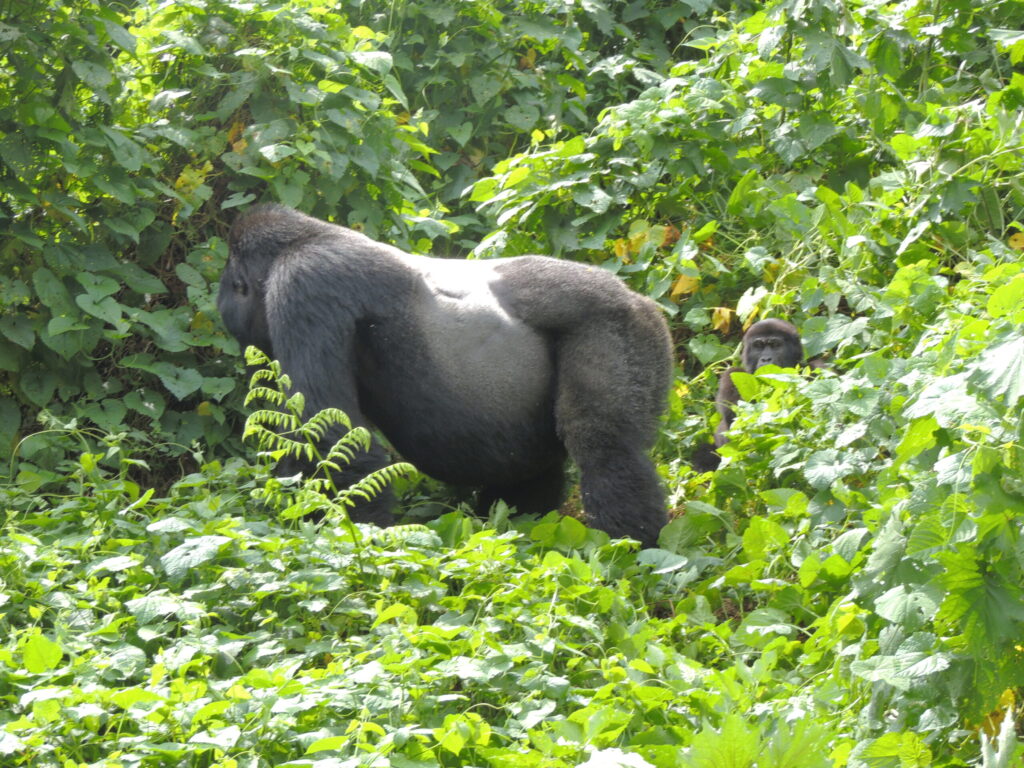
Gorilla trekking begins at park headquarters at approximately 07:30 with a ranger briefing. Groups of a maximum of eight trekkers are assigned to specific gorilla families, with experienced trackers already in the forest locating the family. Once contact is made, you spend exactly one hour with the gorillas — close enough to observe a silverback at rest, infants at play, and the subtle social interactions of the group. The trek itself lasts two to eight hours depending on the family’s location that day.
Key facts for first-timers: the permit costs USD 800 per person and must be booked well in advance — six to twelve months ahead for peak season travel. The minimum age is 15 years. The terrain is rated moderate to strenuous; porters are available and strongly recommended. Maintain a minimum seven-metre distance at all times, wear a face mask near the gorillas, use no flash photography, and carry out all waste. Nothing about the experience requires extraordinary fitness — just a willingness to walk steadily through the forest.
How Much Does a Uganda Safari Cost?
Uganda safaris span three broad budget tiers. Budget safaris (USD 150–300 per person per day) involve shared vehicles, simple guesthouses, and set-menu meals. Mid-range safaris (USD 300–600 per day) offer comfortable en-suite lodges, private transport, and all meals. Luxury safaris (USD 600–1,500+ per day) provide award-winning lodges, private guiding, and premium experiences throughout. A well-structured 7-day mid-range safari including one gorilla permit typically costs between USD 3,500 and USD 5,000 per person, all-inclusive — excluding international flights. Additional costs to budget for include the chimpanzee permit (USD 250), Uganda visa (USD 50), travel insurance (USD 60–200), and guide gratuities (USD 10–20 per day).
Essential Packing List
Uganda’s climate and terrain demand practical preparation. The essentials:
- Clothing: Neutral-coloured, lightweight shirts and trousers (avoid blue — attracts tsetse flies). Long sleeves and trousers for treks. Fleece mid-layer, waterproof jacket, wide-brim hat.
- Footwear: Waterproof ankle-support hiking boots for trekking. Sandals for lodge use.
- Health: Antimalarial medication, yellow fever certificate (legally required for entry), DEET insect repellent, SPF 50 sunscreen, basic first-aid kit, face masks.
- Electronics: Camera with 200mm+ zoom lens, spare batteries, universal Type G adaptor, power bank, headlamp.
- Trekking: 20–30 litre daypack, reusable 1.5-litre water bottle, lightweight gloves for steep sections, binoculars (8×42 recommended).
- Documents: Passport (6+ months validity), yellow fever certificate, e-visa confirmation, travel insurance certificate, permit copies.
Is Uganda Safe for Tourists?
Uganda is a safe destination for tourists who exercise standard travel awareness. National park regions are peaceful, and violent crime against visitors is rare. All safari activities are conducted under the supervision of Uganda Wildlife Authority rangers and qualified professional guides. The most significant health consideration is malaria — antimalarial prophylaxis and insect repellent are essential. Yellow fever vaccination is a legal entry requirement. Drink only bottled or purified water, and avoid swimming in open freshwater due to bilharzia risk. Solo travellers are well-catered for; Terenga Safaris can arrange small-group departures or fully private itineraries depending on preference.
Sample Safari Itineraries
- 3-Day Gorilla Trekking Safari: Fly to Bwindi, trek with the gorillas, optional forest walk or cultural visit. Ideal for time-limited travellers adding Uganda onto a wider East Africa trip.
- 5-Day Primates & Wildlife Safari: Kibale Forest chimpanzee trekking, Queen Elizabeth game drives and Kazinga Channel cruise, and Bwindi gorilla trekking. Best first introduction to Uganda’s wildlife diversity.
- 7-Day Classic Uganda Safari: The benchmark itinerary — Entebbe, Lake Mburo, Queen Elizabeth, Kibale Forest, and Bwindi. Unhurried and comprehensive. Ideal for first-time Africa travellers and families.
- 10-Day Uganda Explorer Adventure: Adds Murchison Falls in the north and a Kampala cultural day. For adventurous first-timers and photographers wanting to cover Uganda’s full geographic range.
Why Travel with Terenga Safaris?
Terenga Safaris is a specialist East and Central African safari operator with first-hand knowledge of every park, every lodge, and every seasonal nuance across Uganda’s safari circuit. Our certified guides carry first-aid qualifications, speak excellent English, and have years of experience with first-time safari visitors. Every itinerary is built from scratch around your interests, travel dates, fitness level, and budget. We work exclusively with accommodation providers that practise responsible tourism, strictly follow Uganda Wildlife Authority and IGCP trekking guidelines, and provide 24/7 in-destination support from arrival to departure. We also tell you what a safari genuinely involves — including the challenging parts — so there are no surprises on the trail.
Ready to Plan Your First Uganda Safari?
Uganda rewards those who choose it. Its wildlife is extraordinary, its landscapes are diverse and dramatic, and its people make visitors feel genuinely welcome. The key practical takeaways: book your gorilla permit at least six months ahead for peak season, travel in the dry season where possible, pack layers and solid waterproof boots, and budget honestly for all costs before you commit.
| Contact Terenga Safaris today for a free, no-obligation consultation.
Tell us your travel dates, group size, and the kind of experience you are hoping for. We will send you a tailored itinerary, permit availability update, and honest advice — with no pressure to book.
www.terengasafaris.com • info@terengasafaris.com |

4 Comments
This guide answered almost every question I had before booking. Thank you for putting everything in one place.
Terenga Safaris is always committed to addressing all customer queries.
This was incredibly helpful! I’ve been debating between Kenya and Uganda for our first safari, and the gorilla trekking experience has definitely convinced me to add Uganda to the top of our list.”
Wow…..This is incredibly helpful. Most articles say Uganda is cheaper without explaining why! Seeing the 2026 permit prices(US$1,500 for Rwanda vs US$800 for Uganda) compared side by side really helps with our budget planning.
I also appreciate the reminder about East African Tourist Visa-
I had no idea one VISA could cover the entire cross-boarder trip.