Is Rwanda Worth Visiting Besides Gorilla Trekking?
July 15, 2026What Is the Best Park for Photography in East Africa?
East Africa is a dream destination for photographers, offering some of the world’s most spectacular landscapes, abundant wildlife, and dramatic natural scenery. Whether you’re an amateur photographer capturing memories on a smartphone or a professional carrying high-end camera equipment, the region provides endless opportunities to create breathtaking images.
One question that often comes up among wildlife enthusiasts and travelers is:
What is the best park for photography in East Africa?
The truth is that there is no single answer. Each national park offers unique photographic opportunities, from dramatic predator encounters and mountain gorillas to flamingo-covered lakes and snow-capped mountains. The best park ultimately depends on the type of photography you enjoy most.
Here are some of East Africa’s top photography destinations and what makes each one exceptional.
Serengeti National Park, Tanzania
For classic African wildlife photography, few places can rival Serengeti National Park. Its endless golden plains, scattered acacia trees, and incredible concentration of wildlife provide iconic safari scenes that have become synonymous with Africa.
Photographers visiting the Serengeti have excellent chances of capturing:
- Lions resting on kopjes
- Cheetahs hunting across open grasslands
- Leopards lounging in trees
- Massive elephant herds
- Giraffes silhouetted against sunsets
- The Great Wildebeest Migration
The wide-open landscapes make it easier to photograph animals in their natural habitat, while sunrise and sunset create stunning golden lighting known as the “golden hour.”
Maasai Mara National Reserve, Kenya
Connected to Tanzania’s Serengeti ecosystem, the Maasai Mara is another world-renowned destination for wildlife photography.
The reserve is famous for:
* The Great Migration river crossings
* Large prides of lions
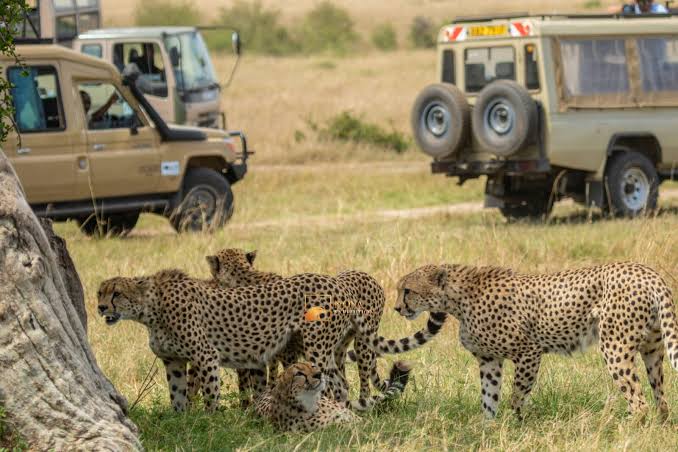
* Cheetahs hunting in open grasslands
* African elephants
* Hyenas and jackals
* Beautiful rolling savannahs
Photographers often consider the Mara one of the best places in Africa to capture dramatic predator action, especially during the migration season between July and October.
The breathtaking sunsets and expansive landscapes provide exceptional opportunities for landscape photography as well.
## Bwindi Impenetrable National Park, Uganda
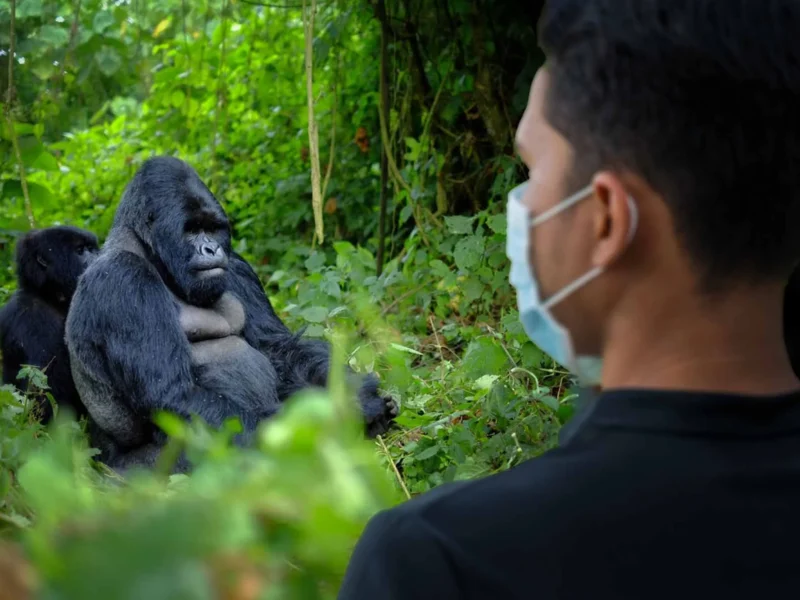
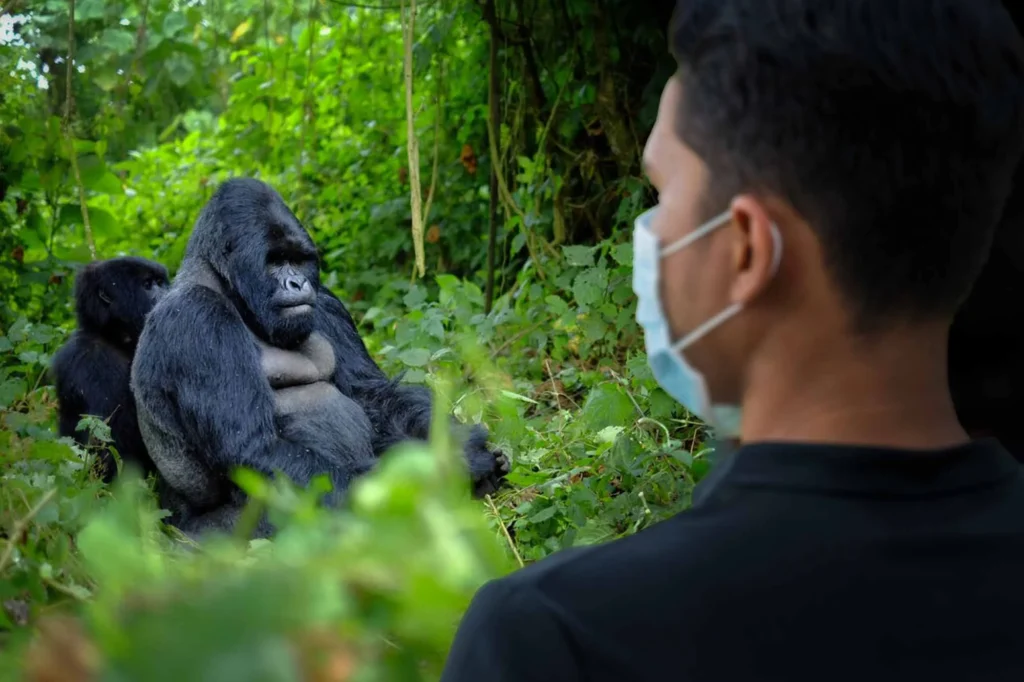
For those interested in wildlife portrait photography, Bwindi Impenetrable National Park offers an experience unlike anywhere else in the world.
Home to nearly half of the world’s remaining mountain gorillas, Bwindi allows visitors to photograph these gentle giants in their natural rainforest habitat.
Photographing gorillas presents unique challenges due to dense vegetation and varying light conditions, but the rewards are extraordinary. Close-up images capturing a gorilla’s expressive eyes, playful young gorillas interacting with their families, and silverbacks resting peacefully are among Africa’s most treasured wildlife photographs.
Because visitors spend up to one hour with a habituated gorilla family, photographers have ample time to compose memorable shots.
Queen Elizabeth National Park, Uganda
Queen Elizabeth National Park is one of East Africa’s most diverse photography destinations. Its varied ecosystems include savannah, wetlands, forests, crater lakes, and the famous Kazinga Channel.
Photography highlights include:
* Tree-climbing lions in the Ishasha sector
* Elephants grazing on open plains
* Hippos and crocodiles along the Kazinga Channel
* Large buffalo herds
* Spectacular sunsets over crater lakes
* More than 600 bird species
Boat cruises on the Kazinga Channel offer unique low-angle photography opportunities rarely available from traditional safari vehicles.
Amboseli National Park, Kenya
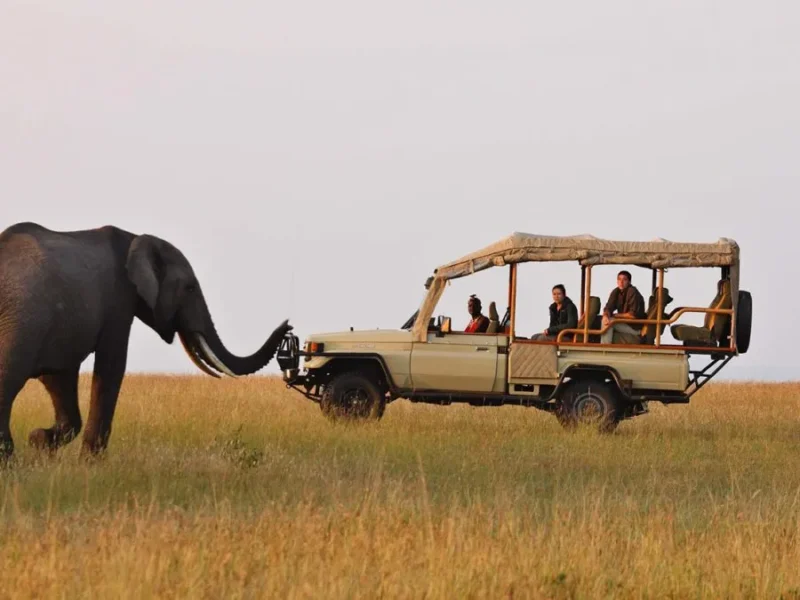
Few places in Africa offer a more iconic backdrop than Amboseli National Park.
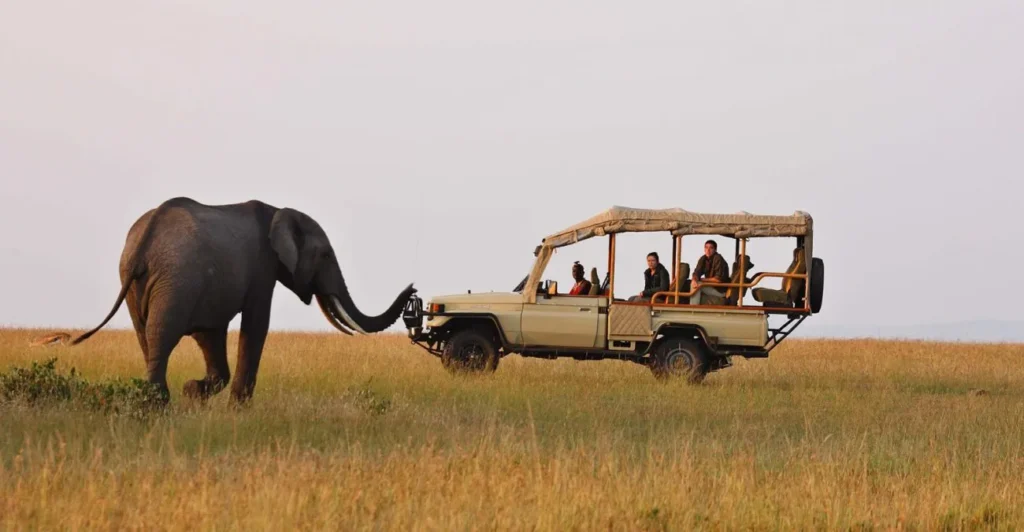
Large herds of elephants roam the plains beneath the towering snow-capped peak of Mount Kilimanjaro, creating one of the continent’s most recognizable safari images.
Photographers visit Amboseli for:
* Close encounters with elephants
* Kilimanjaro landscapes
* Dust-filled sunset scenes
* Giraffes and zebras
* Beautiful reflections during the rainy season
Morning hours often provide the clearest views of Mount Kilimanjaro before clouds gather around the summit.
## Ngorongoro Conservation Area, Tanzania
The Ngorongoro Crater offers one of the highest concentrations of wildlife in Africa within a relatively compact area.
Photographers can often capture multiple species in a single game drive, including:
* Black rhinos
* Lions
* Elephants
* Buffaloes
* Hippos
* Flamingos
* Hyenas
The crater walls create dramatic natural framing for wildlife photography, while elevated viewpoints offer stunning panoramic landscapes.
Lake Nakuru National Park, Kenya
Bird photographers particularly enjoy Lake Nakuru National Park.
Although flamingo numbers fluctuate throughout the year, the park remains an outstanding destination for photographing:
* Flamingos
* Pelicans
* African fish eagles
* White rhinos
* Black rhinos
* Rothschild’s giraffes
The lake’s reflective waters create beautiful compositions, especially during sunrise and sunset.
Murchison Falls National Park, Uganda
Murchison Falls National Park combines powerful landscapes with exceptional wildlife viewing.
Photographers can capture:
* The mighty Murchison Falls
* Nile River boat safaris
* Elephants and giraffes
* Lions
* Hippos
* Crocodiles
* Colorful birdlife
The dramatic waterfall, where the Nile squeezes through a narrow rock gorge before plunging into the river below, offers one of East Africa’s most spectacular landscape photography opportunities.
Best Park for Bird Photography
If birds are your primary focus, Uganda is widely regarded as one of Africa’s premier birdwatching destinations, with more than 1,090 recorded bird species.
Outstanding bird photography locations include:
* Queen Elizabeth National Park
* Murchison Falls National Park
* Kibale National Park
* Mabamba Swamp
* Semuliki National Park
Photographers may encounter species ranging from kingfishers and bee-eaters to shoebills, hornbills, turacos, and African fish eagles.
Best Time for Photography
Lighting is one of the most important factors in wildlife photography.
The best times to photograph wildlife are:
* Early morning shortly after sunrise
* Late afternoon before sunset
These periods provide soft, warm lighting that enhances colors, reduces harsh shadows, and coincides with increased animal activity.
The dry seasons, generally from June to October and December to February, also offer excellent visibility and easier wildlife viewing, making them ideal times for photography safaris.
Tips for an Amazing Photography Safari
To make the most of your photography adventure:
* Bring a camera with a telephoto lens for wildlife.
* Carry extra memory cards and batteries.
* Pack a bean bag or camera support for use in safari vehicles.
* Keep your equipment protected from dust and rain.
* Be patient—great wildlife photographs often require waiting quietly.
* Respect wildlife by maintaining safe distances and avoiding sudden movements.
* Listen to your guide, who can help position the vehicle for the best photographic angles.
Should You Choose a Photography Safari?
If photography is one of your main reasons for visiting East Africa, consider booking a dedicated photography safari.
Unlike standard safaris, photography-focused tours often feature:
* Smaller groups
* Flexible schedules
* Longer wildlife viewing sessions
* Guides experienced in positioning vehicles for optimal lighting and angles
* Customized itineraries based on wildlife behavior and seasonal events
Many safari operators, including Terenga Safaris, can tailor photography safaris across Uganda, Kenya, Tanzania, and Rwanda, allowing photographers to maximize opportunities while exploring some of Africa’s most iconic landscapes and wildlife destinations.
East Africa is one of the world’s finest destinations for wildlife and nature photography. Whether you dream of capturing mountain gorillas in Uganda, elephants beneath Mount Kilimanjaro in Kenya, lions roaming the Serengeti, or flamingos decorating the shores of Rift Valley lakes, the region offers unforgettable photographic experiences.
There is no single “best” park for photography because each destination offers something unique. By choosing a park that matches your interests—whether wildlife, landscapes, birds, or primates—you’ll return home with extraordinary images and memories that last a lifetime.