Are Game Drives Conducted Every Day?
June 20, 2026
The Ultimate Uganda Gorilla Trekking Packing List: What to Bring and Why It Matters
June 22, 2026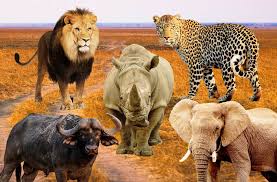
East Africa’s Best Experiences Beyond the Big Five
Ask most first-time travellers what they want from an African safari, and the answer is usually the same: lions, elephants, buffalo, leopards, rhino. But East Africa’s best experiences beyond the Big Five reveal a region with far more depth than a wildlife checklist can capture. From gorilla families deep in Uganda’s forests to centuries-old cultural traditions still practised today, this is a part of the world where the most memorable moments often happen between the game drives, not during them. This article looks at the experiences that give East African travel its lasting impact.
Why East Africa Offers More Than the Big Five
East Africa’s geography is unusually varied for one region—rainforest, savannah, wetland, volcanic highland and freshwater lake systems all sit within a few hours’ drive of each other. That diversity supports an equally varied range of wildlife and activities, from primates found nowhere else on Earth to some of the richest birdlife on the continent.
The region’s conservation record adds further weight. Mountain gorilla numbers have grown steadily over recent decades thanks to sustained protection efforts, while community-based tourism models across Uganda and Tanzania have shown that conservation and local livelihoods can reinforce each other rather than compete. Add a strong adventure tourism scene—white-water rafting, hiking, canoeing—and it’s clear why East Africa rewards travellers willing to look past the obvious.
East Africa’s Best Experiences Beyond the Big Five
Gorilla Trekking in Uganda
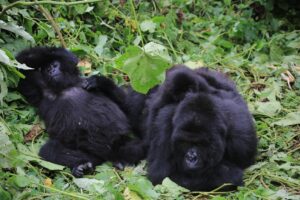
Few wildlife encounters carry the emotional weight of standing near a wild mountain gorilla family in Bwindi Impenetrable Forest. Beyond the thrill, there’s real conservation significance: permit fees directly fund park protection and community programmes, making each trek part of a wider recovery story for one of the world’s most endangered great apes.
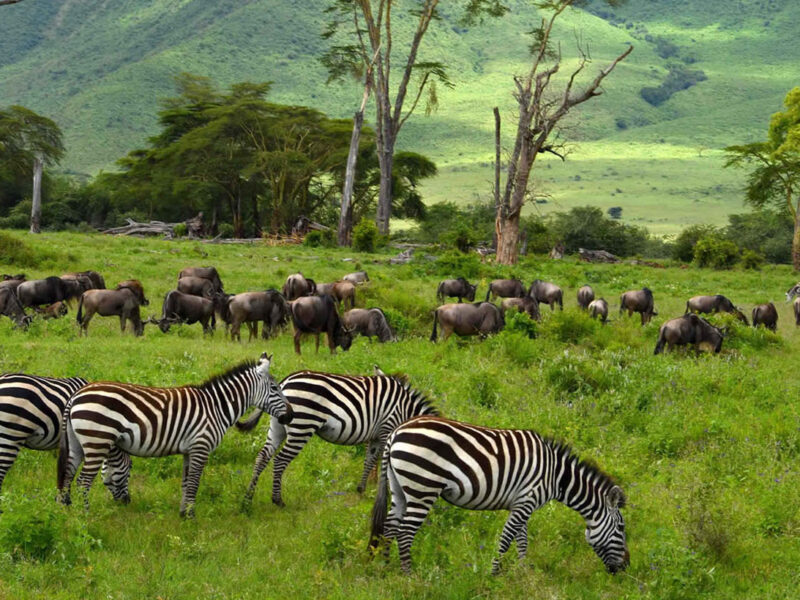
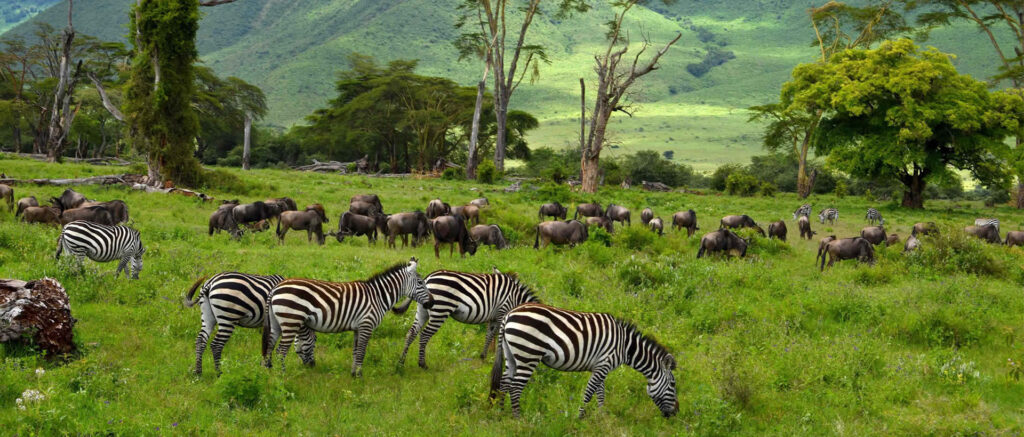
Witnessing the Great Migration
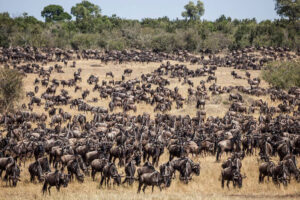
The annual movement of over a million wildebeest and zebra between Tanzania’s Serengeti and Kenya’s Maasai Mara remains one of nature’s most extraordinary spectacles. Timing matters here—river crossings and calving season fall at different points in the year—so it’s worth planning around the migration’s seasonal rhythm rather than assuming it’s a year-round sight.
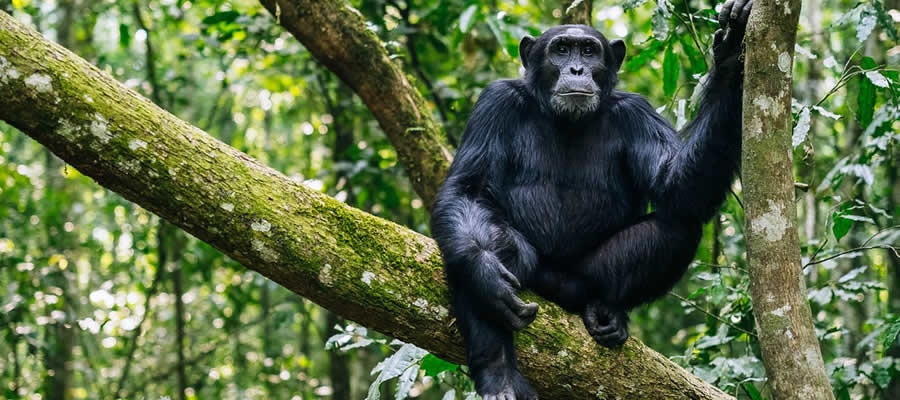
Chimpanzee Tracking
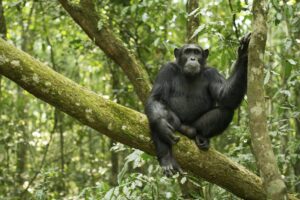
Watching chimpanzees forage, call, and interact in places like Kibale Forest offers something gorilla trekking doesn’t: noise, speed, and a more visibly dynamic social group. Sharing close to 98% of our DNA, chimpanzees often feel startlingly familiar, making this one of East Africa’s most underrated primate experiences.
Birdwatching Across East Africa
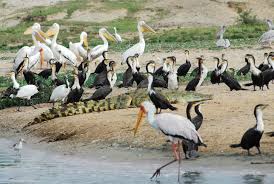
With over 1,000 recorded bird species in Uganda alone, East Africa is a serious birdwatching destination, not just a safari add-on. Wetlands like Mabamba Swamp draw dedicated birders hoping to spot the elusive shoebill stork, while the Kazinga Channel and Rift Valley lakes offer exceptional variety for casual and committed birdwatchers alike.
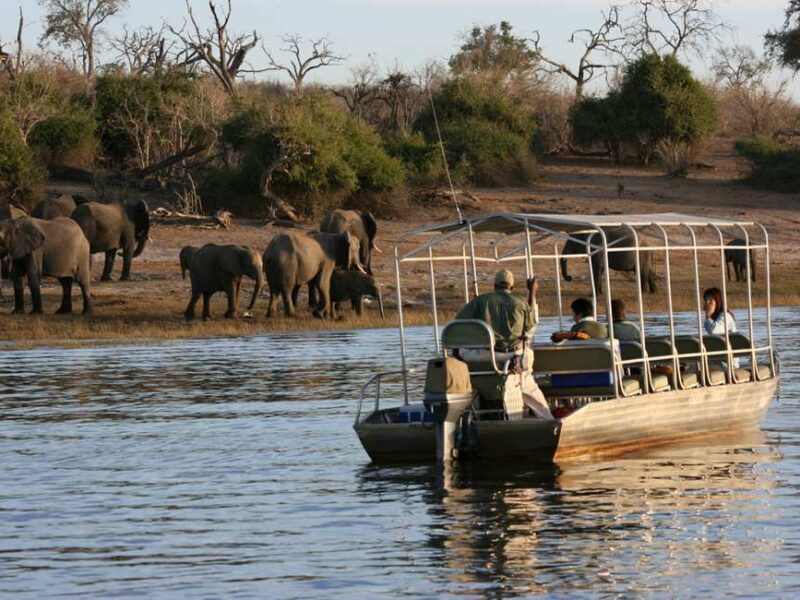
Boat Safaris
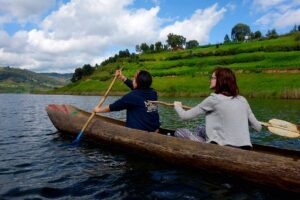
Can I Go Canoeing or Kayaking on Lake Bunyonyi
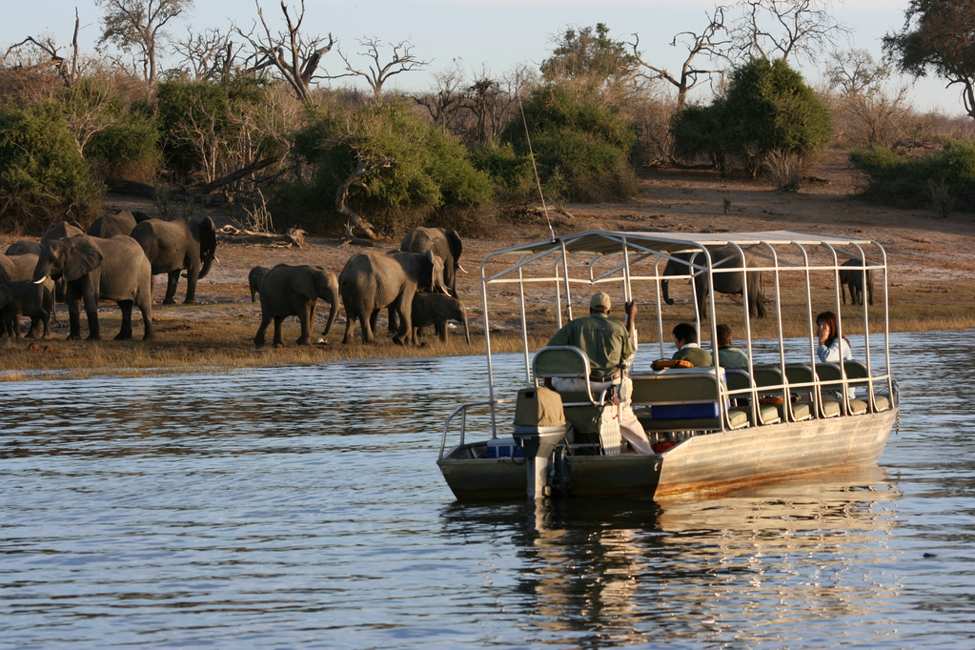
Cruises along the Kazinga Channel or the Victoria Nile at Murchison Falls put travellers at eye level with hippos, crocodiles and elephants drinking at the water’s edge—often more comfortably and at closer range than a vehicle allows. It’s a quieter, more contemplative way to experience wildlife between more active days.
Cultural Encounters
Village visits, traditional dance performances, and shared meals with local communities offer something a game drive can’t: context. Understanding how communities living alongside wildlife relate to conservation, land and tradition adds depth to a trip that wildlife viewing alone doesn’t provide.
Walking Safaris
Exploring on foot, guided by an experienced ranger, changes the pace entirely. Tracking, animal signs, and smaller details—insects, plants, birdsong—become noticeable in a way they rarely are from a vehicle. It’s a more immersive, occasionally more vulnerable way to experience the bush.
Which Experience Is Right for You?
Families often do best combining boat safaris with shorter cultural visits, both manageable for children. Couples and honeymooners frequently gravitate toward gorilla trekking or walking safaris for their intimacy. Wildlife photographers should prioritise the Great Migration and boat safaris for unobstructed sightlines. Adventure seekers will find walking safaris and chimpanzee tracking more physically engaging, while first-time visitors benefit from combining one signature experience, such as gorilla trekking, with a more relaxed boat safari. Repeat travellers often use return trips to go deeper into birdwatching or cultural tourism they didn’t have time for previously.
What Are East Africa’s Best Experiences Beyond the Big Five?
East Africa’s best experiences beyond the Big Five include gorilla trekking in Uganda, witnessing the Great Migration, chimpanzee tracking, birdwatching, boat safaris along the Nile and Kazinga Channel, and authentic cultural encounters with local communities—each offering a deeper, more varied perspective than wildlife viewing alone.
Frequently Asked Questions
What is the Big Five? The Big Five refers to lion, leopard, elephant, buffalo and rhino—originally a hunting term, now used to describe the most sought-after wildlife sightings on safari.
Is East Africa worth visiting without seeing the Big Five? Yes. Experiences like gorilla trekking, chimpanzee tracking and birdwatching offer rewards entirely independent of Big Five sightings.
Which country offers the best gorilla trekking? Uganda, home to roughly half the world’s mountain gorillas in Bwindi Impenetrable National Park, alongside Rwanda’s Volcanoes National Park.
What is the best time to visit East Africa? This depends on the experience—dry seasons generally suit wildlife viewing and trekking, while migration timing varies by location within Kenya and Tanzania.
Are cultural experiences included in safaris? Many itineraries can include cultural visits alongside wildlife activities, though it’s worth requesting this specifically when planning.
Can I combine several experiences in one trip? Yes. Uganda in particular allows travellers to combine gorilla trekking, boat safaris, birdwatching and cultural visits within a single, well-planned itinerary.
Why Choose Terenga Safaris?
Terenga Safaris designs itineraries around the full range of East African experiences, not just traditional game drives. Our local expertise spans Uganda, Kenya, Tanzania and Rwanda, allowing us to plan cross-border itineraries that combine gorilla trekking, the Great Migration, and cultural encounters where it makes sense to do so. We work with experienced guides, prioritise responsible tourism practices, and tailor each trip to the traveller in front of us rather than a fixed template.
Conclusion
East Africa’s best experiences beyond the Big Five prove that the region’s real value lies in its range—forests, rivers, savannahs and communities, each offering something a wildlife checklist can’t. Travellers who build their itinerary around variety rather than ticking off animals tend to come home with the stories that last longest.
If you’d like help designing a trip that goes beyond the obvious, Terenga Safaris would be glad to build an East African itinerary around the experiences that matter most to you.
Featured Snippet Table
| Experience | Country | Why It’s Unique |
|---|---|---|
| Gorilla Trekking | Uganda | Close encounters with endangered mountain gorillas, directly funding conservation |
| Great Migration | Kenya/Tanzania | One of nature’s largest and most dramatic wildlife movements |
| Chimpanzee Tracking | Uganda | Dynamic, vocal encounters with one of our closest living relatives |
| Boat Safari | Uganda | Eye-level wildlife viewing along the Nile and Kazinga Channel |
| Birdwatching | East Africa | Exceptional species diversity, including the rare shoebill stork |
| Cultural Experiences | East Africa | Authentic context and connection beyond wildlife viewing |