Is Gorilla Trekking Worth the Money?
June 25, 2026
The Best Volcano Adventures in East Africa: A Complete Travel Guide.
June 26, 2026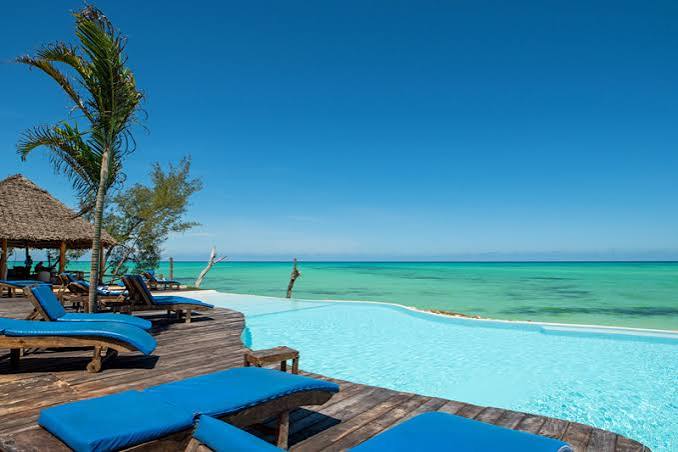
Uganda Safari vs Beach Holiday: Which Is Right for You?
Should you spend your holiday tracking mountain gorillas through rainforest mist — or stretched out on a white-sand beach listening to the Indian Ocean? It is one of the most common dilemmas facing travellers planning an African escape, and there is no single right answer.
A Uganda safari vs beach holiday comparison reveals two profoundly different experiences. Both offer unforgettable memories; they simply deliver them in different ways. One demands your full attention and rewards it with wildlife encounters you will recall for the rest of your life. The other asks you to slow down, breathe, and reconnect.
This guide walks through what each holiday genuinely involves — the highlights, the costs, the practical realities, and which experience suits which type of traveller. By the end, you will have a much clearer sense of where your next trip should take you.
What Is a Uganda Safari?
A Uganda safari is an immersive journey into one of Africa’s most biologically diverse countries. Uganda sits on the equator, sharing borders with the Democratic Republic of Congo, Rwanda, Kenya, Tanzania, and South Sudan — a geography that has produced an extraordinary concentration of wildlife within a relatively compact area.
Gorilla trekking in Bwindi Impenetrable National Park or Mgahinga Gorilla National Park is the defining experience. Uganda is home to roughly half of the world’s remaining mountain gorillas, and spending an hour in the presence of a silverback family is unlike anything else in wildlife travel.
Beyond gorillas, Uganda offers:
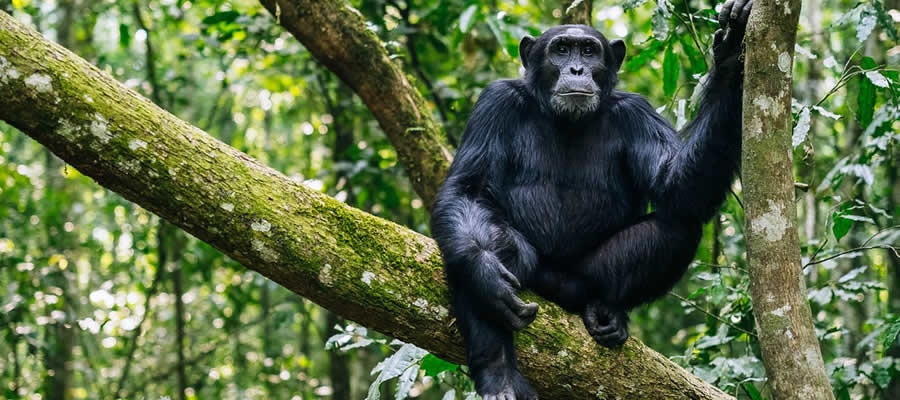
- Chimpanzee tracking in Kibale National Park, which holds one of Africa’s highest densities of primates
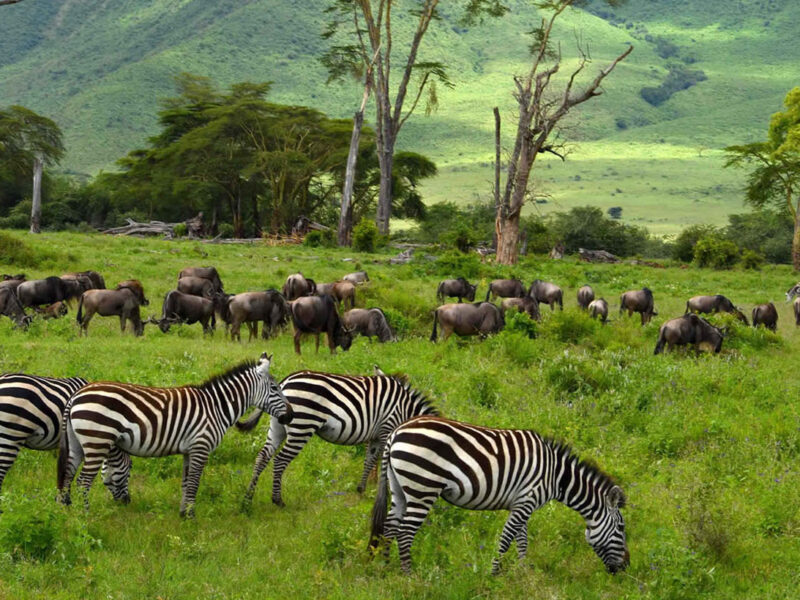
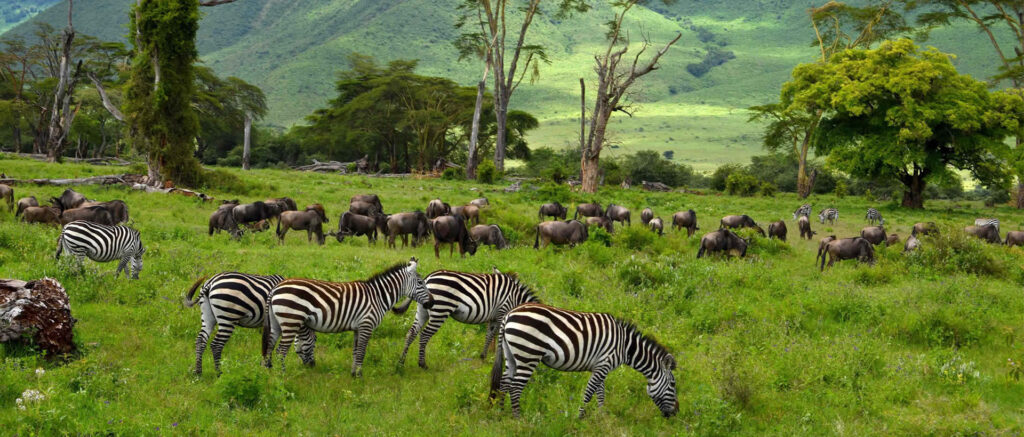
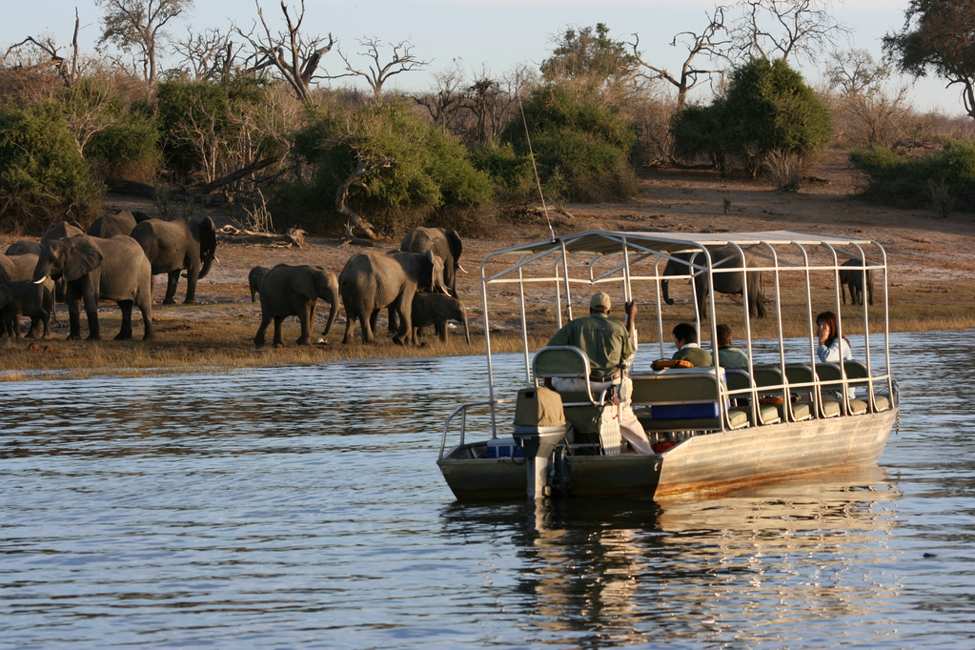
- Big game drives through Queen Elizabeth National Park and Murchison Falls National Park
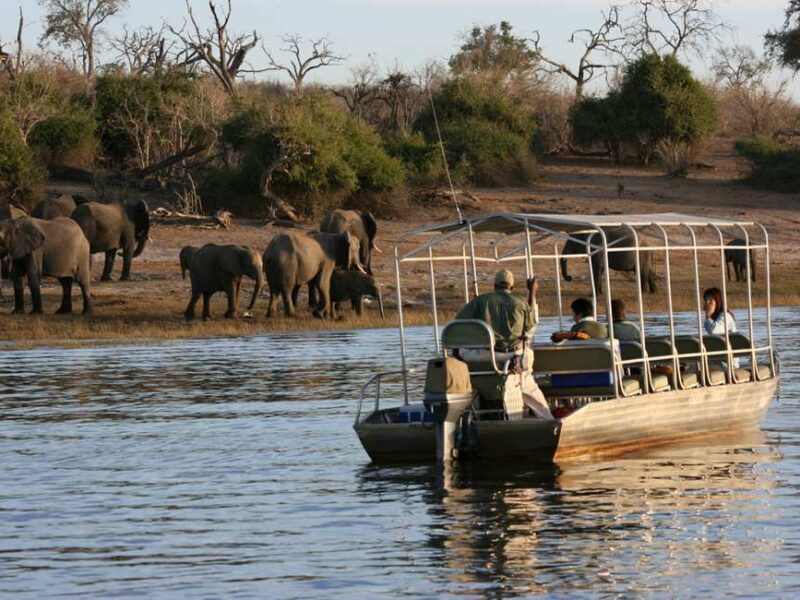
- Boat safaris on the Kazinga Channel and below Murchison Falls
- Birdwatching — Uganda has over 1,000 recorded bird species, including the sought-after shoebill stork
- Cultural visits to Batwa communities, local fishing villages, and traditional kingdoms
- Adventure activities including whitewater rafting on the Nile, forest walks, and mountain hiking
Uganda safaris can be tailored from budget camping trips to high-end stays in boutique lodges and private forest camps.
What Defines a Beach Holiday?
A beach holiday in East Africa means something quite different to a European seaside break. The Indian Ocean coastline stretches from Kenya through Tanzania and beyond, offering warm turquoise water, palm-fringed beaches, and a cultural richness shaped by centuries of Swahili, Arab, and Portuguese influence.
Popular beach destinations in the region include:
- Zanzibar, Tanzania — arguably the most famous, with Stone Town’s UNESCO-listed old quarter and beaches at Nungwi and Paje
- Diani Beach, Kenya — a long stretch of white sand south of Mombasa, known for its resorts and water sports
- The Kenyan Coast — including Malindi, Watamu, and Lamu, each with distinct character
A beach holiday typically offers:
- Snorkelling and scuba diving in coral reefs
- Kitesurfing, stand-up paddleboarding, and deep-sea fishing
- Dhow sunset cruises
- Spa and wellness retreats
- Local seafood cuisine and Swahili cultural experiences
- Complete rest and recovery in a resort setting
The pace is deliberately unhurried. The measure of a good beach day is often how little you felt compelled to do.
Uganda Safari vs Beach Holiday: Side-by-Side Comparison
The table below provides a quick reference for the key differences. Note that many travellers choose to combine both — details in the next section.
| Category | Uganda Safari | Beach Holiday |
| Main Experience | Wildlife encounters, gorilla trekking, cultural visits | Relaxation, swimming, water sports, resort stays |
| Wildlife | Exceptional — gorillas, chimpanzees, Big Five, birds | Minimal — marine life via diving/snorkelling |
| Adventure | Very high — trekking, boat safaris, forest walks | Moderate — water sports, kayaking, surfing |
| Relaxation | Moderate — lodges are restful; activities are active | Very high — beaches, spas, sundowners |
| Photography | Outstanding — rare wildlife and landscapes | Great for scenic and lifestyle photography |
| Budget | Mid-range to luxury; gorilla permits add cost | Wide range from budget guesthouses to resorts |
| Luxury Options | Boutique lodges, private camps, exclusive access | 5-star resorts, private villas, yacht charters |
| Family Suitability | Good for families; some activities require age 15+ | Excellent for all ages |
| Best Time to Visit | Jun–Sep & Dec–Feb (dry seasons) | Year-round; varies by East African coast |
| Typical Duration | 5–10 days recommended | 5–14 days typical |
Which Holiday Is Best for Different Travellers?
| Traveller Type | Recommended Holiday | Why |
| Couples | Safari & Beach Combo | Romance of the wild plus coast relaxation |
| Honeymooners | Safari & Beach Combo | Unforgettable memories across both worlds |
| Families | Beach Holiday or Safari | Beach suits all ages; safari great for older children |
| Solo Travellers | Uganda Safari | Immersive, social group experiences |
| Wildlife Photographers | Uganda Safari | Unrivalled subjects — gorillas, birds, predators |
| Luxury Travellers | Either or Combined | Both offer world-class luxury options |
| Adventure Seekers | Uganda Safari | Gorilla trekking, whitewater, forest walks |
| Budget Travellers | Beach Holiday | Wide range of affordable coastal options |
These are general recommendations, not rules. A beach-loving couple may find that a two-day gorilla trek is one of the most romantic experiences of their relationship. An adventure seeker may equally crave a week of doing nothing on Zanzibar after months of long work hours.
Can You Enjoy Both? Combining Safari and Beach
Increasingly, East Africa travellers are choosing not to choose. A combined safari and beach holiday has become one of the most popular itinerary structures in the region, and Uganda’s improving flight connections make it more practical than ever.
A typical combined itinerary might look like this:
- Days 1–2: Arrive in Kampala; explore Entebbe and Lake Victoria
- Days 3–5: Gorilla trekking in Bwindi; optional chimpanzee walk in Kibale
- Days 6–7: Game drive and boat safari in Queen Elizabeth National Park
- Days 8–10: Fly to Zanzibar or the Kenyan Coast for beach relaxation
- Day 11: Depart
This structure gives you the full emotional arc of an East Africa safari — the wonder of wildlife, then the reward of the ocean. It is especially popular with honeymooners and couples celebrating significant milestones.
Routing can go via Nairobi or Entebbe depending on your flight. It is worth working with a specialist to plan connections carefully, as delays between legs can affect the experience.
Practical Planning Tips
Budget
Uganda gorilla permits cost USD 800 per person (2025 rate). This is the single largest fixed cost on a Uganda safari, but it is non-negotiable and worth every penny. Total safari costs vary enormously depending on accommodation standard, group size, and duration. Beach holidays offer more budget flexibility, from guesthouses under USD 50 per night to luxury resorts exceeding USD 500.
Best Travel Seasons
For Uganda, the best months are June to September and December to February — both coincide with drier conditions that make trekking trails more manageable. Beach destinations in East Africa are generally good year-round, though the Kenyan and Tanzanian coasts experience a long rainy season from April to June.
Physical Activity
Gorilla trekking is a genuine physical challenge. Hikes can last between one and eight hours depending on where the gorilla family has moved. Good fitness and proper hiking boots are essential. A beach holiday, by contrast, requires no specific fitness level.
Health and Travel Insurance
Uganda is a malaria zone. Consult a travel health clinic before departure and take appropriate prophylaxis. Comprehensive travel insurance covering medical evacuation is strongly recommended for any East Africa trip — safari or beach.
Booking in Advance
Uganda gorilla permits are limited and sell out months in advance, particularly during peak season. If a gorilla trek is on your itinerary, book as early as possible. Beach resort availability is generally more flexible, though prime properties during festive periods fill up quickly.
Frequently Asked Questions
Is a Uganda safari more expensive than a beach holiday?
It depends on your travel style. The gorilla permit alone (USD 800 per person) makes a Uganda safari more expensive than a budget beach holiday. However, mid-range safaris and mid-range beach resorts are broadly comparable. At the luxury end, both can be extremely expensive. Budget carefully and factor in flights, permits, accommodation, and transfers.
Which holiday is better for children?
Beach holidays are generally better suited to families with young children, as they have no age restrictions and offer more flexible daily schedules. Uganda gorilla trekking requires participants to be at least 15 years old. That said, Uganda’s wildlife drives and cultural visits are excellent for older children and teenagers.
Can I combine a Uganda safari with a beach holiday?
Absolutely, and many travellers do exactly this. A common itinerary combines gorilla trekking and game drives in Uganda with three to five days on Zanzibar or the Kenyan Coast. Flights via Nairobi or Entebbe make this logistically straightforward.
What is the best time of year to visit?
For a Uganda safari, the dry seasons of June to September and December to February are ideal. For East African beaches, the coast is enjoyable year-round, though April to June brings heavier rainfall. A combined trip works well from July to September, when both destinations are at their best.
Which holiday offers better value for money?
This is genuinely subjective. A gorilla trek offers a once-in-a-lifetime wildlife encounter that many travellers describe as the best experience of their lives — which represents exceptional value regardless of cost. Beach holidays offer more bang for the daily budget and greater flexibility. Both represent good value when matched to the traveller’s priorities.
How many days should I plan for each?
A Uganda safari works best over five to ten days — enough time to trek gorillas, visit another park, and not feel rushed. A beach extension of three to five days is sufficient to decompress and enjoy the coast. If you have two full weeks, a combined itinerary covering both is an excellent use of your time.
Do I need a visa to visit Uganda?
Most nationalities require a visa to enter Uganda. The East Africa Tourist Visa covers Uganda, Kenya, and Rwanda with a single visa, which makes it particularly useful for combined itineraries. Check current requirements via the Uganda Immigration Services website before booking.
Is Uganda safe for tourists?
Uganda is considered one of East Africa’s safer destinations for tourists. The main national parks and trekking routes are well-managed by the Uganda Wildlife Authority. Standard travel precautions apply, and Terenga Safaris can advise on current conditions for any specific areas.
Why Plan Your Trip With Terenga Safaris?
Planning a trip across East Africa — whether safari, beach, or a combination of both — involves a lot of moving parts. Gorilla permits, park transfers, lodge availability, and connecting flights all need to work in sequence, or the experience suffers.
Terenga Safaris is a Uganda-based tour operator with hands-on knowledge of the destinations, parks, lodges, and routes featured in this guide. Here is what working with us looks like in practice:
- Tailor-made itineraries built around your dates, budget, and interests — not pre-packaged tours
- Honest destination advice, including the realistic challenges of gorilla trekking for less mobile travellers
- Cross-border safari and beach combinations arranged seamlessly
- Experienced local guides with conservation expertise and deep park knowledge
- Responsible tourism practices that contribute to local communities and wildlife protection
- Personalised planning support from enquiry to return flight
We are not in the business of telling you what you should want from a holiday. We are in the business of helping you get exactly that.
Conclusion: Uganda Safari vs Beach Holiday — Your Holiday, Your Choice
There is no universally correct answer to the Uganda safari vs beach holiday question. Both experiences are exceptional on their own terms. A safari offers encounters with wild Africa in its rawest form — mountain gorillas in ancient forest, elephants at a waterhole, shoebill storks on papyrus swamps. A beach holiday offers something equally valuable: real rest, warm water, good food, and the uncomplicated pleasure of doing very little very well.
The right choice comes down to what you genuinely need from your time away. Are you energised by wildlife and exploration, or are you running on empty and in need of sun and stillness? Do you have the budget for gorilla permits, or would that money be better spent on a beautiful beachfront suite? Are you travelling with young children who need an easy environment, or with a partner who has always wanted to track great apes?
Once you know the answers, the decision tends to make itself.
If you would like personalised advice, a tailored itinerary, or help combining both experiences into one exceptional East Africa trip, the Terenga Safaris team is ready to help. Get in touch and let us start planning.