How Many Animals Take Part in the Great Migration?
October 13, 2026
How the Great Migration Begins Each Year?
October 13, 2026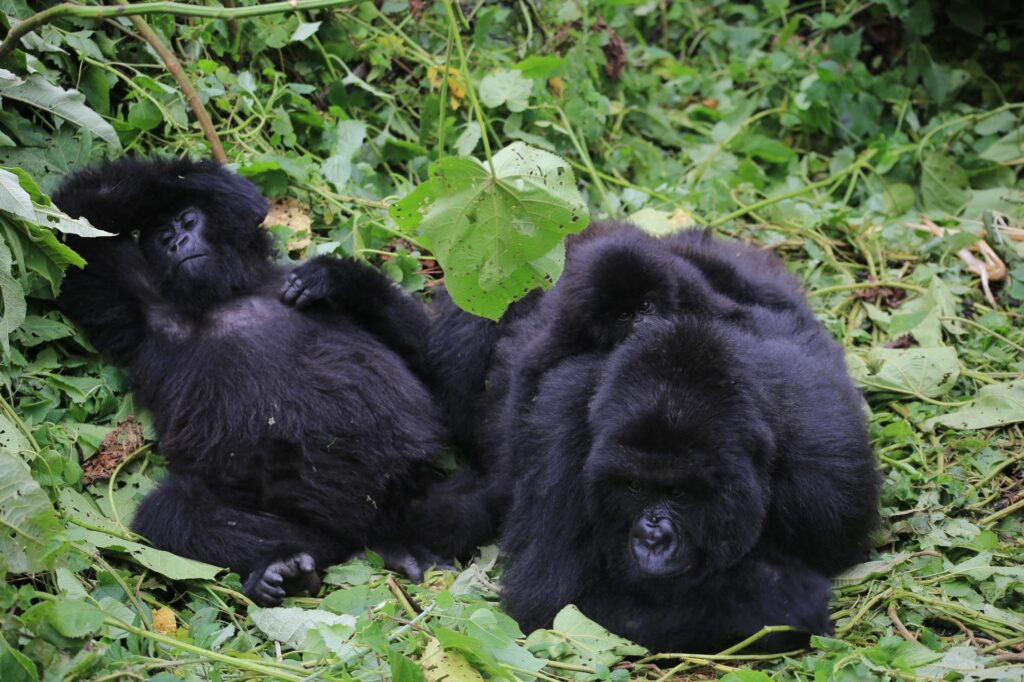
What Can I See in Volcanoes National Park, Rwanda?
Volcanoes National Park is one of Rwanda’s most remarkable wildlife destinations. Located in the northwestern part of the country, this spectacular park protects a section of the Virunga Mountains. It offers visitors opportunities to encounter endangered mountain gorillas, track golden monkeys, explore volcanic landscapes, and discover Rwanda’s extraordinary natural heritage.
For travellers planning a Rwanda safari, Volcanoes National Park provides a memorable combination of wildlife encounters, rainforest adventures, mountain scenery, and cultural experiences. Whether you are visiting Rwanda for a dedicated gorilla trekking holiday or combining several East African destinations, this national park deserves a place on your itinerary.
1. Mountain Gorillas in Their Natural Habitat
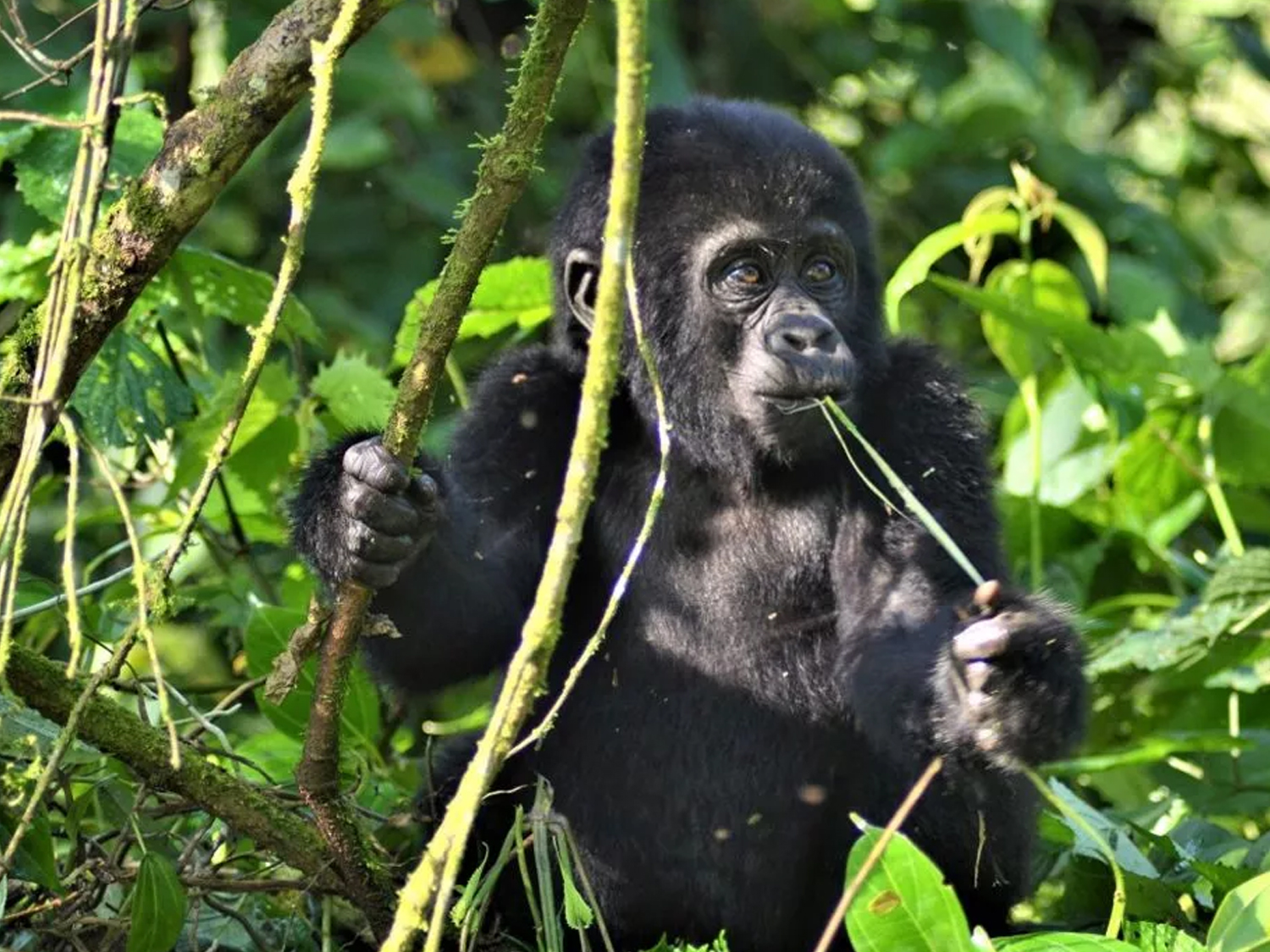
Mountain gorillas are the main attraction in Volcanoes National Park. The park protects part of the Virunga Massif, a chain of volcanic mountains shared by Rwanda, Uganda, and the Democratic Republic of the Congo. Its protected forests provide important habitat for these endangered great apes.
Gorilla trekking allows visitors to enter the forest with trained guides and trackers in search of an assigned gorilla family. The trek may pass through bamboo vegetation, dense forest, and steep mountain terrain. The duration and difficulty depend on the gorillas’ location and the conditions on the day.
Once the trackers locate the family, visitors can spend a strictly limited period observing the gorillas. You may see a powerful silverback watching over the group, mothers caring for their young, or juveniles playing among the vegetation. Watching these animals interact naturally creates a remarkable wildlife experience.
The encounter also provides insight into gorilla behaviour, family relationships, and conservation efforts. Visitors must follow the park’s rules, maintain the required distance, and avoid disturbing the animals.
Gorilla trekking is particularly rewarding for wildlife enthusiasts, photographers, couples, and nature lovers. A valid trekking permit is required, and advance booking is strongly recommended, especially during busy travel periods.
2. Golden Monkeys in the Bamboo Forest
Golden monkeys are another exciting attraction in Volcanoes National Park. These rare primates are known for their golden-orange fur, expressive faces, and energetic movements. They live in the bamboo forests of the Virunga Mountains and are a highlight for visitors interested in Rwanda’s diverse wildlife.
Golden monkey trekking takes visitors into the forest to locate habituated groups. Unlike the slower movements often associated with gorillas, golden monkeys can be remarkably active. You may watch them leap between bamboo stems, search for food, groom one another, and move quickly through the vegetation.
The experience offers excellent opportunities for wildlife photography. Their distinctive colouring creates a beautiful contrast against the green bamboo forest. Visitors can also learn about their habitat, feeding habits, and the conservation work supporting their survival.
Golden monkey trekking is generally a rewarding option for travellers who want to explore another side of Rwanda’s primate diversity. Combining it with mountain gorilla trekking creates a richer wildlife holiday.
3. The Spectacular Virunga Volcanoes
Volcanoes National Park takes its name from the chain of magnificent volcanoes that dominate its landscape. These mountains form part of the Virunga volcanic range, which stretches across Rwanda, Uganda, and the Democratic Republic of the Congo.
The dramatic scenery includes forest-covered slopes, misty peaks, rugged ridges, and high-altitude vegetation. On clear days, the mountains provide spectacular views for hikers and photographers. Changing weather often adds atmosphere, with clouds drifting across the slopes and mist surrounding the forest.
Several volcanoes are particularly notable:
– Mount Bisoke: Famous for its crater lake and challenging day hike. The summit offers striking volcanic scenery when weather conditions permit.
– Mount Karisimbi: The highest volcano in the Virunga range, reaching approximately 4,507 metres above sea level. Its ascent generally requires a two-day hiking expedition.
– Mount Muhabura: A prominent volcanic peak with steep slopes and expansive views from its summit.
– Mount Gahinga: A scenic volcano associated with bamboo forests and the wider Virunga landscape.
– Mount Sabyinyo: Known for its distinctive eroded summit and rugged ridges near the borders of Rwanda, Uganda, and the Democratic Republic of the Congo.
Not every mountain is accessible through the same routes or under the same conditions. Visitors should confirm current hiking permissions, guide arrangements, and route availability before travelling.
These mountains make the park particularly appealing to adventure travellers, mountain hikers, and anyone seeking experiences beyond wildlife viewing.
4. The Diverse Wildlife of Volcanoes National Park
Although mountain gorillas attract most visitors, Volcanoes National Park supports other wildlife species. Its montane forests, bamboo zones, and grassland habitats provide shelter and food for a variety of mammals and smaller animals.
Visitors may encounter forest buffaloes, bushbucks, forest elephants, and other mammals, although sightings vary considerably. These animals are not always easy to spot because thick vegetation and mountainous terrain can limit visibility.
The park also supports numerous smaller forest creatures, including rodents, reptiles, and amphibians. Each plays a role in maintaining the ecological balance of this remarkable environment.
Unlike savannah destinations such as Tanzania’s Serengeti National Park or Kenya’s Maasai Mara National Reserve, Volcanoes National Park is not primarily known for large-scale game drives. Its wildlife experiences focus more on forest exploration, primate encounters, and guided mountain activities.
Travellers hoping to see large herds of elephants, giraffes, zebras, and numerous savannah predators should consider combining Rwanda with another East African safari destination.
5. Beautiful Birds and Birdwatching Opportunities
Volcanoes National Park is also an appealing destination for birdwatchers. Its forests and mountain habitats support a variety of bird species, including birds associated with the Albertine Rift, one of Africa’s important biodiversity regions.
Depending on the location and season, visitors may encounter colourful turacos, sunbirds, francolins, and other forest birds. The park’s varied elevations create different habitats, supporting a diverse range of birdlife.
Birdwatching can be especially rewarding during guided forest walks. Experienced local guides can help identify bird calls, explain feeding behaviour, and point out species that visitors might otherwise overlook.
Photographers should bring binoculars, a camera with a suitable lens, and protective equipment for changing weather conditions. Mist, rain, and dense vegetation can make bird photography challenging, but they also contribute to the forest’s atmosphere.
Birdwatching can complement gorilla trekking, golden monkey tracking, and hiking. It offers a quieter way to appreciate the park’s biodiversity and explore its natural surroundings.
 6. Dian Fossey’s Research Legacy and Gorilla Conservation
Volcanoes National Park holds an important place in the history of mountain gorilla conservation. One of its most influential figures was Dian Fossey, an American primatologist who studied mountain gorillas in the Virunga Mountains for many years.
Fossey established the Karisoke Research Center in 1967 between Mount Karisimbi and Mount Bisoke. Her research helped expand scientific understanding of gorilla behaviour and drew international attention to the threats facing these animals.
Her legacy remains closely connected to gorilla conservation in Rwanda. Visitors interested in this history may be able to arrange a visit to the former research area and her gravesite, subject to current access arrangements and tour availability.
The experience provides a deeper understanding of the challenges involved in protecting endangered wildlife. It also highlights the contribution of researchers, park authorities, conservation organisations, and surrounding communities.
Today, conservation in the region includes habitat protection, wildlife monitoring, anti-poaching efforts, and community initiatives that support sustainable tourism.
7. The Cultural Heritage of Communities Around the Park
A visit to Volcanoes National Park can also introduce you to Rwanda’s cultural heritage. Communities around the park maintain traditions expressed through music, dance, storytelling, craftsmanship, and local food.
One popular option is the Gorilla Guardians Village, also known as Iby’Iwacu Cultural Village. Depending on current arrangements, visitors can learn about traditional Rwandan life through cultural demonstrations and community-led activities.
You may experience traditional dance performances, learn about historical practices, explore local crafts, and hear stories about life in the region. These experiences offer context beyond the park’s wildlife and mountains.
Community-based tourism can also provide income opportunities for local residents. Choosing responsible cultural experiences helps visitors appreciate Rwanda’s heritage while supporting livelihoods connected to tourism.
Travellers should approach cultural visits with respect, ask permission before photographing people, and remain open to learning about local traditions without making assumptions.
8. Hiking Trails, Forest Walks, and Outdoor Adventures
Volcanoes National Park offers several guided outdoor activities beyond gorilla trekking. Depending on your interests and physical fitness, you can choose mountain hikes, forest walks, and other permitted excursions.
Mount Bisoke is a popular hiking choice for visitors seeking volcanic scenery and a crater lake. However, the climb can be physically demanding because of steep slopes, altitude, muddy paths, and changing weather.
Longer expeditions, such as climbing Mount Karisimbi, require more preparation and suitable equipment. Travellers should consider their fitness, previous hiking experience, and tolerance for high-altitude conditions before choosing a route.
Guided nature walks provide a different experience. They allow visitors to explore forest vegetation, learn about local ecosystems, and observe smaller wildlife without undertaking a demanding summit hike.
Conditions can change quickly in the mountains. Appropriate hiking boots, waterproof clothing, drinking water, and a qualified guide are essential for a comfortable and responsible adventure.
9. Stunning Landscapes and Photography Opportunities
Even without trekking, Volcanoes National Park offers beautiful scenery that makes the journey worthwhile. The landscape combines towering volcanic peaks, lush vegetation, cultivated hillsides, and rural communities surrounding the protected forest.
The contrast between the green mountains and Rwanda’s rolling countryside creates memorable views. Early mornings often bring mist across the slopes, while changing light can reveal different textures in the forest and volcanic terrain.
Wildlife photography is another major attraction, especially during gorilla and golden monkey encounters. Visitors should follow all photography rules issued by park authorities and guides. Flash photography should not be used around mountain gorillas.
A camera, spare batteries, protective bags, and suitable lenses can help you capture the experience. However, remember to enjoy the moment rather than viewing the entire encounter through a camera.
10. Combine Volcanoes National Park with Other Rwanda Attractions
Volcanoes National Park can serve as the starting point for a wider Rwanda holiday. Combining destinations allows you to experience more of the country’s landscapes, wildlife, history, and culture.
Consider adding these destinations to your itinerary:
– Lake Kivu: Enjoy beautiful lakeside scenery, relaxing boat trips, and time in towns such as Rubavu or Karongi.
– Nyungwe National Park: Explore montane rainforest, search for chimpanzees, and experience the famous canopy walkway.
– Akagera National Park: Enjoy savannah game drives and boat excursions, with opportunities to see a range of wildlife, including the Big Five.
– Kigali: Discover Rwanda’s capital, explore its food and cultural scene, and visit the Kigali Genocide Memorial to learn about the country’s history.
These destinations provide very different experiences. Akagera is particularly suitable for travellers seeking a more traditional savannah safari, while Nyungwe offers a contrasting rainforest environment.
A well-planned itinerary can combine gorilla trekking with other activities without making the journey unnecessarily rushed.
What Is the Best Time to Visit Volcanoes National Park?
Volcanoes National Park can be visited throughout the year, including for gorilla trekking and golden monkey tracking. However, weather conditions influence hiking comfort, trail conditions, and the overall experience.
The drier periods, generally from June to September and December to February, are often preferred for trekking and hiking. Trails may be less muddy, and outdoor activities can be more comfortable.
The wetter periods, commonly from March to May and October to November, bring heavier rainfall. Trails can become slippery, but the vegetation is lush and the landscape remains beautiful.
These are general seasonal patterns, not guarantees of daily weather. Rain can occur even during drier months, especially in the mountains.
Gorilla permits should be booked well in advance whenever possible. Your travel dates, preferred activities, and available permits should guide the final itinerary.
How Many Days Do You Need in Volcanoes National Park?
The ideal duration depends on the activities you want to enjoy.
These are planning suggestions rather than fixed itineraries. Trekking schedules, permit availability, transfer times, and weather can affect the best arrangement.
For travellers combining Rwanda with Uganda, Kenya, or Tanzania, additional days may be necessary to allow comfortable transfers between destinations.
Frequently Asked Questions About Volcanoes National Park
1. What is Volcanoes National Park famous for?
Volcanoes National Park is best known for mountain gorilla trekking. It also offers golden monkey tracking, volcanic mountain hikes, birdwatching, and cultural experiences.
2. Can I see gorillas in Volcanoes National Park?
Yes. The park protects mountain gorilla habitat, and visitors can join guided treks to observe habituated gorilla families with a valid permit.
3. Are golden monkeys found in Volcanoes National Park?
Yes. Golden monkeys inhabit the park’s bamboo forests, and guided tracking experiences allow visitors to observe them in their natural environment.
4. Can I see the Big Five in Volcanoes National Park?
Volcanoes National Park is not the best destination for seeing all five animals. For a more traditional Big Five safari in Rwanda, consider Akagera National Park.
5. Is Volcanoes National Park suitable for families?
It can be suitable for families interested in nature, culture, and outdoor activities. However, gorilla trekking has a minimum age requirement, generally 15 years. Other activities may have different requirements.
6. Do I need a guide to visit Volcanoes National Park?
Many activities, including gorilla trekking and golden monkey tracking, require authorised guides and organised arrangements. Visitors should confirm the requirements for their chosen activity before arrival.
7. Can I combine gorilla trekking in Rwanda with a Uganda safari?
Yes. Travellers can combine Rwanda’s Volcanoes National Park with destinations in Uganda, such as Bwindi Impenetrable National Park, Kibale National Park, Queen Elizabeth National Park, and Murchison Falls National Park. The itinerary must account for border procedures, transport times, and separate activity permits.
8. What should I pack for Volcanoes National Park?
Bring sturdy hiking boots, long trousers, long-sleeved clothing, waterproof layers, gardening-style gloves for vegetation, drinking water, insect repellent, and a camera. Your tour operator can advise you on any additional requirements.
Volcanoes National Park offers far more than a chance to see mountain gorillas. It combines rare primate encounters, spectacular volcanic landscapes, diverse forest wildlife, conservation history, and meaningful cultural experiences.
Whether you want to track mountain gorillas, encounter golden monkeys, hike Mount Bisoke, or explore Rwanda alongside other East African destinations, the park offers a rewarding experience for nature lovers and adventure travellers.
With its remarkable biodiversity, dramatic mountain scenery, and important conservation role, Volcanoes National Park remains one of Africa’s most memorable destinations for wildlife and nature tourism.