Uganda Adventure Activities.
August 4, 2026
Budget Accommodation Uganda.
August 5, 2026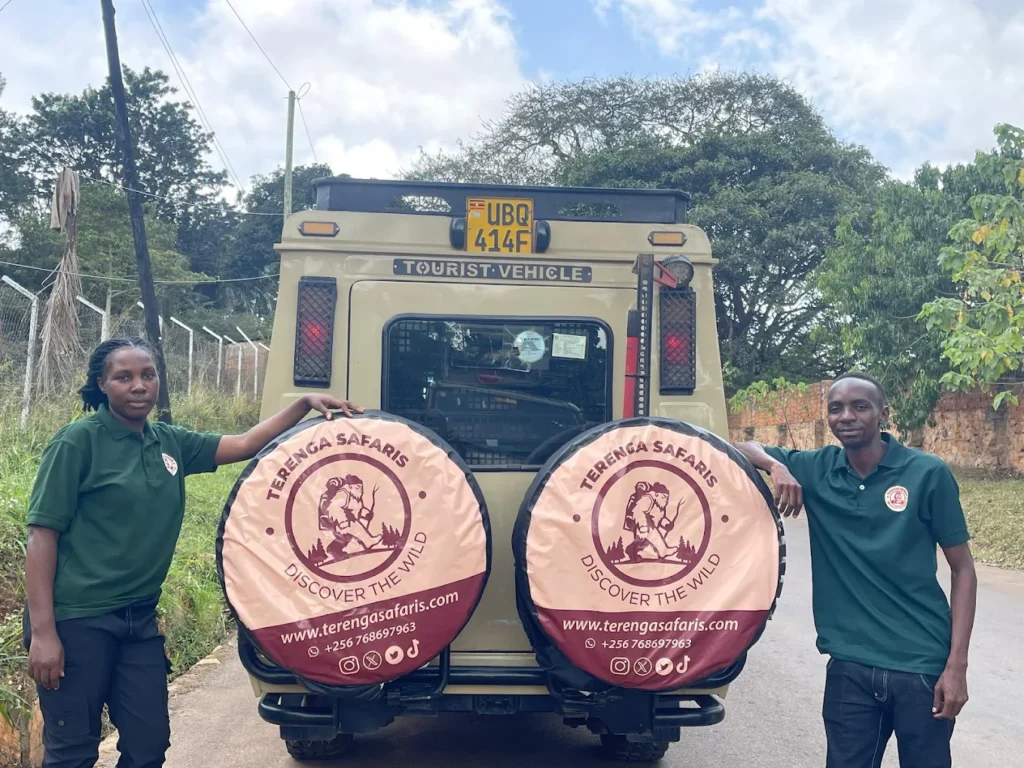
Uganda Safari Prices: What a Trip Actually Includes at Different Levels
Uganda safari prices vary more than most first-time visitors expect. A seven-day journey can cost less than a long weekend in a European city or more than a fortnight on the Kenyan coast. The difference is not simply the view from the tent. It is the vehicle you share, the hours you spend on the road, the standard of the guide, and whether the gorilla permit sits inside the quoted figure or arrives as a separate line item.
This guide sets out what you actually receive at three clear price points in 2026. It covers budget, mid-range and luxury tiers, the fixed costs that never change, and the honest trade-offs each level demands. You will leave knowing which tier matches the trip you want, not the one an operator wants to sell.
The Fixed Costs That Shape Uganda Safari Prices
Two numbers sit at the centre of every quote. The Uganda Wildlife Authority sets a mountain gorilla tracking permit at US$800 for foreign non-residents during peak months. In the designated low season of April, May and November the same permit drops to US$600. Chimpanzee tracking in Kibale Forest stands at US$250 (US$200 in low season). Park entry fees run US$40–45 per person per day in the main parks.
These fees are non-negotiable and identical across every operator. A budget package that claims to undercut the market is almost certainly excluding the permit or using a shared vehicle that carries six or seven other guests. Always ask whether the gorilla permit is included before you compare final figures.
Budget Uganda Safari Prices: What You Actually Get
A realistic budget safari in 2026 costs US$250–350 per person per day, or roughly US$1,500–2,800 for a five- to seven-day itinerary that includes one gorilla trek. The daily rate covers basic accommodation, shared transport, park fees, meals and a guide.
You sleep in clean community bandas or simple lodges near park gates. Rooms usually have en-suite bathrooms and mosquito nets, yet electricity may run only on a generator for a few hours each evening. Meals are straightforward: rice, stews, fresh fruit and local tea. The vehicle is often a pop-top safari van shared with five or six other travellers on a fixed departure.
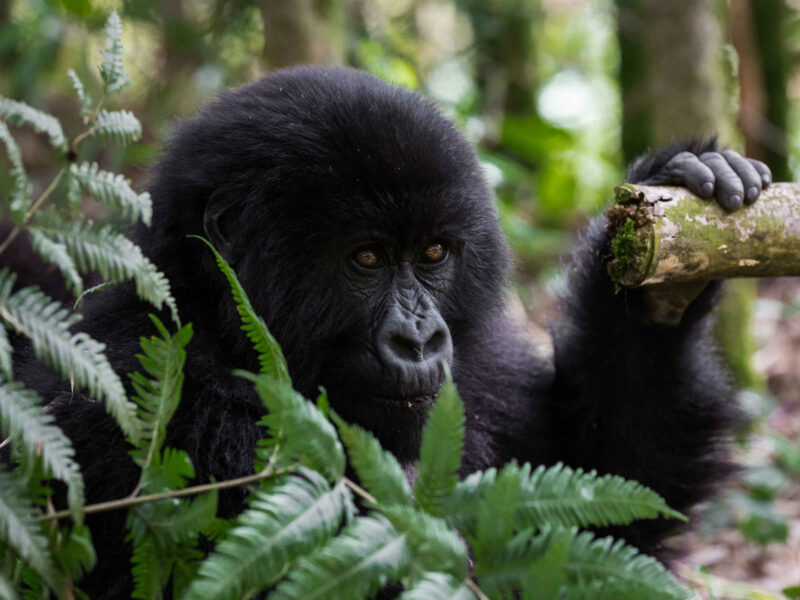
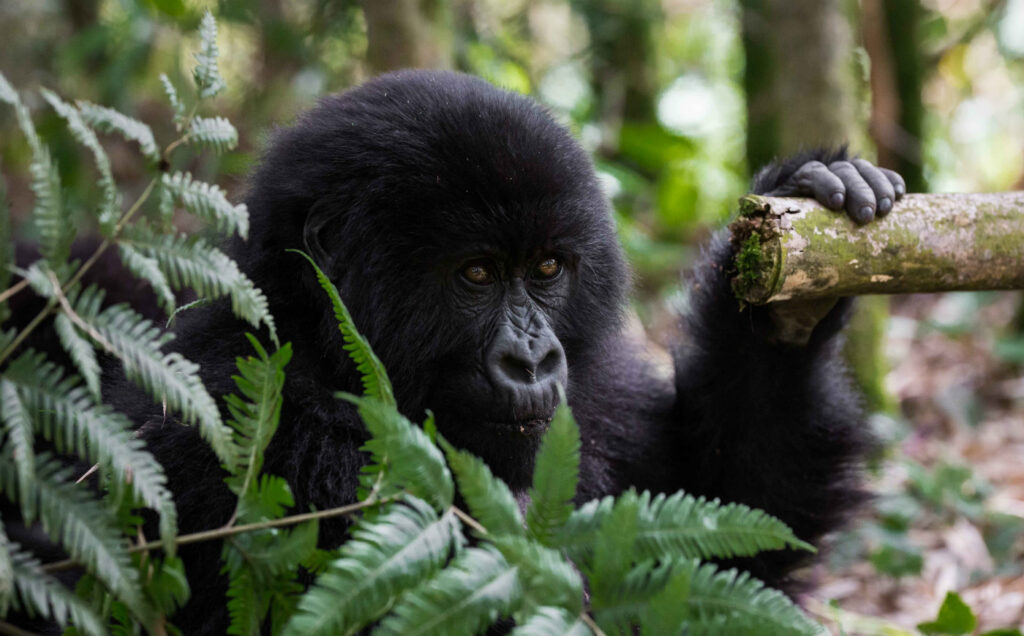
The wildlife itself does not change. You still walk into Bwindi’s understorey with a ranger and stand within metres of a silverback. You still watch elephants cross the Kazinga Channel from a boat. What you surrender is flexibility and privacy. Long road days become longer when the van waits for the last guest. Early starts are set by the group schedule, not your preference.
Budget tiers suit solo travellers, students and anyone whose primary goal is the gorilla encounter rather than lodge comfort. They work best for travellers who treat the nights as rest stops rather than the main event. If you dislike sharing a vehicle for six hours on corrugated murram roads, this level will frustrate you.
Mid-Range Uganda Safari Prices: The Practical Sweet Spot
Most international visitors land here. Daily costs run US$400–700 per person. A typical seven- to ten-day private itinerary that includes gorilla tracking, chimpanzee tracking, Queen Elizabeth and Murchison Falls falls between US$3,000 and US$5,500 per person.
You travel in a private 4×4 Land Cruiser with a dedicated driver-guide. The guide knows which tracks the tree-climbing lions of Ishasha favour in the late afternoon and which side of the Kazinga Channel holds the densest hippo pods at dusk. Accommodation moves up to permanent tented camps and comfortable lodges with proper bathrooms, reliable hot water and views over the forest canopy or the savannah.
Meals improve in both variety and presentation. Many lodges serve three-course dinners under thatch or canvas. You still spend long days on the road between parks, yet the vehicle is yours alone. You can stop for photographs without negotiating with six other passengers. Game drives start when the light is best, not when the group is ready.
The limitation is time. A mid-range itinerary still relies on road transfers. The drive from Entebbe to Bwindi takes eight to nine hours. Domestic flights remain rare at this price point. Mid-range suits couples, small families and first-time safari-goers who want comfort without the cost of private charters. It is the tier where Uganda delivers its strongest value relative to Kenya or Tanzania.
Luxury Uganda Safari Prices: Time and Space
Luxury begins around US$1,000 per person per day and climbs past US$2,000. A seven- to ten-day itinerary commonly costs US$7,500–15,000 per person. The gorilla permit remains the same fixed cost. Everything else changes.
You fly between parks on light aircraft. The journey from Entebbe to the Bwindi airstrip takes under an hour instead of a full day on the road. Lodges sit in private concessions or command the best ridge-line positions. Rooms open onto private decks. Some properties offer butler service, private dining and guided walks that start at first light with only your party present.
Guides at this level often hold advanced qualifications and carry specialist optics. The vehicle is a newer extended Land Cruiser with leather seats and a cooler that never runs dry. Optional extras such as a balloon flight over Murchison Falls or a private gorilla habituation experience (longer time with the family) appear on the menu.
The honest limitation is cost and, in some cases, isolation. Certain high-end camps sit far from other guests by design. If you enjoy the social atmosphere of a busy lodge, pure luxury can feel quiet. Luxury suits honeymooners, multi-generational families who value private space, and travellers for whom time is the scarcest resource. It is not required to see the animals well.
Key takeaway: The gorilla and chimpanzee permits cost the same at every price point. The difference between budget and luxury is almost entirely transport, accommodation standard, and the degree of privacy and flexibility you receive.
Practical Notes on Uganda Safari Prices in 2026
Low-season permits in April, May and November reduce the gorilla fee by US$200. Lodge rates also fall 20–35 percent in these months. Rain is more frequent, yet the forests remain open and the crowds thin. Peak months of June–August and December–February fill the better lodges earliest; book six months ahead if you need specific dates.
Tips remain outside most package prices. Budget US$10–20 per day for your driver-guide and US$5–10 per day for lodge staff. Porters on the gorilla trek (recommended for most visitors) cost around US$20–30. Confirm current park and permit fees directly with the Uganda Wildlife Authority or your operator before you pay a deposit; tariffs can change.
International flights, visas, travel insurance and vaccinations sit outside every safari quote. Yellow fever certification is required for entry. Malaria prophylaxis is strongly advised.
Matching the Tier to the Traveller
Choose budget if the gorilla hour is the non-negotiable centre of the trip and you accept shared transport and simple rooms. Choose mid-range if you want a private vehicle, reliable comfort and the ability to combine forests and savannah without constant compromise. Choose luxury if road time is the enemy and you prefer to spend the saved hours watching light change over the canopy rather than watching the dashboard clock.
Uganda rewards every tier. The same silverback appears for the guest who slept in a community banda and the guest who slept under canvas with a private butler. The difference lies in how you reach him and how you recover afterwards.
Deciding Where Your Money Goes Furthest
Start by fixing the non-negotiable experiences: one gorilla trek, perhaps a chimpanzee walk, and which savannah parks matter most. Then decide how much privacy and road comfort you need. That single decision usually places you in the correct price band.
Once the tier is clear, request two or three detailed quotes that list every inclusion and exclusion. Compare the vehicle type, the exact lodges, and whether the permit sits inside the total. A transparent operator will answer those questions without hesitation.
If you want help matching a realistic budget to a coherent itinerary across Bwindi, Kibale, Queen Elizabeth and Murchison, the team at Terenga Safaris can walk through the options with current availability and seasonal rates. The goal is simply a trip that delivers what you actually came for, at a price you understand before you leave home.