East Africa Safari Costs
August 3, 2026
Mid-Range vs Luxury Uganda Safari Lodges
August 4, 2026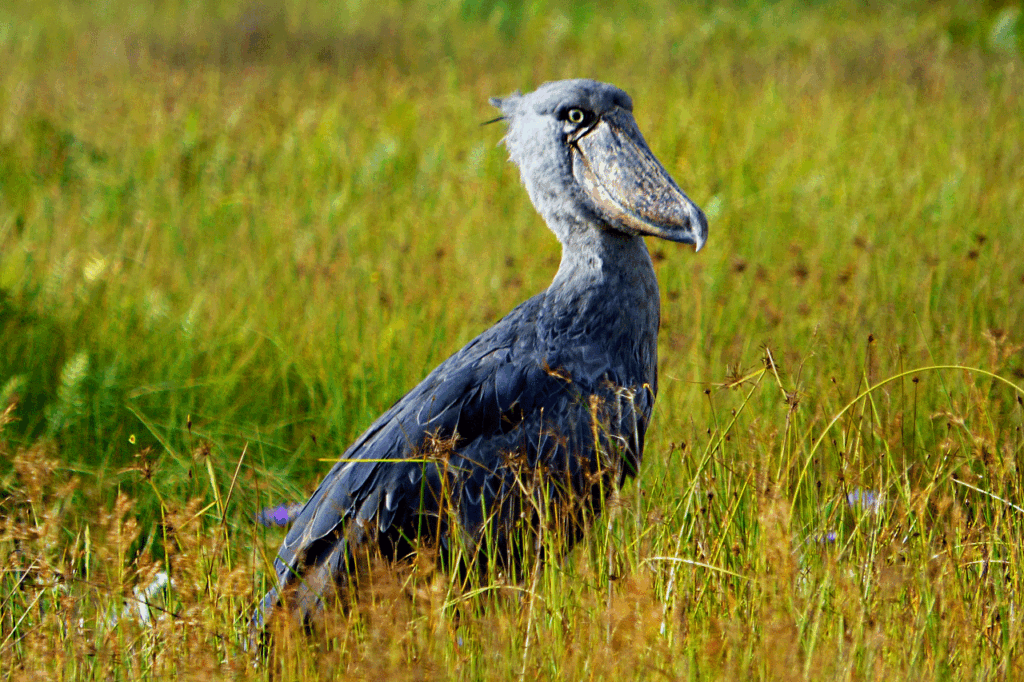
Uganda Migratory Birds: Season Explained for Travellers
Uganda migratory birds turn the country’s wetlands and savannahs into one of Africa’s richest seasonal spectacles each northern winter. From late October through April, more than 200 Palearctic species join roughly 850 resident birds, pushing the national list past 1,050. For anyone planning a birding trip, timing and location decide how many of those visitors you actually meet.
This guide sets out the arrival calendar, the most reliable sites, the practical costs and the honest trade-offs. You will leave knowing when the numbers peak, where to stand, and whether the extra logistics suit your style of travel.
When Uganda Migratory Birds Arrive
Most long-distance travellers follow the African-Eurasian flyway. They leave breeding grounds across Europe and northern Asia as temperatures drop, then pause or winter in the equatorial belt where food stays reliable. Uganda sits squarely on that route.
The first waves appear in September and October. European bee-eaters, barn swallows and common swifts show early. By November the main influx is under way. Numbers stay high through December, January and February. Many birds begin the northward return in March and April, though a few linger into early May.
Intra-African migrants move on a different clock. Species such as the woodland kingfisher and Abdim’s stork shift with the rains, so their presence often overlaps the wetter months of March–May and October–November. These shorter movements add another layer to the seasonal picture.
December to February offers the cleanest combination of dry weather and peak migrant diversity. Trails stay firm, and open country makes spotting easier. The trade-off is higher demand for lodges and guides in the more popular parks. NatureUganda waterbird counts, run each January, routinely record thousands of individual migrants at the key wetlands.
Where to Find Uganda Migratory Birds
Wetlands hold the largest concentrations. Mabamba Bay, a Ramsar site an hour from Entebbe, regularly records over 300 species. Canoe trips here produce shoebills alongside white-winged terns, yellow wagtails and flocks of migrant waders. The shallow lagoons and papyrus channels create ideal feeding conditions when the northern birds arrive.
Lutembe Bay and the Entebbe shoreline attract similar waterbirds. On calm mornings you can watch mixed roosts of terns and stilts from the shore itself. These sites lie close enough to the airport for a first or last day of birding without long transfers.
Queen Elizabeth National Park ranks among Africa’s richest protected areas for birds, with more than 600 species on its list. The Kazinga Channel boat cruise concentrates waterbirds; the crater lakes and open plains draw raptors and insectivores. Lake Mburo’s acacia woodland and wetland edges pull in a different mix of migrants, while the remote grasslands of Kidepo Valley reward patient watchers with steppe eagles and other large raptors.
Forest sites such as Budongo and Kibale receive fewer open-country migrants, yet they host warblers and flycatchers that favour the canopy. These locations suit travellers who already plan chimpanzee or forest walks and want to add migrant species without major detours. The understorey stays quieter than the wetlands, so patience and a good ear matter more than volume.
Species You Are Most Likely to Meet
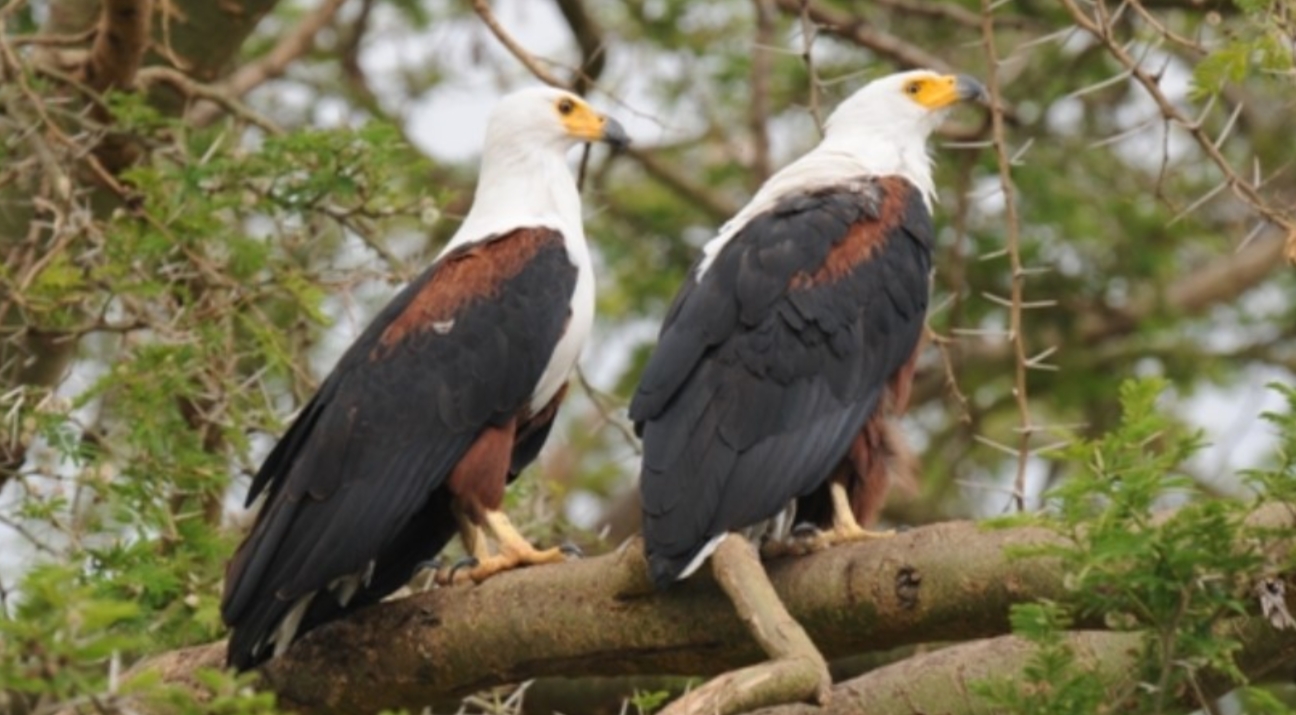
Can I Do Birding in Queen Elizabeth National Park
European bee-eaters arrive in noisy parties and hunt from exposed perches. Yellow wagtails work the short grass beside wetlands. Barn swallows and sand martins hawk insects over open water and fields. White storks and Abdim’s storks appear in larger numbers after rain. These birds form the backbone of most Uganda migratory birds checklists.
Among the raptors, steppe eagles, marsh harriers and black kites pass through in noticeable numbers. Warblers—willow, garden and wood—remain harder to pin down but reward careful listening in scrub and forest edge. Common sandpipers, black-winged stilts and various terns fill the wetland checklists.
These are the reliable targets. Rare vagrants turn up, yet trip planning should rest on the commoner visitors rather than the one-in-a-thousand sighting. A solid local guide who knows the current roosts will usually deliver the expected species within a few well-timed sessions.
Practical Costs and Logistics for Birding
Uganda Wildlife Authority entry fees for most savannah parks currently sit around US$40–45 per day for non-residents. Mabamba Bay operates under community arrangements; expect a modest canoe fee plus a community contribution, often under US$50 for a half-day outing. Specialist birding guides charge more than general safari guides—budget accordingly if you want an expert ear for calls and songs.
Road conditions improve in the dry months, yet even then some wetland tracks remain soft after overnight rain. A 4×4 is wise for sites beyond the main tourist circuits. Early starts remain essential; many migrants feed most actively in the first two hours after dawn. Binoculars of 8× or 10× magnification work well; a spotting scope helps on open water but is not essential for most wetland canoe trips.
Confirm current park tariffs and community fees before you travel. Figures change, and local arrangements at Ramsar sites can shift with management agreements. The Uganda Wildlife Authority publishes updated conservation tariffs each year; check the latest schedule rather than relying on older guidebooks.
Honest Limitations and Who It Suits
The migratory window overlaps Uganda’s short rains and the start of the long rains. Expect occasional showers even in the “dry” months of December and January. Forest trails can turn muddy, and boat launches may delay if water levels rise. Dedicated birders accept this; travellers who prioritise guaranteed dry game drives may prefer the June–August window, when most Uganda migratory birds have already left for the north.
Crowding remains modest compared with Kenya or Tanzania’s busiest parks, yet popular lodges near Queen Elizabeth and Murchison fill earlier during the northern winter. Book guides and rooms several months ahead if you travel in December or January. Habitat pressure around some wetlands is real; local communities and conservation groups work to keep key sites open, but numbers of certain species have fluctuated with land-use change.
This season suits birders who want maximum species totals and who accept variable weather. It also works for travellers combining a short birding extension with gorilla or chimpanzee tracking, provided the itinerary allows early wetland starts. It suits less well those who dislike rain, prefer strictly dry roads, or travel only for large mammals.
How Uganda Compares with Its Neighbours
Kenya and Tanzania host similar Palearctic visitors, yet Uganda packs more habitat variety into a smaller area. A single circuit can move from Lake Victoria papyrus to Albertine Rift forest to open savannah within a few days. Rwanda offers excellent forest birding but fewer wetland concentrations of migrants. For pure migratory volume plus resident diversity, Uganda holds a clear advantage for the dedicated birder.
The compact geography also reduces transfer time. You can spend more hours in the field and fewer on the road than on a comparable multi-habitat itinerary further south or east. That efficiency matters when you have only one or two weeks.
Deciding Whether to Time Your Trip for the Migrants
If expanding your life list ranks high among your reasons for visiting, aim for November to March. December and January give the most comfortable logistics while the migrants are still present in force. If you prefer the driest trails and the easiest mammal viewing, shift to June–August and treat the migrants as a bonus for another year.
Either way, the underlying resident birdlife remains exceptional year-round. The migratory season simply multiplies what is already one of Africa’s densest avian inventories. Uganda migratory birds do not define the country’s birding reputation; they enhance an already strong foundation.
When you are ready to shape dates and sites around the birds you most want to see, the team at Terenga Safaris can help match a practical itinerary to the current season and your preferred pace of travel.