Uganda Migratory Birds
August 4, 2026
Group Safari Costs
August 4, 2026
Mid-Range vs Luxury Uganda Safari Lodges: Honest Comparison
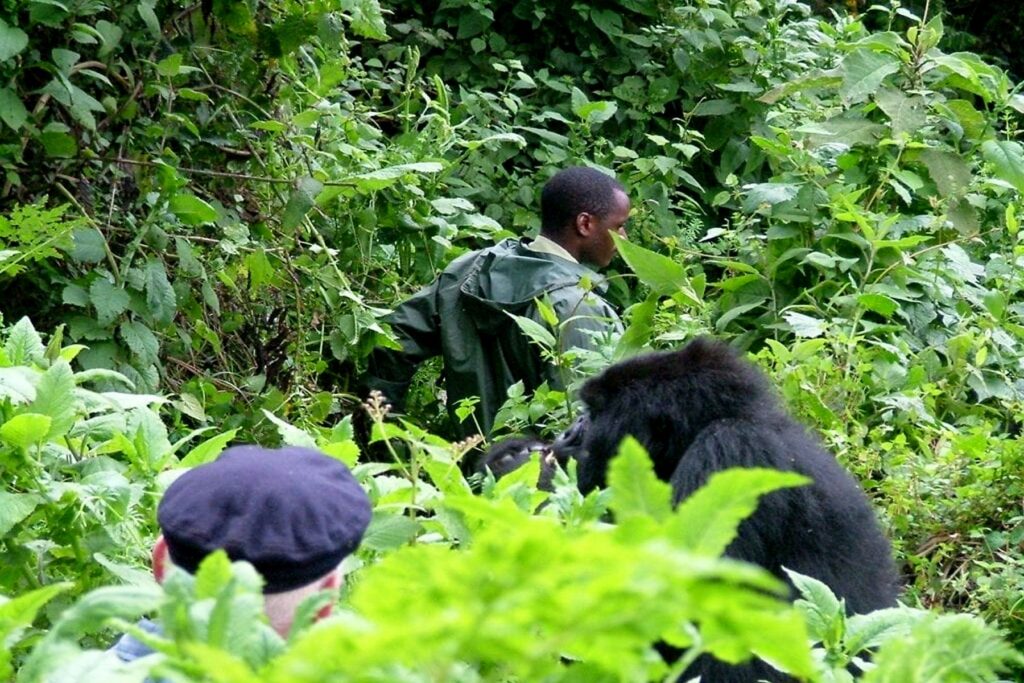
Choosing between mid-range vs luxury Uganda safari lodges shapes more than your nightly rate. It decides how much privacy you enjoy after a long trek, whether a private vehicle sits ready at dawn, and how much of the day you spend recovering rather than travelling. The wildlife itself stays the same. The gorilla family you track in Bwindi or the lions on the Ishasha plains do not check your booking confirmation.
This comparison lays out the real differences in cost, location, service and daily rhythm. You will see where the extra money goes, where it does not, and which travellers gain most from each tier.
What Mid-Range vs Luxury Uganda Lodges Actually Cost

Mid-Range vs Luxury Uganda Safari Lodges: Honest Comparison
In 2026 mid-range lodges in Uganda typically charge US$150–400 per person per night on a full-board basis. Luxury properties start around US$500 and climb past US$1,200 for the most exclusive forest or wilderness camps. A seven- to ten-day circuit that includes one gorilla permit therefore sits roughly between US$3,000 and US$5,500 at mid-range, and US$7,000 to US$12,000 or more at luxury level. These figures cover accommodation, meals, private vehicle and guiding for most operators. International flights and tips sit outside the package.
Confirm current rates before booking; operators revise tariffs each season. These price bands assume double occupancy. Solo travellers often pay a single supplement of 30–50 percent at both tiers. Children under twelve usually receive discounts at mid-range properties; luxury camps vary more widely on family policy.
Location and Access in Mid-Range vs Luxury Uganda Properties
Many mid-range lodges sit just outside park boundaries or a short drive from trailheads. In Buhoma sector of Bwindi you find comfortable options within five to fifteen minutes of the briefing point. In Queen Elizabeth the mid-tier properties cluster near the main gates or along the main tracks. You reach the same game-drive circuits as guests from higher-priced camps. The difference in mid-range vs luxury Uganda locations rarely changes the wildlife you see on a standard itinerary.
Luxury lodges claim the more dramatic sites. Sanctuary Gorilla Forest Camp places tented suites inside Bwindi’s boundary. Clouds Mountain Gorilla Lodge occupies a high ridge with views across the Virunga volcanoes. Apoka Safari Lodge stands alone in remote Kidepo Valley. These positions reduce transfer time and increase the chance of wildlife at the edge of camp. They also limit the number of rooms, which raises the nightly rate.
The practical difference is measured in minutes rather than kilometres on most circuits. For travellers who move between several parks, the mid-range locations rarely add more than half an hour to the day’s schedule.
Rooms, Service and Daily Rhythm
Mid-range rooms offer en-suite bathrooms, solid mattresses, mosquito nets and usually a private veranda. Meals arrive as set three-course dinners or generous buffets. Staff are professional and friendly. You share the dining area and the lounge with other guests. Vehicles are typically private 4×4 Land Cruisers with a dedicated driver-guide, yet group size on game drives can reach six. Most properties now run on solar power and provide reliable hot water, closing a gap that once separated the tiers.
Luxury properties raise the staff-to-guest ratio. Many assign a butler or personal host. Rooms expand into suites with fireplaces, outdoor showers or plunge pools. Dining becomes flexible: private bush dinners, wine pairings, or meals timed around your own schedule. Game drives often stay private or limited to two or four guests. Laundry and selected drinks sit inside the rate. These extras free time and attention for the wildlife rather than logistics.
After a steep gorilla trek or a full day on dusty tracks, the difference in recovery is real. Soft lighting, a deep bath and silence around the cottage help more than another photograph of a lion. That comfort is the main return on the higher spend.
Honest Limitations of Each Tier
Mid-range lodges can feel busy in peak months of June–August and December–January. Shared vehicles occasionally mean compromise on departure times. Power cuts still occur at some properties, though solar systems have improved. Wi-Fi, when available, often reaches only the main building.
Luxury lodges carry their own constraints. Availability shrinks quickly because room counts stay low—sometimes only six or eight suites. Cancellation policies grow stricter. The premium does not buy better gorilla permits or exclusive access to more families; the Uganda Wildlife Authority allocates those on the same basis for every booked trekker.
Neither tier removes the physical demand of forest trekking or the unpredictability of wildlife. Rain still falls. Roads still slow. The experience remains a safari, not a resort holiday.
Who Each Tier Suits Best
Mid-range suits travellers who want reliable comfort without paying for constant personal service. Couples, small families and first-time visitors to East Africa often find this level delivers everything they need. Photographers who prioritise early starts and long hours in the field also gain, because the money saved can fund extra nights or a second park.
Luxury suits those who value privacy, flexible timing and recovery after demanding days. Honeymooners, multi-generational groups with older members, and travellers on limited time who prefer internal flights over long road transfers usually prefer this tier. It also works for anyone who has already done a mid-range safari and now wants the quieter, more polished version.
A mixed itinerary remains possible. Many travellers book one or two luxury nights around the gorilla trek and mid-range lodges for the savannah parks. The combination keeps the total cost manageable while still offering a high point of comfort where it matters most. This approach works especially well on circuits that move from Bwindi to Queen Elizabeth or Murchison Falls.
How Uganda Compares with Kenya and Tanzania
Equivalent mid-range nights in Kenya’s Maasai Mara or Tanzania’s Serengeti often cost more than the same tier in Uganda. Luxury camps in those parks regularly exceed US$1,500 per person. Uganda’s compact geography also reduces transfer costs. The result is that a mid-range Uganda circuit frequently matches the wildlife variety of a more expensive East African itinerary while leaving budget for an extra activity or night.
Deciding Between the Two Tiers
If your priority is the wildlife and the gorilla encounter itself, mid-range lodges deliver the core experience without waste. If recovery time, privacy and seamless logistics rank equally high, the luxury tier earns its price. The gap in mid-range vs luxury Uganda stays real, yet it is not absolute. Many of the best nights on safari happen when the right lodge matches the right day on the itinerary.
Map your route first, then place the higher-tier nights where the physical demand peaks. When you want help aligning lodge choice with the actual rhythm of a Uganda circuit, the team at Terenga Safaris can walk through the options against your dates and budget.