Uganda Elephant Safari vs Kenya’s Amboseli.
July 28, 2026
The Difference Between Bwindi Trekking Sectors
July 29, 2026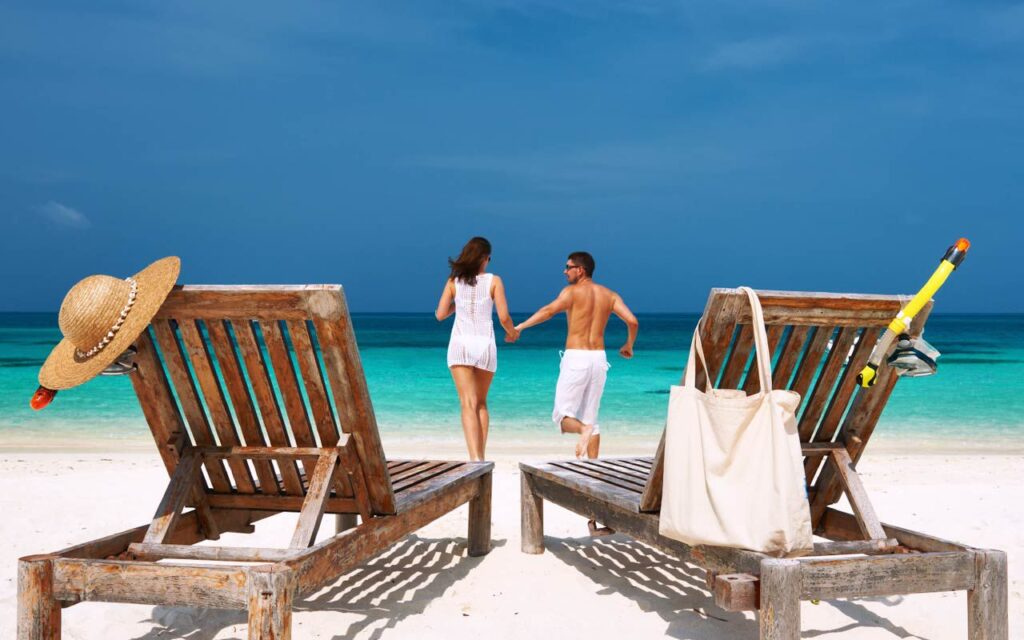
Is Uganda and Zanzibar Safari a perfect Combination
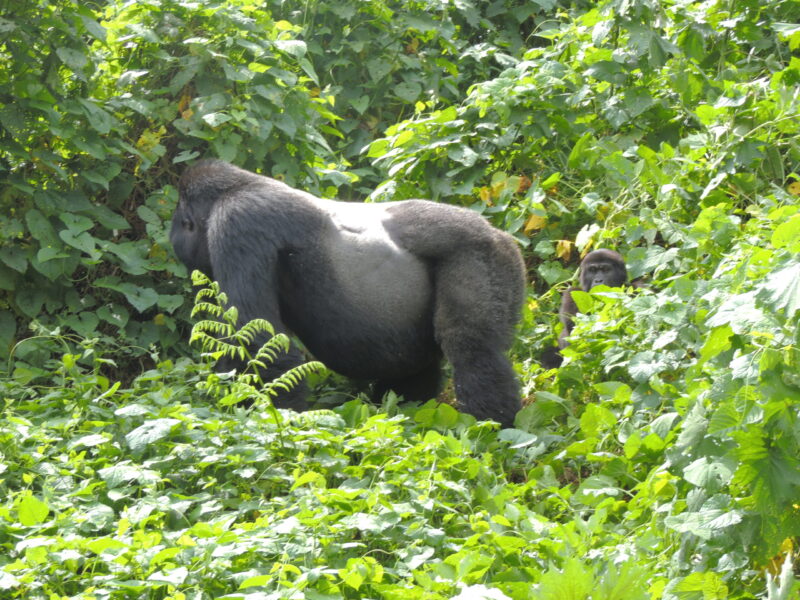
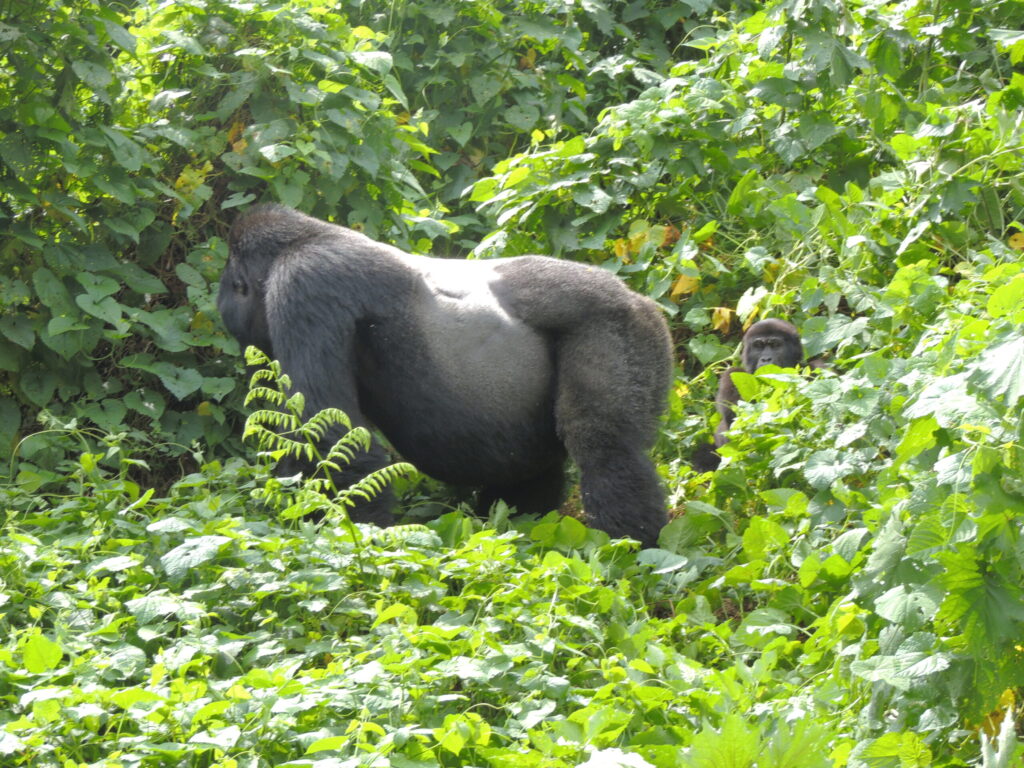
A gorilla family moves through Bwindi’s undergrowth in near silence. Three days later, the same traveller watches dhow sails cross a turquoise channel off Nungwi. Few single trips span that much contrast. A Uganda and Zanzibar safari does exactly that, and the logistics work better than most travellers assume when they first weigh combining the two.
This guide covers what actually matters for planning a Uganda and Zanzibar trip. How the two halves fit together. What each leg costs. How long you genuinely need. Who it suits, and who it doesn’t. Treat it as a working itinerary, not a brochure.
Why pair a Uganda safari with Zanzibar’s beaches
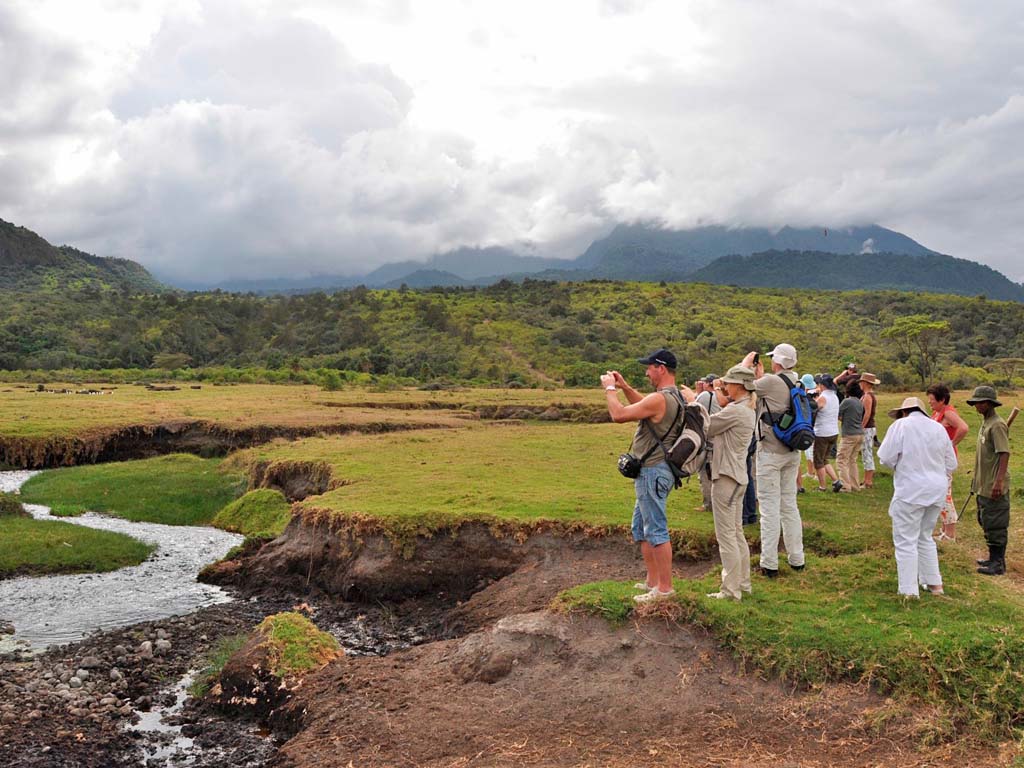
11-Day Uganda & Zanzibar Safari Adventure
Uganda delivers the safari half with unusual efficiency. Bwindi Impenetrable National Park and Queen Elizabeth National Park sit within a day’s drive of each other in the country’s southwest. Gorilla trekking, chimpanzee tracking, and open-savannah game drives are all reachable without the long internal flights that some East African safari circuits require.
Zanzibar then supplies the recovery half. After several days of early starts, steep forest trails, and dusty game drives, the archipelago’s white sand and slow pace act as an intentional contrast. This is not just a bolt-on beach stop. Stone Town‘s coral-stone alleys and spice-farm history add a cultural layer that a pure beach resort wouldn’t.
The pairing works because the two halves ask different things of a traveller. Uganda rewards early mornings and physical effort. Zanzibar asks for nothing at all. Sequence the safari first and the beach second, not the reverse. That lets the Zanzibar days function as genuine rest, rather than another item to tick off before the harder trekking begins.
The Uganda leg: gorillas, chimps, and open plains
Gorilla trekking in Bwindi is the anchor activity for most Uganda and Zanzibar itineraries, and it deserves the reputation. The Uganda Wildlife Authority sets the standard permit at around 800 US dollars per person. That covers one hour with a habituated gorilla family. The price drops to roughly 600 dollars during the April, May, and November low season. Permit prices and booking rules do shift, so confirm the current figure with your operator before you commit to dates.
The trek itself runs through dense, steep rainforest with no marked trails. Trackers locate the gorillas that morning, and you follow on foot. Most reasonably fit adults manage it, including many trekkers in their sixties and seventies. It is not a stroll, though. Porters are worth hiring regardless of fitness level. They know the terrain, and the fee supports the local community.
Queen Elizabeth National Park sits roughly a half-day’s drive from Bwindi. It adds the savannah wildlife that gorilla trekking alone doesn’t cover: tree-climbing lions in the Ishasha sector, elephant and buffalo along the Kazinga Channel, and boat cruises that put you closer to hippos than any vehicle safely could. Combine the two parks over four or five days for a fuller picture of Uganda than gorillas alone give you.
The honest limitation is time and road conditions. Kampala or Entebbe to Bwindi is roughly eight to nine hours by road, longer with stops. A one-hour charter flight to Kihihi or Kisoro airstrip cuts that dramatically. Budget for the flight if your schedule is tight.
Getting from Uganda to Zanzibar
This is where first-time planners often overthink the logistics. The reality is simpler than expected. Direct flights connect Entebbe and Zanzibar in under two hours. Air Tanzania and Uganda Airlines operate the route, though only on a limited weekly schedule. Where a direct flight doesn’t line up with your dates, a one-stop routing through Nairobi or Kilimanjaro adds a couple of hours. It rarely complicates the trip meaningfully.
Visas need separate attention. Uganda and Tanzania are not on the same system. A Uganda eVisa runs around 50 US dollars. Tanzania’s eVisa, which also covers Zanzibar, costs 50 dollars for a single entry, or 100 dollars for the multiple-entry version some nationalities must use. Zanzibar adds a mandatory tourism levy and travel insurance on top, priced at roughly 44 dollars and checked on arrival. None of these fees substitutes for the others. Budget for both country visas plus the Zanzibar levy, not just one.
The Zanzibar leg: Stone Town, spice, and the right beach for you
Stone Town earns its UNESCO World Heritage status honestly. Narrow lanes lined with carved wooden doors, the old fort, and rooftop restaurants over the harbour reward at least a full day. Do this before heading to the coast. A spice tour outside town walks you through clove, vanilla, and cardamom plantations. It explains why this island shaped centuries of Indian Ocean trade.
Which beach you choose matters more than most guides admit. Nungwi and Kendwa in the north have minimal tidal swing. The sea stays swimmable at any hour, which suits travellers who want water access on their own schedule. Paje and Jambiani on the east coast have dramatic low tides that expose wide sandbars twice a day. These suit travellers drawn to kitesurfing, seaweed farms, and a quieter, more local pace. Neither coast is objectively better. They simply suit different travellers, which is worth deciding before you book the second half of a Uganda and Zanzibar itinerary.
The honest limitation here is crowding and cost drift. Nungwi’s popularity has pushed some resorts toward a package-holiday feel. That can clash with the slower rhythm travellers expect after Uganda’s forests. A smaller guesthouse, or a stretch of the east coast, usually avoids that for less money. You do trade away some beachfront bars and organised excursions.
Building a Uganda and Zanzibar itinerary: timing and duration
Ten to twelve days is the realistic minimum for a proper Uganda and Zanzibar safari. Budget four to five days in Uganda for Bwindi and Queen Elizabeth, one travel day, and five to six days in Zanzibar. Compress much below that and the safari becomes a rushed checklist. Zanzibar’s pace never really gets the chance to register either.
Seasonal timing favours the same months on both ends. June through September and December through February are dry and warm in Uganda’s southwest. Those months also line up with Zanzibar’s best beach weather. Avoid the long rains in April and May, and the shorter rains in November, on both sides of the trip. Book gorilla permits well ahead for the peak months, ideally three to six months out. Only a limited number of permits go out each day.
This trip suits travellers who want genuine contrast within one journey, and who don’t mind an early alarm for part of it. It suits families with teenagers, honeymooners who want more than a beach week, and safari veterans layering in something different. It suits less well anyone seeking a fully low-effort holiday throughout. The same goes for travellers with limited time who would rather do one half properly than rush both.
Deciding if this trip is right for you
The strongest argument for combining Uganda and Zanzibar isn’t efficiency. It’s contrast. Few pairings put you within touching distance of a wild gorilla family one week, and adrift on a dhow the next. The flight between them is shorter than many domestic connections elsewhere in Africa.
Terenga Safaris builds itineraries around exactly this kind of two-country pairing. We sequence the Uganda leg and the Zanzibar leg so permit availability, flight schedules, and rest days actually line up, rather than being bolted together after the fact. If the contrast appeals to you, a local operator’s real value is matching dates against permit availability before you book anything else.