Can I See Wildlife All Year Round in East Africa?
July 13, 2026
Is Rwanda Worth Visiting Besides Gorilla Trekking?
July 15, 2026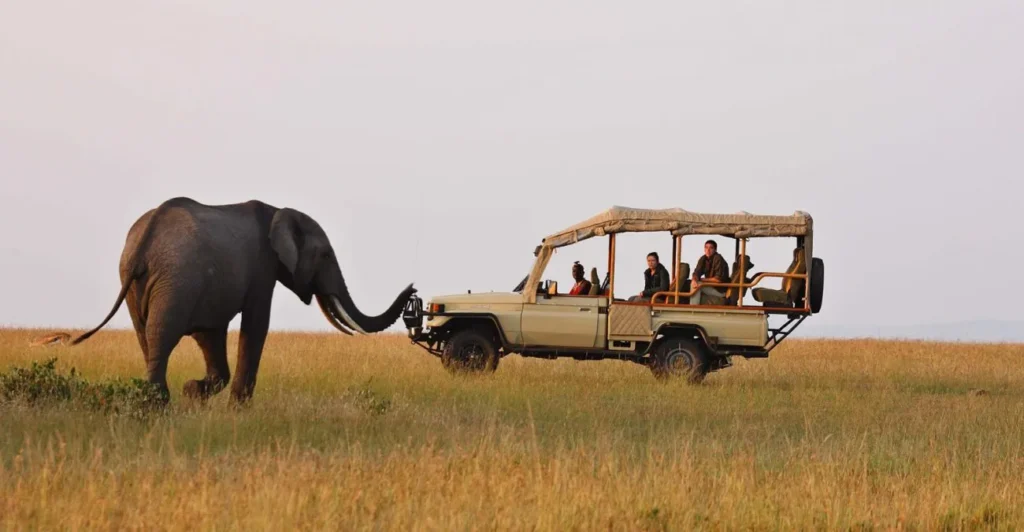
Self-Drive vs Guided Uganda Safari: Which One Actually Suits You?
Game drive
At some point during the planning of almost every Uganda trip, the question surfaces. You have spent weeks reading about the gorillas of Bwindi, the hippos on the Kazinga Channel, the shoebills lurking in the papyrus swamps. You have a rough idea of how much you want to spend. And then someone mentions it: have you considered doing a self-drive Uganda safari?
It is a fair question. A self-drive Uganda safari costs considerably less on paper, offers a degree of freedom that no guided tour can match, and appeals to a certain kind of traveller who finds the idea of navigating a country on their own terms genuinely exciting. A guided Uganda safari, on the other hand, comes with expertise, logistical support, and access to knowledge that can transform a pleasant wildlife trip into something far deeper.
Neither option is universally superior. What works brilliantly for a pair of experienced travellers with a high tolerance for uncertainty may be frustrating, even risky, for someone who has never driven off-road in East Africa before. This guide examines both approaches honestly, so you can decide which suits your temperament, your budget, and the kind of trip you actually want.
What a Self-Drive Uganda Safari Actually Involves
A self-drive Uganda safari means hiring a vehicle — almost always a 4×4 with high clearance, typically a Toyota Land Cruiser or a Rav4 on better roads — and navigating Uganda’s national parks and wildlife areas independently. You plan your own itinerary, book your own permits and accommodation, and rely on park rangers, maps, and your own judgement when you’re in the field.
In principle, Uganda is one of the more self-drive-friendly countries in East Africa. The road network, while far from perfect, has improved considerably in recent years. Parks like Lake Mburo are compact enough to navigate confidently, and signage within major national parks has become more reliable. Bwindi requires a guide even for independent visitors, which effectively means gorilla trekking is never entirely self-driven regardless of how you arrive.
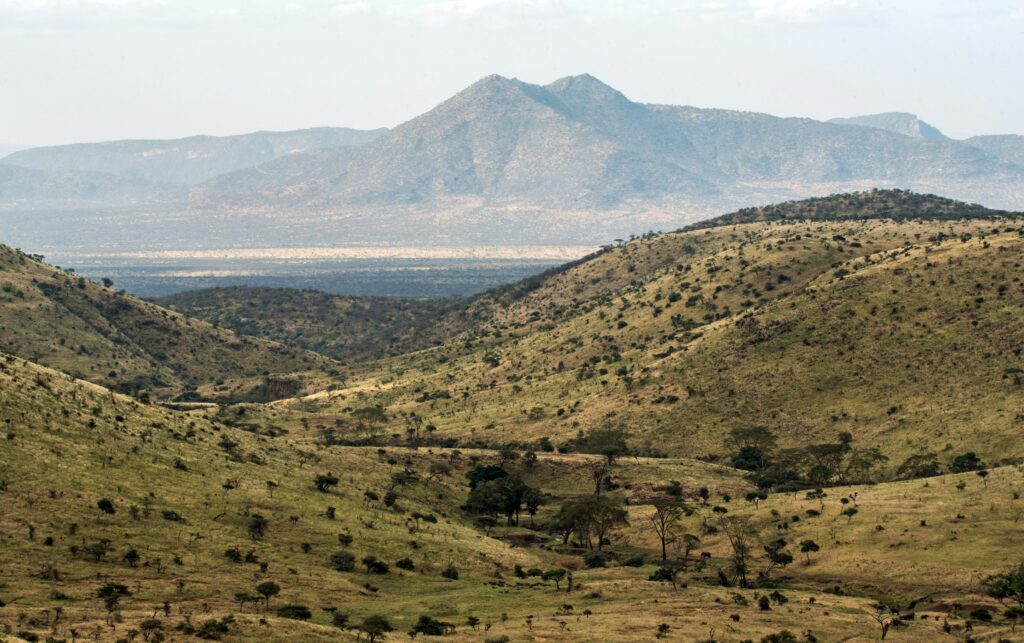
In practice, the experience varies enormously. The road between Kampala and Queen Elizabeth National Park passes through some long, taxing stretches, particularly after rain. Murchison Falls is roughly five to six hours from Kampala on a good day. Kidepo Valley National Park, arguably Uganda’s most remote and spectacular park, involves a full day of driving on roads that punish inexperienced drivers even in the dry season.
The Real Cost of a Self-Drive Uganda Safari
The financial case for a self-drive Uganda safari is real but requires careful scrutiny. Vehicle hire from a reputable company typically runs between USD 80 and USD 150 per day, depending on the model and whether a rooftop tent is included. Add national park entry fees — Queen Elizabeth charges USD 40 per person per day; Murchison Falls USD 40; Bwindi’s gorilla permits cost USD 700 per person regardless of how you get there — and accommodation, and a self-drive trip quickly approaches the cost of a budget guided safari.
What self-driving genuinely saves is the guiding fee. A qualified wildlife guide in Uganda typically adds USD 20 to 50 per day to a guided safari cost, plus the driver’s meals and accommodation. Over a ten-day itinerary, that adds up. For travellers who are genuinely confident in their wildlife knowledge and navigation skills, those savings are real. For those who are not, the trade-off is less obvious.
There are also costs that new self-drivers routinely underestimate: fuel (petrol and diesel prices in Uganda are higher than in Kenya or Tanzania), the cost of getting stuck and needing recovery, and the very real risk of paying park entry on a day when you find almost nothing because you didn’t know the right circuits, timing, or techniques.
Freedom and Flexibility: The Self-Drive Advantage
The most compelling argument for a self-drive Uganda safari is autonomy. You stop when you want. You linger when a pair of lions is sleeping in a fig tree. You skip ahead when an area feels quiet. You wake up at 5am and drive to the waterhole before anyone else arrives, or you stay at camp until noon because you were up late watching elephants under a full moon. Nobody is managing your schedule.
For experienced wildlife watchers who already know what they are looking for, this freedom translates directly into better sightings. They understand animal behaviour well enough to anticipate where something interesting might happen. They know to park quietly downwind of a pride of lions and wait, rather than driving through repeatedly. These travellers tend to have outstanding self-drive experiences precisely because the format suits their skills.
The flexibility extends to itinerary changes too. If you hear that tree-climbing lions have been spotted in the Ishasha sector of Queen Elizabeth, you can drive there tomorrow. If you want an extra night at Bwindi because the forest was otherworldly, you change your booking. Guided safaris can accommodate changes, but they involve more complexity and often additional costs.
The Honest Limitations of Going It Alone
Uganda’s roads are not European roads, and even experienced travellers who drive confidently in other African countries sometimes underestimate this. The stretch from Fort Portal to Bwindi, for instance, involves steep, narrow mountain tracks where a vehicle in poor mechanical condition is a genuine liability. The northern route to Kidepo requires a high-clearance 4×4 and confident driving on deeply corrugated laterite. Getting a puncture — common, not rare — in an unfamiliar area hours from the nearest town is a very different experience when you are self-driving than when a professional driver handles it.
Wildlife identification is the other significant gap. Recognising the silhouette of a shoebill stork from 200 metres is straightforward if you know what you are looking for. Knowing why the baboon troop on the road has suddenly gone silent, or reading the body language of a hippo in the water, or understanding where to look for the elusive African wild cat at dusk — these are skills that take years to develop. Most self-drive travellers return home having seen impressive wildlife but having missed perhaps twice as much that was right in front of them.
There is also the matter of context. Uganda’s parks have extraordinary human histories — the ecological restoration of Akagera-adjacent areas, the relationship between the Batwa communities and Bwindi, the role of the Uganda Wildlife Authority in reversing decades of poaching. These stories fundamentally change how you understand what you are seeing. Without a guide, they rarely surface.
What a Guided Uganda Safari Delivers
A guided Uganda safari pairs you with a driver-guide who combines the roles of navigator, wildlife spotter, naturalist, safety manager, cultural interpreter, and travel facilitator. At its best — with a genuinely experienced guide — it is one of the most efficient ways to understand a new wilderness.
The practical advantages begin at the airport. A good guide knows which roads to avoid after rain, which lodges serve as useful midpoints on a long drive day, and how to read the Ugandan road network’s informal rhythms. They will call ahead to a ranger station if reports of fresh lion activity have come in. They will know that the Kazinga Channel launch at 3pm on a Tuesday in September is better than the same boat on a Thursday because of afternoon shadow and wind direction.
None of this knowledge appears in a guidebook. It accumulates slowly, through seasons and thousands of hours in the field. When you hire an experienced guide, you are effectively buying access to that accumulated expertise for the duration of your trip.
Wildlife Knowledge: The Guided Safari’s Defining Edge
The single most significant advantage of a guided Uganda safari over a self-drive option is the quality of wildlife experience it delivers. A skilled guide spots a leopard in a tree from a moving vehicle at a distance where most travellers see only foliage. They identify a bird from a glimpse of wing pattern. They read animal behaviour instinctively and position the vehicle without thinking so that the light falls correctly for photography.
In Uganda specifically, this expertise is particularly valuable because the country’s wildlife tends toward forest and dense bush rather than open savannah. Spotting a chimpanzee moving through the canopy of Kibale Forest, or locating a family of mountain gorillas in Bwindi’s interior, requires a level of tracking knowledge that cannot be replicated from a guidebook or a smartphone app. Gorilla trekking itself is always guided — Uganda Wildlife Authority regulations require it — but the journey to and from the trekking zone rewards an expert eye enormously.
Guides in Uganda are also increasingly specialised. Birding guides working in Queen Elizabeth or Murchison Falls can find species that would be invisible to a general safari-goer. Primate specialists working in Kibale know the behavioural patterns of specific chimpanzee communities. If you have a particular wildlife interest, a specialist guide amplifies it beyond what any self-drive experience can offer.
Safety, Logistics, and the Weight You Don’t Carry
A guided Uganda safari removes a significant cognitive load. You don’t spend your evenings recalculating driving times, checking road conditions, or worrying about whether your vehicle’s tyres will survive tomorrow’s track. The guide or operator handles permits, park gate documentation, accommodation confirmations, and the dozen small logistical details that accumulate quickly on an independent African trip.
In remote areas, this matters considerably. Kidepo Valley National Park sits in the extreme northeast, close to the South Sudan border, in a region that requires a thoughtful security assessment. A reputable operator knows the current situation and adjusts accordingly. A self-drive traveller arriving with incomplete information is in a meaningfully different position.
Medical emergencies, vehicle breakdowns, and unexpected accommodation closures all require local contacts and experience to resolve quickly. A good safari operator has these systems in place. A self-drive traveller is relying on a combination of phone signal, travel insurance, and luck.
The Cost of a Guided Uganda Safari, Honestly
Guided Uganda safaris range from budget to luxury, and the price difference reflects genuine differences in experience. A budget guided safari — shared vehicle, mid-range accommodation, a driver-guide with adequate but not specialist knowledge — might run USD 200 to 350 per person per day inclusive of most costs. A premium guided safari with an expert naturalist, a private vehicle, top-tier lodges, and a custom itinerary can reach USD 500 to 800 or more per person per day.
The premium end is not simply comfort. Better lodges tend to be positioned within or directly adjacent to parks, meaning earlier access to wildlife areas and better sightings. Expert naturalist guides produce measurably better wildlife encounters. These are not marketing claims; they are the consistent experience of travellers who have done both.
A mid-range guided Uganda safari, thoughtfully planned, will cost more than a comparable self-drive trip. The honest question is what that difference buys. For first-time Uganda visitors, the answer is usually: considerably more than the extra cost suggests.
The Hybrid Approach: Self-Drive Uganda Safari Combined with Guided Days
There is a middle path that experienced Africa travellers increasingly favour. Drive the road sections yourself, particularly those between parks that are well-paved and manageable. Hire a guide for specific activities: gorilla trekking, chimpanzee habituation, a birding morning in a specialist area. Use a professional guide for the days inside parks where wildlife knowledge matters most, then revert to self-drive for long transfer days where a hired driver adds little beyond basic navigation.
This approach reduces overall costs while preserving the expertise where it genuinely changes the experience. It requires more planning, because you are essentially managing two parallel systems simultaneously. But for travellers who are comfortable with that level of organisation, it offers the best elements of both formats.
Lake Mburo, for instance, is compact and straightforward enough for a confident self-driver to navigate independently. Bwindi and Kibale are not, both because of road conditions and because the wildlife experiences inside them reward specialist knowledge so richly. Queen Elizabeth sits somewhere between the two, with some circuits genuinely rewarding for self-drivers while others — the Mweya area at night, the Ishasha sector in the dry season — significantly benefit from a guide’s knowledge.
Which Uganda Safari Option Is Actually Right for You?
A self-drive Uganda safari suits you well if you have previous experience driving in East Africa, are genuinely comfortable with mechanical uncertainty, have strong wildlife knowledge or are primarily motivated by the independence of the format, and are flexible enough to adjust plans when roads or conditions change. It also suits experienced birders and wildlife enthusiasts who know their targets well enough to find them without local help.
A guided Uganda safari is almost certainly the right choice if this is your first time in Uganda or East Africa, if mountain gorillas or chimpanzees are central to your plans, if you are travelling with children or older travellers for whom comfort and predictability matter, if your trip is under two weeks and you cannot afford to lose days to logistical problems, or if you want the wildlife encounters to be genuinely educational rather than simply visual.
The format you choose should match the traveller you actually are, not the traveller you imagine you might be over a planning spreadsheet in January. Uganda is a rewarding country by any measure. But it rewards preparation, and self-drive travel here asks for more of it than most people expect.
How Terenga Safaris Approaches This Choice
Terenga Safaris is based in Uganda and works with both self-drive and guided itineraries. When a client asks whether to self-drive, the honest answer depends on the specific circuit, the time of year, the client’s experience level, and what they actually want from the trip. There is no standard recommendation.
For clients who are set on self-driving, Terenga can help design a sensible circuit, identify vehicle hire partners with maintained fleets, advise on which parks reward self-drive and which will frustrate it, and provide day-by-day planning detail that gives independent travellers a genuine advantage. For those moving to a guided format, the company designs itineraries around specific interests — birding, primates, photography, culture — and matches guides accordingly.
The goal, in either case, is a trip that suits the person actually making it.
Making the Decision
A self-drive Uganda safari and a guided Uganda safari are not simply different price points for the same experience. They are genuinely different kinds of trips, with different rewards, different challenges, and different ideal candidates. The mistake is choosing based on cost alone, or based on an abstract preference for independence without honestly assessing what the format demands.
Uganda is among the most biodiverse countries in Africa and one of the most logistically demanding for independent travellers. It rewards preparation either way. The question is not which format is better in the abstract but which one will produce the experience you will still be talking about five years from now.
If you are still undecided, speak to someone who knows both formats from the inside. The answer for your specific trip is usually clearer than it looks from the outside.