Baby Animal Safari
August 3, 2026
East Africa Safari Costs
August 3, 2026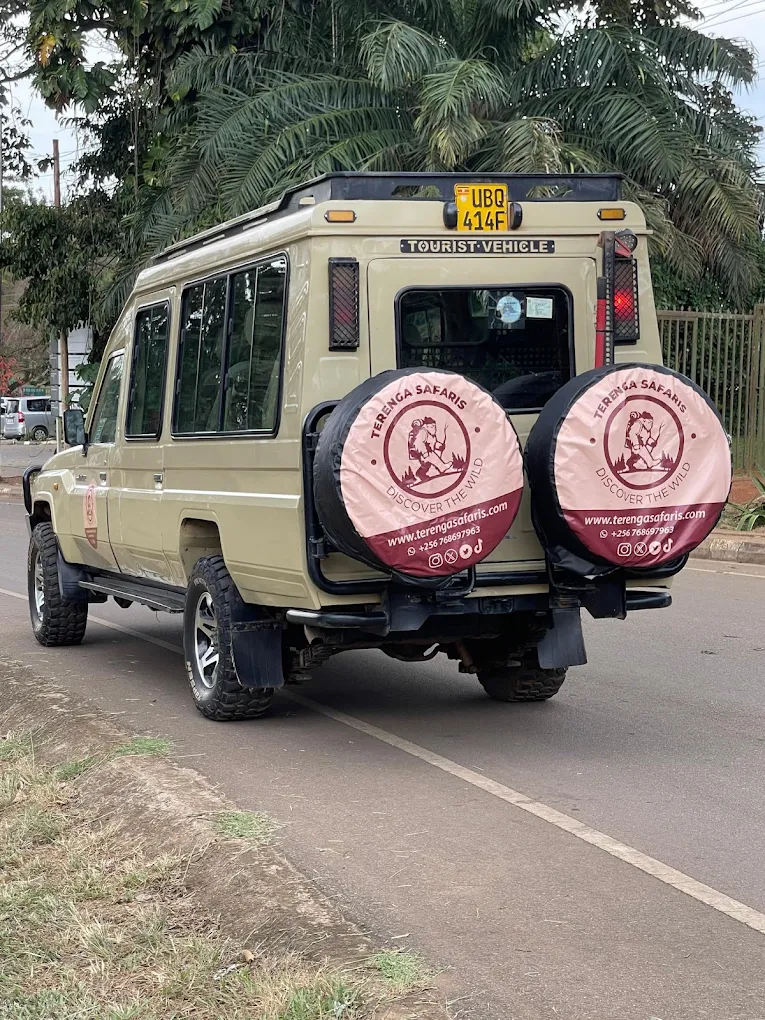
Budget Uganda Safari
A budget Uganda safari does not mean missing the gorillas or the game drives. It means choosing where the money goes and where it does not. Uganda already undercuts Rwanda on permits and offers more parks for the price. With a few deliberate decisions, travellers keep the core experiences while trimming the rest.
This guide sets out the real cost drivers, the seasons that stretch a budget, and the trade-offs that still leave you with a solid trip. You will finish knowing what to prioritise, what to skip, and how to structure days so the savings feel earned rather than forced.
Where the Money Actually Goes on a Budget Uganda Safari
Three line items dominate almost every Uganda itinerary. The gorilla permit sits at the top. Park entry fees and vehicle hire follow close behind. Accommodation and meals sit lower for travellers who choose carefully.
As of 2026 the Uganda Wildlife Authority charges foreign non-residents $800 for a standard gorilla trekking permit. In April, May and November the low-season rate drops to $600. That single saving of $200 per person is real money. Chimpanzee tracking in Kibale currently sits at $250 in peak months and $200 in the same low-season window. Confirm current figures with the Authority or your operator before you pay; tariffs can shift.
Park entry runs $40–$45 per person per day depending on the park. Murchison Falls sits in the higher band. A shared 4×4 or safari van with driver-guide often costs $150–$250 per day for the vehicle. Split among four or six people and the per-person figure falls sharply. Private Land Cruisers cost more and eat fuel faster.
Budget lodges and bandas near park gates typically range from $40 to $100 per person per night on a full-board basis. Mid-range properties climb to $150–$300. Luxury camps start higher still. The wildlife you see on a game drive does not change with the room rate.
Travel in the Green Season for a Cheaper Budget Uganda Safari
Peak dry months of June to September and the Christmas period fill lodges and push rates up. The green season—roughly March to May and again in October–November—offers the opposite. Lodges cut rates by 20–35 percent. Crowds thin. Permit availability improves.
Rain falls, often in short afternoon bursts. Trails in Bwindi grow muddy. Trekking becomes harder. Yet the forests turn a deeper green and birdlife intensifies. Game viewing in the savannah parks remains solid because animals still need water sources. Many guides prefer these quieter months for the quality of light and the absence of vehicle congestion.
If your dates are flexible, target April, May or November. You gain the low-season gorilla rate of $600 and cheaper beds at the same time. Pack a light rain jacket and accept that some tracks will be slower. The trade-off is worth it for most value-conscious travellers.
Share the Vehicle and Join a Small Group
Transport is the second-largest variable cost after permits. A private vehicle for a couple can double the daily rate compared with a shared departure. Scheduled small-group safaris put four to six people in the same van. Each person pays a fraction of the fuel, driver and guide fee.
You lose some flexibility on timing and route. You gain conversation and a lower bill. Solo travellers especially benefit; the single supplement on private trips can be punishing. Fixed-departure dates from Kampala or Entebbe appear regularly with local operators who specialise in budget and mid-range work.
If you travel as a pair or family of four, a private hire still makes sense. Just choose a Toyota Hiace safari van or RAV4 rather than a stretched Land Cruiser unless the roads demand it. Fuel consumption drops and so does the daily hire rate.
Choose Parks and Activities That Deliver Value
Not every park needs to sit on the itinerary. Long road transfers between distant reserves burn both time and money. A tighter circuit saves more than any single lodge discount.
Queen Elizabeth National Park offers boat trips on the Kazinga Channel, tree-climbing lions in Ishasha, and solid plains game. It sits within reasonable driving distance of both Kibale and Bwindi. Lake Mburo is closer still to Kampala and allows walking and cycling among zebra and impala at lower fees. Murchison Falls rewards the extra drive with the Nile and a wider range of large mammals, yet the transfer days add cost.
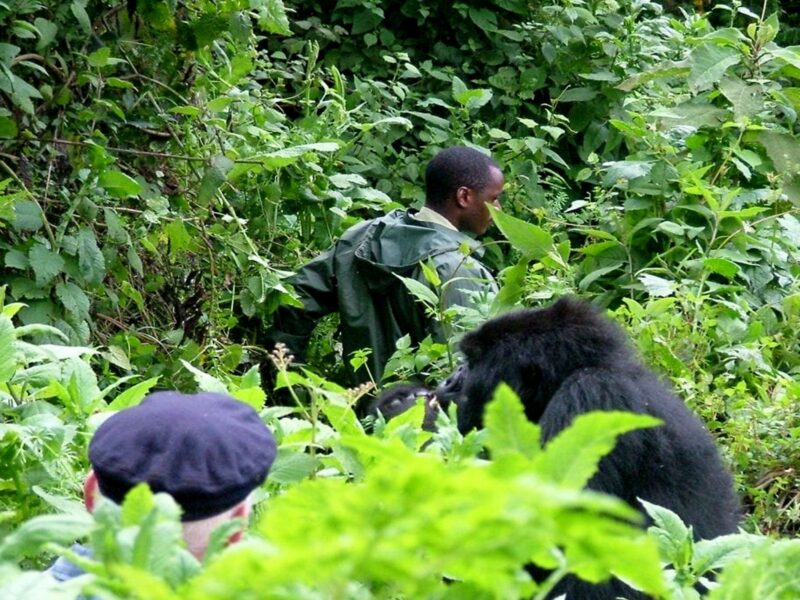
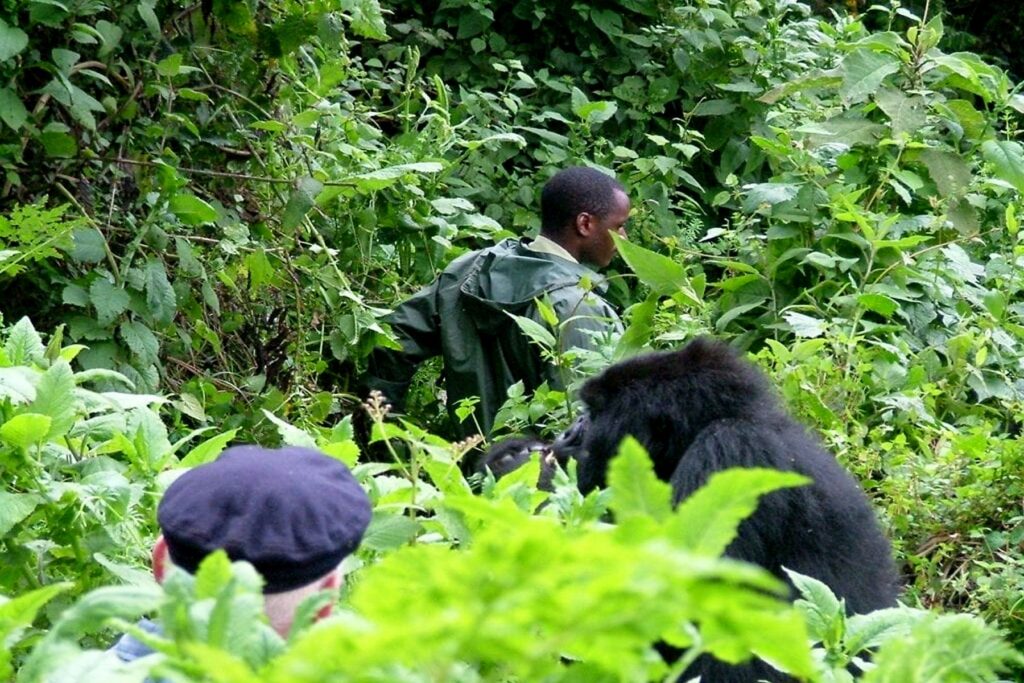
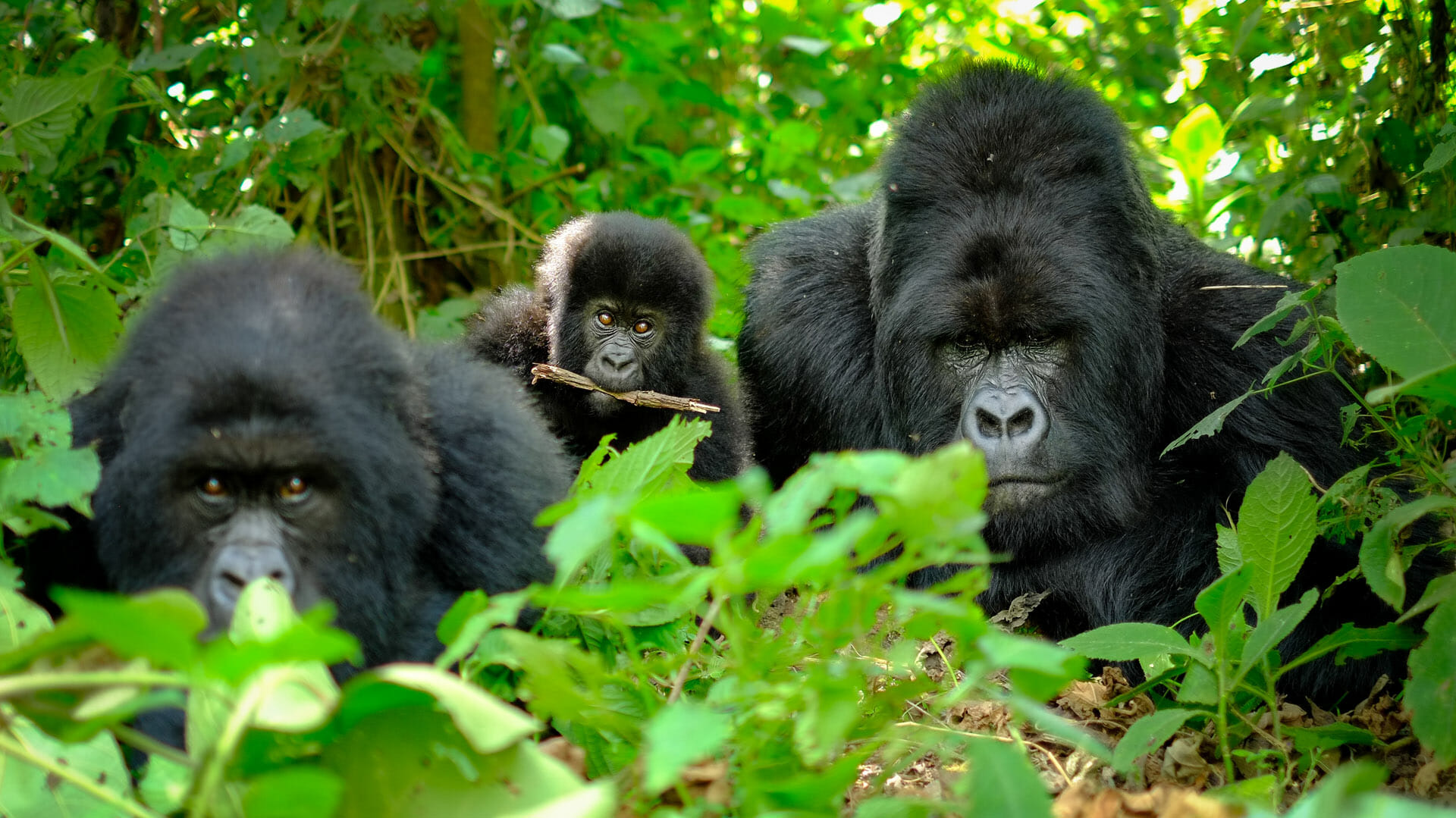
On the primate side, one gorilla trek is enough for most people. The hour with the family stays vivid. Adding a second trek or a full habituation experience doubles or triples the permit outlay. Chimpanzee tracking in Kibale pairs well with a Queen Elizabeth stay and costs far less than a second gorilla day. Golden monkey tracking in Mgahinga is another lower-cost option if you already sit near the southwestern border.
Skip multiple boat safaris or night drives unless they form a core interest. Each extra activity adds a fee. Build the itinerary around the one or two experiences that matter most to you, then fill the remaining days with game drives and time in camp.
Stay Outside the Gate and Eat Local
Lodges inside park boundaries charge a premium for location. Clean, well-run guesthouses and tented camps sit just outside the gates of Queen Elizabeth, Murchison and Bwindi. You drive a few extra minutes each morning. You sleep for half the price or less.
Camping remains viable at several public and private sites. Red Chilli Rest Camp at Murchison and similar operations near other parks offer pre-erected tents or simple bandas. Expect basic facilities and shared bathrooms. The saving is substantial if comfort is secondary to wildlife.
Meals follow the same logic. Lodge restaurants serve international menus at international prices. Local restaurants and market stalls in towns such as Fort Portal, Kasese or Kabale serve matoke, beans, fresh fish and chapati for a few dollars. Buy water and snacks in bulk before entering the parks. The difference over a week adds up.
Book Early and Keep the Itinerary Tight
Gorilla permits sell out months ahead in peak season. Booking four to six months in advance locks in both the permit and the better-value lodges. Last-minute travellers often pay more for remaining rooms or face sold-out dates.
A shorter, focused itinerary also costs less than a sprawling one. Five to seven days that include one gorilla trek, one chimpanzee track and two solid savannah parks deliver the essence of Uganda without padding. Extra nights in transit towns or repeated drives between distant parks inflate the total without adding equivalent experience.
Self-drive remains an option for experienced travellers comfortable with Ugandan roads and park regulations. Vehicle hire starts lower than a guided package, yet you carry the full responsibility for navigation, breakdowns and security. Most first-time visitors find a local operator with a driver-guide the safer and more efficient route once the shared costs are calculated.
What a Realistic Budget Uganda Safari Looks Like
Numbers vary with season, group size and exact choices, yet broad ranges hold. A shared 5–7 day budget itinerary that includes one gorilla permit often lands between $1,500 and $2,800 per person. That figure covers the permit, park fees, shared transport, basic full-board lodging and the main activities. International flights sit outside it.
Mid-range trips with better lodges and more private elements typically run $3,000–$5,500 for similar length. Luxury itineraries climb well above that. The wildlife encounters themselves—gorillas, chimps, elephants on the Kazinga Channel—remain the same across the tiers. The difference lies in comfort, privacy and transfer speed.
Uganda still undercuts Rwanda on the gorilla permit by a wide margin. Rwanda charges $1,500 for the equivalent experience. That gap alone makes Uganda the clearer choice for travellers watching every dollar while refusing to skip the primates.
Honest Limits of a Budget Approach
Saving money brings compromises. Shared vehicles mean fixed departure times and less control over stops. Budget lodges may have intermittent hot water or limited electricity. Green-season rains can turn a short trek into a longer, muddier one. Roads remain rough in places regardless of season.
Fitness matters for gorilla trekking. The walk can last from one to six hours depending on the family’s location that day. Steep, slippery paths challenge knees and lungs. Anyone with serious mobility limits should discuss options carefully before booking.
A budget Uganda safari suits independent travellers, small groups of friends, and anyone who prioritises the animals over the thread count. It suits less well those who need high levels of comfort, private guiding throughout, or who dislike sharing space with strangers for several days.
Decide What Matters and Spend There
The travellers who leave Uganda satisfied on a tighter budget share one habit. They decide early which experiences are non-negotiable—almost always the gorilla hour—and protect that line item. Everything else becomes flexible: season, group size, lodge standard, number of parks.
Start with the low-season window if dates allow. Share the vehicle. Stay just outside the gate. Keep the itinerary short and focused. Confirm every fee with the Uganda Wildlife Authority or a trusted operator before money changes hands. Those steps alone remove the largest avoidable costs.
If you want help shaping an itinerary that balances cost against the experiences that matter to you, the team at Terenga Safaris can walk through the options with current rates and availability. The goal remains the same: leave with the memories intact and the budget under control.