Why Should I Visit Katavi National Park?
October 16, 2026
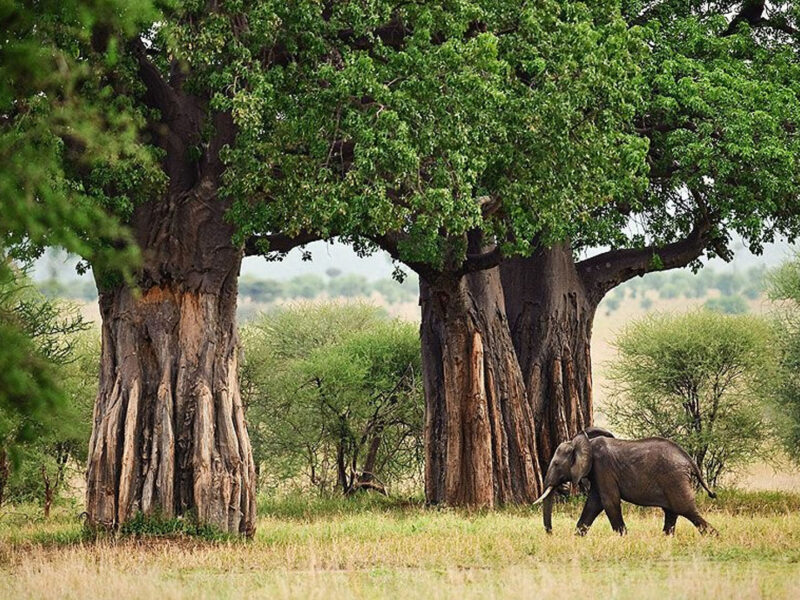
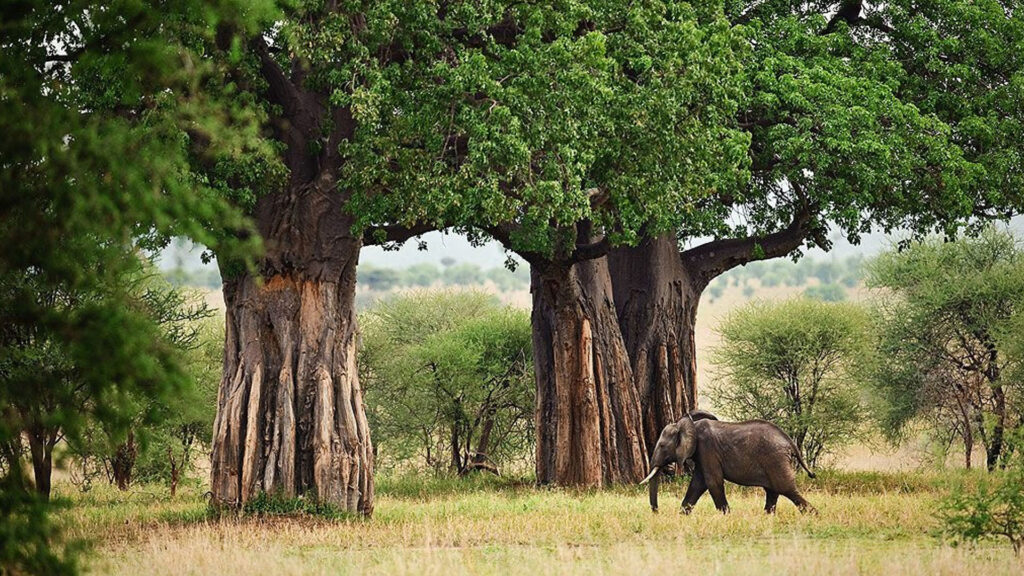
Why Is Tarangire National Park Known for Elephants and Baobab Trees?
October 16, 2026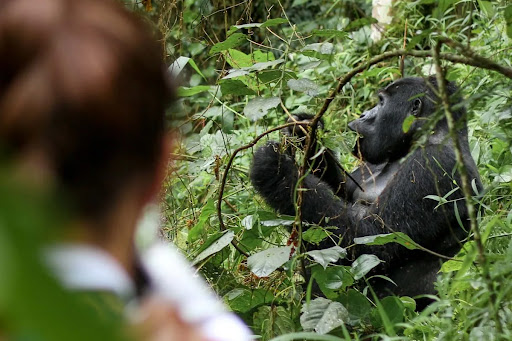
Can I Combine Gorilla Trekking with a Uganda Safari?
Yes, you can combine gorilla trekking with a Uganda safari, creating one of the most diverse wildlife experiences in East Africa. Uganda offers a remarkable combination of tropical forests, savannahs, wetlands, mountains, lakes, and rich wildlife.
A combined itinerary allows travelers to experience mountain gorillas, chimpanzees, lions, elephants, hippos, buffaloes, giraffes, and numerous bird species during one trip.
Gorilla trekking usually takes place in Bwindi Impenetrable National Park or Mgahinga Gorilla National Park. You can then combine the trek with wildlife experiences in destinations such as Queen Elizabeth National Park, Kibale National Park, Murchison Falls National Park, or Lake Mburo National Park.
This combination creates a balanced adventure that includes both primate experiences and traditional African game drives.
Why Combine Gorilla Trekking with a Uganda Safari?
Gorilla trekking provides a completely different experience from a traditional wildlife safari.
Instead of watching animals from a vehicle, travelers hike through dense rainforest in search of mountain gorillas.
A game drive, however, takes you across open landscapes where you can search for large mammals.
Combining both experiences allows you to explore Uganda’s diverse ecosystems during one journey.
You can spend one day tracking gorillas through misty rainforest and another watching elephants cross the savannah.
Furthermore, adding chimpanzee tracking creates an even richer primate experience.
Uganda therefore provides an excellent opportunity to combine several wildlife experiences within one country.
Gorilla Trekking in Bwindi Impenetrable National Park
Bwindi Impenetrable National Park is one of Uganda’s most important gorilla trekking destinations.
The ancient rainforest provides a natural habitat for endangered mountain gorillas. The forest also supports numerous bird species, monkeys, forest elephants, and other wildlife.
Gorilla trekking begins with a briefing before travelers enter the forest with trained guides and trackers.
The trek can involve steep slopes, thick vegetation, muddy trails, and changing weather conditions.
Once the gorilla family is located, travelers can observe the animals from a safe and respectful distance.
Seeing mountain gorillas interacting within their natural environment creates an extraordinary wildlife experience.
Gorilla Trekking in Mgahinga Gorilla National Park
Mgahinga Gorilla National Park provides another opportunity for gorilla trekking in Uganda.
The park forms part of the larger Virunga ecosystem shared by Uganda, Rwanda, and the Democratic Republic of Congo.
Its mountainous landscape creates a dramatic setting for forest adventures.
In addition to gorillas, the park supports golden monkeys and numerous forest species.
Travelers who choose Mgahinga can combine gorilla trekking with other activities, including hiking and cultural experiences.
The park can therefore provide an excellent addition to a longer Uganda safari.
Add Queen Elizabeth National Park
Queen Elizabeth National Park is one of Uganda’s most popular wildlife destinations.
The park contains savannah, woodland, wetlands, forests, lakes, and volcanic landscapes.
Game drives can provide opportunities to see elephants, lions, buffaloes, leopards, Uganda kobs, warthogs, and other wildlife.
The Kazinga Channel offers another major attraction.
Boat cruises along the channel provide opportunities to observe hippos, crocodiles, elephants, buffaloes, and many bird species.
The Ishasha sector also provides opportunities to search for its famous tree-climbing lions.
Combining Queen Elizabeth National Park with Bwindi creates a natural transition from savannah wildlife to rainforest trekking.
Add Kibale National Park for Chimpanzee Tracking
Kibale National Park is particularly popular with travelers interested in primates.
The park supports a large population of chimpanzees and several other primate species.
Chimpanzee tracking takes visitors into the forest with experienced guides and trackers.
Along the way, travelers can observe chimpanzees moving through the trees and communicating with each other.
The forest also supports red colobus monkeys, black-and-white colobus monkeys, L’Hoest’s monkeys, and other species.
Combining chimpanzee tracking with gorilla trekking creates an exceptional primate-focused safari.
Explore Murchison Falls National Park
Travelers with additional time can include Murchison Falls National Park.
The park is Uganda’s largest protected area and offers extensive savannah landscapes.
Game drives can provide opportunities to see elephants, lions, giraffes, buffaloes, Uganda kobs, and other wildlife.
A boat cruise along the Victoria Nile provides another memorable experience.
The river attracts large numbers of hippos and crocodiles, while elephants and other animals often gather along the banks.
The spectacular Murchison Falls forms another highlight of the park.
Here, the Nile passes through a narrow gorge before continuing toward Lake Albert.
How Many Days Do You Need?
The duration depends on the number of destinations included.
A short itinerary could combine gorilla trekking with Queen Elizabeth National Park in approximately four to six days.
A seven-to-ten-day itinerary can include gorilla trekking, chimpanzee tracking, and additional wildlife experiences.
Travelers with two weeks or more can add Murchison Falls or other destinations.
The itinerary can change depending on your interests, travel dates, budget, and preferred destinations.
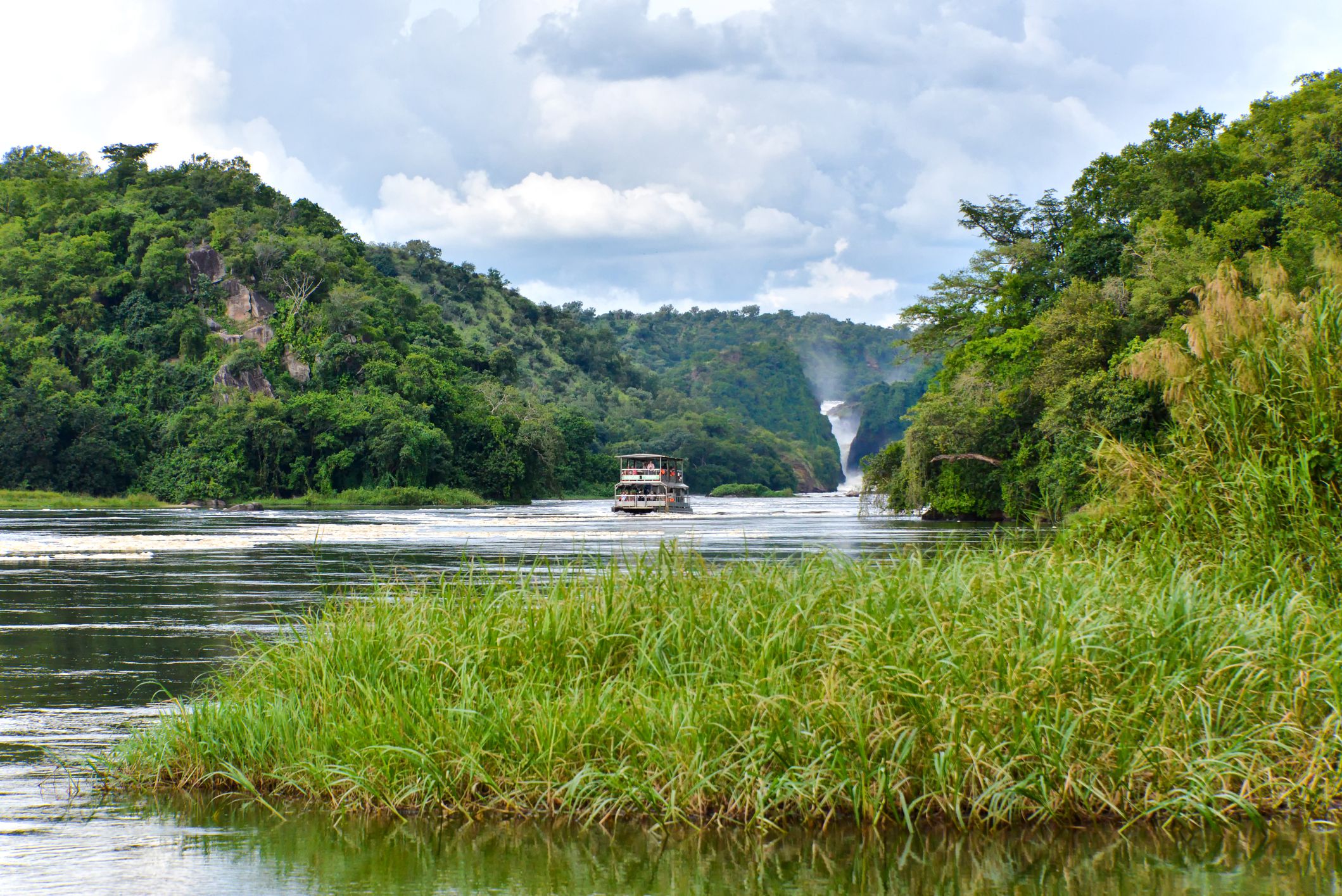
The Murchison Falls National Park
How Difficult Is Gorilla Trekking?
Gorilla trekking requires a reasonable level of physical fitness.
The difficulty varies depending on the location of the gorilla family and the terrain.
Some treks may take several hours, while others can require longer hikes through challenging forest terrain.
Rain can also make trails slippery and muddy.
Travelers should prepare with sturdy hiking boots, comfortable clothing, waterproof gear, and sufficient drinking water.
People with mobility limitations should discuss their requirements with their tour operator before booking.
Can Families Combine Gorilla Trekking with a Safari?
Families can combine gorilla trekking with a Uganda safari, although travelers should consider the age requirements and physical demands.
Children who meet the applicable trekking requirements can participate in gorilla trekking.
Other family members can enjoy alternative activities if they do not participate in the trek.
Uganda’s national parks also offer family-friendly game drives and nature experiences.
A well-planned itinerary can therefore provide enjoyable experiences for different members of the family.
What Is the Best Time for a Combined Safari?
Uganda offers safari and gorilla trekking opportunities throughout the year.
However, weather conditions can influence the experience.
The drier periods can provide more comfortable conditions for trekking and game drives. Forest trails may also become easier to navigate.
During wetter periods, trails can become muddy and slippery. However, the forests become particularly lush and green.
Wildlife remains present throughout the year.
Therefore, the best travel period depends on your priorities, budget, and preferred activities.
What Should You Pack?
Packing appropriately can make a combined safari more comfortable.
For game drives, travelers should consider lightweight clothing, a hat, sunglasses, sunscreen, binoculars, and insect repellent.
For gorilla trekking, useful items include:
* Sturdy hiking boots
* Long trousers
* Long-sleeved shirts
* Waterproof jacket
* Gardening gloves
* Insect repellent
* Comfortable backpack
* Reusable water bottle
* Camera
* Extra batteries or power bank
A waterproof bag can also help protect cameras and other electronics during forest trekking.
Can I Add Cultural Experiences?
Yes, cultural experiences can complement a gorilla and wildlife safari.
Several communities around Uganda’s protected areas welcome visitors through organized tourism activities.
Travelers can experience traditional music, dance, crafts, food, storytelling, and community activities.
Cultural experiences provide an opportunity to understand the communities living around Uganda’s wildlife areas.
They can also add variety to an itinerary between wildlife activities.
Can I Combine Uganda with Other East African Countries?
Uganda can also form part of a larger East African safari.
Travelers can combine Uganda with Kenya, Tanzania, or Rwanda.
For example, a longer itinerary could include the Maasai Mara in Kenya, Serengeti in Tanzania, gorilla trekking in Uganda, and Volcanoes National Park in Rwanda.
The additional destinations require more travel time and careful planning.
However, a multi-country itinerary can provide an extensive introduction to East Africa’s wildlife and landscapes.