
Which Parks Are Less Crowded on an East African Safari?
July 9, 2026
15 Facts About Uganda’s Mountain Gorillas That Will Surprise You
July 10, 2026
What Is the Difference Between a Game Drive and a Walking Safari?
An African safari is one of the most unforgettable travel experiences in the world, offering incredible opportunities to observe wildlife in its natural habitat. Whether you’re exploring the vast savannahs of Kenya and Tanzania or the diverse national parks of Uganda and Rwanda, you’ll come across a variety of safari activities designed to bring you closer to nature.
Among the most popular are game drives and walking safaris. While both allow visitors to experience Africa’s remarkable wildlife and landscapes, they offer completely different perspectives of the wilderness. One takes you across the bush in a specially designed safari vehicle, while the other invites you to explore the natural world on foot under the guidance of experienced rangers.
If you’re planning your first safari, understanding the differences between these two activities can help you choose the experience that best matches your interests, fitness level, and travel style.
What Is a Game Drive?
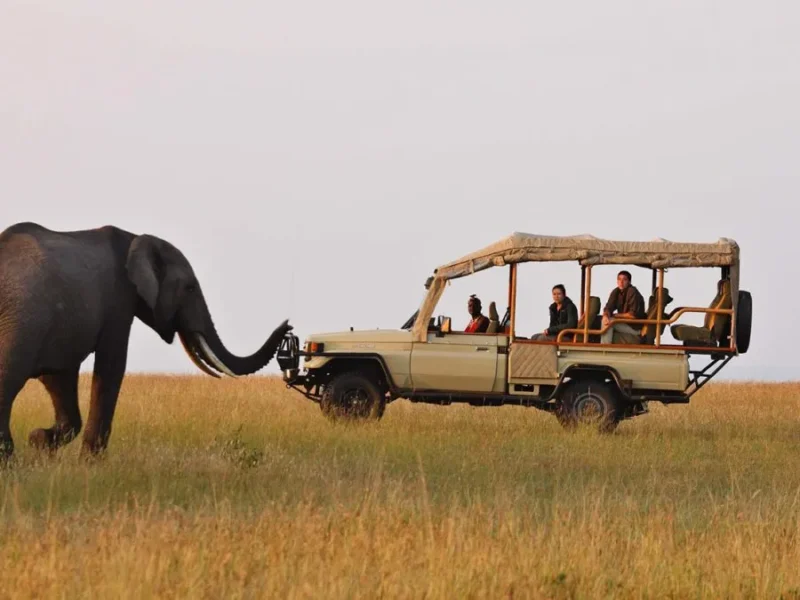
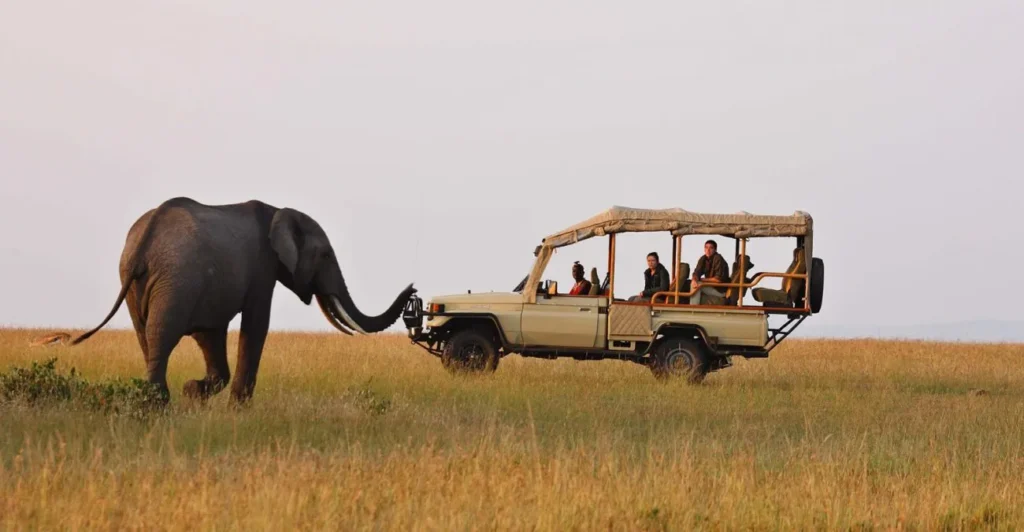
A game drive is the classic African safari experience that most travelers picture when they think of wildlife adventures. Visitors travel through national parks and game reserves in specially designed 4×4 safari vehicles accompanied by a professional driver-guide.
The main objective of a game drive is to locate and observe wildlife across large areas of protected wilderness. Because vehicles can cover long distances, visitors have an excellent chance of spotting a wide variety of animals during a single outing.
Game drives are usually conducted during the cooler hours of the day when animals are most active. Morning game drives often begin shortly after sunrise, while afternoon drives continue until sunset. Some parks also offer night game drives, allowing visitors to search for nocturnal animals such as leopards, hyenas, civets, porcupines, and bush babies.
What Wildlife Can You See on a Game Drive?
One of the biggest advantages of a game drive is the opportunity to encounter a wide range of wildlife within a relatively short period.
Depending on the destination, visitors may see:
- Lions
- Leopards
- Elephants
- Buffaloes
- Rhinos
- Giraffes
- Zebras
- Hippos
- Crocodiles
- Warthogs
- Hyenas
- Antelopes
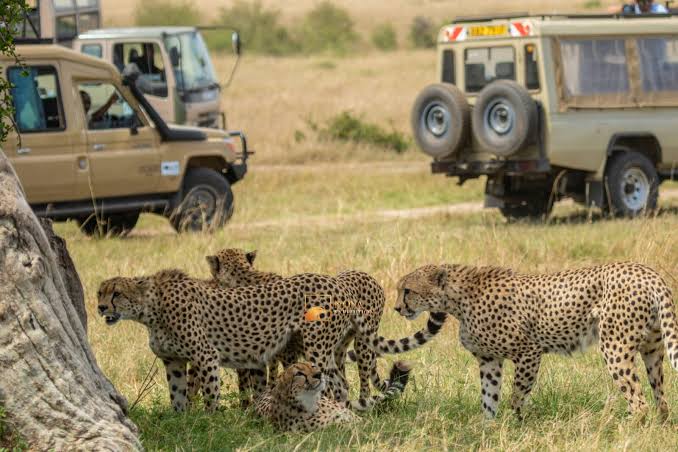
- Cheetahs
- Hundreds of bird species
In parks such as Queen Elizabeth National Park, Murchison Falls National Park, Serengeti National Park, Maasai Mara National Reserve, and Tarangire National Park, game drives often provide unforgettable sightings of the Big Five and other iconic African wildlife.
Advantages of a Game Drive
Game drives remain the most popular safari activity for several reasons.
Cover More Ground
Safari vehicles can travel across different habitats, allowing visitors to explore grasslands, woodlands, riverbanks, wetlands, and open plains within a few hours.
Higher Chances of Seeing Wildlife
Since guides can follow animal tracks and move quickly between different areas of the park, game drives generally offer better chances of seeing predators and large mammals.
Comfortable Experience
Game drives require very little physical effort, making them suitable for travelers of all ages, including families with young children and older visitors.
Excellent for Photography
Safari vehicles provide elevated viewing positions and allow photographers to use large camera lenses while remaining stable and comfortable.
What Is a Walking Safari?
A walking safari offers a completely different way to experience Africa’s wilderness.
Instead of viewing animals from a vehicle, visitors explore the bush on foot accompanied by experienced guides and armed park rangers. Walking safaris focus less on searching for large animals and more on understanding the entire ecosystem.
Moving quietly through the landscape allows visitors to appreciate details that are often overlooked during game drives, including animal tracks, insects, birds, plants, and smaller wildlife.
Walking safaris encourage travelers to slow down and experience nature through sight, sound, smell, and touch.
What Happens During a Walking Safari?
Walking safaris are educational as well as adventurous.
Your guide will explain how different animals interact with their environment and teach you to recognize signs of wildlife, including:
- Animal footprints
- Droppings
- Feeding areas
- Bird calls
- Insect activity
- Medicinal plants
- Trees and shrubs
- Termite mounds
You may also encounter animals such as giraffes, zebras, antelopes, buffaloes, warthogs, and numerous bird species at a safe distance.
Although sightings of predators are less common than during game drives, the excitement of walking through the same environment as wild animals creates an unforgettable sense of adventure.
Advantages of a Walking Safari
Walking safaris offer several unique benefits that cannot be experienced from a vehicle.
A Deeper Connection with Nature
Walking through the wilderness encourages visitors to appreciate every aspect of the environment rather than focusing only on large mammals.
Learn About the Ecosystem
Professional guides provide fascinating insights into ecology, conservation, animal behavior, and the relationships between plants and wildlife.
Peaceful Experience
Without the sound of vehicle engines, visitors enjoy the natural sounds of birds, insects, rustling leaves, and distant wildlife.
Sense of Adventure
Exploring the bush on foot creates a feeling of excitement and immersion that many travelers consider the highlight of their safari.
Key Differences Between a Game Drive and a Walking Safari
Although both activities take place in the same wilderness, they differ in several important ways.
Which Safari Experience Is Better?
The answer depends on what you want from your safari.
If your dream is to see the Big Five, photograph lions, or maximize wildlife sightings, a game drive is likely the better choice.
If you enjoy hiking, learning about nature, and experiencing the African wilderness from a completely different perspective, a walking safari may be even more rewarding.
Many experienced travelers recommend including both activities in the same itinerary because they complement each other perfectly.
Are Walking Safaris Safe?
Yes. Walking safaris are conducted under strict safety guidelines and are always led by experienced guides and armed rangers.
Before setting out, visitors receive a detailed safety briefing explaining how to behave around wildlife and what to do if animals are encountered.
Guides are highly trained in reading animal behavior and selecting safe routes. Participants are expected to remain together, follow instructions, and avoid sudden movements or loud noises.
When conducted professionally, walking safaris are considered a safe and highly rewarding experience.
Where Can You Enjoy Game Drives and Walking Safaris in East Africa?
East Africa offers outstanding opportunities for both activities.
Uganda
Uganda combines classic game drives with excellent guided walks.
Popular game drive destinations include:
* Queen Elizabeth National Park
* Murchison Falls National Park
* Kidepo Valley National Park
* Lake Mburo National Park
Walking safaris are available in:
* Lake Mburo National Park
* Kidepo Valley National Park
* Ziwa Rhino Sanctuary
* Semuliki National Park
Kenya
Kenya offers game drives in world-famous destinations such as:
- Maasai Mara National Reserve
- Amboseli National Park
- Tsavo East National Park
- Tsavo West National Park
- Samburu National Reserve
Guided nature walks are available in selected conservancies and private reserves adjoining major parks.
Tanzania
Tanzania is renowned for both traditional safaris and guided walking experiences.
Excellent locations include:
- Serengeti National Park
- Tarangire National Park
- Ruaha National Park
- Nyerere National Park
- Ngorongoro Conservation Area
Rwanda
Although Rwanda is best known for gorilla trekking, Akagera National Park also offers exceptional game drives and guided walking safaris.
Can You Combine Both Experiences?
Absolutely.
Many safari itineraries combine game drives with walking safaris to provide a richer understanding of Africa’s wildlife.
For example, you might spend the morning searching for lions and elephants during a game drive before joining an afternoon guided walk to learn about tracks, birds, insects, and medicinal plants.
This combination offers the best of both worlds, balancing thrilling wildlife encounters with a deeper appreciation of the natural environment.
Plan Your Safari with Terenga Safaris
If you’re looking to experience both game drives and walking safaris, Terenga Safaris can create a personalized itinerary that showcases the very best of East Africa. Whether you want to search for the Big Five in Queen Elizabeth National Park, enjoy a walking safari in Lake Mburo National Park, track rhinos on foot at Ziwa Rhino Sanctuary, or combine these experiences with gorilla trekking in Bwindi Impenetrable National Park, Terenga Safaris offers expertly guided adventures tailored to your interests, schedule, and budget. Their experienced guides provide valuable insights into wildlife behavior, conservation, and local ecosystems, ensuring every safari is both educational and unforgettable.
Game drives and walking safaris each offer unique ways to experience the African wilderness. A game drive allows you to cover large areas, increasing your chances of seeing iconic wildlife such as lions, elephants, leopards, and giraffes while enjoying the comfort of a safari vehicle. A walking safari, on the other hand, slows the pace and reveals the hidden details of the bush, from animal tracks and bird calls to fascinating plants and insects that often go unnoticed.
Rather than choosing one over the other, many travelers discover that combining both activities creates the ultimate safari experience. Together, they provide a deeper understanding of Africa’s extraordinary landscapes, wildlife, and ecosystems while creating memories that will last a lifetime. Whether you’re embarking on your first safari or returning for another adventure, experiencing both a game drive and a walking safari will give you a richer appreciation of East Africa’s incredible natural heritage.