
White Water Rafting in Jinja, Uganda
July 8, 2026
Uganda Safari Costs Explained
July 9, 2026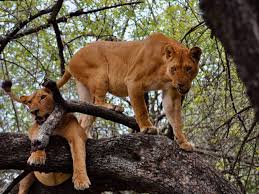
Where Can I See Tree-Climbing Lions?
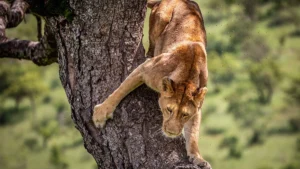
Tree climbing lion
Watching lions roam the African savannah is one of the most exciting experiences on any safari. However, seeing these powerful predators stretched out on the branches of a tree is even more extraordinary. Although lions are typically ground-dwelling animals, a few prides in East Africa have developed the rare habit of climbing trees to rest, making them one of the region’s most fascinating wildlife attractions.
For travelers asking, “Where can I see tree-climbing lions?”, East Africa offers some of the best opportunities anywhere in the world. Uganda and Tanzania are home to the most famous populations, where visitors regularly encounter lions relaxing high above the ground in large fig and acacia trees. These unique sightings have become a major highlight for wildlife enthusiasts, photographers, and anyone seeking an unforgettable safari experience.
Why Do Some Lions Climb Trees?
Unlike leopards, which are expert climbers, lions are not naturally built for spending time in trees. Their large size and muscular bodies make climbing more difficult, which is why this behavior is limited to only a few populations across Africa.
Wildlife researchers have proposed several explanations for this unusual habit. One widely accepted theory is that lions climb trees to escape the intense daytime heat. Elevated branches provide cooler breezes and a comfortable place to rest away from the hot ground.
Another possible reason is to avoid persistent insects such as tsetse flies and other biting pests that are more common at ground level. Some experts also believe that trees offer an excellent vantage point, allowing lions to watch for prey, monitor their territory, and keep an eye on rival predators or buffalo herds.
Although scientists continue to study this behavior, it is clear that tree climbing has become a learned habit passed down through generations in certain lion prides.
Ishasha Sector – Uganda’s World-Famous Tree-Climbing Lions
Without question, the Ishasha Sector of Queen Elizabeth National Park is the most famous destination for seeing tree-climbing lions.
Located in the southern part of the park, close to Bwindi Impenetrable National Park, Ishasha has earned an international reputation for its lions that spend long hours resting in the branches of giant fig trees. On many game drives, visitors are treated to the remarkable sight of several lions sprawled across thick branches, often sleeping peacefully while keeping watch over the surrounding plains.
This rare behavior has made Ishasha one of Uganda’s most photographed safari destinations and a favorite stop for travelers exploring the country’s western safari circuit.
Beyond its famous lions, the area is rich in wildlife. Visitors can also expect to encounter elephants, buffaloes, Uganda kobs, topi, hyenas, leopards, warthogs, and an impressive variety of bird species, making every game drive rewarding.
Lake Manyara National Park – Tanzania
Another renowned destination for tree-climbing lions is Lake Manyara National Park in northern Tanzania.
Although the park is relatively small compared to Tanzania’s larger reserves, it has become famous for lions that regularly climb acacia trees and spend hours resting above the ground. Spotting an entire pride lounging among the branches is one of the park’s signature wildlife experiences.
Lake Manyara’s diverse habitats—including groundwater forests, open grasslands, wetlands, and the alkaline lake itself—support an incredible range of wildlife. Visitors often combine tree-climbing lion sightings with encounters featuring elephants, giraffes, hippos, baboons, flamingos, and hundreds of bird species.
Tarangire National Park – Tanzania
While not as famous as Lake Manyara, Tarangire National Park has also recorded occasional sightings of tree-climbing lions.
Tarangire is best known for its enormous elephant population, ancient baobab trees, and excellent predator sightings. Although lions are more commonly seen resting on the ground, some prides have been observed climbing trees, especially during warmer periods of the day.
Because these sightings are less predictable, spotting a tree-climbing lion in Tarangire is considered a special bonus during a safari.
Other Places Where Tree-Climbing Lions Have Been Seen
Although Uganda and northern Tanzania remain the best-known destinations, tree-climbing lions have occasionally been observed elsewhere in Africa.
Some parks where this behavior has been recorded include:
- Serengeti National Park, Tanzania
- Ruaha National Park, Tanzania
- Kidepo Valley National Park, Uganda
- Kruger National Park, South Africa
- Okavango Delta, Botswana
In these locations, however, lions climbing trees are relatively uncommon, so visitors should view such sightings as fortunate surprises rather than guaranteed experiences.
When Is the Best Time to See Tree-Climbing Lions?
Tree-climbing lions can be seen throughout the year, but certain conditions improve your chances.
The best time is often during the warmer hours of the day, particularly from late morning to early afternoon. As temperatures rise, lions frequently seek the shade and cooler air offered by large tree branches.
The dry seasons also provide excellent wildlife viewing. During these months, vegetation is less dense, making it easier to spot animals, while many species gather around permanent water sources.
In Uganda, the most popular safari seasons run from June to September and December to February, when weather conditions are generally favorable for game drives.
Why Is This Behavior So Unusual?
Only a handful of lion populations have developed the habit of climbing trees, making the behavior one of Africa’s most intriguing wildlife mysteries.
Researchers believe it is largely a learned behavior rather than an inherited trait. Cubs raised within tree-climbing prides observe adult lions climbing and gradually imitate them as they grow. Over time, this behavior becomes part of the pride’s routine and is passed on to future generations.
This explains why lions in one park may spend hours in trees while neighboring prides living in similar habitats never climb at all.
Tips for Seeing and Photographing Tree-Climbing Lions
If photographing tree-climbing lions is on your safari wish list, careful planning can improve your chances of success.
Some helpful tips include:
- Visit destinations known for regular sightings, such as the Ishasha Sector or Lake Manyara National Park.
- Travel during the dry season for clearer visibility.
- Bring binoculars and a camera with a telephoto lens.
- Listen to your safari guide, who will know the areas where lions are most often seen.
- Be patient, as lions spend much of the day resting and may remain motionless for extended periods.
- Always respect park regulations and observe wildlife from a safe distance.
Early morning and late afternoon light often provides the best conditions for wildlife photography.
Can You Combine Tree-Climbing Lions with Gorilla Trekking?
Yes, and Uganda is one of the few destinations where you can enjoy both experiences during the same safari.
Many visitors begin their adventure in Queen Elizabeth National Park, searching for the famous tree-climbing lions of Ishasha before continuing to Bwindi Impenetrable National Park for an unforgettable gorilla trekking experience.
This combination allows travelers to experience two of Africa’s most iconic wildlife encounters within a single itinerary, making Uganda an exceptional destination for nature lovers.
Explore Uganda’s Wildlife with Terenga Safaris
If seeing tree-climbing lions is at the top of your safari bucket list, Terenga Safaris can help make your dream a reality. Specializing in tailor-made safaris across Uganda and East Africa, Terenga Safaris offers expertly guided game drives through the Ishasha Sector of Queen Elizabeth National Park, where your chances of spotting these remarkable lions are among the highest in the world. You can also combine this experience with gorilla trekking in Bwindi Impenetrable National Park, chimpanzee tracking, birdwatching, or visits to other spectacular national parks. With knowledgeable local guides, comfortable accommodations, and personalized itineraries, every safari is designed to deliver unforgettable wildlife encounters.
Tree-climbing lions are one of Africa’s most unusual and captivating wildlife spectacles. Their rare habit of resting in the branches of towering trees has fascinated researchers and delighted safari-goers for decades.
For the best opportunity to witness this remarkable behavior, the Ishasha Sector of Queen Elizabeth National Park in Uganda stands out as the world’s leading destination, while Lake Manyara National Park in Tanzania also offers excellent chances of seeing these extraordinary predators.
Whether you’re embarking on your first African safari or returning for another adventure, including tree-climbing lions in your itinerary promises an experience unlike any other. Combined with East Africa’s breathtaking landscapes, abundant wildlife, and expert safari guides, it’s an encounter that will remain one of the most memorable moments of your journey.