East Africa’s Best Experiences Beyond the Big Five.
June 22, 2026
Why East Africa Is the Best Safari Destination: A Complete Guide
June 23, 2026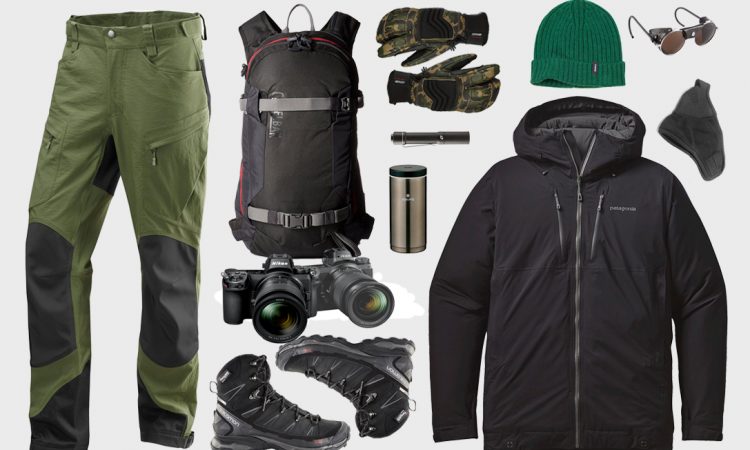
The Ultimate Uganda Gorilla Trekking Packing List: What to Bring and Why It Matters
Gorilla trekking isn’t a typical day excursion. It involves hiking through dense, often steep rainforest, contending with weather that can shift within minutes, and ultimately standing close to one of the world’s rarest animals. Getting ready for it takes more thought than packing for a standard holiday, which is why a proper Uganda Gorilla Trekking Packing List matters more than most travellers expect. The right preparation doesn’t just add comfort—it can shape how much you’re able to enjoy the experience itself. This guide walks through exactly what to bring, and the reasoning behind each item, so you can prepare with confidence rather than guesswork.
Why Packing Properly Matters
Bwindi Impenetrable Forest and Mgahinga Gorilla National Park sit in montane rainforest, where weather is genuinely unpredictable. Mornings can be cool and misty, afternoons humid and warm, and rain can arrive with little warning regardless of season. Trails are frequently muddy, uneven, and steep, with sections that require careful footing and the occasional helping hand from a guide.
The trek itself is physically demanding—rarely extreme, but sustained, sometimes lasting anywhere from one to eight hours depending on where the gorilla family is located that day. Park regulations also shape what’s appropriate to bring, from clothing colour to noise levels near the gorillas. Packing well means fewer surprises, better comfort, and more attention free to spend on the encounter itself rather than discomfort.
The Ultimate Uganda Gorilla Trekking Packing List
Essential Clothing
- Long-sleeved shirts – protect against nettles, thorny undergrowth, and biting insects common in dense forest.
- Long trousers, ideally tucked into socks or gaiters – reduce scratches and discourage ants and other insects from reaching skin.
- A waterproof jacket – rain can appear suddenly even in the dry season; a packable shell is more practical than a heavy coat.
- A fleece or light insulating layer – mornings at altitude can be noticeably cooler than expected.
- Gaiters – keep mud and water out of boots on the muddiest stretches of trail.
- A hat with a brim – useful for both sun and light rain.
Neutral, earthy colours (khaki, green, brown) are recommended; bright colours can be more visually disruptive to wildlife.
Footwear
Sturdy, waterproof hiking boots with good ankle support and solid tread are arguably the single most important item on this list. Trails are frequently slick with mud, and uneven ground makes ankle support genuinely useful, not just a nice-to-have. Bring well broken-in boots rather than new ones, along with thick hiking socks, and pack a spare pair in case the first gets soaked.
Daypack Essentials
- A reusable water bottle, ideally at least one litre, since dehydration is a real risk during longer treks.
- Energy snacks—nuts, dried fruit, or energy bars—for sustained effort over several hours.
- A camera, ideally with a strap for security on uneven ground.
- Spare batteries and a power bank, since charging opportunities are limited once trekking begins.
- Binoculars, useful both en route and for spotting other forest wildlife.
- A waterproof bag cover or dry bag liner to protect everything inside if rain arrives.
Health and Personal Items
- Sunscreen, since UV exposure can be significant even under forest canopy cover.
- Insect repellent, ideally applied before setting off.
- Hand sanitiser, particularly relevant given strict hygiene protocols designed to protect gorillas from human-transmitted illness.
- Personal medication, carried in original packaging where possible.
- Basic first-aid items—plasters, blister treatment, any regular medication.
- Tissues or a small roll of toilet paper, since facilities along the trail are minimal to non-existent.
Uganda Wildlife Authority guidelines require visitors showing signs of illness, particularly respiratory symptoms, to inform their guide, as gorillas are highly susceptible to human diseases.
Photography Equipment
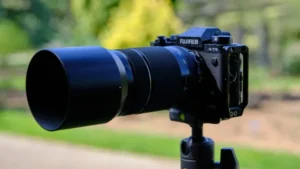
A mid-range zoom lens (roughly 70–300mm) tends to work well, balancing reach with manageable weight for a long trek. Heavy professional setups can become a burden on steep, muddy terrain, so it’s worth weighing image quality against practicality. A rain sleeve or dry bag for your camera is essential, and a lens cloth helps manage humidity-related condensation. Flash photography is not permitted near the gorillas, so it’s worth practising with available light settings beforehand. Respectful photography also means keeping movements slow and avoiding crowding the group, regardless of how tempting a closer shot might be.
Items You Don’t Need
Large suitcases are impractical—soft duffel bags pack more easily for transfers and porters. Heavy tripods are rarely useful given moving subjects and tight forest spaces. Formal clothing, hairdryers, and excessive electronics add weight without adding value. Walking sticks are usually provided or can be cut locally if needed, so bringing your own is optional rather than necessary.
Packing Tips Based on the Season
During the dry seasons (roughly June to September and December to February), trails are firmer, though rain is still possible and a waterproof layer remains essential. During the wetter months, mud becomes more pronounced, making gaiters and waterproof boots considerably more valuable, and a dry bag for electronics becomes less optional. Regardless of season, layering remains the most reliable strategy, since temperature can shift meaningfully between the start and peak of a trek.
Common Packing Mistakes
- Wearing brand-new boots without breaking them in first, risking blisters mid-trek.
- Skipping rain protection because the forecast looks clear—forest weather changes quickly.
- Bringing oversized luggage that’s awkward for porters and vehicle transfers.
- Ignoring layering, leading to discomfort as temperatures shift through the day.
- Overpacking the daypack, adding unnecessary weight for a multi-hour trek.
What Should You Pack for Gorilla Trekking in Uganda?
A well-prepared Uganda Gorilla Trekking Packing List includes waterproof hiking boots, long-sleeved shirts and trousers, a waterproof jacket, gaiters, gloves for gripping vegetation, a reusable water bottle, snacks, insect repellent, sunscreen, and a camera with rain protection—balancing comfort, safety, and respect for the forest environment.
Frequently Asked Questions
Do I need hiking boots for gorilla trekking? Yes, waterproof hiking boots with good ankle support and grip are strongly recommended given muddy, uneven terrain.
Can I wear shorts during gorilla trekking? It’s not advisable. Long trousers protect against nettles, thorny vegetation, and insects common throughout the forest.
Should I bring gloves? Light gardening-style gloves are useful for gripping vegetation on steep sections, particularly where guides may offer a hand or branch for support.
Is rain gear essential? Yes. Rain can occur at any time of year in Uganda’s rainforest parks, regardless of season.
Can I carry my own backpack during the trek? Yes, though porters are available to carry packs for a fee, which many trekkers find worthwhile given the physical demands of the hike.
What camera is best for gorilla trekking? A camera with a mid-range zoom lens, roughly 70–300mm, balances image quality with manageable weight for a multi-hour trek.
How cold does it get during gorilla trekking? Mornings can be cool, particularly at higher elevations, though temperatures generally warm through the day—a light fleece layer is usually sufficient.
Do I need a visa or special documentation for trekking? Trekking itself doesn’t require special documentation beyond your gorilla permit and standard Uganda entry requirements, but it’s worth confirming current visa rules before travel.
Why Choose Terenga Safaris?
Terenga Safaris helps travellers prepare properly before they even arrive—offering pre-trip guidance, permit booking assistance, and realistic expectations about what each trek involves. Our experienced guides bring local knowledge of trail conditions and seasonal weather patterns into every itinerary, and we tailor trips around each traveller’s fitness level and interests rather than a fixed template. Responsible tourism principles guide how we plan every trek, from group sizes to hygiene protocols around the gorillas themselves.
Conclusion
A thoughtful Uganda Gorilla Trekking Packing List does more than keep you dry and comfortable—it frees you to focus entirely on the hour that matters most, rather than managing discomfort or scrambling for the right gear mid-trail. Use this checklist as a starting point as you prepare, and adjust it based on season, fitness, and personal preference.
If you’d like personalised guidance on packing, permits, or building a gorilla trekking itinerary around your trip, Terenga Safaris is glad to help you prepare for the adventure ahead.
Featured Snippet Table
| Item | Why You Need It | Essential or Optional |
|---|---|---|
| Hiking Boots | Provides grip and ankle support on muddy, uneven trails | Essential |
| Waterproof Jacket | Protects against sudden rain common in rainforest climates | Essential |
| Long Trousers | Guards against nettles, thorns, and insects | Essential |
| Gloves | Helps grip vegetation on steep, slippery sections | Optional |
| Water Bottle | Prevents dehydration during multi-hour treks | Essential |
| Camera | Captures the experience; rain protection recommended | Optional |
| Binoculars | Useful for spotting wildlife along the trail | Optional |
| Insect Repellent | Reduces bites in dense forest environments | Essential |