

Tourism in Uganda: Discover the Pearl of Africa
June 12, 2026
What Tourism In Uganda and East Africa Can Learn from SpaceX’s Rise.
June 13, 2026
Why Every Birdwatcher Should Visit Semuliki National Park
Imagine standing in the deep, emerald shadows of an ancient African jungle. The air is thick with humidity and the scent of damp earth. Suddenly, a flash of stark white cuts through the canopy, accompanied by a loud, raucous call that echoes through the trees. You raise your binoculars to focus on a White-crested Hornbill, its magnificent pale crown contrasting against the dark foliage. Moments like this are exactly Why Every Birdwatcher Should Visit Semuliki National Park.
While popular destinations like Queen Elizabeth National Park or Murchison Falls draw massive crowds for big-game viewing, Semuliki remains one of Uganda’s lesser-known treasures. It is a place reserved for those who crave genuine natural discoveries and unparalleled avian diversity. Tucked away on the remote western border, this national park offers a completely different world from the typical East African savannah.
For international twitchers, research ornithologists, and passionate nature enthusiasts alike, Semuliki represents the ultimate frontier in East African birding. In this comprehensive guide, we will break down exactly what makes this hidden paradise an indispensable addition to your next Uganda birdwatching safari.
Where Is Semuliki National Park?
Semuliki National Park is situated in the remote Bundibugyo District in Western Uganda, nestled snugly within the floor of the Albertine Rift Valley. It lies at a relatively low altitude, ranging between 670 metres and 760 metres above sea level. This unique topography creates a warm, humid environment that sets it apart from the surrounding highlands.
The park sits directly on the international border with the Democratic Republic of Congo (DRC), separated only by the meandering Semuliki River. Geographically, it is roughly a two-hour drive from the tourism hub of Fort Portal and sits under the imposing shadow of the northern Rwenzori Mountains.
What makes its location truly extraordinary is that Semuliki is the only easternmost extension of the vast Congo Basin Ituri Forest in East Africa. It acts as a ecological bridge connecting Central African and East African biomes. Because the forest survived the last major dry phase of the Ice Age between 12,000 and 18,000 years ago, it is one of the continent’s most ancient and biologically diverse ecosystems. This strategic position explains why the park boasts an astonishing concentration of unique flora and fauna.
What Makes Semuliki National Park Special for Birdwatchers?
Semuliki is widely regarded as one of the best birdwatching destinations in Uganda, and for good reason. The park protects an exceptional lowland tropical forest habitat that is entirely unique within East Africa. Because it functions as a slice of Central Africa inside Ugandan borders, it provides a safe haven for species that simply cannot survive anywhere else in the region.
Featured Snippet: Why is Semuliki National Park good for birdwatching?
Semuliki National Park is a premier birdwatching destination because it protects East Africa’s only true lowland tropical rainforest, serving as the eastern extension of the Congo Basin’s Ituri Forest. This unique ecosystem allows the park to host over 441 recorded bird species—nearly 40% of Uganda’s total bird list—including 46 Guinea-Congo forest biome specialities found nowhere else in East Africa.
For serious birders tracking their life lists, birding in Semuliki National Park offers the chance to cross off species that would otherwise require an expedition deep into Central Africa. Out of the 144 Guinea-Congo forest biome species recorded across the continent, an incredible 131 have been confirmed in Semuliki. It is a tranquil, uncrowded park where you can track rare birds without the distraction of multiple safari vehicles, making it one of Africa’s best-kept secrets.
Bird Species You Can Expect to See
The diverse habitats within the park support an incredible checklist of Semuliki birds. Below is a detailed look at the highly sought-after species that make this park a legendary destination for a birdwatching safari Uganda.
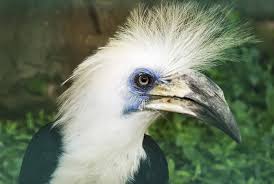
White-crested Hornbill (Berenicornis comatus)
-
The Appeal: This is one of the absolute highlights of the forest. Its striking white crest makes it a visual masterpiece for wildlife photographers.
-
Habitat & Behaviour: Prefers the mid-to-high canopy of dense forest. It is highly social and often moves in noisy family groups.
-
Identification: Look for a medium-to-large hornbill with a completely white head, neck, and long white-tipped tail contrasting against a black body.
-
Sightings: Fairly common along the main forest trails if you track their loud, distinctive calls.
Nkulengu Rail (Himantornis haematopus)
-
The Appeal: A legendary forest rail that is notoriously difficult to see but thrilling to hear.
-
Habitat & Behaviour: Ground-dwelling in swampy, thick forest interiors. It is primarily active at dawn and dusk, when pairs perform a loud, rhythmic duetting call.
-
Identification: A large, chicken-like rail with a cryptically patterned brown body, pale throat, and bright red legs.
-
Sightings: Very challenging to see clearly; it requires patience, an expert guide, and a pre-dawn start.
Lyre-tailed Honeyguide (Melichneutes robustus)
-
The Appeal: Famous for its bizarre, mechanical tail-drumming display flight performed high above the canopy.
-
Habitat & Behaviour: Inhabits the high forest canopy. Males fly in wide circles, diving sharply to produce a unique winnowing sound with their tail feathers.
-
Identification: A stout, olive-brown honeyguide distinguished by its oddly shaped, lyre-like outer tail feathers.
-
Sightings: Uncommon and difficult to spot unless it is executing its high-altitude aerial displays.
Piping Hornbill (Bycanistes fistulator)
-
The Appeal: A vocal and active bird that brings immense energy to the forest edge.
-
Habitat & Behaviour: Favours the forest canopy, fruiting trees, and riverine edges.
-
Identification: A medium-sized black-and-white hornbill with a large, pale bill and a distinctively loud, laughing call.
-
Sightings: Common; frequently spotted flying across the park’s access roads and clearings.
Red-billed Dwarf Hornbill (Lophoceros camurus)
-
The Appeal: One of the smallest hornbills in Africa, adding an element of miniature charm to your checklist.
-
Habitat & Behaviour: Keeps to the dense tangled undergrowth and lower canopy layers.
-
Identification: Tiny size, dark brown plumage, and a bright, sealing-wax red bill.
-
Sightings: Fairly common but easily overlooked due to its preference for thick cover.
Blue-billed Malimbe (Malimbus nitens)
-
The Appeal: A brilliant example of the spectacular forest weavers native to the Congo biome birds Uganda list.
-
Habitat & Behaviour: Often found near forest streams and wet areas, weaving intricate nests over hanging water.
-
Identification: Jet-black plumage with a vibrant red patch across the breast and a distinct, pale blue-grey bill.
-
Sightings: Moderate; best searched for around forest swamps and low-lying riverine thickets.
Other Guinea-Congo Biome Specialities
In addition to the stars listed above, alert birders on Uganda birding tours can seek out the following regional rarities:
-
Congo Serpent Eagle: A secretive raptor that hunts from low perches inside the dark forest interior.
-
Yellow-throated Cuckoo: A canopy dweller with a beautiful metallic green back and bright yellow throat patch.
-
African Piculet: A tiny, hyperactive relative of the woodpeckers that hammers away on small dead twigs in vine tangles.
-
Black Dwarf Hornbill: Another miniature hornbill species that prefers the thickest forest vine towers.
Birdwatching Experiences in Semuliki National Park
Birding here is a fully immersive, sensory experience. Unlike open-country birding where you rely primarily on your eyesight, forest birding in Semuliki requires you to slow down and use your ears. The dense vegetation means that you will frequently hear a bird long before you see it.
Guided forest walks form the backbone of the experience. The most famous route is the Kirumia Trail, a 13-kilometre path that runs directly through the heart of the forest down to the Semuliki River. This trail can be a demanding full-day trek, but it delivers the highest reward for spotting interior forest species and ground birds. For a gentler experience, the loops around the Sempaya area offer excellent forest-edge birding with easier underfoot conditions.
Expert local guides are absolutely essential for a successful trip. These specialists know the unique vocalizations of every forest resident, understand territorial nesting zones, and can accurately mimic calls to coax shy species out of the thick brush. For wildlife photography, the forest can be challenging due to low light levels under the canopy, but clearings along the park roads and riverbanks provide excellent windows of opportunity.
Beyond Birds: Other Reasons to Visit Semuliki
While the exceptional avifauna is the main draw, Semuliki offers a wealthy selection of alternative natural attractions that make it a multi-dimensional safari destination.
The Sempaya Hot Springs
These powerful geothermal features are a dramatic testament to the powerful subterranean forces still actively shaping the East African Rift Valley. The springs are divided into two main sites: the “male” spring (Mumbuga), which bubbles in a lush swampy clearing, and the “female” spring (Nyasimbi), which features a boiling geyser that spurts water up to two metres into the air. The water is hot enough (over 100°C) to boil eggs in a matter of minutes.
Primates and Wildlife
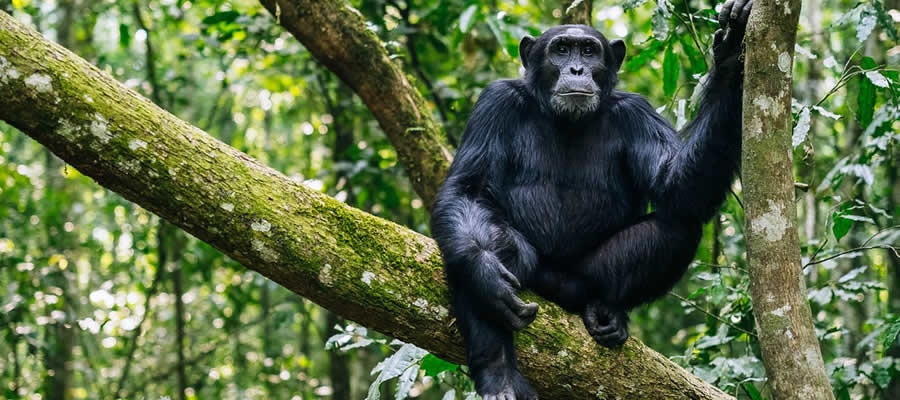
The forest is home to 53 mammal species, including an impressive array of primates. While exploring the birding trails, you are highly likely to encounter Grey-cheeked Mangabeys, Red-tailed Monkeys, Central African Red Colobus, and Black-and-white Colobus. The park also harbors elusive forest elephants and forest buffaloes, which are smaller and more reddish than their savannah counterparts.
Butterflies and Culture
For insect lovers, Semuliki is an absolute paradise, hosting more than 460 recorded butterfly species, including nearly 50 varieties of forest swallowtails. Culturally, the park edges are home to the Batwa indigenous community—traditionally hunter-gatherers who have inhabited the Ituri forest for generations. A cultural encounter offers a deeply moving insight into their ancient forest survival skills, traditional dances, and medicinal plant knowledge.
Best Time for Birdwatching in Semuliki National Park
Birdwatching in Semuliki is a rewarding year-round activity, but understanding seasonal patterns will help you optimize your trip layout:
| Season | Months | Birding Conditions |
| Primary Dry Season | December to February | Excellent. Trails are dry and accessible. High bird activity and optimal walking conditions. |
| Short Dry Season | June to August | Excellent. Great visibility, manageable trail conditions, and comfortable weather. |
| Main Rainy Season | March to May | Challenging but Productive. Heavy rainfall can make trails muddy. However, this is the prime breeding season, meaning birds are highly vocal and active. |
| Migratory Window | November to April | Bonus Species. Palearctic and Afrotropical migratory birds arrive, significantly expanding the park’s checklist. |
Practical Tips for Birdwatchers
To maximize your comfort and success while exploring this unique lowland forest, keep these practical tips in mind:
-
Optics: Bring high-quality binoculars with good light-gathering capabilities (such as 8×42 or 10×42) to cope with the dim light under the forest canopy. A spotting scope is incredibly useful for clearings and riverbanks.
-
Clothing: Dress in neutral earthy colours (greens, browns, and khakis). Wear long-sleeved shirts and long trousers to protect yourself from stinging nettles and biting insects.
-
Footwear: Sturdy, waterproof hiking boots with excellent grip are non-negotiable, particularly if you are tackling the Kirumia Trail.
-
Health & Fitness: Semuliki is a humid tropical environment. Carry plenty of drinking water, high-energy snacks, and effective insect repellent containing DEET. The terrain is relatively flat, but the humidity requires a moderate level of physical fitness.
Sample Birdwatching Itinerary Ideas
To help you plan your journey, consider how Semuliki can fit into your broader travel plans:
2-Day Semuliki Birding Escape
-
Best For: Dedicated birders with limited time who want to target specific Guinea-Congo biome species.
-
Focus: Full-day exploration of the Kirumia Trail and a morning walk around the Sempaya forest edges and hot springs.
5-Day Western Uganda Birding Circuit
-
Best For: Travellers looking to experience a mix of distinct ecosystems.
-
Focus: Combines the lowland forest specialties of Semuliki with the montane forest species of Kibale Forest National Park (famous for chimpanzee trekking) and the classic savannah water birds of Queen Elizabeth National Park.
10-Day Comprehensive Uganda Birding Safari
-
Best For: Serious birdwatchers and lifetime twitchers.
-
Focus: A magnificent loop covering Mabira Forest, Budongo Forest (The Royal Mile), Semuliki National Park, Queen Elizabeth National Park, and the legendary Bwindi Impenetrable Forest for Albertine Rift birding and Mountain Gorilla tracking.
Frequently Asked Questions
Is Semuliki suitable for beginner birdwatchers?
Yes. While it is highly prized by serious twitchers seeking rare lifers, beginners will love the sheer volume of birds, the dramatic appearance of the large hornbills, and the spectacular forest scenery.
How many bird species occur in Semuliki National Park?
The park boasts 441 recorded bird species. This represents roughly 40% of Uganda’s entire bird checklist and 66% of the country’s total forest bird species.
Can non-birding companions enjoy the visit?
Absolutely. Non-birding partners frequently enjoy the dramatic Sempaya Hot Springs, primate tracking, the vibrant butterfly walks, and the fascinating cultural interactions with the local Batwa community.
Is photography rewarding in the park?
It is incredibly rewarding but requires patience. The canopy can be dark, so you will need a lens with a wide aperture and good ISO performance. Clearings, roadsides, and the hot springs offer the best natural light.
How difficult are the walking trails?
The terrain within Semuliki is relatively flat compared to montane forests like Bwindi. However, the paths can become muddy and slippery during the rainy season, and the high tropical humidity adds an extra layer of physical challenge.
Why Choose Terenga Safaris?
At Terenga Safaris, we specialize in designing tailor-made, highly focused wildlife itineraries that cater directly to your personal travel style. We understand that a dedicated birding safari requires a completely different approach than a standard sightseeing tour.
We provide highly experienced, specialist birding guides who possess an intimate knowledge of Semuliki’s unique vocalizations and secret hideaways. With our flexible pacing, custom-built 4×4 safari vehicles, and deep commitment to responsible, eco-conscious tourism practices, we ensure your journey into Uganda’s wild frontiers is safe, seamless, and unforgettable.
Plan Your Avian Adventure
Semuliki National Park stands as definitive proof that Africa’s greatest treasures are often found off the beaten path. It is a place where nature remains completely wild, untamed, and beautifully unpredictable. If you are ready to look beyond conventional safari routes and experience one of the most rewarding wilderness encounters on the continent, Semuliki is waiting for you.
Contact the expert team at Terenga Safaris today to start designing your custom Uganda birding tour. Let us guide you deep into the heart of the forest to tick off the birds of a lifetime

2 Comments
“It’s refreshing to read about destinations beyond gorilla trekking and the Big Five.
What is more refreshing is discovering the wild with Terenga Safaris.
Join us for a memorable and unforgetable experience.