
How Do I Avoid Crowds During Migration Season?
December 9, 2025
How Do I Book Domestic Flights Between Kenya & Tanzania Parks?
December 10, 2025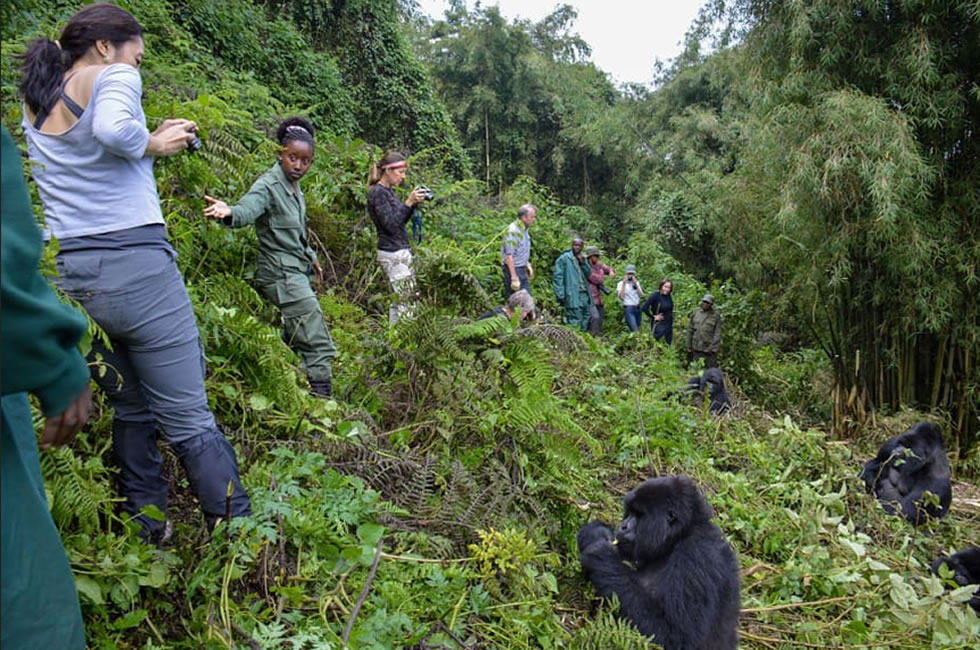
What to Wear on a Rwanda Gorilla Trekking Safari
Gorilla trekking in Rwanda is one of the most unforgettable wildlife experiences in the world. Trekking through the misty forests of Volcanoes National Park to catch a glimpse of these gentle giants is thrilling, but it also demands careful preparation. One key aspect of preparation is knowing what to wear. Choosing the right clothing and gear can make the difference between an enjoyable trek and a challenging one.
1. Clothing: Comfort and Protection Are Key
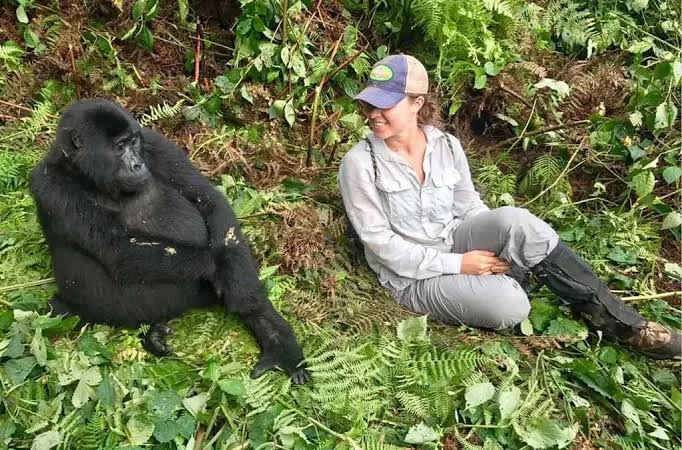
- Long-sleeved shirts and long pants: Dense vegetation, nettles, and occasional thorns are common along the trails. Long sleeves and pants will protect your skin from scratches, bites, and sun exposure. Breathable, moisture-wicking fabrics like lightweight synthetic materials are ideal.
- Layers: Rwandan forests can be cool and damp in the morning, then warm up as you trek. Dress in layers so you can adjust easily. A moisture-wicking base layer, a light insulating mid-layer, and a waterproof outer layer is a good combination.
- Lightweight waterproof jacket: Sudden rain showers are frequent in the rainforest. A lightweight rain jacket or poncho will keep you dry without adding bulk.
2. Footwear: Sturdy and Comfortable
- Hiking boots or trail shoes: Trails can be muddy, slippery, and uneven. Waterproof hiking boots with good ankle support are highly recommended. Make sure they are well broken-in to avoid blisters.
- Gaiters: Optional but useful for keeping mud, leaves, and insects out of your shoes, especially if the trail is wet.
- Moisture-wicking socks: Comfortable hiking socks help prevent blisters and keep your feet dry during long treks.
3. Accessories and Gear
- Hat and sunglasses: A wide-brimmed hat shields you from sun exposure, while sunglasses protect your eyes during open sections of the trail.
- Gloves: Lightweight gloves can protect your hands from thorns and rough branches.
- Backpack: A small, comfortable daypack is perfect for carrying essentials such as water, snacks, camera, extra clothing, insect repellent, and personal items.
- Walking stick: Some lodges provide walking sticks, but you can bring your own for stability on slippery or steep terrain.
4. Additional Considerations
- Insect protection: Forested areas can have mosquitoes and biting insects. Use insect repellent and consider long-sleeved shirts and pants treated with permethrin.
- Neutral colors: Avoid bright colors or strong fragrances that could disturb gorillas or attract insects. Earthy tones like green, brown, or grey are ideal.
- Camera gear: Bring a camera with a zoom lens for capturing gorillas from a respectful distance. A waterproof cover or bag is useful if it rains.
5. Final Tips
- Dress for comfort, safety, and adaptability. You will be moving through rugged terrain, so sturdy footwear and protective clothing are essential.
- Remember that gorilla trekking is physically demanding. Choose clothing that allows freedom of movement while keeping you protected.
- Always follow your guide’s instructions on safety and approach to gorillas. Your clothing should not only protect you but also allow you to blend into the natural environment.
By dressing appropriately, you’ll be able to fully enjoy the awe-inspiring experience of observing mountain gorillas in their natural habitat without unnecessary discomfort or hazards. Proper preparation ensures that your focus stays on the gorillas, not on mud, rain, or scratches.