Which national parks offer mountain gorilla trekking in Uganda and Rwanda?
October 26, 2026
What Is the Difference Between a Uganda Gorilla and a Rwanda Gorilla Safari?
October 26, 2026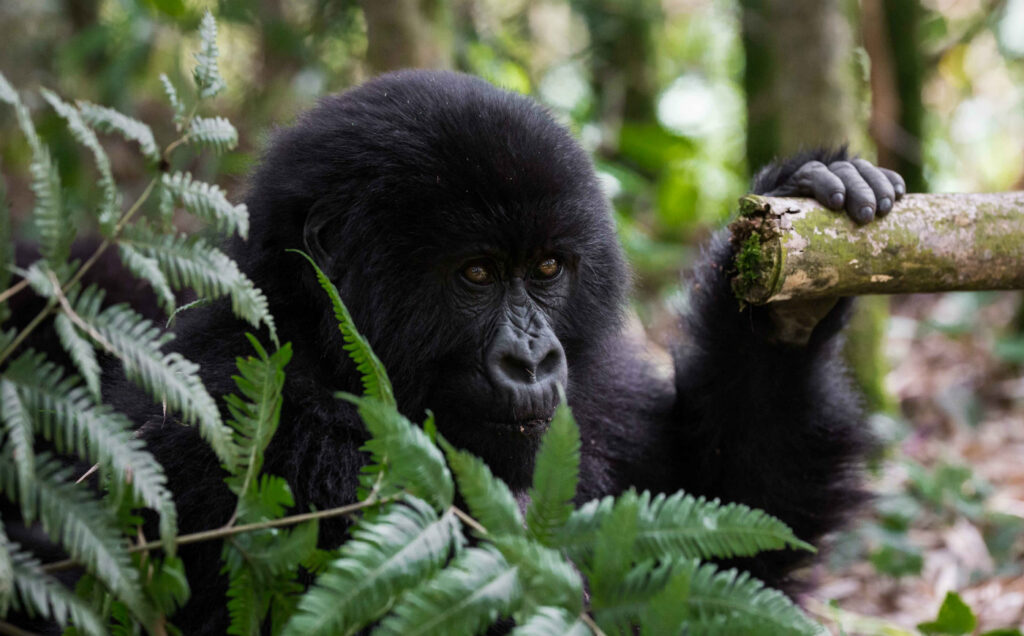
What Makes Uganda and Rwanda Famous for Gorilla Trekking Safaris?
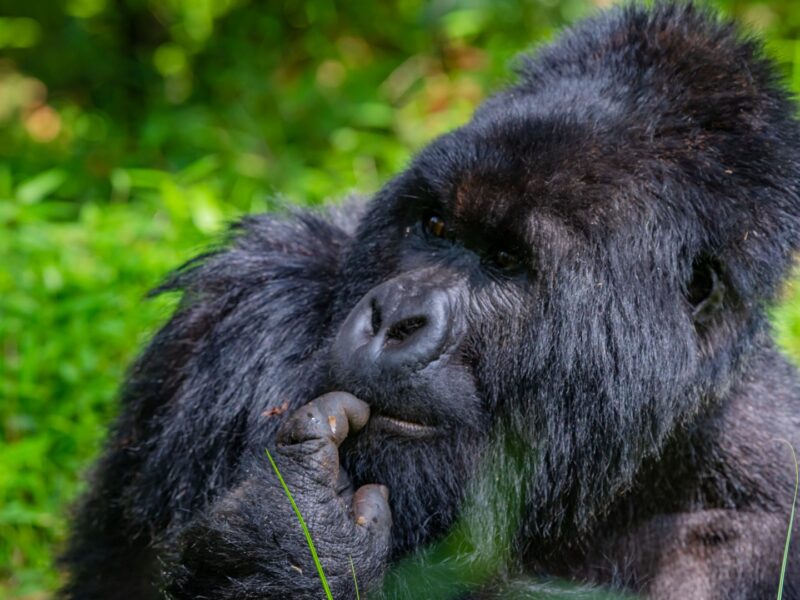
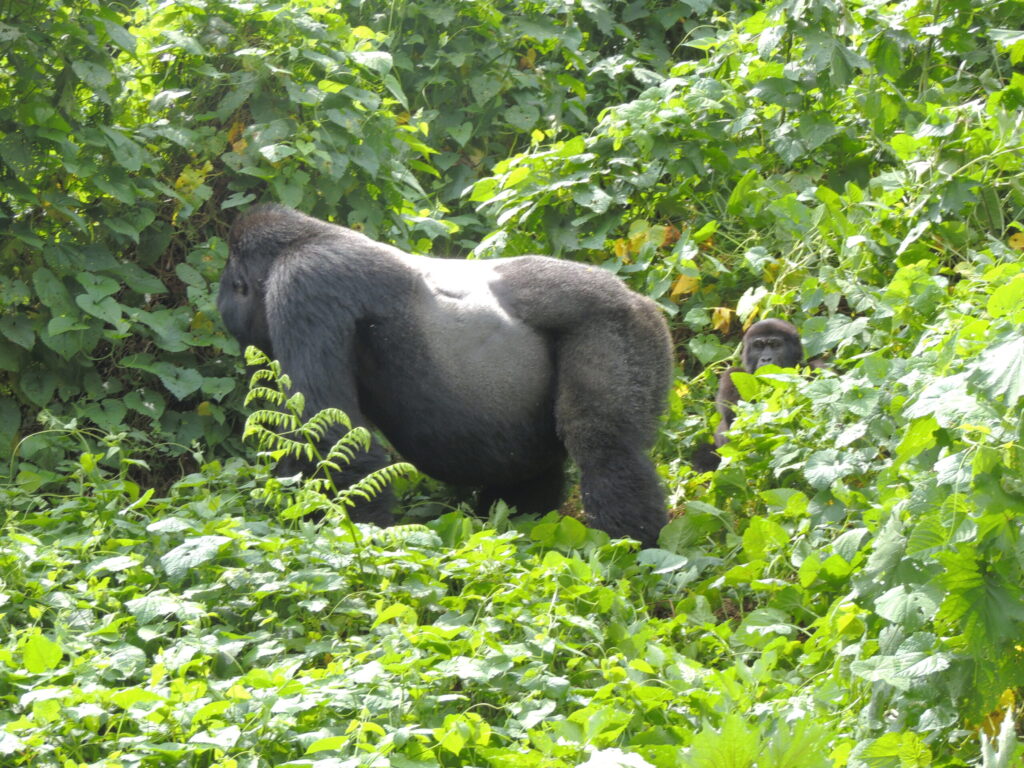
What makes Uganda and Rwanda famous for gorilla trekking safaris? These neighbouring East African countries offer visitors a rare opportunity to observe mountain gorillas in protected natural habitats, accompanied by trained park guides and trackers. Uganda’s trekking parks are Bwindi Impenetrable National Park and Mgahinga Gorilla National Park; in Rwanda, trekking takes place in Volcanoes National Park. Together, these parks are part of a wider landscape of montane forest and volcanic mountains that supports one of the world’s most remarkable wildlife experiences. The appeal is not simply the chance to see a gorilla. It is the journey through a living forest, the anticipation as trackers follow signs of the group, and the quiet moment of watching the animals behave naturally in their habitat. Each trek is different because the gorillas move freely and the route depends on where they are found that day.
Uganda offers variety through Bwindi’s four trekking sectors—Buhoma, Ruhija, Rushaga and Nkuringo—and the Virunga setting of Mgahinga. Bwindi is also a UNESCO World Heritage Site, recognised for exceptional biodiversity and as home to nearly half of the world’s mountain gorilla population. Rwanda’s Volcanoes National Park is known for its bamboo-covered slopes and dramatic Virunga scenery. In both countries, access is controlled through permits and park rules that help manage visitor numbers and protect the animals. What makes Uganda and Rwanda famous for gorilla trekking safaris? It is this combination of extraordinary wildlife, distinctive landscapes and conservation-led access that gives a gorilla trek its lasting significance.
What are the expectations in this safari?
What are the expectations in this safari? Gorilla trekking is an active hike through forest and mountain terrain, not a vehicle-based game drive. The day usually begins with a briefing from park staff, followed by the assignment of a gorilla group and a guided walk into the forest. Trek length and difficulty vary with the location of the gorillas, the terrain and the weather. Uganda Wildlife Authority notes that treks may last from two to seven hours, while Rwanda’s guidance describes hikes that can range from a shorter walk to several hours. Routes may be steep, muddy, slippery or thick with vegetation, so visitors should be prepared for a physically engaging outing and allow time for rest. A moderate level of fitness is helpful; sturdy footwear and a steady pace make a difference.
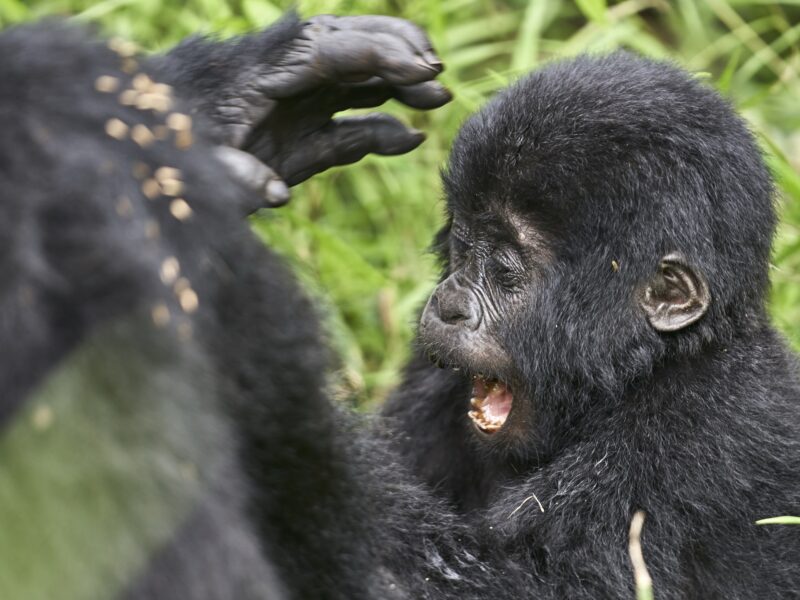
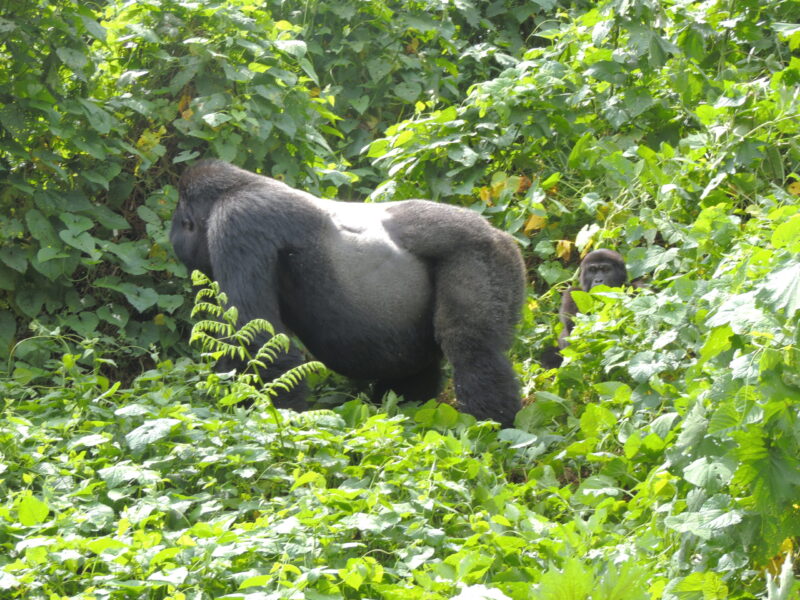
Once the group reaches the gorillas, viewing time is limited, generally to one hour. Visitors are asked to keep their voices low, follow the ranger’s directions and avoid sudden movements. Rules on distance and other precautions are set by the relevant park authority and should be followed carefully. Anyone feeling unwell with a contagious illness should not visit, because human infections can pose a risk to gorillas. The experience itself is unscripted: you may see a family feeding, resting, grooming or moving through the undergrowth.
When is the best time for this safari?
When is the best time for this safari? Gorilla trekking operates throughout the year, and the most suitable dates depend on your priorities, schedule and tolerance for wet conditions. Many travellers favour the drier periods because trails may be easier to manage and transfers can be more straightforward. In Uganda, common travel windows include June to September and December to February. Rwanda also experiences a long drier period, often from June to September. These are broad seasonal patterns rather than guarantees: mountain weather can change quickly, and rain may fall even during months typically described as dry. Forest trails can be damp, and the altitude may make conditions feel cooler than visitors expect.
The wetter months can still be rewarding for travellers who are flexible and pack for mud and rain. Rather than choosing a month based on a promise of easy trekking, consider the whole itinerary: permit availability, accommodation, journey times, flight plans and any other parks or activities you want to include. Since trekking permits are limited, it is sensible to check availability early, especially when travelling during popular holiday periods. Confirm the current permit terms and park requirements with the official authority or your tour operator before making non-refundable arrangements.
Why choose Terenga Safaris for this particular safari?
Why choose us for this particular safari? A well-organised gorilla trek depends on details coming together: selecting the right park, confirming a permit, booking accommodation near the correct sector, arranging transfers and allowing enough time for the journey. Terenga Safaris helps travellers understand these choices before they commit, so the itinerary reflects their dates, interests and preferred pace. Uganda and Rwanda suit different travel plans. Guests may choose Uganda for the contrast between Bwindi’s forest sectors and Mgahinga’s Virunga landscape, or select Rwanda’s Volcanoes National Park for an itinerary centred on the country. The right decision depends on practical factors such as arrival point, transport, accommodation and the other experiences a visitor hopes to enjoy.
Clear communication matters as much as logistics. Before booking, travellers should know what the package includes, how permits are arranged, which transfers are planned and what costs may be additional. We encourage guests to ask questions and review current conditions, cancellation terms and park guidance before confirming. A thoughtful itinerary also respects the people and wildlife that make the experience possible. Visitors can support local livelihoods by using community services, including porters where available, and by following the instructions of park staff throughout the trek.
What should you pack for a gorilla trek?
What to pack for a gorilla trek? Dress for a cool, changeable forest environment and a walk over uneven ground. Long trousers and a long-sleeved top help protect skin from nettles, branches and insects. Sturdy hiking boots with good grip are essential, and thick socks can make a long day more comfortable. A lightweight waterproof jacket is valuable even in a drier season, while gardening gloves can protect your hands when moving through vegetation or steadying yourself on the trail. Consider gaiters if you have them, especially when conditions are muddy. A small day pack should hold drinking water, personal medication, a camera and any other essentials you need during the walk. Carry spare clothes for after the trek and keep electronics protected from rain.
A walking stick may help on steep or slippery ground; ask your operator or park staff what is available locally. Rwanda’s official guidance recommends long clothing, reliable walking shoes, rain protection and water, and notes that porters can help carry day packs. Camera photography is permitted in Rwanda, but flash is not allowed; check the rules for your specific park and follow the ranger’s instructions. Snacks should be eaten away from the gorillas, in line with park guidance. What makes Uganda and Rwanda famous for gorilla trekking safaris? Preparation is part of the answer: suitable clothing, realistic expectations and respect for wildlife help visitors enjoy the forest while minimising disruption. Pack light enough to walk comfortably, listen closely during the briefing, and leave room in your plans for a trek that may take longer than expected.

Uganda Gorilla Trekking Safari Experience
How can you plan a responsible gorilla trekking safari?
How can you plan a responsible gorilla trekking safari? Begin by choosing your preferred country and park, then check permit availability before building the rest of your itinerary around a specific date. Match your accommodation to the trekking sector or park entrance listed on your permit, and confirm transfer times so you can arrive for the required briefing. Build in a sensible buffer for road travel and consider an extra night near the park, particularly if your international arrival is on the previous day. Before departure, review entry requirements, health guidance and the latest park rules through official sources. Permit fees, terms and operational details can change, so rely on current information rather than old travel posts or assumptions.
During the trek, follow the ranger’s instructions, maintain the required distance, keep noise low and never leave litter behind. Avoid trekking when sick, and be considerate of local communities whose homes and work are part of the wider conservation landscape. A gorilla safari is a rare privilege, and responsible choices help protect the experience for future visitors as well as the animals themselves. What makes Uganda and Rwanda famous for gorilla trekking safaris? These destinations stand out because they bring travellers into close, carefully managed contact with mountain gorillas in remarkable habitats, supported by skilled park teams and conservation systems. With thoughtful preparation, a reliable itinerary and respect for the forest, the journey can become a defining highlight of an Africa adventure. Terenga Safaris can help you compare Uganda and Rwanda options and plan a safari that fits your travel goals.