What Makes Uganda and Rwanda Famous for Gorilla Trekking Safaris?
October 26, 2026
What Is the Difference Between a Uganda Gorilla and a Rwanda Gorilla Safari?
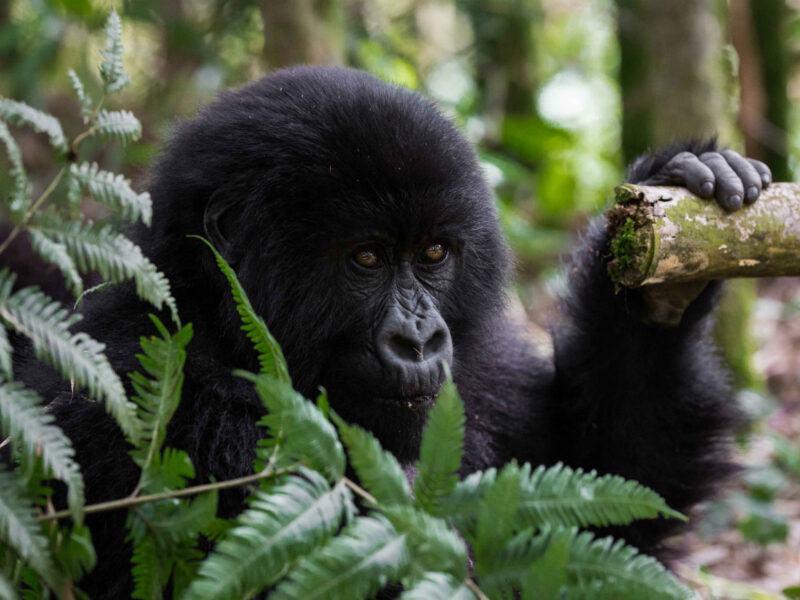
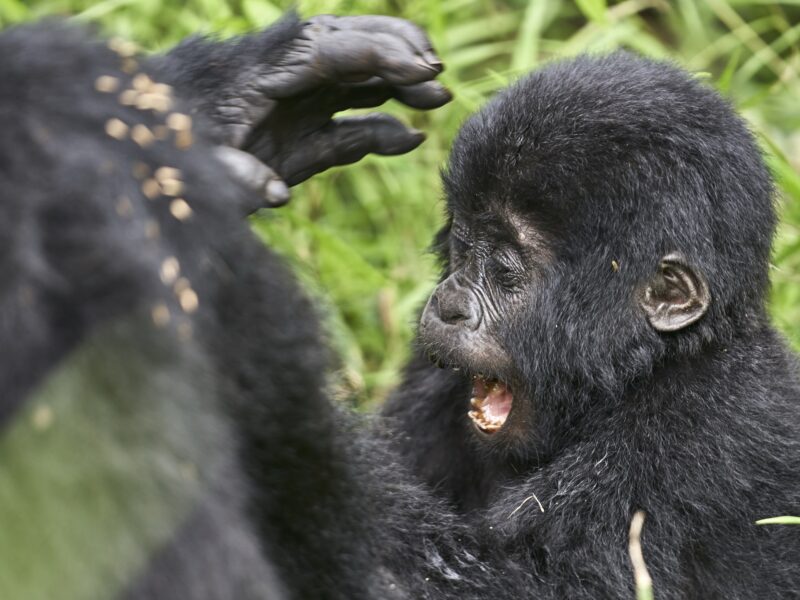
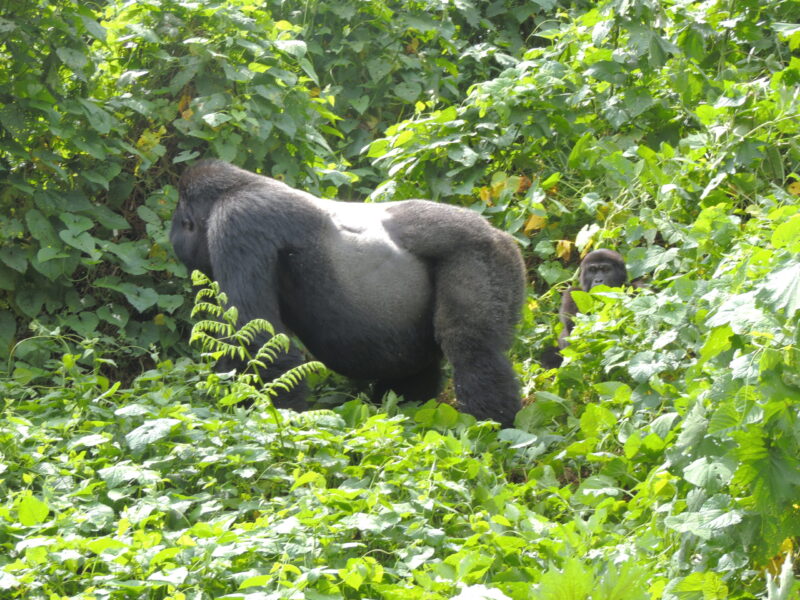
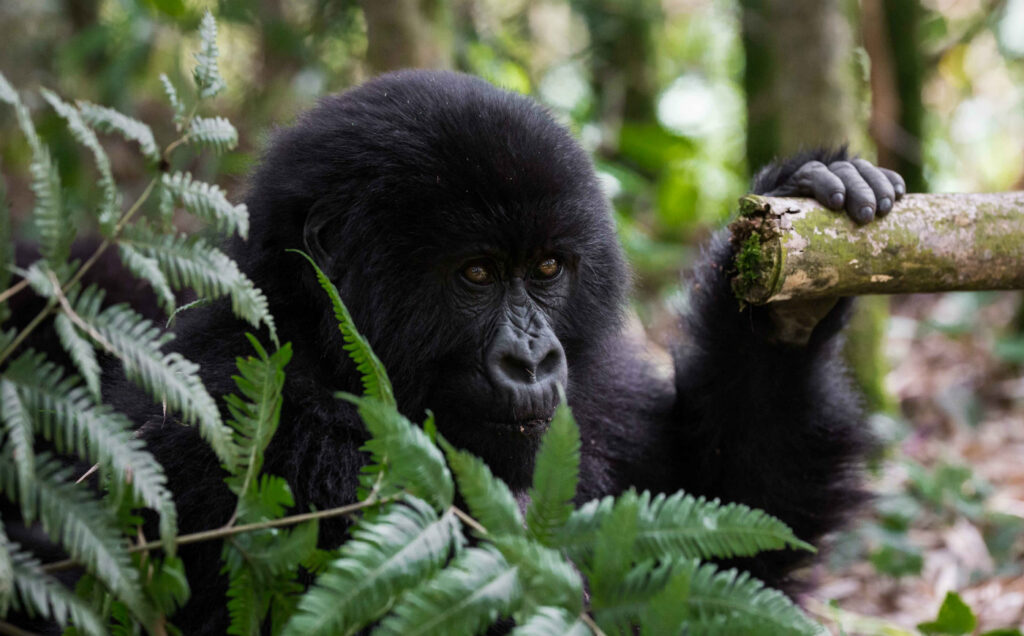
What is the difference between a Uganda gorilla and a Rwanda gorilla safari? Both offer guided encounters with habituated mountain gorilla families in protected forest habitat, but the experience is shaped by different park settings and travel logistics. In Uganda, trekking takes place in Bwindi Impenetrable National Park and Mgahinga Gorilla National Park. Rwanda’s gorilla treks take place in Volcanoes National Park, in the Virunga Mountains. The gorillas do not belong to one country or another in the way a destination label might suggest; they are wild animals living across a wider regional landscape. What differs for visitors is where they begin the trek, which terrain they walk through, how they reach the park and what else they can include in their itinerary.
Uganda gives travellers two park choices. Bwindi is divided into four trekking sectors—Buhoma, Ruhija, Rushaga and Nkuringo—so the permit sector and the location of your accommodation need to match. Mgahinga offers a Virunga setting, with forested volcanic slopes and other hiking opportunities. Rwanda concentrates gorilla trekking in Volcanoes National Park, with visitor briefings at Kinigi. The Rwanda Development Board advises trekkers to report for their briefing at 7:00 a.m.; Uganda Wildlife Authority describes treks that can last between two and seven hours, with one hour of observation once the gorillas are found. Actual walking time and difficulty vary in both countries. What is the difference between a Uganda gorilla and a Rwanda gorilla safari? Think of it as a choice between distinct park landscapes and trip logistics, rather than a guaranteed difference in the gorillas or the quality of the wildlife encounter.
What are the expectations in this safari?
What are the expectations in this safari? In either country, a gorilla trek is a guided forest hike, not a vehicle-based safari. The day begins with a park briefing, where staff explain the rules and organise visitors for the trek. Rangers and trackers then lead the group into the forest, following information about the gorillas’ location. The route may be short or take several hours; elevation, mud, vegetation and the movements of the family all influence the day. Visitors should expect uneven ground and possible steep sections, and a reasonable level of fitness can make the experience more comfortable. Trekking poles or walking sticks and a porter may be helpful, depending on availability and personal needs.
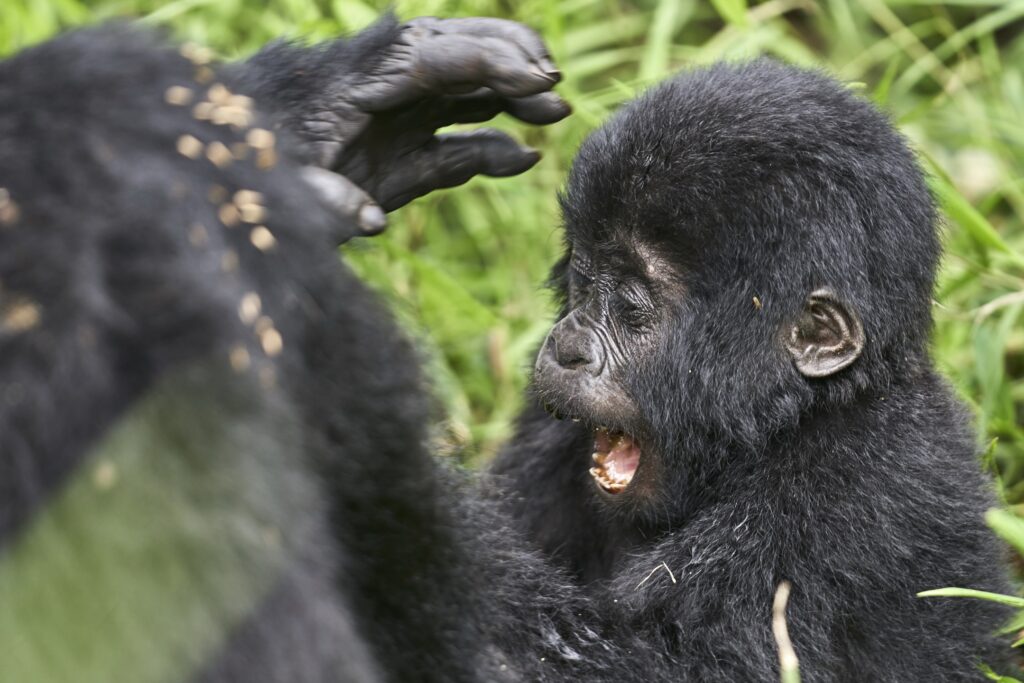
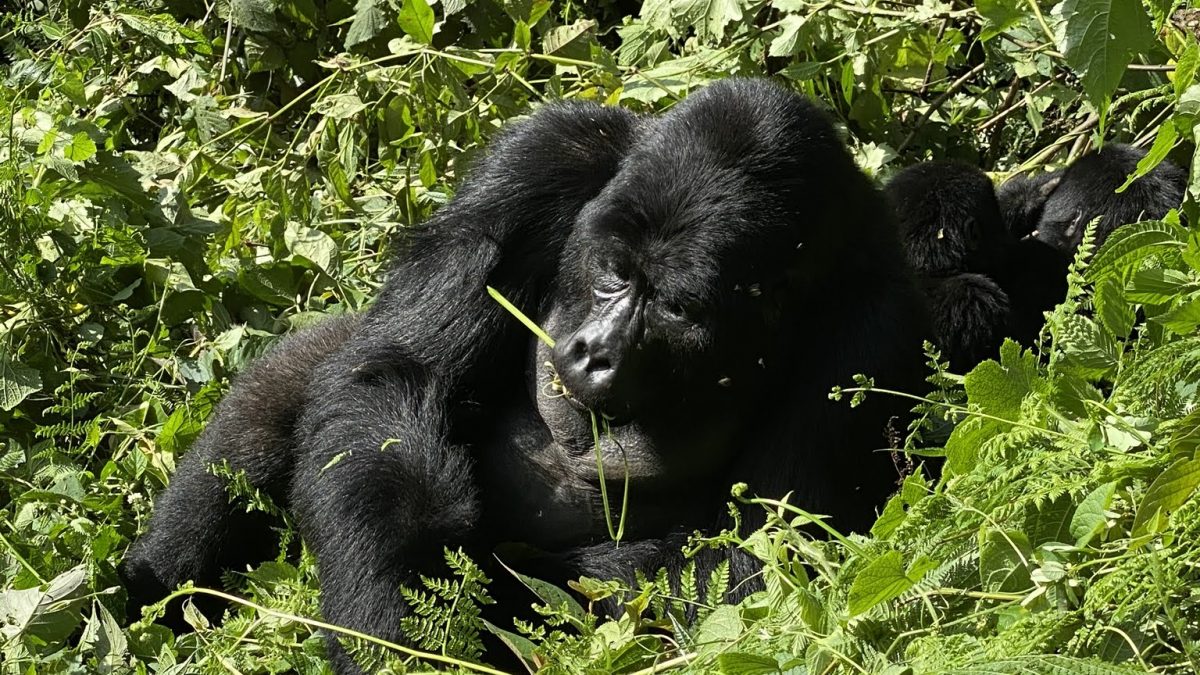
The viewing period is limited to one hour after the gorillas are located. That time is for quiet observation: you might see the family feeding, grooming, resting or moving naturally through the vegetation. Since the animals are wild, their behaviour cannot be scheduled, and no responsible operator can guarantee a particular sighting or trail length. Both park authorities require visitors to follow their current rules, including guidance on distance, noise and hygiene. Rwanda’s official visitor guidance says not to trek when sick with a cold, flu or another contagious illness; this reflects the risk that people can pass infections to gorillas. What is the difference between a Uganda gorilla and a Rwanda gorilla safari? The central wildlife experience is similar in both: a ranger-led visit with strict conservation rules. The setting, route and logistics change, while flexibility and respect for the animals remain essential.
How do the landscapes and trekking locations differ?
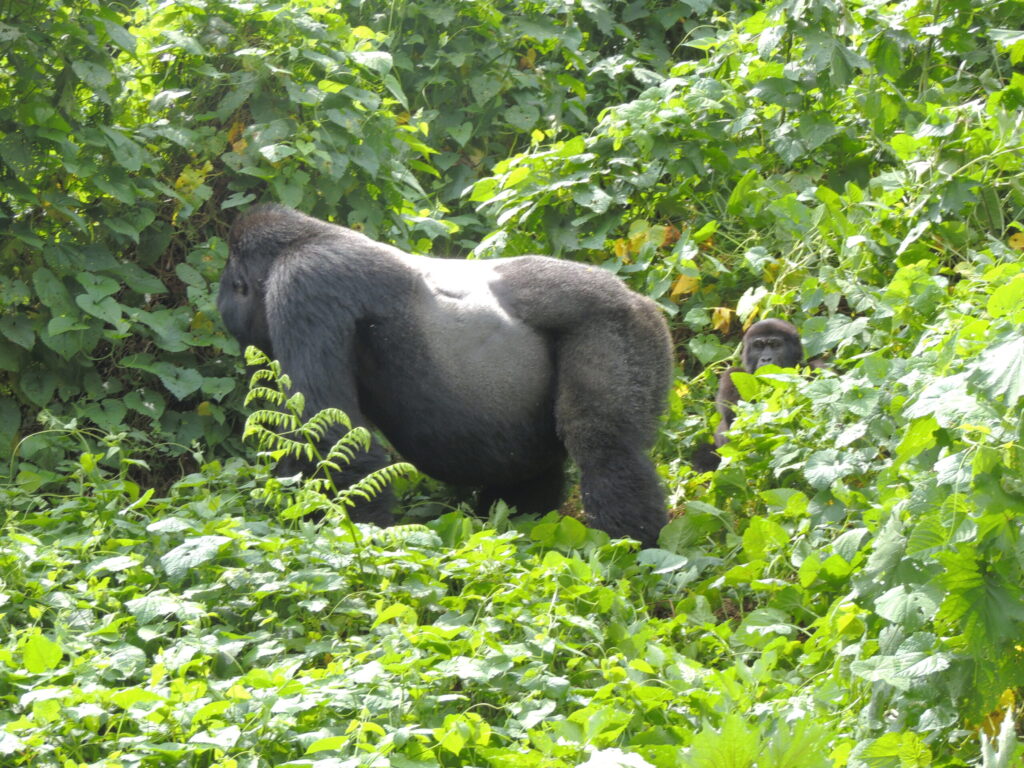
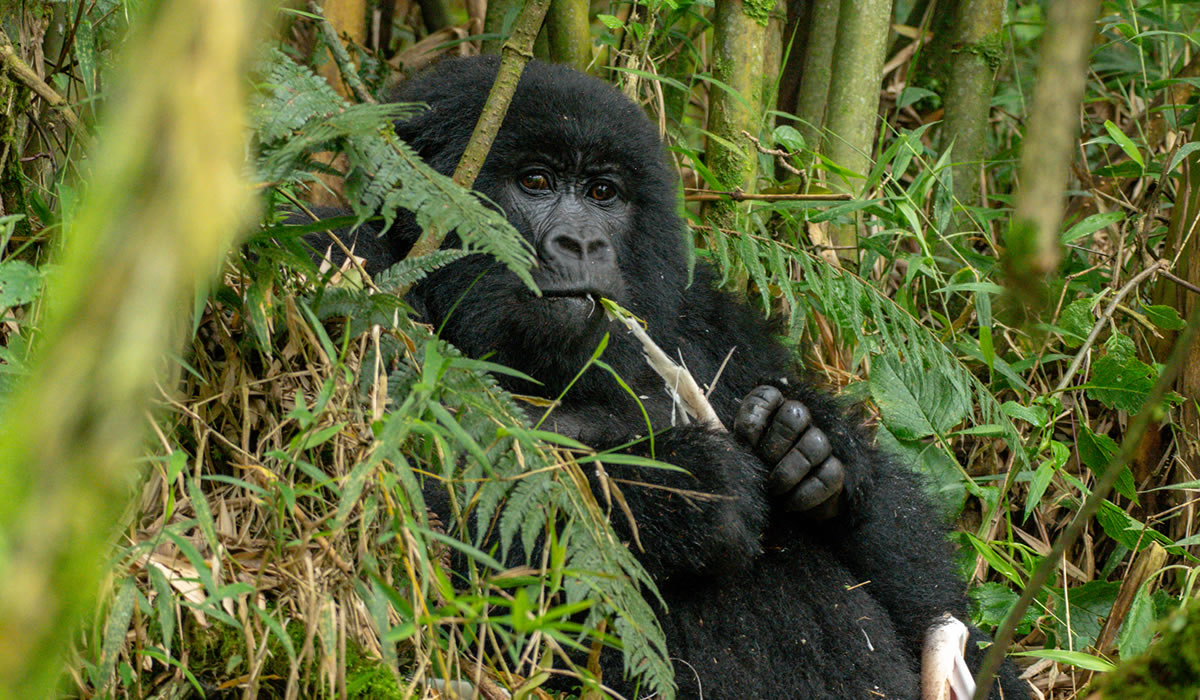
How do the landscapes and trekking locations differ? Bwindi is a large, richly biodiverse forest in southwestern Uganda. Its steep hills, valleys and dense vegetation create a distinctive forest-walking experience. UNESCO recognises Bwindi as a World Heritage Site and highlights its exceptional biodiversity, including more than 160 tree species and over 100 fern species. The park’s four trekking sectors give itinerary planners flexibility, but they also make location matching important: staying close to the sector named on your permit helps avoid unnecessary road travel on trek day. Mgahinga, also in southwestern Uganda, lies within the Virunga region and offers a more open association with volcanic scenery and mountain trails. Its setting can appeal to visitors who want to pair gorilla trekking with other nature walks or mountain activities.
Rwanda’s Volcanoes National Park protects the Rwandan slopes of the Virunga Mountains. Bamboo-covered slopes, montane forest and volcanic scenery give the park a character distinct from Bwindi’s dense forest. Rwanda’s official guidance places the trek briefing at Kinigi, and Musanze is commonly used as a nearby base. In both countries, the forest environment can be cool and wet, and mountain altitude may affect how strenuous a walk feels. Trail conditions and the gorilla family’s location vary, so the landscape alone does not determine how challenging a specific trek will be. What is the difference between a Uganda gorilla and a Rwanda gorilla safari? Uganda offers a choice between Bwindi’s multiple sectors and Mgahinga’s Virunga terrain; Rwanda centres the activity in Volcanoes National Park. Choosing between them means considering which landscape appeals to you and how it fits with your wider trip.
When is the best time for this safari?
When is the best time for this safari? Gorilla trekking is offered across the year in Uganda and Rwanda, but weather can influence the feel of the trail. Many travellers prefer drier periods because paths may be less slippery and road transfers can be easier. In Uganda, commonly recommended windows include June to September and December to February. Rwanda’s northern highlands also experience seasonal shifts, and conditions near Volcanoes National Park can change quickly. Rain is possible even during months often described as dry, so waterproof layers and footwear with good grip are useful regardless of your travel dates.
The best time for you also depends on permit availability, accommodation, flights and the rest of your itinerary. Permits are limited, so check dates early and build other bookings around confirmed availability. If your schedule is flexible, discuss several possible trek dates with your operator; this may give you more options for coordinating accommodation and transfers. Travellers who plan to combine a gorilla trek with additional activities should allow enough time between destinations instead of relying on tight connections. What is the difference between a Uganda gorilla and a Rwanda gorilla safari? Seasonal weather affects both, but the practical details depend on your chosen park and route. A good plan accounts for possible rain, early briefings and changing trail conditions without promising an effortless hike. Confirm current park guidance and permit terms before booking, as operational information may change.
Why choose Terenga Safaris for this particular safari?
Why choose us for this particular safari? Comparing Uganda and Rwanda involves more than selecting a country. You need to confirm a permit, match accommodation to the correct park or sector, plan transfers and allow enough time to reach the briefing point. Terenga Safaris can help you compare these practical factors and shape an itinerary around your travel dates, interests and preferred pace. A Uganda itinerary may centre on Bwindi or Mgahinga, while a Rwanda plan will focus on Volcanoes National Park. The best fit depends on your arrival point, the destinations you want to visit before or after the trek, your available time and the style of travel you prefer.
A clear booking process should explain what is included, how permits are handled, which transfers are planned and what expenses may be additional. We encourage travellers to ask questions about the itinerary and review current park requirements before confirming. Thoughtful planning also means respecting the expertise of local rangers and trackers, following conservation rules and allowing time for the experience to unfold. Visitors may also choose to hire a porter where available, which can provide practical assistance while supporting local livelihoods. What is the difference between a Uganda gorilla and a Rwanda gorilla safari? Our role is to make the distinctions clear and help you select the route that best suits your trip. Guests extending their East African holiday can also consider Kenya tours, Kenya adventures or Kenya safaris, provided the travel schedule allows a comfortable pace between countries.
What should you pack?
What should you pack? Prepare for damp forest conditions, cool mornings and uneven trails. Long trousers and a long-sleeved top help protect your skin from nettles, branches and insects. Wear sturdy hiking boots with good grip and thick socks, and bring a lightweight waterproof jacket even if the forecast looks clear. Gardening gloves can help protect your hands as you move through vegetation, while gaiters may be useful on muddy trails. A small day pack should carry water, personal medication, a camera and other essentials. Pack spare clothes for after the trek and keep electronics protected from rain.
A walking stick or trekking pole can help on steep or slippery ground; ask your operator what support is available at the park. Keep your bag light enough to carry comfortably, and follow the park briefing about food, photography and behaviour near the gorillas. Rwanda’s official guidance recommends long clothing, reliable walking shoes, rain protection and water, and notes that porters may be available to carry day packs. What is the difference between a Uganda gorilla and a Rwanda gorilla safari? The packing list is broadly similar for both, because both involve a guided hike in mountain forest. The most useful preparation is practical: dress for changing weather, protect your footing and arrive ready to follow ranger instructions. With the right route, confirmed permits and realistic expectations, either country can offer a deeply memorable gorilla trekking safari.