What Are the Dry Seasons in Uganda and Kenya?
January 26, 2026
What Can I Learn About Maasai Warriors?
January 26, 2026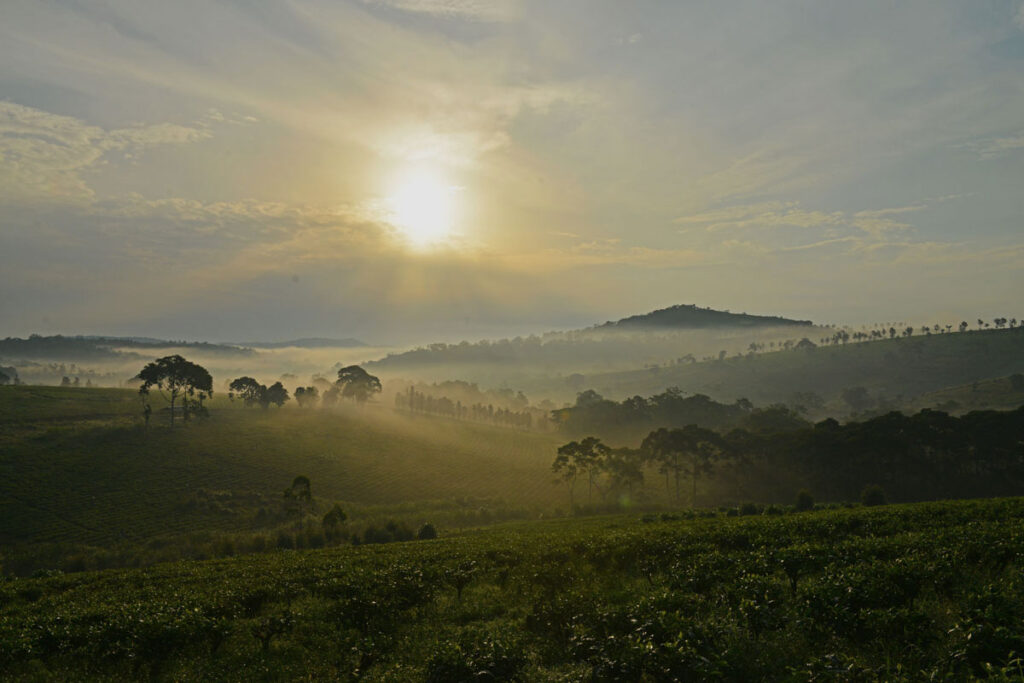
What Are the Rainy Seasons in Uganda and Kenya?
Kenya Safaris and Uganda Safaris offer unparalleled wildlife encounters, birding adventures, and cultural immersion, but understanding seasonal variations, particularly rainy seasons, is crucial for planning a successful safari. Kenya experiences two primary rainy periods: the long rains from March to May and the short rains from October to December. These rainy seasons influence wildlife movement, road conditions, and birdwatching opportunities. Visitors on Kenya Birding Safaris may find lush landscapes, active breeding bird species, and dramatic photography settings during these months. However, roads in remote areas such as the Maasai Mara and Amboseli may become challenging to navigate, necessitating careful planning and guidance from experienced safari operators like Terenga Safaris.
How Do Rainy Seasons Affect Safari Experiences in Kenya and Uganda?
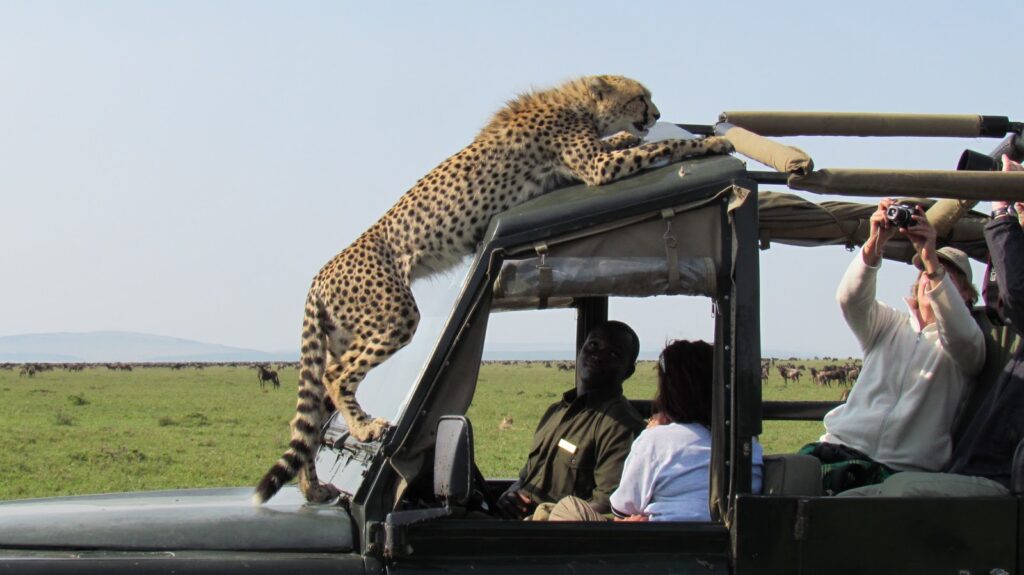
Kenya Best Safaris during dry seasons from June to September or January to February provide excellent conditions for Kenya Great Migration Safaris. The dry weather concentrates animals around water sources, increasing sightings of lions, elephants, and cheetahs, while enabling smooth travel between parks. Cultural experiences with the Maasai People are also more accessible during dry periods, allowing visitors to participate in traditional ceremonies, beadwork, and storytelling. Despite the challenges presented by rain, Kenya Cultural Safaris remain vibrant, as the rainfall supports greenery, attracts migratory birds, and enhances the overall visual appeal of savannah landscapes. Terenga Safaris ensures travelers are well-informed about seasonal conditions, optimizing itineraries for both wildlife viewing and cultural immersion.
When Is the Best Time for Uganda Safaris and Gorilla Trekking?
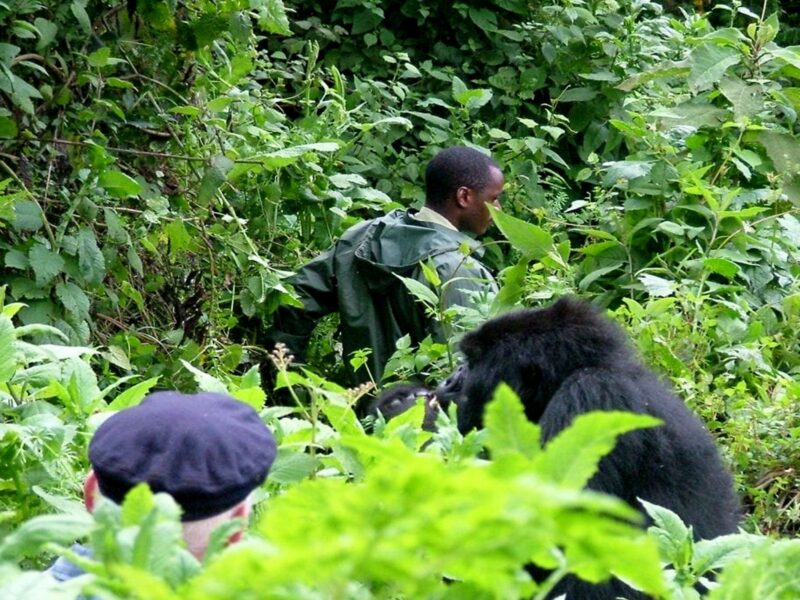
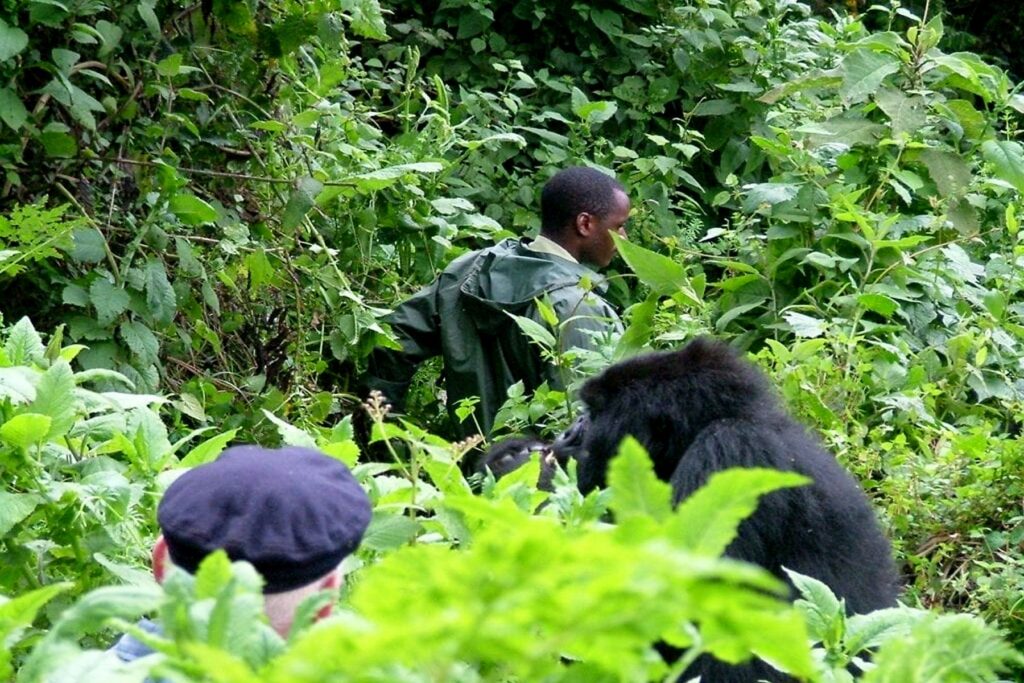
Uganda Safaris offer diverse experiences ranging from Uganda Chimpanzee Safaris in Kibale Forest to Gorilla Trekking Safaris in Bwindi Impenetrable Forest. Uganda experiences a bimodal rainfall pattern, with long rains from March to May and short rains between September and November. These rainy seasons create rich, verdant landscapes and increase the activity of primates and bird species, making Uganda Birding Safaris particularly rewarding. However, trekking routes for gorillas or chimpanzees can become muddy and challenging, requiring appropriate footwear, physical readiness, and guidance from experienced rangers.
Uganda Best Safaris are often scheduled during the dry periods from December to February and June to August, which provide optimal conditions for Gorilla Trekking and chimpanzee tracking. Trails are more accessible, and the likelihood of uninterrupted wildlife encounters increases. Cultural Safaris in Uganda can be incorporated during these months, offering opportunities to visit local communities, experience traditional dances, learn about indigenous craftsmanship, and understand conservation initiatives that support both wildlife and local livelihoods. Terenga Safaris expertly tailors itineraries to ensure travelers can combine Uganda Gorilla Trekking with Kenya Safaris, creating a multi-country experience that balances adventure, comfort, and safety while navigating seasonal variations effectively.
How Can Travelers Combine Kenya and Uganda Safaris for Maximum Experience?
Combining Kenya Safaris with Uganda Safaris provides a holistic East African adventure that spans savannahs, forests, and highlands. Kenya Great Migration Safaris in the Maasai Mara showcase vast herds of wildebeest, zebras, and gazelles, while Uganda Gorilla Trekking Safaris and Chimpanzee Safaris allow visitors to explore dense tropical forests inhabited by primates. Kenya Birding Safaris complement Uganda Birding Safaris, giving bird enthusiasts the chance to observe species from flamingos and hornbills in Kenya to the sunbirds and turacos of Uganda. By planning around rainy seasons, travelers can experience optimal wildlife sightings and enjoy lush, green landscapes without compromising mobility or comfort.
Expect full-day game drives, primate tracking, and birding excursions that provide opportunities for photography, wildlife observation, and cultural interactions with the Maasai People in Kenya or local Ugandan communities. Terenga Safaris ensures all logistics—including transport, park permits, guides, and accommodations—are seamless. Costs vary depending on the duration of the safari, accommodation levels, and whether it includes multi-country adventures. Luxury lodges offer amenities and guided tours designed for comfort and accessibility, while mid-range lodges provide value without sacrificing experience. By combining Kenya Best Safaris with Uganda Best Safaris, travelers gain a diverse, immersive journey across East Africa that highlights wildlife, culture, and seasonal ecosystems.
What Cultural Experiences Can Be Enjoyed During Kenya and Uganda Safaris?
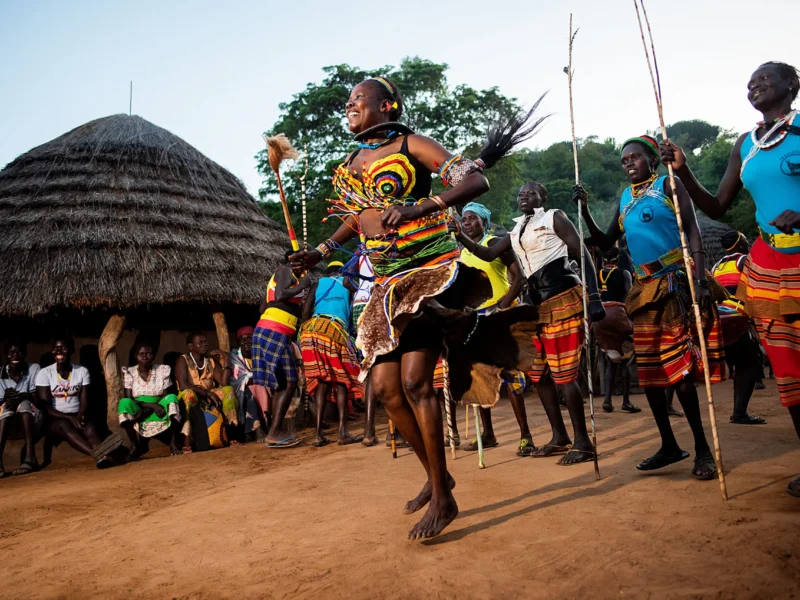
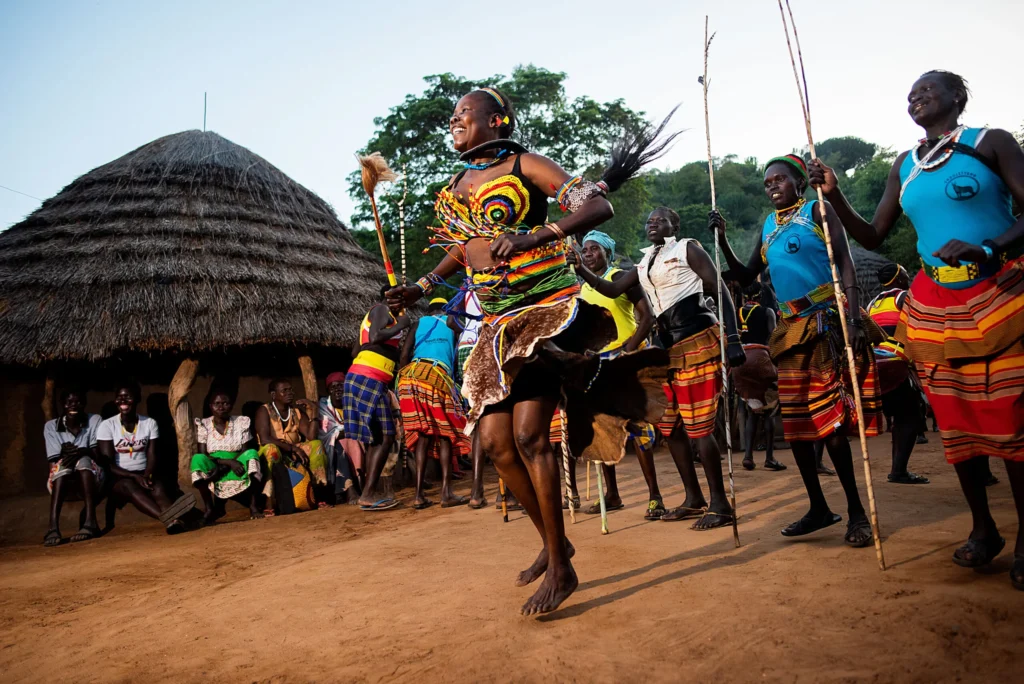
Cultural Safaris in Kenya and Uganda add depth to traditional wildlife adventures. Kenya Cultural Safaris often involve interactions with the Maasai People, who provide demonstrations of traditional dances, beadwork, and herding practices. Visitors learn about centuries-old customs, community governance, and conservation efforts that allow wildlife and humans to coexist sustainably. In Uganda, Cultural Safaris include visits to Batwa and other indigenous communities near Bwindi Impenetrable Forest, offering insights into traditional crafts, storytelling, and forest stewardship.
Birding enthusiasts on Kenya Birding Safaris or Uganda Birding Safaris gain an enriched experience by observing species in the context of human communities that have coexisted with wildlife for generations. Cultural immersion also supports local economies, as tourism revenue funds education, healthcare, and conservation initiatives. Terenga Safaris emphasizes responsible tourism practices, ensuring that cultural encounters are respectful, authentic, and beneficial for both travelers and host communities. Combining cultural experiences with wildlife and primate tracking allows visitors to appreciate East Africa’s diverse ecosystems while understanding the human stories that are deeply intertwined with the land.
How Do Rainy Seasons Impact Safari Planning and Expectations?
Rainy seasons in Kenya and Uganda influence accessibility, wildlife behavior, and the overall safari experience. During heavy rainfall, certain areas may become temporarily inaccessible, making guidance from experienced safari operators crucial. Kenya Safaris and Uganda Safaris during rainy months offer fewer tourists and vibrant scenery, while dry-season safaris increase visibility, game sightings, and ease of travel. Understanding these patterns allows travelers to plan Kenya Great Migration Safaris or Gorilla Trekking Safaris in Uganda strategically for maximum enjoyment.
Expectations for Kenya Best Safaris and Uganda Best Safaris include comfortable accommodations, guided drives, and immersive experiences that adapt to seasonal conditions. Terenga Safaris provides detailed itineraries, explains what to pack, and offers solutions for mobility challenges, ensuring safe and memorable safari adventures. Travelers can also combine Kenya and Uganda trips to experience multiple ecosystems, observe migratory patterns, and participate in cultural engagements without compromise. Rainy seasons, rather than being a limitation, can enhance the visual splendor of the landscapes, increase bird activity, and provide unique wildlife photography opportunities, creating an unforgettable East African safari.