What is the Kazinga Channel Boat Safari Experience Like?
May 4, 2026
Can I Combine Kibale with Uganda Birding Safaris?
May 4, 2026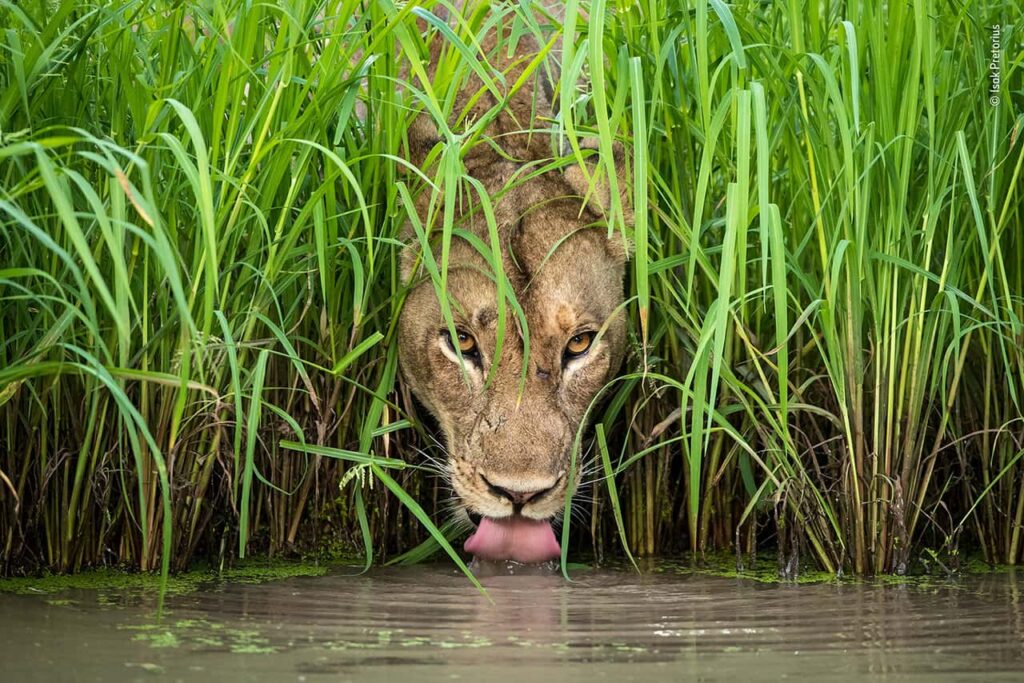
What Animals Can I See in Queen Elizabeth National Park?
Curiosity about what animals can I see in Queen Elizabeth National Park draws travelers from across the globe to one of East Africa’s most biodiverse safari destinations. Positioned in western Uganda, this remarkable conservation area offers a rare blend of savannah plains, crater lakes, wetlands, and dense forests that support an astonishing variety of wildlife species. Interest in Uganda Safaris continues to grow because this park delivers a classic African safari experience while maintaining a unique ecological identity shaped by the Great Rift Valley. Unlike more crowded reserves elsewhere, the landscapes here provide intimate encounters with animals in their natural habitat, making it a cornerstone of any Uganda Best Safari itinerary.
Exploration within this protected area reveals a harmonious coexistence of mammals, reptiles, and over 600 bird species, making it equally ideal for Uganda Birding Safaris and Uganda Cultural Safaris. Visitors often find themselves immersed in dramatic scenery where wildlife thrives alongside local communities that contribute to conservation efforts. Diverse ecosystems ensure that each game drive, boat cruise, or guided walk presents a new perspective on African wildlife. Strong conservation policies and responsible tourism practices have helped maintain the park’s ecological integrity, establishing it as a trusted destination for authentic safari experiences. Anyone seeking a reliable and enriching wildlife adventure will discover that understanding what animals can I see in Queen Elizabeth National Park is only the beginning of a deeper journey into Uganda’s natural heritage.
What Mammals Can You Encounter on a Uganda Best Safari?
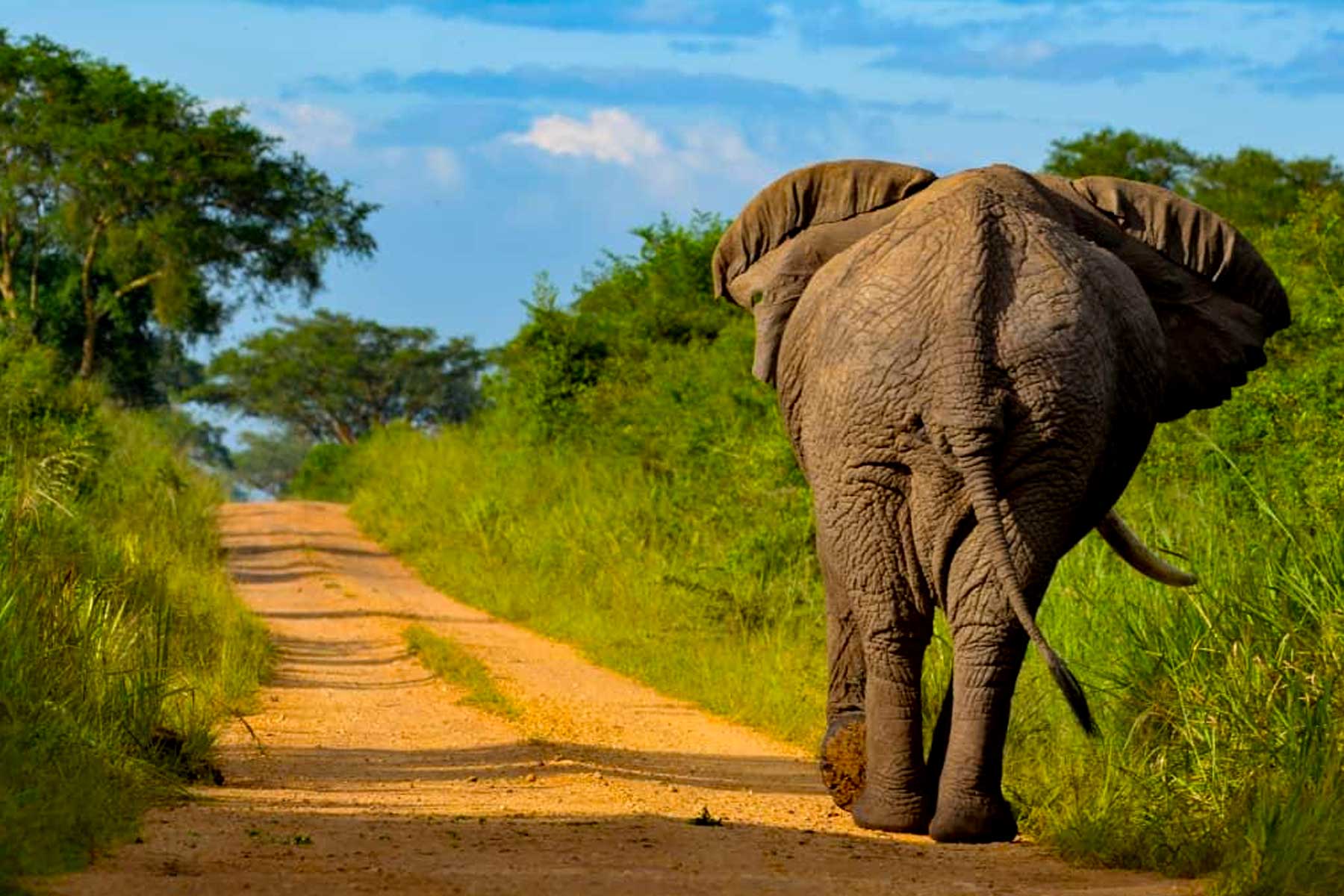
Interest in what animals can I see in Queen Elizabeth National Park often begins with its iconic mammals, which define the essence of Uganda Safaris. Expansive savannah plains within the Kasenyi sector host large herds of elephants, buffaloes, and antelopes, creating classic wildlife viewing opportunities. Lions dominate the food chain here, with the Ishasha sector particularly famous for its rare tree-climbing lions that rest on fig branches during the heat of the day. Leopards, although elusive, add an element of excitement for patient observers exploring the park during early morning or late evening drives.
Diverse habitats support a wide range of species including Uganda kobs, warthogs, hyenas, and waterbucks, each contributing to the ecological balance. Hippos thrive along the Kazinga Channel, forming one of the highest concentrations in Africa, while crocodiles bask along the shoreline. Forested areas such as Maramagambo shelter primates including chimpanzees and black-and-white colobus monkeys, enhancing the appeal of Uganda Cultural Safaris that integrate wildlife with local traditions. Rich biodiversity ensures that visitors experience more than just sightings—they gain insight into animal behavior, migration patterns, and predator-prey relationships.
Carefully guided safaris enhance the chances of encountering these species while ensuring safety and environmental respect. Professional guides interpret animal movements and habitats, transforming each safari into an educational journey. Anyone asking what animals can I see in Queen Elizabeth National Park will quickly realize that the park offers one of the most diverse mammal populations in East Africa, making it a must-visit destination for wildlife enthusiasts.
Why Is This Park a Paradise for Uganda Birding Safaris?
Exploration of what animals can I see in Queen Elizabeth National Park would be incomplete without highlighting its extraordinary birdlife, which elevates it into a premier destination for Uganda Birding Safaris. Wetlands, forests, and open plains provide habitats for over 600 bird species, making the park one of the richest birding locations on the continent. The Kazinga Channel and surrounding marshes attract pelicans, African fish eagles, and saddle-billed storks, offering spectacular photographic opportunities for enthusiasts.
Rare species such as the shoebill stork can occasionally be spotted in the Ishasha sector, drawing serious birdwatchers from around the world. Forest zones host colorful species like the great blue turaco, while open savannah areas feature vultures, eagles, and hornbills. Such diversity ensures that birding experiences remain dynamic throughout the year, regardless of season. Guided birding excursions provide valuable insights into bird behavior, migration, and conservation, reinforcing Uganda’s reputation as a leading birding destination.
Birdwatching here complements broader Uganda Safaris by adding depth and variety to wildlife exploration. Travelers interested in photography, ecology, or simply appreciating nature will find the birdlife equally captivating as the mammals. For those researching what animals can I see in Queen Elizabeth National Park, the answer clearly extends beyond large wildlife to include an extraordinary avian population that enriches every safari experience.
How Do You Reach This Safari Destination and What Should You Expect?
Understanding what animals can I see in Queen Elizabeth National Park naturally leads to planning the journey itself, an essential part of successful Uganda Safaris. Access to the park is convenient via road or air transport from Kampala or Entebbe. A scenic drive of approximately 6–7 hours offers travelers the chance to witness rural landscapes, crater lakes, and traditional villages, enhancing the overall experience. Domestic flights provide a faster alternative, landing at nearby airstrips such as Mweya or Kasese.
Expectations for visitors include diverse safari activities such as game drives, boat cruises along the Kazinga Channel, chimpanzee tracking, and guided nature walks. Each activity provides a unique perspective on wildlife, ensuring that travelers fully understand what animals can I see in Queen Elizabeth National Park. Accommodation ranges from luxury lodges to mid-range and budget options, catering to different travel preferences while maintaining comfort and proximity to wildlife areas.
Professional guides, well-maintained roads within the park, and organized safari schedules contribute to a seamless experience. Visitors can expect close encounters with animals, stunning landscapes, and informative interpretations that deepen their appreciation of Uganda’s biodiversity. Anyone embarking on this journey will find that the logistics are straightforward, allowing them to focus entirely on the richness of the safari experience.
When Is the Best Time, How Much Does It Cost, and Why Choose Terenga Safaris?
Timing plays a crucial role in determining what animals can I see in Queen Elizabeth National Park, making it important to plan your Uganda Best Safari wisely. Dry seasons, typically from June to September and December to February, offer the best wildlife viewing opportunities as animals gather around water sources. Wet seasons, however, provide lush scenery and excellent birdwatching conditions, making them ideal for Uganda Birding Safaris.
Safari costs vary depending on duration, accommodation level, and activities included. Budget travelers may spend around $150–$250 per day, while mid-range and luxury safaris can range from $300 to over $700 per day. These packages often include park fees, accommodation, meals, transportation, and guided activities, ensuring value for money and a stress-free experience.
Choosing Terenga Safaris guarantees a professionally curated journey tailored to your interests, whether focused on wildlife, birding, or cultural exploration. Expertise in Uganda Safaris ensures that every itinerary maximizes opportunities to discover what animals can I see in Queen Elizabeth National Park while maintaining high standards of safety and sustainability. Personalized service, knowledgeable guides, and a commitment to responsible tourism position Terenga Safaris as a trusted partner for exploring Uganda’s natural wonders.
A well-planned safari here offers more than just animal sightings—it delivers a meaningful connection to Africa’s wildlife and landscapes, making it an unforgettable adventure for travelers worldwide.