
Uganda Handicraft Shopping.
August 5, 2026
Uganda vs Rwanda for First-Time Gorilla Trekkers
August 5, 2026
Value-for-Money Uganda Safari Itineraries: What Actually Delivers
Value-for-money Uganda safari planning starts with a question most guides skip: value compared with what? A cheap safari and a value-for-money Uganda safari are not the same trip. The cheap version cuts corners on guiding, vehicles, or park access. You feel the gap on day two. The value version spends deliberately on the two or three things that shape the experience. It saves everywhere else, quietly, without you noticing the difference. This piece breaks down what drives cost on a Uganda safari. It shows which itinerary shapes deliver the most experience per dollar, and where travellers routinely overspend without realising it.
What value actually means here
Ask ten operators for a “value-for-money Uganda safari” and most will quote their cheapest package. That’s the wrong metric. Uganda’s real value sits in its geography. Four ecosystems sit within a day’s drive of each other. Permit prices run well below Rwanda‘s for comparable primate encounters. Crowds stay smaller at almost every viewpoint. A traveller who wants Kenya‘s open plains, Rwanda’s gorillas, and Tanzania’s forest primates finds most of that compressed into a single country here.
The trade-off is road time. Uganda’s parks sit further apart than Kenya’s Maasai Mara circuit. A value-for-money Uganda safari itinerary has to plan around that honestly, rather than cramming too much into too few days.
Uganda against its neighbours
Compare permit pricing directly and Uganda’s position becomes clear. A gorilla trekking permit here runs $800 for foreign non-residents. Rwanda charges roughly $1,500 for a broadly similar hour with a habituated family. Kenya has no gorillas or chimpanzees at all. Its big-cat density comes at premium park fees and premium accommodation rates during peak season. Tanzania’s Serengeti delivers scale, but budget travellers often find its northern circuit lodges priced for the top end of the market.
Uganda answers a specific question well. Can I see mountain gorillas, wild chimpanzees, and classic savannah game on one trip, without a Rwanda-or-Kenya-sized budget? For most travellers, the honest answer is yes. That comes with a condition: the itinerary needs to avoid two or three common cost traps, covered below.
Three itinerary shapes that deliver
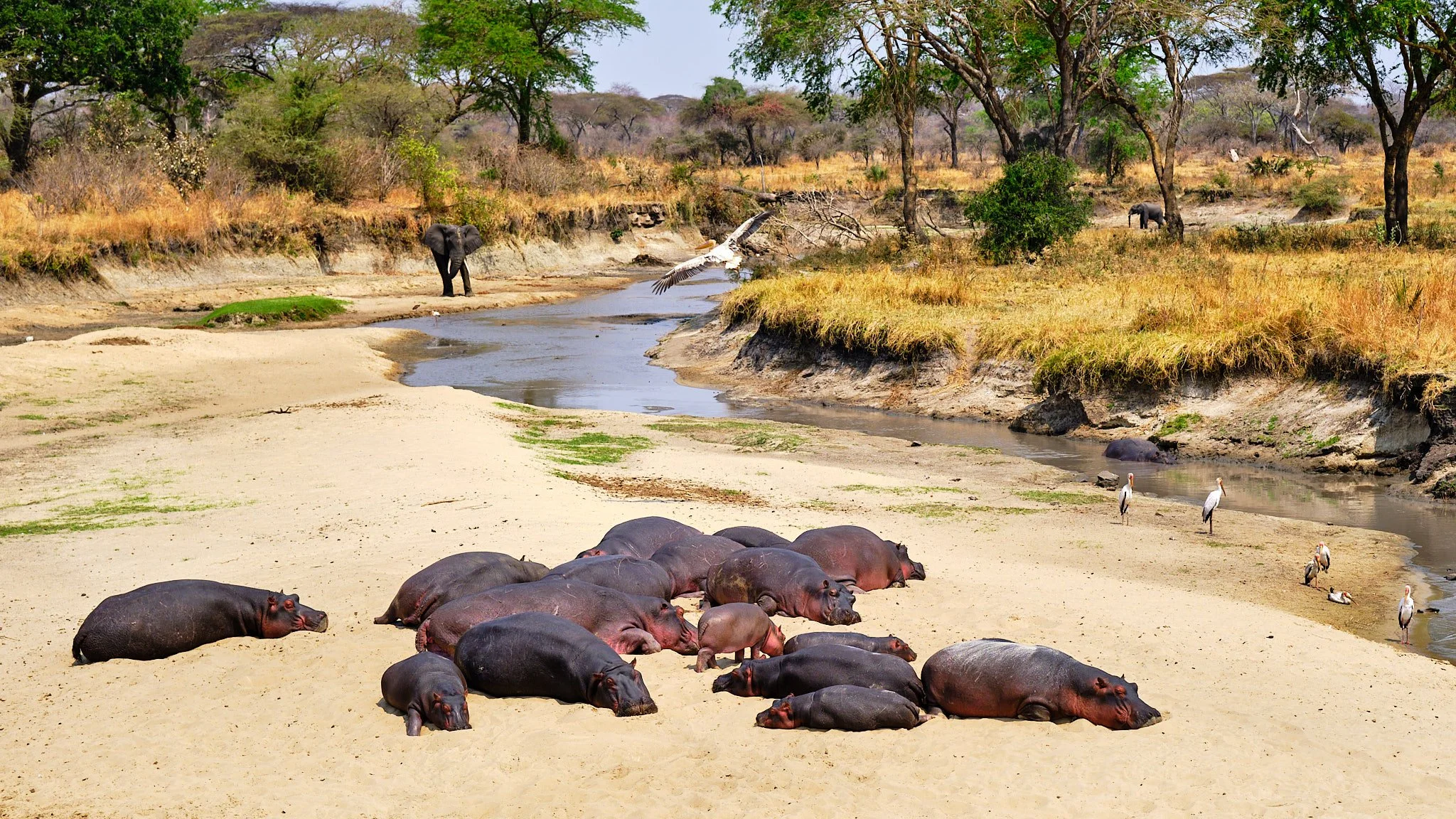
Katavi National Park
These three shapes cover most requests we see for a value-for-money Uganda safari, from a short primate trip to a full circuit.
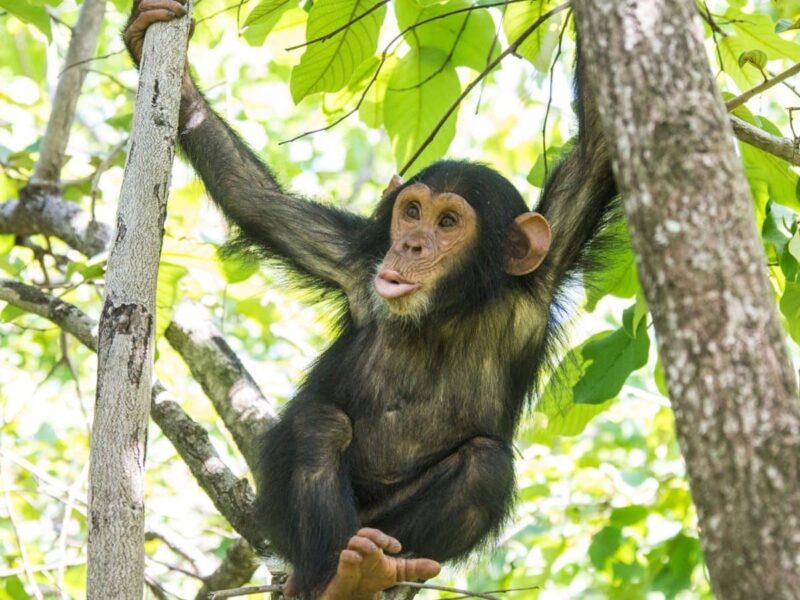
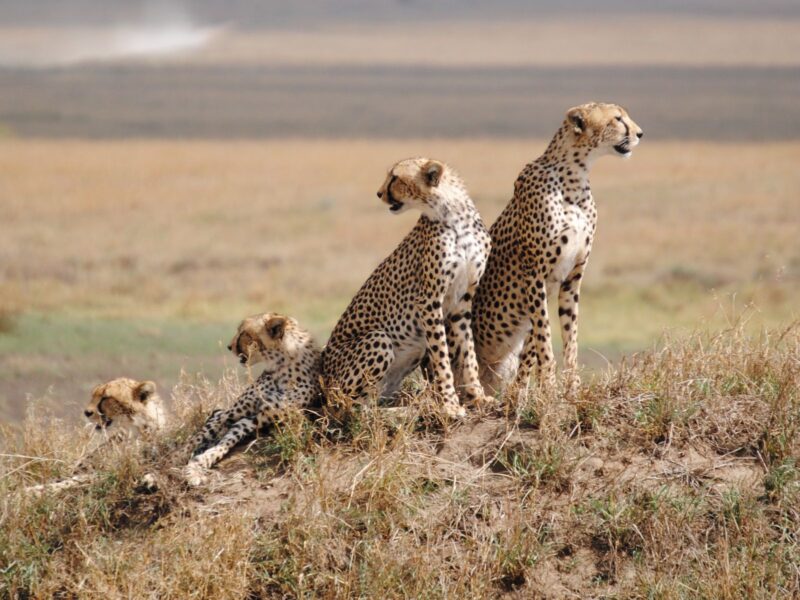
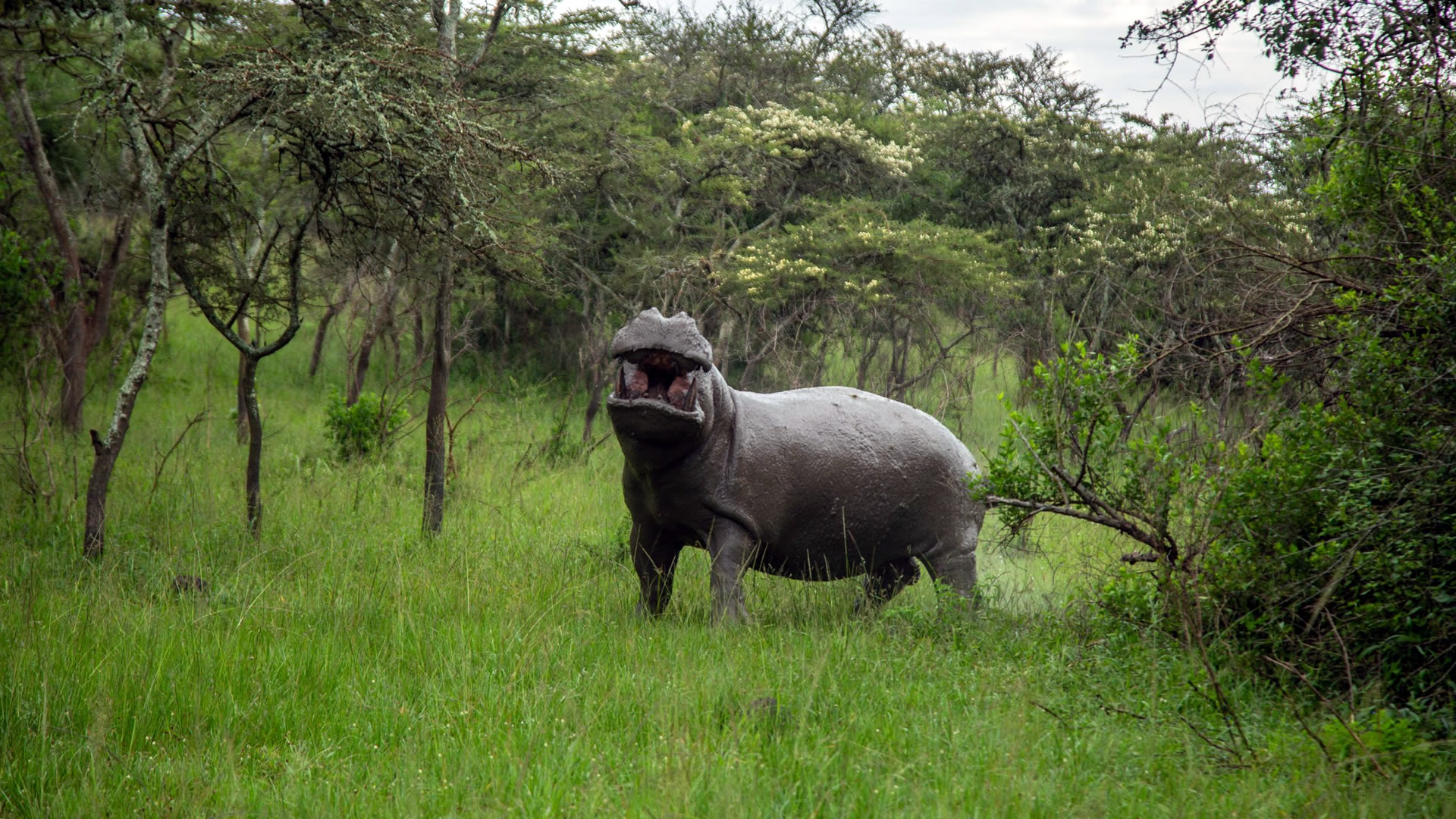
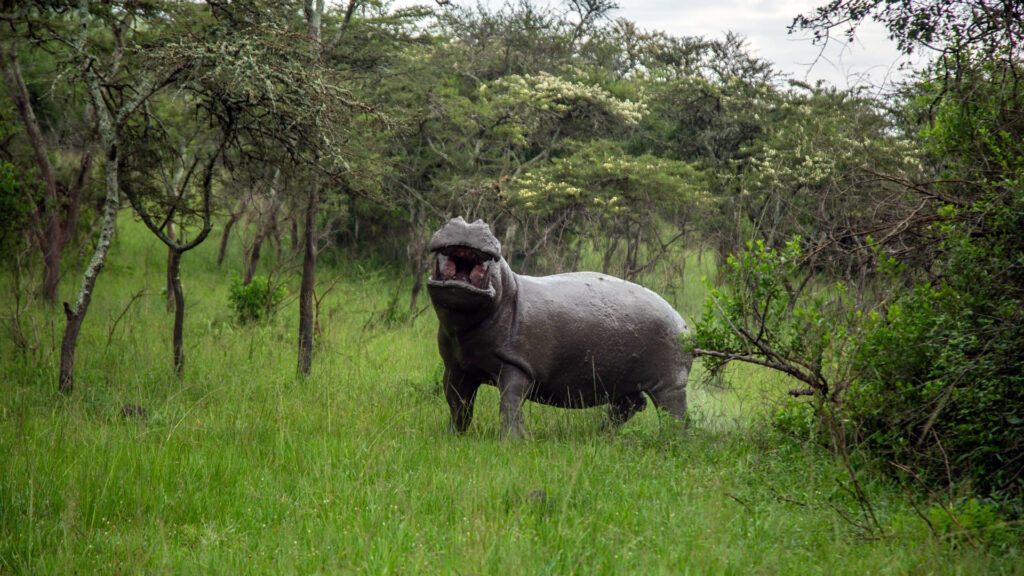
A four-day Kibale-and-Queen-Elizabeth loop suits a first-timer with limited days. Fly into Kasese. Spend a morning chimpanzee tracking in Kibale Forest. Drive south for a game drive and a boat cruise on the Kazinga Channel. This shape skips gorilla permits entirely. It still delivers primates, predators, and hippos in under a week.
A seven-day classic circuit adds Bwindi Impenetrable Forest for gorilla trekking. It threads Kibale, Queen Elizabeth, and Bwindi into one loop through the south-west. This is the itinerary most travellers picture when they say “Uganda safari.” It justifies the extra days with genuinely different terrain at each stop.
A ten-day primate-and-savannah combo pushes north to Murchison Falls for the Nile boat cruise and the top-of-the-falls walk. It then loops back through Kibale before finishing in Bwindi. Longer, yes. But the per-day cost often drops, because fixed costs like flights and vehicle mobilisation spread across more park days.
What actually moves the price
Three line items drive the total on almost every Uganda itinerary: primate permits, accommodation tier, and vehicle type. The Uganda Wildlife Authority sets a gorilla permit at $800 for foreign non-residents and $700 for foreign residents. Chimpanzee tracking in Kibale costs $250 for foreign non-residents. Standard park entrance fees run $40 to $50 per person per day, on top of any activity permit.
Accommodation swings the budget more than most travellers expect. A mid-range lodge inside or near a park typically runs $150 to $300 per person per night. A comparable budget camp sits closer to $50 to $100. Over a seven-day trip, that gap adds up to more than the cost of a gorilla permit on its own.
Vehicle choice matters too. A private 4×4 with a driver-guide costs more per day than joining a group departure. It buys flexibility on game drives and comfort on Uganda’s rougher park roads. For a small group or family, splitting a private vehicle often costs less per person than two seats on separate group tours.
Where people overspend
Most overspending on a Uganda safari happens quietly, in decisions that feel small at the time. Booking gorilla permits during peak months, June to September or December to February, locks in the standard $800 rate. The Uganda Wildlife Authority discounts permits to $600 during April, May, and November. That’s a genuine saving, with no reduction in trek quality.
Flying between parks looks efficient. It adds a real cost that road transfers avoid. Uganda’s park-to-park drives run long, but they pass through farmland and forest that many travellers end up enjoying as part of the trip, rather than tolerating as dead time.
A third common trap: over-tipping guides and rangers beyond the standard range, because no one budgeted for it in advance. A modest daily allowance, agreed before departure, avoids both under-tipping and the awkward math of working it out on the last day.
Timing the trip around value
No single decision affects a value-for-money Uganda safari more than the month you choose to travel. Low season delivers the clearest value-for-money case on a Uganda safari. April, May, and November combine discounted gorilla and chimpanzee permits with lower lodge rates and thinner crowds at every viewpoint. Rain falls more often in these months. Trekking trails turn muddier underfoot. This window suits travellers who prioritise savings and solitude over guaranteed dry conditions.
Confirm permit rates and low-season dates directly with the Uganda Wildlife Authority or a licensed operator before booking. Tariffs and seasonal windows shift periodically, and this piece reflects current published figures rather than a permanent price list.
Who this suits
A value-for-money Uganda safari itinerary suits travellers with 7 to 10 days who want depth over breadth: fewer parks, more time in each. It suits couples and small families splitting a private vehicle. It suits anyone comparing Uganda against Rwanda purely on gorilla permit cost. It suits less well the traveller chasing the widest possible species list in five days, or anyone unwilling to accept several hours of road transfer between parks.
The bottom line
The real question behind “value-for-money Uganda safari” isn’t which package costs least. It’s which itinerary spends your budget on the days and permits that matter. It’s which itinerary saves everywhere the difference won’t register once you’re standing in the forest. A well-built seven-day circuit through Kibale, Queen Elizabeth, and Bwindi does exactly that. It costs a fraction of the same primate-and-savannah combination elsewhere in East Africa. If you’re weighing park combinations, permit timing, or which lodge tier actually earns its price, Terenga Safaris can build the itinerary around the trade-offs that matter to you, rather than a fixed package that ignores them.