

Are there luxury safari options?
December 2, 2025
Hiking Mountain Rwenzori, A Major Tourist Activity in Uganda
December 2, 2025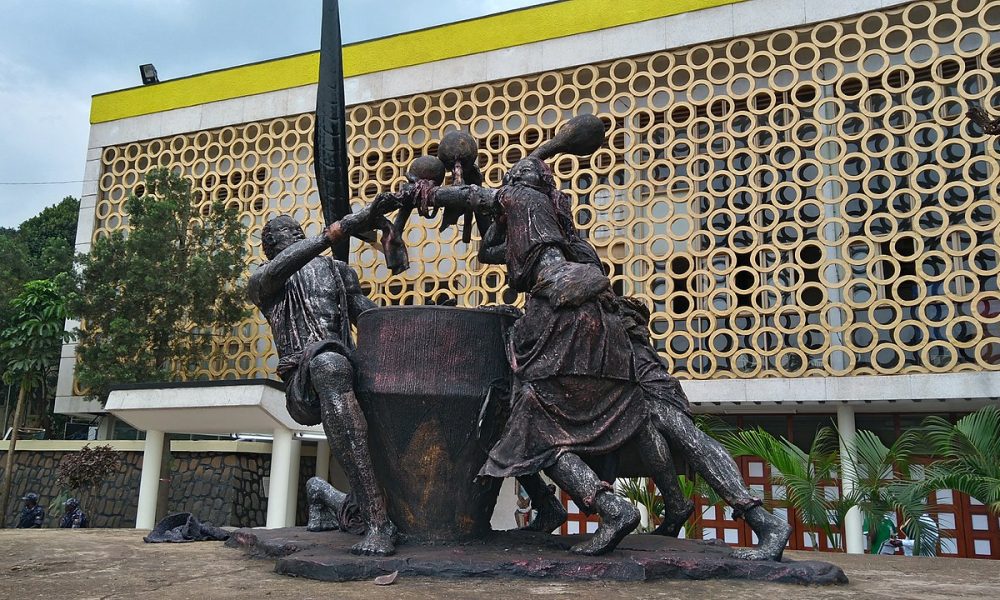
The Uganda Museum: A Major Tourist Centre in Uganda
The Uganda Museum stands as one of the country’s most significant cultural landmarks and a key tourist attraction. Located in Kampala along Kira Road in the quiet suburb of Kitante, the museum is celebrated for its rich collection of historical, cultural, and natural heritage items that tell the story of Uganda and its people. Established in 1908, it is the oldest museum in East Africa, making it not only a national treasure but also an institution of great regional importance.
Historical Background
The Uganda Museum was initially founded during the British colonial era to preserve and display the country’s ethnographic and archaeological collections. Over the decades, the museum has evolved into a comprehensive center for research, learning, and cultural preservation. Its transition from a modest collection to an expansive national institution reflects Uganda’s dedication to safeguarding its heritage for future generations.
Collections and Exhibits
The museum’s displays are diverse and carefully curated, offering visitors insight into nearly every aspect of Uganda’s identity:
1. Ethnography Galleries
These galleries showcase traditional cultural items from Uganda’s different ethnic communities. Exhibits include traditional musical instruments such as the endongo (lyre), amadinda (xylophone), drums, and other artifacts used in ceremonies, daily life, and traditional practices.
2. Natural History Section
Here, visitors encounter an impressive array of fossil remains, taxidermied wildlife, and geological specimens. The displays help illustrate Uganda’s biodiversity and geological formations, educating visitors about the natural environment.
3. Archaeology and Early History
The museum houses stone-age and iron-age tools, pottery, and excavation materials that reveal Uganda’s prehistoric past. These artifacts help visitors understand how early communities lived, farmed, hunted, and developed technologies.
4. Traditional Huts
One of the museum’s most popular outdoor exhibits features life-sized traditional huts representing different Ugandan tribes. Visitors can step inside these structures to experience traditional architecture, household arrangements, and cultural practices firsthand.
5. Science and Technology Gallery
This section highlights Uganda’s technological development, showcasing early cars, bicycles, radios, and household tools used during the early 20th century.
Educational and Cultural Role
Beyond its exhibits, the Uganda Museum serves as a hub for education and cultural preservation. It regularly organizes workshops, cultural festivals, school tours, dance performances, and temporary exhibitions. These programs help inspire appreciation for Uganda’s heritage among young people and tourists alike.
The museum also acts as a research center, supporting scholars who study anthropology, archaeology, natural history, and indigenous cultures. Through documentation and preservation, the institution plays a vital role in protecting endangered cultural practices and historical knowledge.
The Uganda Museum as a Tourist Centre
As a major tourist destination, the Uganda Museum attracts thousands of visitors each year, including international travelers, researchers, students, and local families. Tourists are drawn to the museum for several reasons:
- Convenient Location: Its central placement in Kampala makes it easily accessible.
- Authentic Cultural Experience: The museum offers a comprehensive look into Uganda’s history and diverse cultures.
- Affordable Tourism: Entry fees are modest, making it a cost-effective attraction.
- Rich Photographic Opportunities: The vibrant displays and traditional huts provide excellent visual experiences for tourists.
- Gateway to Ugandan Heritage: For many first-time visitors, the museum serves as an introduction to the country before exploring national parks, cultural sites, and rural communities.
Challenges and Future Prospects
Despite its importance, the Uganda Museum faces challenges such as limited funding, the need for modernization, and preservation concerns for delicate artifacts. However, ongoing efforts—including digitization projects, renovation plans, and partnerships with cultural institutions—are helping transform the museum into a more interactive and modern facility.
Looking ahead, the Uganda Museum aims to expand its exhibitions, improve visitor services, and incorporate multimedia technologies to make learning more engaging. Such improvements will enhance its role as a world-class cultural and tourism centre.
The Uganda Museum remains a cornerstone of Uganda’s cultural identity and a major tourist centre that offers invaluable insight into the nation’s rich heritage. Its diverse exhibits, educational programs, and historical significance make it a must-visit destination for anyone seeking to understand Uganda’s past and present. As the museum continues to grow and modernize, it promises to remain a vibrant hub of knowledge, culture, and tourism for generations to come.
If you’d like, I can format this into a PDF style, make it longer, or tailor it for a school project or publication.