Why You Should Visit Uganda: Discover the Pearl of Africa
August 6, 2026
Uganda Safaris for Wildlife Photographers.
August 7, 2026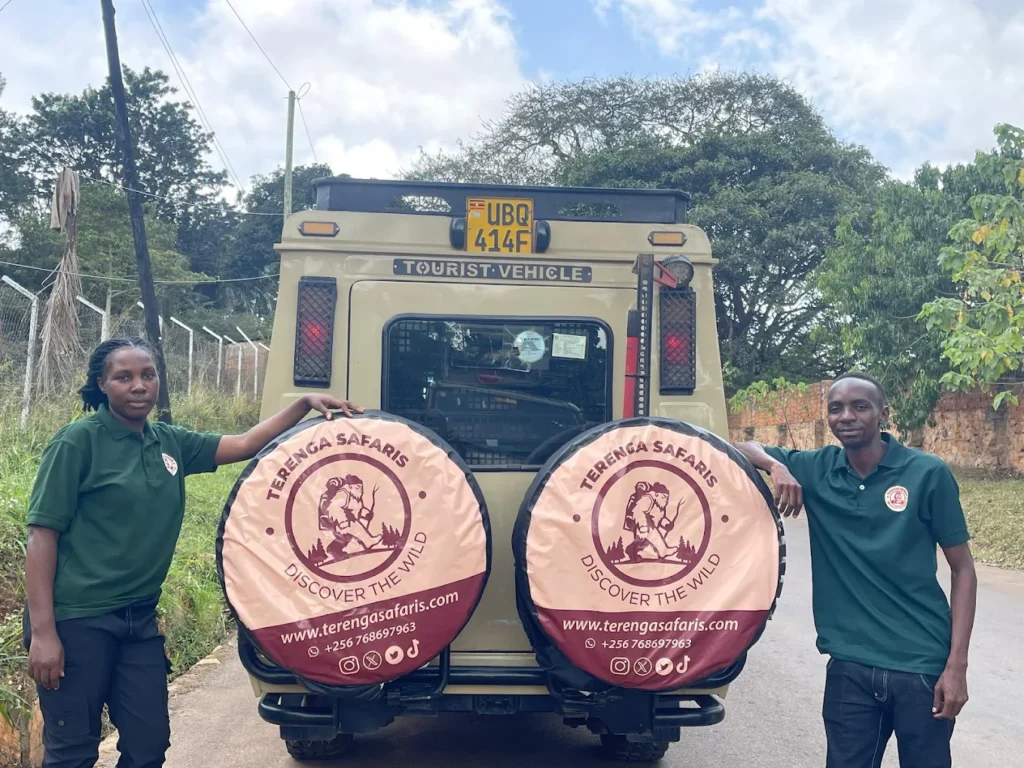
Local Guides vs International Guides: Who Should You Choose?
Local safari guides know Uganda’s trails, ranger checkpoints and permit offices the way most people know their own street. For many of them, it is the street they grew up on. International guides bring something different. They know how to translate a strange country into something familiar, often flying in with the same group from London, Toronto or Sydney. Choosing between the two shapes almost everything else about a trip. It decides what you notice, what you pay, and how deeply you understand what’s happening in front of you.
The guide question gets less attention than it deserves. Travellers spend weeks comparing lodges and weighing Uganda against Kenya or Rwanda. Then they treat the guide as an afterthought, bundled into whichever package looks best. That habit costs more than most people realise. A guide determines how much of the country you actually see, beyond the animal standing in the grass.
This article breaks down what local safari guides do well. It covers what international guides add instead, where each one falls short, and how most travellers end up combining the two. Uganda’s specific permit and licensing rules usually decide the mix.
What Local Safari Guides Bring to a Uganda Safari
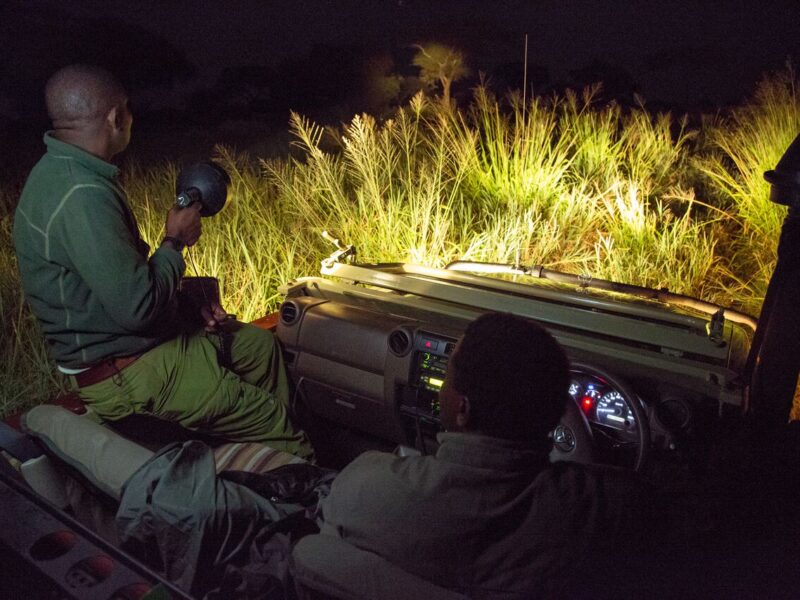
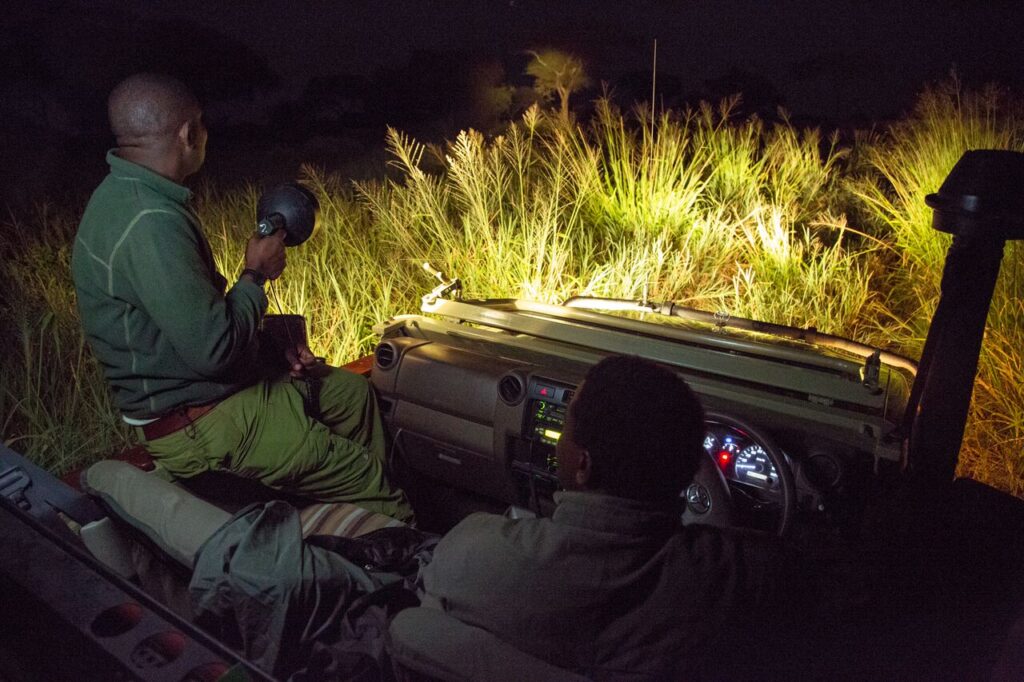
A local safari guide in Uganda has usually worked the same handful of parks for years, sometimes decades. That tenure shows up in small, practical ways. He knows which ranger post has the day’s gorilla-family location before the official briefing starts. He knows which stretch of road near Ishasha floods first after a storm.
The Uganda Safari Guides Association (USAGA) sets the professional bar for this work. Guides train in wildlife behaviour, cultural heritage guiding, tourist driving and conservation ethics. They sit written exams and practical assessments before certification. A driver-guide who has passed through this system does more than identify birds by call. He coordinates directly with Uganda Wildlife Authority rangers for trekking briefings. He verifies permits at the gate and adjusts a day’s plan in real time when a road washes out or a sighting runs long.
Local safari guides also tend to cost less. Their fee doesn’t carry the international airfare, per-diem and specialist-agency margin that comes with flying someone in. Many speak two or three local languages alongside English. That opens up conversations with communities around the parks that a foreign guide simply can’t have.
The honest limitation: not every local guide communicates in the polished, pre-empt-every-question style that first-time visitors from Europe or North America expect. English fluency varies. A guide fresh out of certification may lack the years of exposure to different nationalities that a veteran brings. Independent travellers get the most from a local safari guide. So do repeat visitors to East Africa, and anyone who values depth of local knowledge over a familiar communication style.
What International Guides Bring to the Table
International guides usually enter the picture through specialist trips. A photography workshop leader knows camera settings for low-light forest shots. A birding expert runs a niche itinerary built around specific species. A tour leader may have travelled with the same group of clients for years. Each brings a familiar cultural shorthand, which matters most on longer, complex trips where a group wants one consistent point of contact throughout.
For large or corporate groups, an international tour leader also handles group dynamics that a park-based local guide isn’t set up for. Managing twelve different flight schedules is one example. Translating dietary requirements across a multi-country itinerary is another. Some arrive with specialised technical knowledge in astrophotography or ornithology, going well beyond general wildlife guiding.
The limitation is structural, not personal. An international guide cannot legally lead gorilla or chimpanzee trekking inside a Ugandan national park. That role belongs by law to Uganda Wildlife Authority rangers and licensed local guides. In practice, every international guide working in Uganda partners with local drivers and park guides anyway. That partnership adds a layer of cost and coordination rather than removing it. First-time Africa travellers who want one familiar face managing the whole trip benefit most from this model. So do groups on tightly specialised itineraries.
The Permit Question: Why Local Knowledge Matters More Here
Uganda’s gorilla permit system makes the guide question more than a matter of preference. A standard permit for foreign non-residents costs $800 per person in 2026. It buys exactly one hour with a habituated gorilla family in Bwindi Impenetrable National Park or Mgahinga Gorilla National Park.
That single rule change puts local safari guides in a stronger position than ever. An international guide flying in for a single trip rarely has a standing relationship with UWA’s booking system. A local operator whose guides work that system year-round usually does, and that relationship, not the traveller’s own research, decides whether a preferred date is actually available.
Confirm current permit prices and rules directly with your operator before booking. Both change from season to season.
Cost: What You’re Actually Paying For
A driver-guide package built around local safari guides typically bundles the guide’s fee into the daily vehicle rate. That keeps costs predictable and transparent. International specialist guides add a separate day rate on top of that local infrastructure, plus their own travel costs to Uganda.
Neither model is inherently better value. A birding specialist who saves a serious lister three extra days of searching may be worth the premium. A generic international guide added to a standard Bwindi-Murchison-Queen Elizabeth circuit often just adds cost. Local safari guides already handle that terrain expertly on their own.
Making the Decision
Most travellers don’t choose local safari guides or international guides outright. They choose a local safari guide as the backbone of the trip. Then they add a specialist international guide only when the itinerary genuinely calls for one, a dedicated photography tour or a birding-specific route, for instance.
Picture a standard Uganda circuit: gorilla trekking, a game drive in Queen Elizabeth, a few days on Lake Bunyonyi. A well-trained local safari guide covers everything that trip needs. Permit coordination, cultural context, wildlife knowledge, and the on-the-ground judgement that comes from years in the same parks all come with the package. Terenga Safaris builds its itineraries around exactly this model, pairing certified local guides with the operator relationships that make permit booking straightforward. Whichever route you choose, ask any operator directly which guides lead the actual trekking days. Confirm their certification before you commit.