How the Great Migration Begins Each Year?
October 13, 2026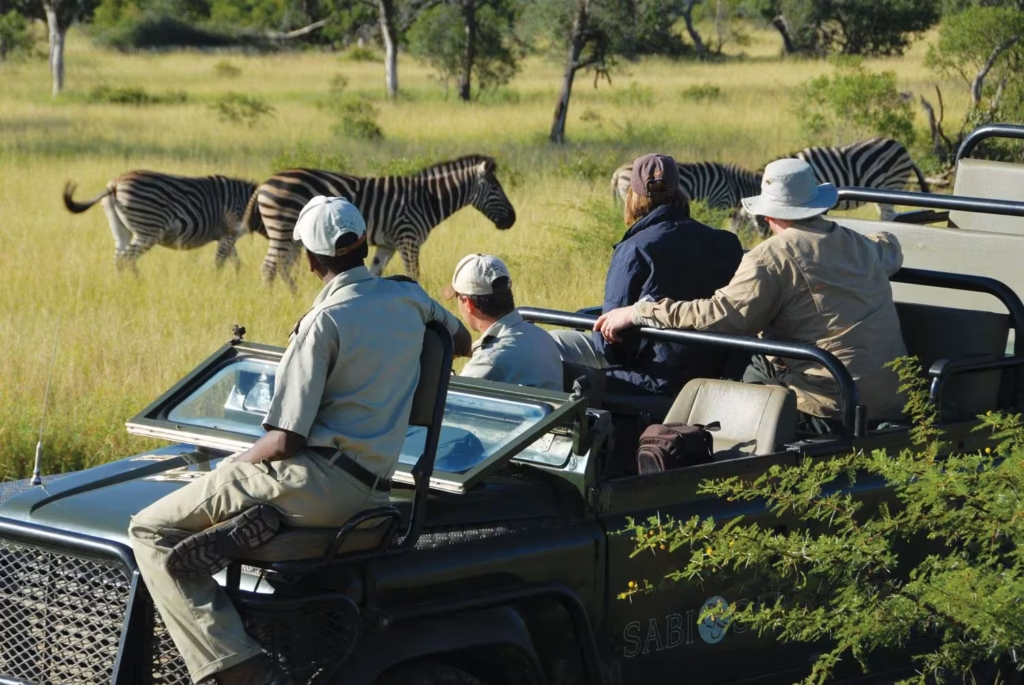
How to Plan a Flexible Great Migration Safari?
Planning a Great Migration safari requires flexibility, patience, and informed destination knowledge. The Great Wildebeest Migration follows nature rather than fixed travel dates. Rainfall, pasture, water availability, and seasonal conditions influence animal movements.
Therefore, How to Plan a Flexible Great Migration Safari? starts with understanding natural wildlife patterns. Travelers should avoid treating migration calendars as guaranteed schedules. Instead, they should build adaptable itineraries around seasonal possibilities.
Tanzania remains one of Africa’s most rewarding destinations for migration-focused journeys. The Serengeti offers vast plains, diverse wildlife, remarkable landscapes, and excellent year-round game viewing. Northern Tanzania also provides access to other iconic destinations.
A flexible itinerary can combine the Serengeti with Ngorongoro, Tarangire, and Lake Manyara. Each destination adds a different dimension to your African adventure.
At Terenga Safaris, we design journeys around realistic seasonal expectations. Our approach combines destination expertise, experienced guides, carefully selected accommodation, and practical logistics.
Consequently, How to Plan a Flexible Great Migration Safari? becomes more than choosing travel dates. It involves understanding wildlife behavior, selecting strategic locations, and allowing room for natural changes.
Understand the Great Migration Before Booking
Nature Controls the Journey
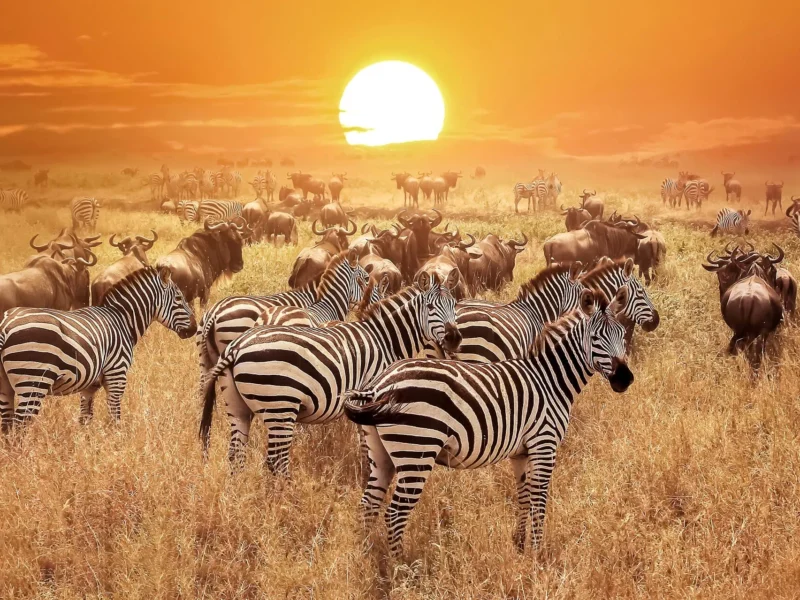
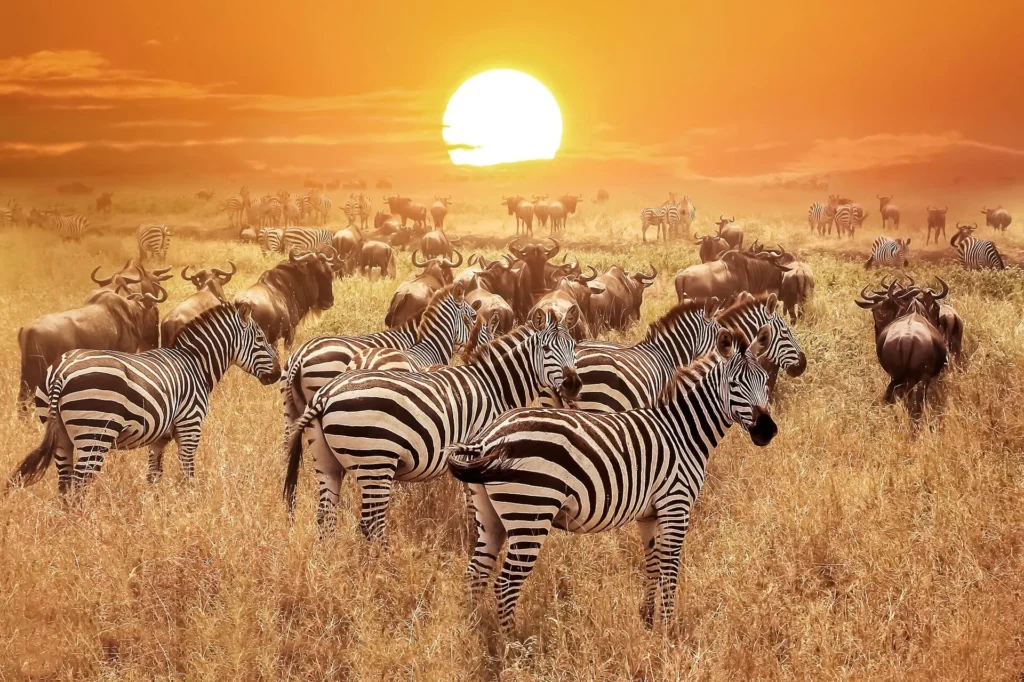
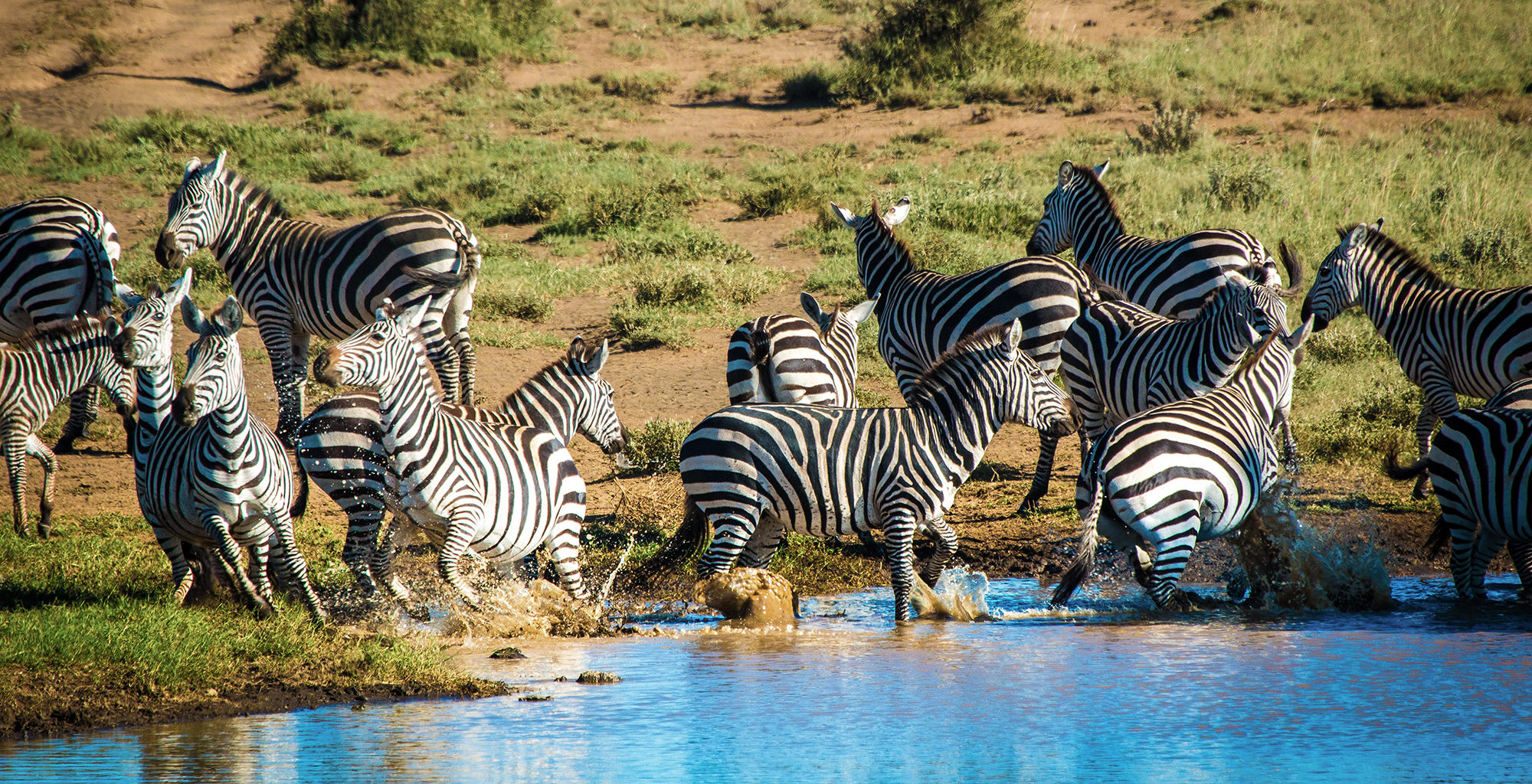
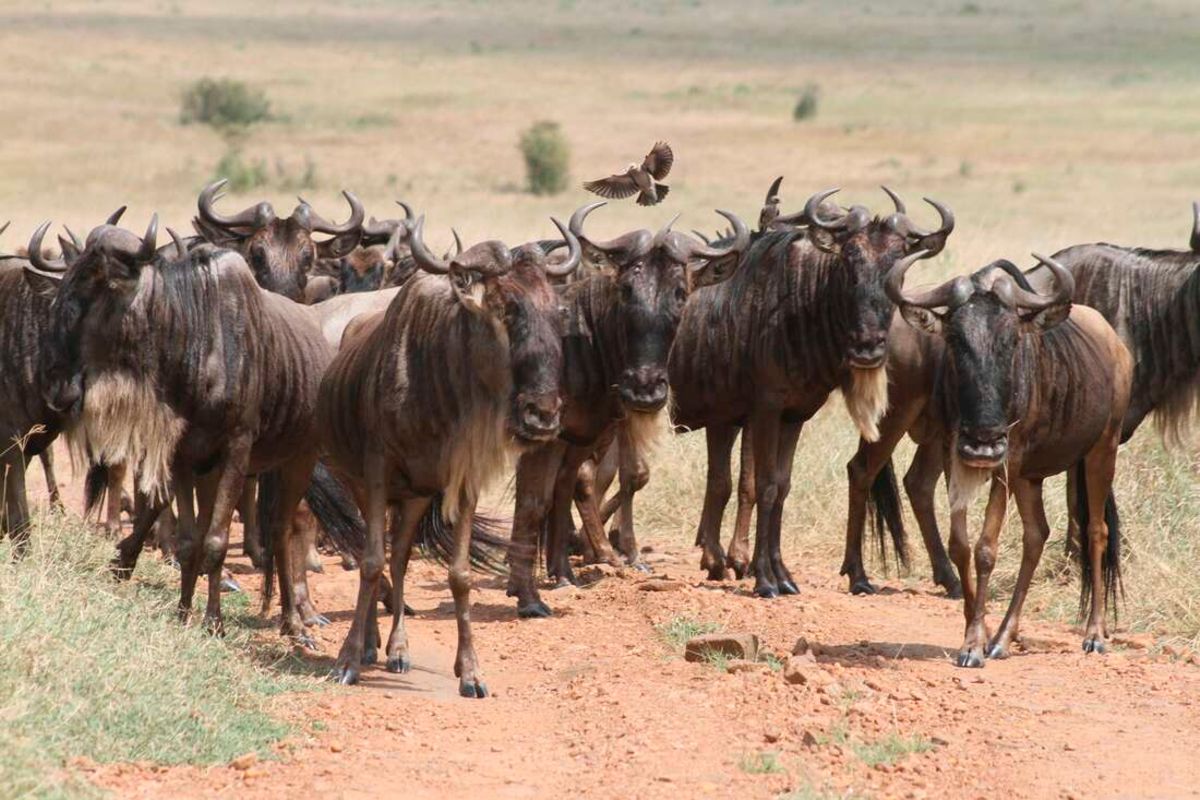
The Great Migration involves millions of wildebeest, zebras, and other grazing animals. These herds move across the Serengeti ecosystem and Kenya’s Maasai Mara ecosystem.
Their movements respond to rainfall and fresh grazing. Water availability also influences their direction and timing.
For that reason, migration movements can vary between years. Travelers should expect seasonal patterns rather than exact guarantees.
Understanding this principle helps create realistic expectations. It also allows travelers to appreciate wildlife beyond major migration events.
Migration Seasons Matter
Different periods offer different wildlife experiences across Tanzania. The calving season attracts large concentrations of herbivores in southern Serengeti.
Later months can bring significant movements toward central and western areas. During the dry season, herds may continue toward northern Serengeti.
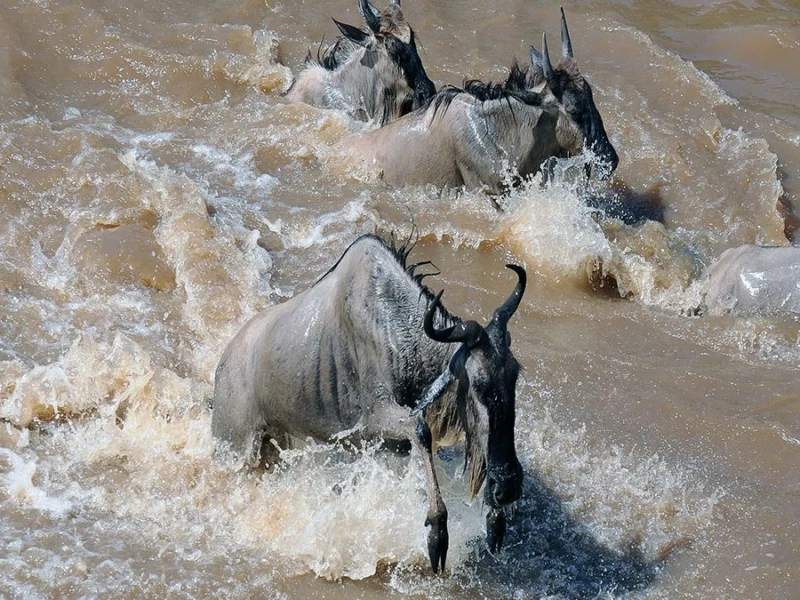
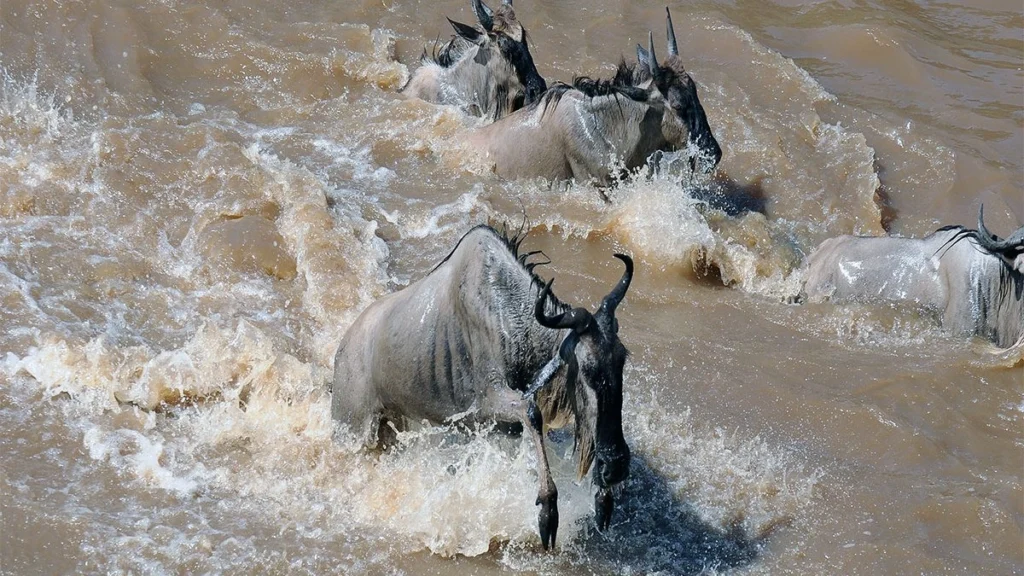
River crossings can occur around northern Serengeti and the Mara River. However, crossing locations and timing remain unpredictable.
Thus, How to Plan a Flexible Great Migration Safari? begins with choosing a season that matches your interests.
Choose Your Travel Dates Carefully
Match Dates With Your Priorities
Travelers should first identify their preferred migration experience. Some visitors prioritize calving season and newborn wildlife.
Others want to experience large herds moving across open plains. Many travelers focus specifically on dramatic river-crossing opportunities.
Each objective requires different seasonal planning. Therefore, flexibility becomes particularly valuable when choosing travel dates.
Add Flexible Travel Days
Adding extra nights can increase your opportunities for wildlife encounters. A longer stay also reduces pressure to find specific events quickly.
For example, a short safari may limit your options if herds move unexpectedly. An extended itinerary gives your guide more opportunities to explore productive areas.
Consequently, How to Plan a Flexible Great Migration Safari? includes allowing sufficient time within the Serengeti.
Select Strategic Safari Locations
Central Serengeti
Central Serengeti offers strong wildlife viewing throughout much of the year. The region supports lions, leopards, cheetahs, elephants, giraffes, buffaloes, and numerous antelope species.
Its location also provides convenient access to different Serengeti areas. This makes central Serengeti useful for flexible safari planning.
Northern Serengeti
Northern Serengeti becomes particularly important during seasonal migration movements. The region contains diverse landscapes and valuable wildlife habitats.
The Mara River crosses this region. Consequently, travelers visiting during suitable periods may encounter dramatic river-crossing activity.
However, wildlife does not follow a fixed timetable. Guides must therefore assess current conditions during each safari.
Western Serengeti
Western Serengeti provides another important wildlife region. Its landscapes support resident wildlife alongside seasonal migratory movements.
The Grumeti ecosystem offers forests, plains, rivers, and diverse habitats. Travelers can enjoy excellent game drives beyond migration-focused experiences.
Combine the Serengeti With Other Destinations
Ngorongoro Conservation Area
Adding Ngorongoro creates a broader northern Tanzania safari experience. The crater supports dense wildlife populations within a spectacular volcanic landscape.
Travelers can encounter lions, elephants, buffaloes, zebras, hippos, and numerous bird species. The destination also provides important cultural opportunities.
Tarangire National Park
Tarangire offers excellent elephant viewing and distinctive baobab landscapes. The park also supports giraffes, zebras, wildebeest, buffaloes, and many bird species.
Its landscapes provide a valuable contrast to the Serengeti plains.
Lake Manyara National Park
Lake Manyara provides forest, woodland, wetlands, and open areas. The park supports elephants, giraffes, buffaloes, hippos, and diverse birdlife.
Including these destinations reduces dependence on one wildlife event. Therefore, your safari remains rewarding even when migration movements change.
How to Plan a Flexible Great Migration Safari Around Accommodation
Choose Accommodation Strategically
Accommodation location can significantly influence safari efficiency. Camps near productive wildlife areas reduce unnecessary driving.
Travelers should also consider seasonal camps when planning migration-focused journeys. Mobile camps can provide access to areas where wildlife concentrates during different periods.
However, accommodation availability can change quickly during peak seasons. Early booking remains important for popular properties.
Stay Longer in Key Regions
Spending multiple nights in one area creates greater flexibility. You avoid moving between lodges every day.
A longer stay also allows guides to explore different areas. This strategy can improve opportunities for wildlife sightings.
Chyulu Hills
Work With Experienced Safari Guides
Local Knowledge Matters
Professional guides understand wildlife behavior and seasonal patterns. They also understand park roads, habitats, water sources, and viewing areas.
Their knowledge becomes particularly valuable when migration movements change.
Experienced guides can adjust daily game drives based on current conditions. They can also recommend alternative activities when wildlife movements remain unpredictable.
Therefore, How to Plan a Flexible Great Migration Safari? requires choosing a safari company with strong destination expertise.
At Terenga Safaris, we prioritize knowledgeable guiding and practical itinerary design. Our approach helps travelers experience Tanzania with confidence and realistic expectations.
Plan for Different Wildlife Experiences
Do Not Focus Only on Wildebeest
The migration remains spectacular, but Tanzania offers much more.
Lions patrol the plains throughout the year. Cheetahs hunt across open grasslands. Leopards often occupy woodland habitats.
Elephants move through different ecosystems while giraffes browse among trees. Hippos occupy rivers and waterholes.
Birdwatchers can also discover hundreds of species across Tanzania’s diverse habitats.
Consequently, How to Plan a Flexible Great Migration Safari? includes planning for the entire ecosystem.
Look for Predator Activity
Large herbivore concentrations can attract numerous predators. Lions, hyenas, cheetahs, and leopards can provide exceptional wildlife encounters.
Predator sightings do not require a specific migration crossing. Resident predator populations remain important throughout the year.
This makes Tanzania wildlife safaris rewarding beyond peak migration periods.
Include Cultural Experiences
A flexible safari should also create opportunities for meaningful cultural encounters.
Maasai Community Visits
Travelers can visit selected Maasai communities around northern Tanzania. These experiences provide insight into traditional livelihoods and community life.
Visitors may learn about livestock keeping, traditional crafts, local architecture, music, and dance.
Responsible visits should respect community customs and support local livelihoods.
Traditional Craft Experiences
Many communities produce distinctive handmade crafts. Beaded jewelry, woven products, artwork, and decorative items provide memorable souvenirs.
Purchasing directly from legitimate community initiatives can support local enterprises.
Cultural Landscapes Around Safari Lodges
Some lodges operate near communities with rich cultural traditions. Travelers can combine wildlife activities with village visits and cultural experiences.
Depending on the lodge location, activities may include guided walks, traditional cooking experiences, craft demonstrations, and community visits.
Such experiences create a deeper connection with Tanzania beyond wildlife.
Build a Flexible Daily Safari Schedule
Allow Time for Game Drives
Flexible game drives create more opportunities to respond to wildlife movements.
Early morning drives often provide excellent wildlife activity and favorable photographic conditions. Afternoon drives can reveal different animal behaviors.
Full-day excursions can also help travelers explore distant areas without changing accommodation.
Keep Some Activities Optional
Travelers should avoid filling every day with rigid activities. Leaving some time open allows guides to respond to current conditions.
This flexibility becomes particularly useful during migration-focused Tanzania adventure safaris.
Prepare for Changing Weather
Weather can influence roads, wildlife movements, and safari schedules. Travelers should therefore prepare for changing conditions.
Light rain can transform landscapes and trigger new grazing opportunities. Heavy rainfall can affect certain roads and travel times.
Pack lightweight layers, comfortable footwear, sun protection, and rain protection.
Additionally, carry suitable camera protection and personal medication for the journey.
How to Plan a Flexible Great Migration Safari With Realistic Expectations
A flexible safari requires realistic expectations. No responsible operator can guarantee a particular animal crossing at a specific time.
Wildlife remains unpredictable because animals respond to natural environmental conditions.
Professional safari planning should therefore focus on maximizing opportunities rather than promising specific sightings.
Travelers should also understand that river crossings require patience. Herds may gather near water before crossing or change direction entirely.
This unpredictability forms part of the authentic safari experience.
Therefore, How to Plan a Flexible Great Migration Safari? means preparing for nature rather than attempting to control it.