What Wildlife Is Found in Arusha National Park?
May 8, 2026
Mount Elgon Trekking
June 5, 2026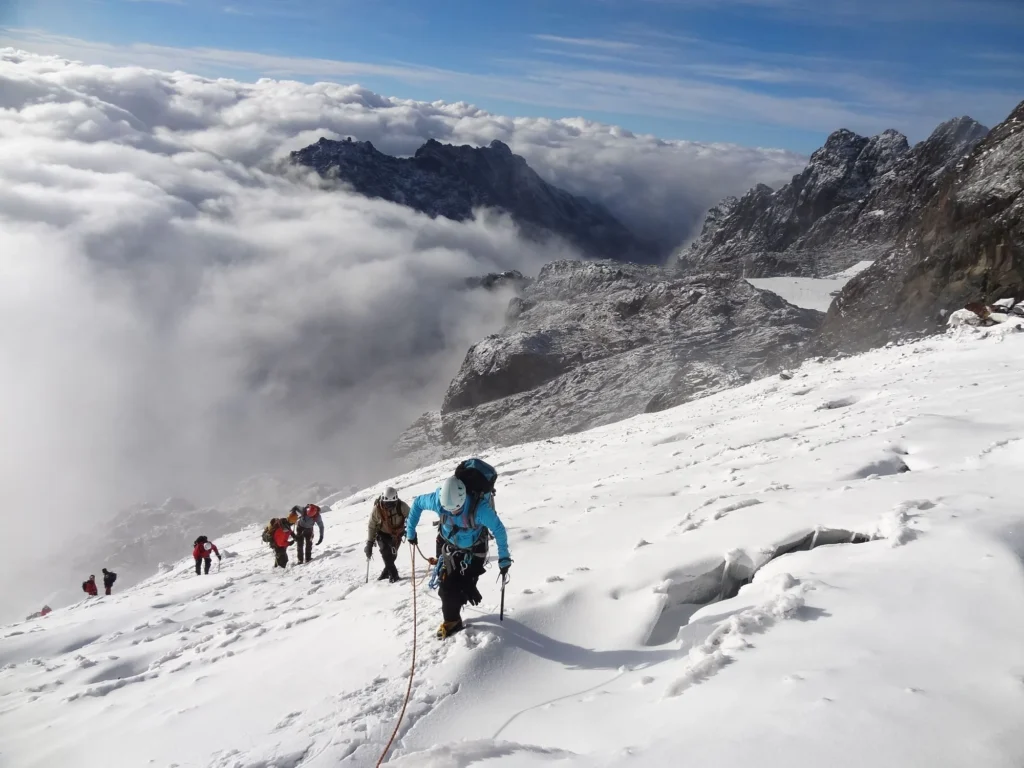
Hiking the Rwenzori Mountains
Introduction
hiking mountain
The Rwenzori Mountains: An Overview
The Rwenzori Mountains are found within the UNESCO World Heritage-listed Rwenzori Mountains National Park. The mountain range stretches for approximately 120 kilometers and contains several peaks, the highest being Margherita Peak, which rises to 5,109 meters above sea level. This makes it the third-highest mountain peak in Africa after Mount Kilimanjaro and Mount Kenya.
Unlike many mountain ranges in Africa, the Rwenzoris are characterized by permanent glaciers, snowfields, waterfalls, rivers, and dense vegetation. Their stunning scenery has earned them international recognition as one of the most beautiful mountain destinations in the world.
Hiking Experience in the Rwenzori Mountains
Hiking the Rwenzori Mountains offers a unique and unforgettable adventure. Trekkers pass through several vegetation zones, each with distinct landscapes and wildlife. The journey begins in tropical rainforests filled with birds, monkeys, and colorful butterflies. As hikers ascend, they encounter bamboo forests, giant heather zones, alpine meadows, and glacial landscapes near the summit.
The hiking routes vary in difficulty and duration. Some trails take only a few days, while reaching Margherita Peak may require seven to ten days of trekking. The challenging terrain, steep slopes, muddy trails, and changing weather conditions make the experience both demanding and rewarding.
Professional guides and porters accompany tourists throughout the trek, ensuring safety while providing valuable information about the mountains’ history, ecology, and cultural significance.
Biodiversity and Natural Beauty
One of the major attractions of the Rwenzori Mountains is their exceptional biodiversity. The region is home to numerous plant and animal species, many of which are endemic to the Albertine Rift. Visitors can observe unique vegetation such as giant lobelias, giant groundsels, and rare alpine plants that create an almost otherworldly environment.
Wildlife species found in the mountains include forest elephants, chimpanzees, blue monkeys, duikers, and various bird species. The rich biodiversity makes the Rwenzori Mountains a valuable destination for ecotourism, scientific research, and conservation efforts.
Cultural Significance
The Rwenzori Mountains hold great cultural importance for local communities, particularly the Bakonzo people. According to traditional beliefs, the mountains are considered sacred and are associated with ancestral spirits and cultural heritage. Visitors often have opportunities to interact with local communities, learn about their customs, enjoy traditional dances, and experience authentic Ugandan hospitality.
Community tourism initiatives have enabled local residents to benefit from tourism through employment, handicraft sales, accommodation services, and guiding activities. This has contributed to poverty reduction and community development in the region.
Economic Importance to Uganda
Tourism associated with the Rwenzori Mountains contributes significantly to Uganda’s economy. Hiking activities generate revenue through park entrance fees, guiding services, accommodation, transportation, and hospitality businesses. The sector creates employment opportunities for guides, porters, hotel operators, tour companies, and local artisans.
Additionally, the international recognition of the Rwenzori Mountains enhances Uganda’s image as a premier adventure tourism destination. This attracts foreign exchange earnings and promotes investment in tourism infrastructure.
Challenges Facing Tourism in the Rwenzori Mountains
Despite their tourism potential, the Rwenzori Mountains face several challenges. Climate change has accelerated the melting of glaciers, threatening one of the region’s most distinctive features. Extreme weather conditions, limited infrastructure, and occasional natural disasters such as floods and landslides can also affect tourism activities.
Conservation efforts are therefore essential to protect the mountains’ ecosystems and ensure sustainable tourism development. Government agencies, conservation organizations, and local communities continue to work together to preserve this valuable natural heritage.
The Rwenzori Mountains are among Uganda’s most remarkable tourist attractions, offering a unique combination of adventure, natural beauty, biodiversity, and cultural heritage. Hiking through these majestic mountains provides visitors with unforgettable experiences and an opportunity to explore one of Africa’s most extraordinary landscapes. As Uganda continues to promote sustainable tourism, the Rwenzori Mountains will remain a key destination that contributes to environmental conservation, economic growth, and national development.