Mid-Range vs Luxury Uganda Safari Lodges
August 4, 2026
Uganda Adventure Activities.
August 4, 2026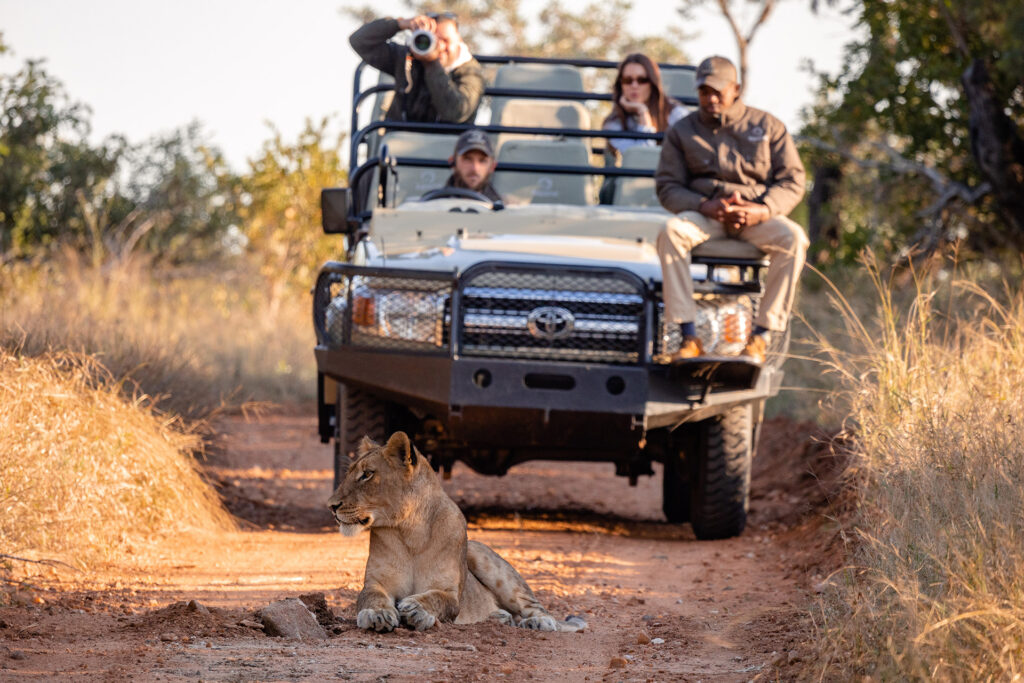
Group Safari Costs: Why Sharing a Vehicle Beats Booking Private in Uganda
Group safari costs typically run thirty to fifty per cent below a private booking on the same route. The reason is not corner-cutting. It is arithmetic.
A safari vehicle costs roughly the same to run whether it carries one traveller or six. So does a driver-guide’s daily allowance, and the fuel that gets everyone around the park. Spread that fixed cost across more people, and the price per person falls fast.
This matters most in Uganda. A single gorilla trekking permit already costs eight hundred US dollars, and that number stays the same whether you travel alone or with a group. Understanding exactly where group safari savings come from — and where they do not — helps you compare quotes properly instead of guessing. This article shows real numbers for a group safari against a private one, then names what a group traveller gives up for that lower price.
What Actually Drives the Cost of a Safari
Group Safari Costs: Why Sharing a Vehicle Beats Booking Private in Uganda
Every safari quote rests on a small set of fixed costs. A 4×4 vehicle with a driver-guide typically runs between one hundred fifty and two hundred US dollars a day in Uganda. That figure covers fuel, the driver’s allowance, and vehicle wear. It barely changes whether one passenger sits in the vehicle or six.
Park entrance fees work differently. Uganda Wildlife Authority charges these per person, so they do not shrink as a group grows. Gorilla and chimpanzee trekking permits follow the same rule; UWA prices them per trekker, not per vehicle. A lower group safari cost comes from getting you around the park more cheaply, not from entering it more cheaply.
Accommodation sits somewhere in between. Many mid-range and budget lodges price rooms per person on a twin or double-share basis. Travelling with just one companion already halves that line item compared with a solo traveller paying a single supplement. Larger groups sometimes unlock further discounts on family rooms or bulk bookings, though this varies by lodge and season.
The Real Numbers: Group Versus Private
Picture a five-day Uganda safari through Queen Elizabeth National Park and Bwindi, without gorilla trekking, to keep the comparison focused on transport and lodging. A solo traveller booking privately covers the full vehicle and driver cost alone. Across five days that comes to roughly nine hundred dollars.
Add mid-range lodging with a single supplement, at around one hundred fifty dollars a night, and the accommodation bill reaches about seven hundred fifty dollars. Park fees add close to two hundred dollars more. The solo private traveller’s total lands near eighteen hundred dollars.
Now picture the same itinerary joined by six travellers on a scheduled group departure. The vehicle and driver still cost nine hundred dollars, but split six ways that becomes one hundred fifty dollars each. Twin-share lodging brings accommodation down to around seven hundred fifty dollars per person. Park fees stay fixed at roughly two hundred dollars, since those are charged per person either way.
These figures are illustrative rather than fixed quotes. Uganda Wildlife Authority fees, fuel prices, and lodge rates change from year to year, so confirm current numbers with your operator before booking.
What You Give Up for a Lower Group Safari Cost
A cheaper trip is not automatically the better one. Group departures run on fixed dates, set months ahead. You cannot shift your travel window at short notice the way a private booking allows.
The itinerary is fixed too, once the group agrees to it. There is less room for an extra hour at a waterhole, or a spontaneous stop at a craft market on the way back. Pace becomes a shared decision rather than a personal one.
A photographer wanting to linger at a lion sighting may find the vehicle moves on before they are ready. A family needing extra rest stops may feel the same pressure. You are also sharing several days on the road with strangers, which suits sociable travellers far better than those hoping for a quiet, private trip.
Who a Group Safari Actually Suits
Group safaris work well for first-time visitors on a defined budget. They suit solo travellers who want company on the road, and anyone happy to trade some flexibility for a lower group safari cost. They also suit people who enjoy meeting travellers from other countries over a shared campfire or lodge dinner.
Private safaris suit honeymooners and multi-generational families wanting their own pace. They suit travellers with a tight professional schedule who need exact departure dates. Serious photographers, who need to wait out light or an animal’s behaviour, also tend to do better with a private vehicle, since nobody else’s patience limits the stop.
Three Ways to Push Group Safari Costs Even Lower
First, ask your operator for their scheduled group departure calendar. A fixed departure fills a vehicle more reliably than a custom-built group, and passes the saving straight on to you.
Second, travel during Uganda’s quieter shoulder seasons — April to May, or November. Operators often consolidate smaller private bookings into shared vehicles during these months to keep departures running.
Third, separate the fixed-cost permit trek from the variable-cost road safari where you can. Join an existing gorilla trekking group at Bwindi, then book a private or small-group vehicle for the rest of the itinerary. This combination often costs less than a fully private trip or a fully group one on its own.
Deciding Between Group and Private
The honest answer depends on what you are optimising for. If budget matters more than flexibility, a group safari cost will usually beat a private one by thirty to fifty per cent on the same route. If your dates, pace, or privacy matter more than the price gap, book private, and treat the extra cost as the price of control over your own itinerary.
Terenga Safaris runs scheduled group departures across Uganda’s parks alongside fully private itineraries. Ask for a quote on both for the same route, so the comparison rests on real numbers rather than guesswork. Either way, you will know exactly what you are paying for.