
Uganda Safari Cancellation Policies Explained
August 1, 2026
Uganda Safari Deposit and Refund Policies Explained
August 2, 2026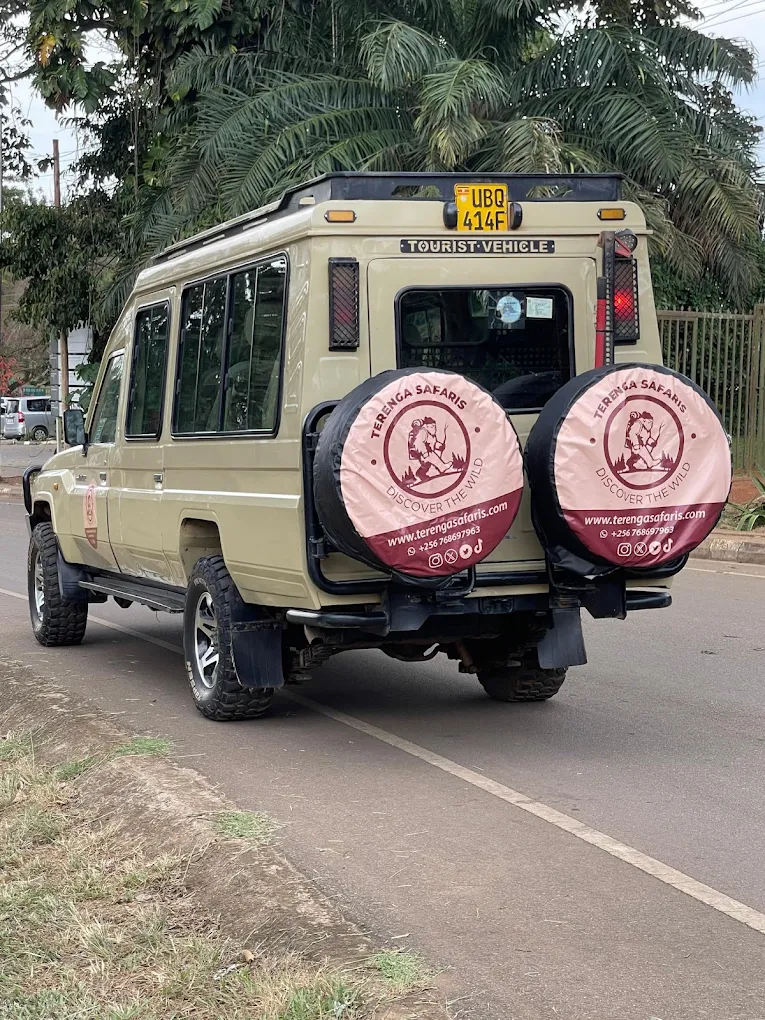
How to Choose a Safari Operator You Can Trust
Every year, thousands of travellers choose a safari operator based on a glossy website and a low price. They discover the gap between the two only after landing in Entebbe. Uganda has no shortage of tour companies. Some run modern 4x4s with trained guides and proper insurance. Others own little more than a website and a WhatsApp number.
The traveller usually cannot tell the difference in advance. It shows up later: a vehicle breakdown in Queen Elizabeth National Park, a gorilla permit that never materialises, a guide who cannot name the bird sitting three metres away.
This matters more in East Africa than in most places. Uganda’s parks sit hours from Kampala on roads that vary wildly in condition. Many activities carry real physical and financial stakes — gorilla trekking, white-water rafting, chimpanzee habituation among them. Learning how to choose a safari operator well is not a formality here. It is the decision that determines whether your trip runs smoothly or falls apart at the first pothole.
This guide walks through what separates a trustworthy operator from a risky one, so you can choose a safari operator with confidence rather than guesswork. It uses the questions a sceptical, well-travelled reader would ask before handing over a deposit.
Choose a Safari Operator With a Real Licence, Not Just Marketing
The Uganda Tourism Board issues operating licences to registered tour companies. The Association of Uganda Tour Operators, known as AUTO, maintains a member list that any traveller can check before booking. A company that cannot produce a licence number, or dodges the question, has told you most of what you need to know.
Licensing alone will not guarantee a good trip. Plenty of licensed operators still cut corners. But it filters out the shell operations that exist only as a Facebook page and a foreign bank account — a real and common problem in East African tourism. Ask for the licence number directly. Then cross-check it against AUTO’s public register rather than trusting a screenshot.
The honest limitation: licensing bodies rarely revoke membership quickly. A struggling operator can hold a valid licence for years after its service quality drops. Treat the licence as a minimum threshold, not proof that you have found a trustworthy safari operator.
Look Closely at the Vehicles and the Guides
Why Travel with Terenga Safaris Ltd
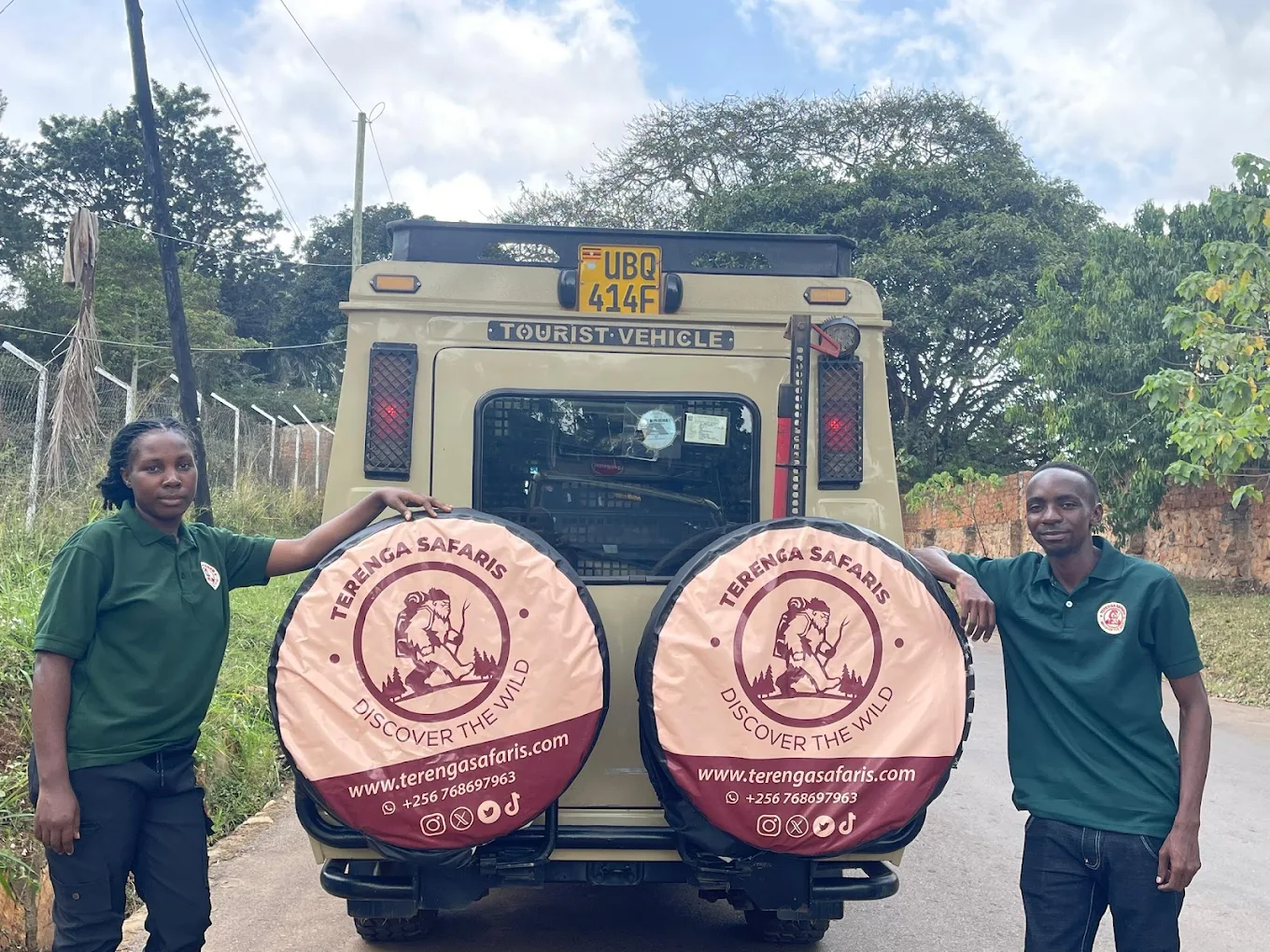
A company’s fleet tells you how seriously it takes safety. Ask what vehicle you will actually ride in, not the flagship photo on the homepage. Get the specific model for your dates. Pop-top Land Cruisers with a working spare tyre, a first-aid kit, and satellite communication for remote parks like Kidepo Valley separate serious operators from those improvising with a rented saloon car.
Guides matter just as much when you choose a safari operator, and they are harder to verify from abroad. The Uganda Wildlife Authority certifies ranger-guides for national park work. Reputable operators employ or partner with guides who hold this certification, plus extra training in birding, primates, or specific ecosystems. A good operator names your guide and lists their experience before you arrive, not on the morning of the drive.
The trade-off worth naming: highly experienced guides cost more. A company charging rock-bottom rates often cuts this exact cost first. If a quote looks 30% cheaper than every competitor for the same itinerary, ask what has been dropped to hit that price.
Read the Price Like a Contract Before You Choose a Safari Operator
Transparent pricing is one of the clearest signals a company can give you. A trustworthy quote itemises park fees, permits, accommodation, meals, transport, and guide fees separately. You can see exactly what you are paying for.
You can also compare the quote against published government rates. Gorilla permits, for instance, carry a fixed price set by the Uganda Wildlife Authority. An operator quoting well below that figure is either mistaken or planning to disappoint you later.
Vague, bundled pricing sends the opposite signal. “All-inclusive luxury safari, $2,400” tells you nothing on its own. What happens if the vehicle breaks down? Is park entry included twice for multi-day visits? What are the cancellation terms?
Ask for the breakdown in writing before you commit. Treat any resistance to providing one as a warning sign.
To be fair to operators, prices genuinely shift with fuel costs, park fee changes, and seasonal accommodation rates. A quote that moves slightly between your first enquiry and final booking is not automatically a red flag. A quote that changes dramatically after you have paid a deposit is.
Weigh Reviews Against Their Sources
TripAdvisor, Google Reviews, and Safari Bookings all carry operator reviews. Reading fifteen or twenty of them tells you more than any single testimonial on a company’s own website. Look for detail. Reviewers who name their guide, describe a specific park, or mention how a problem was handled carry more weight than generic five-star praise with no particulars.
Pay attention to how a company responds to negative reviews, not just how many it has. A defensive or dismissive reply to a legitimate complaint says more about the operator than the complaint itself. A thoughtful response that acknowledges a mistake, and explains what changed, suggests a company willing to be held accountable.
The honest caveat: review platforms are not immune to manipulation. A cluster of near-identical five-star reviews posted in a short window deserves scepticism, not reassurance.
Ask About Conservation and Community Commitment
Uganda’s tourism industry depends on the parks staying intact. It also depends on local communities benefiting from visitor spending. An operator’s relationship with both tells you something about its long-term thinking. Ask whether the company employs staff from communities near the parks it visits. Ask whether it contributes to conservation programmes, and whether it follows Uganda Wildlife Authority guidelines on wildlife distance and group sizes during gorilla and chimpanzee treks.
This is not just an ethical checkbox. Operators that respect trekking guidelines and group-size limits tend to run tighter, better-organised trips overall. The same discipline shows up in scheduling, vehicle maintenance, and guide training. A company that lets guides push past the one-hour gorilla viewing limit for a better photo is also the company likely to cut corners elsewhere.
Five Questions to Ask Before You Choose a Safari Operator
Send these by email, so you have a written record of the answers:
- What is your Uganda Tourism Board licence number?
- Which specific vehicle and guide will I have, and what is the guide’s certification?
- Can you send an itemised price breakdown, including what happens if a permit or booking falls through?
- What is your cancellation and refund policy in writing?
- Can you provide two recent traveller references I can contact directly?
An operator confident in its own standards will answer all five without hesitation. One that stalls, generalises, or asks you to “just trust us” is telling you something worth hearing before your money changes hands.
The Decision That Matters Most
Choosing a safari operator ultimately comes down to verification, not vibes. Check the licence. Ask specific questions about vehicles and guides.
Read the price breakdown as carefully as a contract. Weigh reviews for detail rather than star count. None of this guarantees a perfect trip — Uganda’s roads, weather, and wildlife have their own plans. But it narrows the gap between what you are promised and what you receive.
Terenga Safaris publishes its licence number, guide credentials, and itemised pricing on every itinerary it sends. So many travellers arrive at that first enquiry already burned by a vaguer operator who made the same promises. Whichever company you eventually choose as your safari operator, ask the five questions above first. The right one will be glad you did.
Note: licence numbers, permit fees, and operator registration details change periodically. Confirm current figures directly with the Uganda Tourism Board or AUTO before booking.
