Why Karamoja Region Is Uganda’s Untouched Frontier.
July 29, 2026
Why Are Group Safaris Better?
July 30, 2026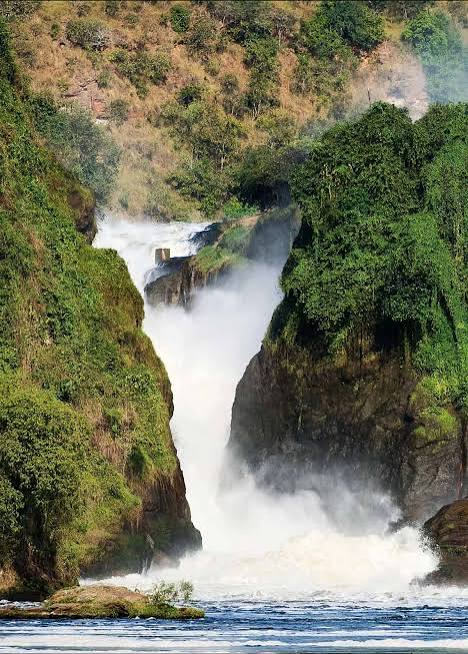
Bujagali Falls and the Source of the Nile
The source of the Nile draws travellers to Jinja for a reason that has little to do with what they actually find there. Ask a boatman at Bujagali. He will point to a wide, calm stretch of green water. He will tell you that is where the falls used to roar. Nothing about that view hints at the rapids that once made this stretch of the White Nile famous.
Here is the first thing worth knowing before you plan a day trip east from Kampala. Bujagali Falls, as travellers once photographed it, no longer exists. That is not a reason to skip Jinja. It is a reason to arrive knowing what changed, what remains, and why the source of the Nile still earns its place on most Uganda itineraries.
What happened to Bujagali Falls
In November 2011, engineers began flooding the channel to build the Bujagali hydropower dam. The waters rose steadily through the following year. They swallowed the rapids whole. By the time the plant switched on in October 2012, the falls that gave the site its name sat under twenty metres of reservoir.
Local Basoga communities had long considered Bujagali sacred. Fishermen believed a resident spirit protected them on the river. Uganda’s energy planners weighed that loss against chronic power shortages, which were then stunting hospitals, schools, and factories nationwide.
The government pushed the project through despite years of protest from conservationists and cultural leaders. The 250-megawatt plant now supplies a meaningful share of the national grid. That trade-off sits at the heart of any honest account of the place.
Visit today and you will find a dam, not a waterfall. The water below Bujagali runs smooth and glassy. Kayakers use it to practise flat-water skills, and boat operators run sunset cruises across it. It is a pleasant spot, but it is not the spectacle that once drew photographers to this stretch of the source of the Nile. A piece that pretended otherwise would waste your time before you had even left Kampala.
Where the actual source of the Nile sits
The technical source of the Nile lies a few kilometres downstream, at Coronation Park on the edge of Jinja town. This is where the river leaves Lake Victoria and begins its 6,650-kilometre run to the Mediterranean. A modest monument marks the spot. It honours the explorer John Hanning Speke, who identified this outflow in 1862 and ended decades of European argument over the river’s true origin.
The original rapids here, called Ripon Falls, disappeared even earlier than Bujagali’s. Engineers submerged them in 1954 when they built the Owen Falls Dam. Hydropower has reshaped the source of the Nile twice in living memory, first at Ripon and then at Bujagali.
Boat operators at Coronation Park now run short trips out to the exact confluence point. You pass fishing villages and pied kingfishers working the shallows along the way. It is a quiet, reflective half hour rather than an adrenaline stop, and it suits travellers more curious about history than white water.
Why Jinja still pulls adventure travellers
Here is where the story turns. Losing the rapids at the source of the Nile did not end white-water rafting altogether. It simply pushed the industry downstream.
Rafting companies now launch below the dam and run twenty to thirty kilometres of river. They cover Grade III to Grade V rapids, including well-known sections like Overtime and Itanda. Local guides call the latter “the Bad Place,” and one run through it explains why.
A full-day Grade V trip typically costs $120 to $160 per person. That price usually includes lunch, safety gear, and transport from Jinja or Kampala. Nile River Explorers and Adrift hold the longest safety records on this stretch of river.
Both also run gentler Grade III floats for families or nervous first-timers. Confirm current prices and departure points directly with operators before booking. River conditions and dam releases shift the exact rapids run from one season to the next.
Beyond rafting, Jinja offers quad biking through sugarcane plantations and a bungee platform overlooking the river. Stand-up paddleboarding on the calmer pools near the old falls site rounds out the options. None of it needs advance planning beyond a phone call. That makes Jinja an easy add-on to a longer Uganda itinerary, not a destination that demands its own week.
Who this trip suits, and who it does not
Travellers chasing the postcard image of Bujagali Falls will be let down. No amount of enthusiastic copy changes that fact. This trip suits people curious about the layered history behind the source of the Nile. It suits people comfortable with the idea that a dam can be as revealing as a waterfall once was. It suits anyone keen on genuinely world-class rafting a short drive from the source of the Nile itself.
Families with young children fare better on the calmer boat trips at Coronation Park. Rafting operators downstream generally set a minimum age of sixteen. Fitness matters more than most guides admit, too. Grade V rafting demands real paddling effort and the nerve to stay calm if the raft throws you out, which happens to almost everyone at some point. If that sounds unappealing, the source-of-the-Nile boat trip and the riverside town itself still make Jinja worth the two-hour drive from Kampala.
Getting there and timing your visit
Jinja sits roughly 80 kilometres east of Kampala. The drive takes about two hours, longer if traffic backs up through Mabira Forest. Most visitors combine Jinja with a stop in Mabira itself. Others treat it as the first night of a longer loop toward Sipi Falls and Mount Elgon.
Rafting runs year-round, thanks to Lake Victoria’s steady outflow into the river. Water levels and open rapids still vary with dam releases. Check with an operator a week or two out rather than assuming a fixed schedule. The dry seasons, December to February and June to August, bring the most reliable weather for a day on the water. Rain rarely cancels a rafting trip outright.
Terenga Safaris builds a Jinja stop into most Uganda itineraries, usually two nights between Kampala and the western parks. A source-of-the-Nile boat trip pairs naturally with a full or half-day rafting run, depending on a traveller’s appetite for white water. If you are weighing where Jinja fits into a wider trip, that kind of practical sequencing is worth asking about before you book anything else.