
Why Every Birdwatcher Should Visit Semuliki National Park
June 12, 2026
Why Storytelling Is Uganda’s Untapped Economic Asset
June 13, 2026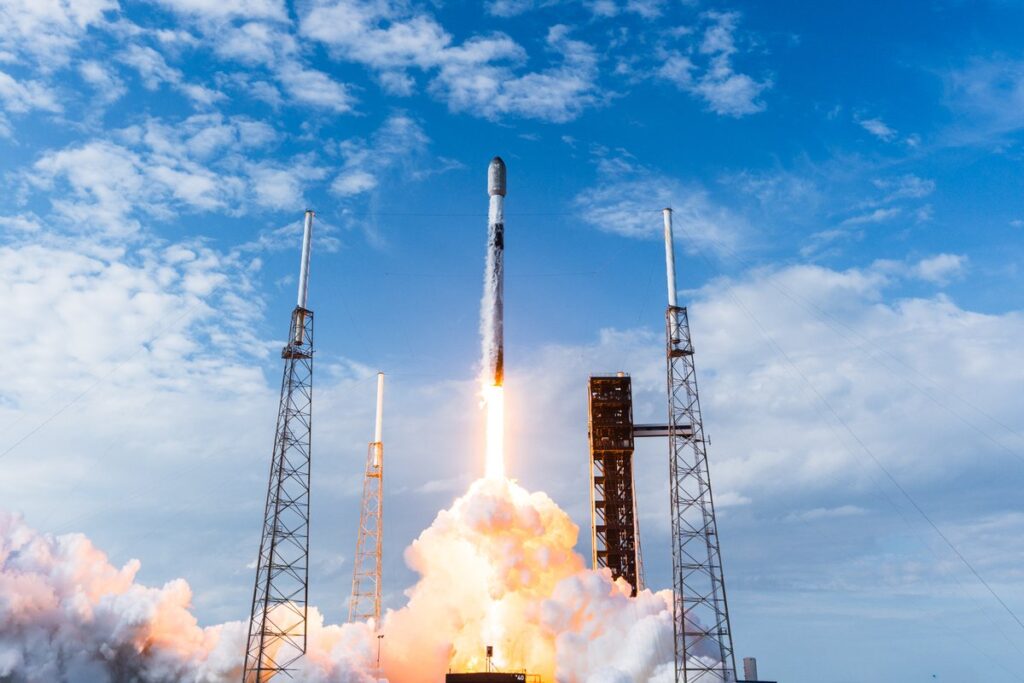
Featured Snippet Answer: What Can Tourism Learn from SpaceX?
Tourism businesses can draw six key lessons from SpaceX’s rise: (1) bold vision attracts investment and talent; (2) exceptional customer experience drives loyalty; (3) innovation is a mindset before it is a machine; (4) storytelling builds movements, not just audiences; (5) resilience through failure sharpens strategy; and (6) long-term sustainability is a competitive advantage, not a cost. Applied to Uganda and East Africa, these principles can help tourism businesses compete globally while preserving the authenticity that makes African travel irreplaceable.
Introduction
When SpaceX’s shares debuted on the Nasdaq in June 2026 and its founder crossed the threshold of a trillion-dollar net worth, the world took notice. The story dominated headlines across every industry — finance, technology, manufacturing, and beyond. At first glance, it might seem that the aerospace industry and the tourism sector occupy entirely different worlds. One deals in rockets, orbital mechanics, and satellite constellations. The other deals in game drives, mountain gorillas, and sunrise over the Nile.
And yet, the principles behind SpaceX’s extraordinary rise — bold vision, relentless customer focus, innovative thinking, powerful storytelling, and the refusal to be defeated by setbacks — are precisely the principles that Uganda’s tourism industry needs right now.
This article explores what tourism can learn from SpaceX’s rise. Not as a celebration of any individual, but as a study in how transformative thinking in one sector can illuminate the path forward in another. The lessons are practical, applicable, and urgently relevant to every tourism entrepreneur, operator, and professional building Uganda’s future as a world-class destination.
Lesson One: Bold Vision Creates Momentum
When SpaceX was founded in 2002, the idea of a private company building and launching orbital rockets was considered, by most of the aerospace establishment, to be somewhere between ambitious and absurd. The industry had been the exclusive domain of national governments and multi-billion-dollar defence contractors for decades. Yet SpaceX persisted with a vision so clear and so compelling that it attracted exceptional talent, significant funding, and eventually changed what the entire industry believed was possible.
Uganda’s tourism sector faces a comparable moment.
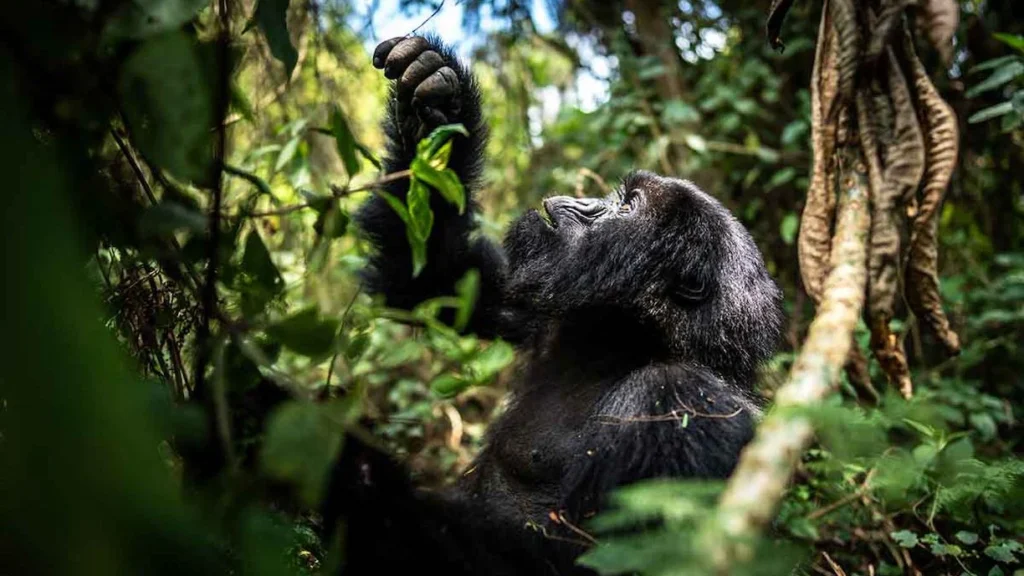
Uganda is a country of extraordinary natural richness — home to more than half of the world’s remaining mountain gorillas, the source of the Nile, the Rwenzori Mountains, and one of the most biodiverse landscapes on the planet. And yet, for too long, Uganda has positioned itself modestly, content to be described as a “hidden gem.” The problem with being a hidden gem is that it implies the destination is waiting to be discovered rather than actively inviting the world to come.
Bold vision in tourism means declaring, without apology, that Uganda belongs in the same conversation as Kenya, Tanzania, and Rwanda — and building the brand, the infrastructure, and the content to support that claim. It means tourism businesses thinking not just about next season but about the next decade, investing in quality now, and refusing to compete on price alone when the product itself is exceptional.
“Ambition is not arrogance. For Uganda’s tourism industry, thinking bigger is an obligation.”
Lesson Two: Customer Experience Is Everything
SpaceX did not merely launch rockets. It transformed rocket launches into global events. It live-streamed launches to millions of viewers, created countdown experiences that felt theatrical and personal, and turned what had been an arcane technical exercise into something that ordinary people cared about and celebrated. The customer — whether a satellite client, an astronaut, or a global viewer — was placed at the centre of the experience.
For tourism businesses, this lesson is both the most obvious and the most frequently underestimated.
Every moment of a guest’s journey is part of the product. It begins before they board a plane — in how they discover you, how your website communicates, how their questions are answered. It continues through the airport transfer, the first meal, the briefing before a gorilla trek, the warmth of the guide who knows which tree a chimpanzee is likely to be sitting in. It does not end when the guest checks out. It extends through the follow-up communication, the photographs shared, the recommendation passed to a friend.
Tourism businesses that understand this build loyalty that no advertising budget can replicate. Those that treat the guest experience as a series of transactions rather than a continuous relationship will always be competing for the same first-time visitor, never benefiting from the compounding power of guests who return, refer, and advocate.
Personalisation matters enormously in this context. A traveller who mentioned during enquiry that it is their honeymoon should find a small gesture waiting for them at the lodge. A guest who expressed an interest in birdwatching should be introduced to a guide who shares that passion. These details cost almost nothing. Their impact is disproportionate.
Lesson Three: Innovation Doesn’t Always Mean Technology
One of the most persistent misunderstandings about innovation is that it requires expensive technology. SpaceX certainly deployed advanced engineering, but the company’s most disruptive innovation was conceptual: the idea that rocket boosters did not need to be discarded after a single use. The insight was fundamentally about rethinking a system that everyone else had accepted as fixed. The technology followed the idea.
Tourism businesses sometimes hesitate to speak of innovation, assuming it requires software platforms, virtual reality experiences, or substantial capital investment. In reality, the most impactful tourism innovations are often simpler than that.
Innovation in tourism can mean:
- Designing itineraries that reflect how modern travellers actually want to experience a destination — slower, more immersive, more community-focused.
- Building booking processes that are straightforward, transparent, and responsive, removing the friction that causes prospective guests to abandon enquiries.
- Creating flexible safari packages that acknowledge the diversity of traveller budgets and expectations, rather than offering only fixed, one-size-fits-all experiences.
- Developing conservation-linked experiences that allow guests to contribute meaningfully to the ecosystems they visit, deepening their connection to the destination.
- Investing in guide training programmes that go beyond basic knowledge to develop storytelling, emotional intelligence, and the ability to read and respond to individual guests.
None of these require significant capital. All of them require deliberate thinking and a willingness to question assumptions about how things are currently done.
Lesson Four: Storytelling Builds Movements
SpaceX understood something that many traditional industries have been slow to grasp: in a world saturated with information, the organisations that win are not necessarily those with the best product, but those with the most compelling story.
The story of SpaceX — a small team against the entire aerospace establishment, failing publicly and recovering, building towards the audacious goal of making humanity multi-planetary — attracted engineers, investors, and public supporters who might otherwise have had no reason to care about orbital mechanics. The story created a movement.
Uganda has stories of extraordinary power. The story of mountain gorilla conservation — a species pulled back from the edge of extinction through decades of painstaking effort by rangers, researchers, and local communities — is one of the most remarkable conservation achievements in modern history. The story of the Batwa people, whose cultural connection to the Bwindi forest spans generations, is both complex and deeply moving. The story of the Nile, which has shaped civilisations, agriculture, and human history across thousands of years, begins right here.
These stories are not being told loudly enough, consistently enough, or in the right formats to reach the audiences who would be most moved by them.
Effective content marketing in tourism is not about publishing generic “top ten things to do” lists. It is about creating the kind of content that makes a prospective traveller feel that coming to Uganda is not merely a holiday choice but an experience that will genuinely change them. That is the standard SpaceX set in aerospace. It is the standard that Uganda’s leading tourism brands should be reaching for.
“Destinations do not compete through attractions alone. They compete through the stories they tell about those attractions.”
Lesson Five: Resilience Through Failure
SpaceX’s early history is a catalogue of setbacks. Its first three rocket launches — Falcon 1 flights in 2006, 2007, and 2008 — all failed. The company was running out of money. The fourth launch, in September 2008, succeeded. That success secured a NASA contract worth $1.6 billion and allowed the company to continue. Had the fourth launch also failed, SpaceX would likely not exist today.
The tourism industry, by contrast, rarely speaks openly about failure. Operators who tried a new format that did not resonate tend to quietly discontinue it rather than extracting and sharing the learning. Destinations that suffered significant downturns — whether from political instability, disease outbreak, or broader economic shock — often frame recovery narratives without acknowledging the depth of the disruption.
But the most resilient tourism businesses are those that treat every crisis as information. Uganda’s tourism sector has weathered significant disruptions over recent decades — from the ebola scares that dampened travel to the complete collapse of international arrivals during the COVID-19 pandemic. Each of these events, painful as they were, revealed something important: which businesses had deep enough relationships with their clients to survive, which products were truly differentiated, and which operators had diversified enough to adapt.
Resilience is not simply the capacity to endure. It is the discipline to learn from difficulty and build more robust systems as a result. The tourism businesses that will thrive in the next decade are those investing now in diversified revenue streams, strong client relationships, and operational flexibility — not because they expect crisis, but because they have learned that it comes.
Lesson Six: Sustainability Is a Long-Term Investment
SpaceX’s long-term thinking is visible in its infrastructure investments. The company has built manufacturing capacity, launch facilities, and supply chains that are designed to scale over decades, not quarters. The strategic patience required to build reusable rocket technology — which took years to perfect and required enormous upfront investment before it yielded cost savings — is a model for how long-term thinking pays dividends.
In tourism, sustainability is the equivalent of that long-term infrastructure investment.
Conservation fees, community benefit-sharing arrangements, responsible waste management, and low-impact lodge construction all require financial commitment that may not yield immediate returns. But they protect the very assets on which the entire tourism economy depends. A tourism industry that degrades its natural and cultural foundations — through overcrowding, environmental damage, or the displacement of local communities — is consuming its own future.
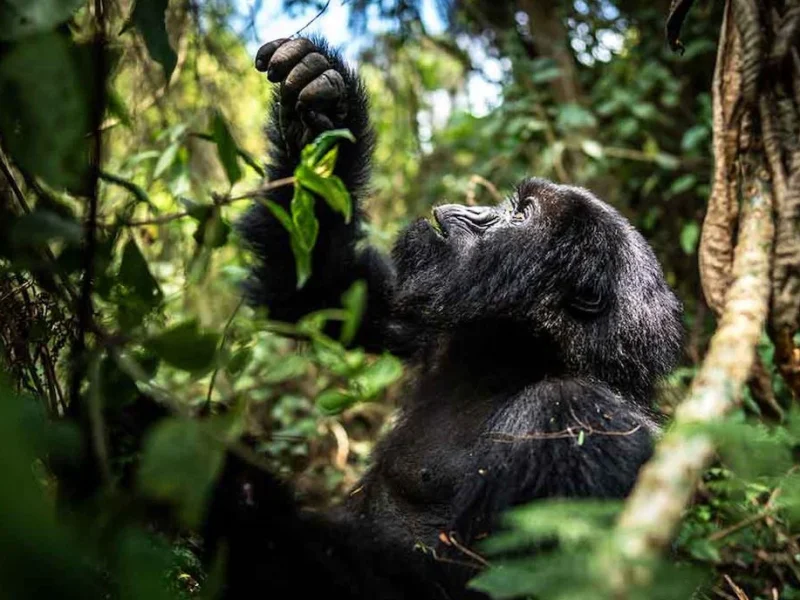
Uganda’s mountain gorillas are the centrepiece of its premium tourism product. Their continued existence depends on the health of the Bwindi and Mgahinga forests, on the anti-poaching efforts of the Uganda Wildlife Authority, and on the economic incentives that lead communities adjacent to the parks to value conservation over encroachment. Every tourism business operating in Uganda has a stake in that system.
Sustainability is not simply an ethical position. It is a business strategy. The destinations and operators that will attract the premium traveller segment — the guest who is willing to pay more for a more thoughtful, more responsible experience — are those that can demonstrate genuine commitment to the long-term wellbeing of the places they invite people to visit.
What These Lessons Mean for Uganda’s Tourism Industry
Uganda’s tourism sector is at a genuinely important inflection point. International arrivals have been recovering steadily since the pandemic. Starlink’s newly issued operating licence — signed in May 2026 with President Museveni in attendance — signals that high-speed internet connectivity will soon reach lodges, remote parks, and rural operators who have been working with unreliable connections for years. That connectivity will transform what is possible in digital marketing, online booking, and guest communication for businesses operating outside Kampala.
Regionally, East Africa is building increasingly coherent tourism infrastructure. Cross-border itineraries combining Uganda’s gorillas with Rwanda’s volcano treks, Kenya’s wildlife reserves, and Tanzania’s Serengeti offer premium travellers experiences that no single destination can match alone. The region that learns to collaborate intelligently — rather than competing purely on individual destination marketing — will capture a larger share of the growing global appetite for immersive, meaningful travel.
The entrepreneurial opportunity is significant. There is genuine space for Ugandan tourism businesses that invest in quality, build strong digital presences, and commit to exceptional service to compete credibly with operators in more established markets. The product is there. The infrastructure is improving. What is most needed is the boldness and discipline to build world-class operations.
What Young Professionals Can Learn
For students, interns, and early-career professionals watching the tourism and hospitality sector, the SpaceX story offers a set of principles that are as relevant to career building as they are to business building.
- Think bigger than your current role. Every task you are given is also a lesson in how systems work. Use it.
- Start small, but start with intention. SpaceX did not begin by building the Falcon 9. It began by proving that private rockets could reach orbit. Establish your credibility incrementally.
- Skills compound. The combination of technical knowledge, communication ability, and deep understanding of customer needs is rare and valuable. Build all three simultaneously.
- Be patient with progress, but impatient with complacency. Careers in tourism are built over seasons and years. But the habit of asking “how could this be better?” should be constant.
- Create value before you demand recognition. The professionals who advance fastest in any industry are those whose contribution is visible before their ambition is announced.
Uganda needs a generation of tourism professionals who think and operate at a global standard — people who have internalised the lessons of transformative businesses and are applying them to the extraordinary natural and cultural assets this country possesses.
Why Choose Terenga Safaris
At Terenga Safaris, these are not abstract principles. They are the commitments we bring to every itinerary we design, every guest we welcome, and every community we work alongside.
We believe that Uganda deserves to be known as one of the world’s great safari destinations — not as a budget alternative, but as a destination of genuine distinction. That belief shapes how we work: the care we invest in understanding what each traveller is truly hoping to experience, the relationships we build with local guides and communities, the attention we give to the moments that turn a good trip into an unforgettable one.
We are also committed to the long-term health of Uganda’s natural heritage. We work with operators and lodges that take conservation seriously, that invest in their communities, and that treat responsible tourism as a core business value rather than a marketing message.
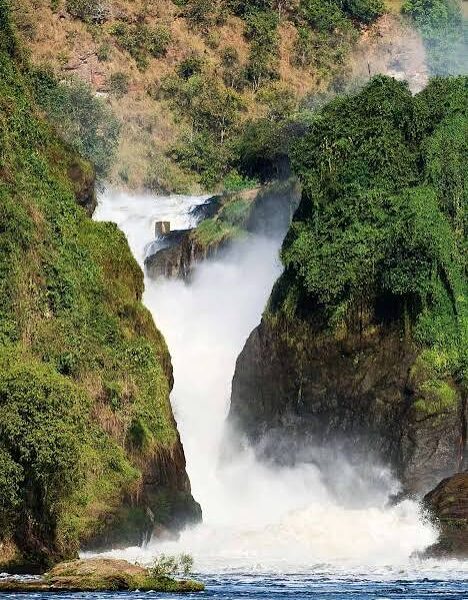
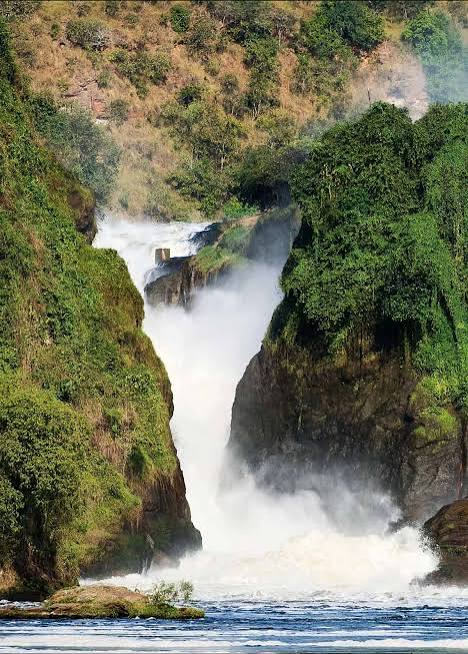
If you are planning a safari to Uganda — whether your goal is to track mountain gorillas in Bwindi, witness the tree-climbing lions of Queen Elizabeth National Park, or explore Murchison Falls at the source of the Nile — we would be honoured to help you design an experience that exceeds your expectations.
Conclusion
The parallels between SpaceX’s rise and the opportunity facing Uganda’s tourism industry are not coincidental. Both involve taking an extraordinary product — one that most of the world has yet to fully appreciate — and finding the vision, discipline, and creativity to bring it to a global audience in a way that is compelling, sustainable, and genuinely excellent.
The lessons are clear: lead with bold vision, obsess over the customer experience, innovate at the level of mindset before machinery, tell stories that create movements, build resilience through honest reflection, and invest in sustainability as a long-term strategic asset.
These are not lessons reserved for aerospace companies or Silicon Valley startups. They belong to every tourism entrepreneur sitting in Kampala, Jinja, or Fort Portal who is building something they believe in.
“The future belongs not only to those who dream big, but to those willing to build patiently, adapt continuously, and serve exceptionally.”
Explore Uganda with Terenga Safaris — and experience what it looks like when those principles are put into practice.



4 Comments
“I never thought I’d see spacex and tourism discussed in the same article, but the parallel actually make a lot of sense”
Life is full of ironies and this article explored one of them.
As a tourism student, this gave me a fresh perspective on how global business lessons can apply locally
The environment can always be different but the ideas always cut across and once applied the industry can be revolutionised.